
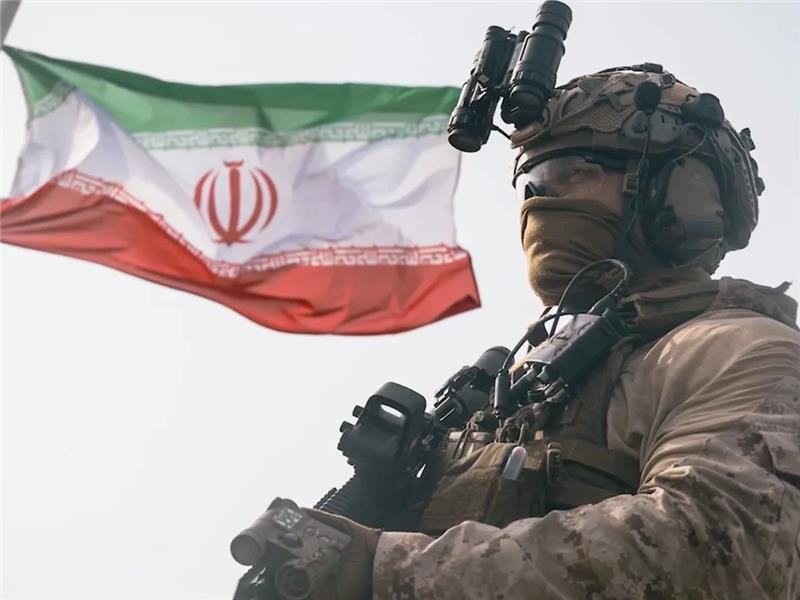
Indian equity markets extended their losing streak for the fourth consecutive session on Monday as rising geopolitical tensions in the Middle East triggered a sharp rally in the crude oil price, dampening investor sentiment. The benchmark BSE and Sensex fell 363 points to close at 76,391, while the Nifty share price index slipped below the crucial 23,870 mark.
The decline came after the Brent crude price briefly crossed $95 per barrel, reaching a six-week high following escalating military actions between the United States and Iran. Investors across the Indian stock exchange turned cautious amid fears of higher inflation, increased import costs, and pressure on corporate earnings.
Key Market Highlights
| Market Indicator | Closing Level | Movement |
| BSE Sensex | 76,391 | ▼ 363 Points |
| NSE Nifty 50 | Below 23,870 | Negative |
| Brent Crude Price | $95.24/barrel | ▲ More than 3% |
| Market Trend | Bearish | Fourth Straight Decline |
| Investor Sentiment | Risk-Off | Due to Geopolitical Tensions |
US-Iran Conflict Pushes Crude Oil Price Higher
The latest escalation between the US and Iran has raised fresh concerns over disruptions in global crude oil supplies. The Strait of Hormuz, one of the world’s busiest oil shipping routes, remains at the center of market attention as traders fear possible supply disruptions.
As a result, the Brent crude price surged more than 3%, climbing from below $72 earlier this month to over $95 per barrel.
For India, which imports nearly 85% of its crude oil requirements, sustained increases in the crude oil price create multiple economic challenges, including:
- Rising inflation due to higher transportation and logistics costs.
- Increased import bills that pressure the current account deficit.
- Weakening of the Indian Rupee.
- Higher manufacturing costs across several industries.
Stock and Market Witness Broad-Based Selling
Weakness was visible across the broader stock and market, with selling pressure emerging across most sectors.
Private banks, PSU banks, metals, and auto stocks remained under pressure as investors shifted towards a risk-averse approach. Mid-cap and small-cap stocks also witnessed profit booking as institutional investors reduced exposure amid global uncertainty.
Market Breadth
| Market Breadth | Number of Stocks |
| Declined | 2,101 |
| Advanced | 1,155 |
| Unchanged | 131 |
The negative market breadth reflected widespread selling across the Indian stock exchange, indicating weak overall market participation.
Sector-Wise Impact of Rising Crude Oil Prices
Higher oil prices directly affect industries that rely heavily on transportation, fuel, and petroleum-based raw materials.
| Sector | Likely Impact |
| Aviation | Higher fuel expenses may impact profitability |
| Logistics | Rising freight and transportation costs |
| Paints & Chemicals | Increased raw material costs |
| Automobiles | Higher manufacturing expenses |
| Oil & Gas | Upstream companies may benefit from higher crude prices |
| Banking | Market sentiment remains cautious despite stable fundamentals |
Investors also closely tracked heavyweight stocks like Reliance share price, Stock HDFC Bank, Tata Steel share price, Tata Motors share price, and Indian Oil share price, as these companies significantly influence benchmark indices.
Global Markets Also Under Pressure
The cautious sentiment extended beyond India. Asian markets traded weak as investors monitored geopolitical developments and rising energy prices.
The Hang Seng Stock Exchange Index also witnessed volatility as investors shifted toward safer assets like gold and the US dollar.
Market participants believe global equities may remain volatile until there is greater clarity regarding the geopolitical situation and global oil supply.
Technical Outlook for Nifty
From a technical perspective, analysts believe the Nifty share price remains vulnerable unless it sustains above the 24,000 level.
Immediate support is seen around 23,750, while resistance remains near 24,000. A decisive breakout above resistance could improve short-term sentiment, whereas continued weakness may invite further selling pressure.
Despite near-term volatility, analysts remain optimistic about India’s long-term growth story, supported by healthy corporate earnings, strong domestic demand, improving credit growth, and a resilient banking sector.
What Should Investors Do?
Periods of geopolitical uncertainty often create temporary volatility rather than long-term structural weakness. Investors should avoid panic selling and focus on disciplined investing.
Financial experts recommend:
- Avoid excessive leverage during volatile periods.
- Continue SIPs to benefit from market corrections.
- Focus on fundamentally strong businesses.
- Diversify portfolios across sectors.
- Use market dips to gradually accumulate quality stocks.
Long-term wealth creation depends more on consistency than reacting to short-term market swings.
Navigate Market Volatility with Eqwires
Market uncertainty demands disciplined execution and research-backed decision-making. Eqwires, a SEBI-Registered Research Analyst, provides professional market guidance through Intraday Trading Calls, Equity Recommendations, Options & F&O Strategies, BTST Calls, Swing Trading Ideas, and Index Trading Advisory.
Whether you’re an active trader or a long-term investor, Eqwires delivers research-driven insights and risk-managed strategies to help you confidently navigate changing market conditions.
Top-notch SEBI registered research analyst
Best SEBI registered Intraday tips provider
info@eqwires.com
Telegram | Facebook | Instagram
Call: +91 9624421555 / +91 9624461555