
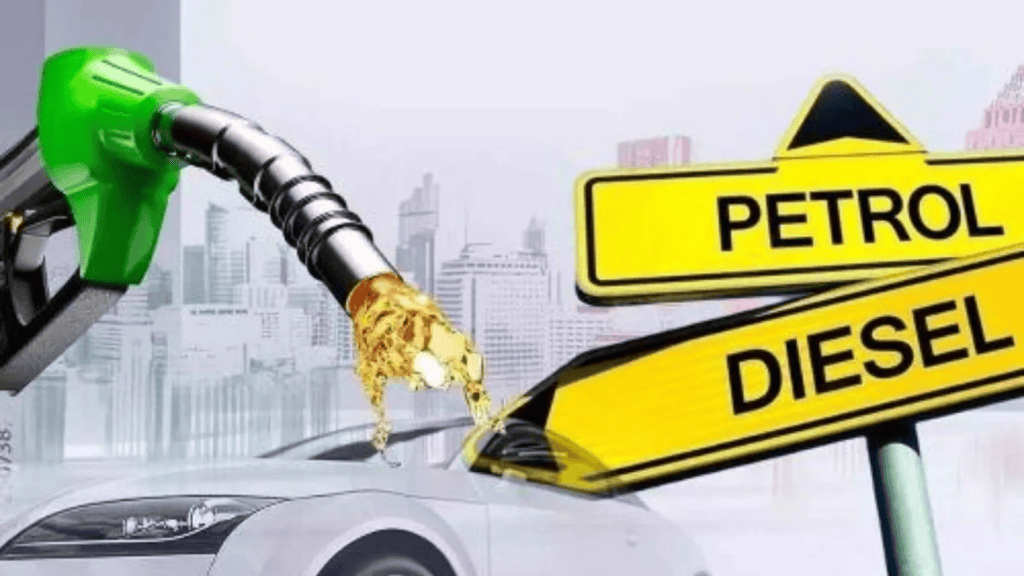
Fuel Shock 2026: Petrol and Diesel Prices Hiked by ₹3 in India

Fuel Shock 2026: Petrol and Diesel Prices Hiked by ₹3 in India

India is witnessing another major fuel price shock as petrol and diesel prices have been increased by ₹3 per litre across key cities. The latest revision comes at a time when global oil markets are under pressure, with brent crude oil prices climbing above $92 per barrel in international trade. The hike is expected to directly impact transportation, household budgets, logistics, and inflation across the country.

According to industry estimates, a ₹3 increase in fuel prices could raise monthly commuting expenses by ₹900–₹1,500 for regular vehicle users. Transportation-dependent sectors such as e-commerce, food delivery, and logistics are also likely to witness operational cost increases in the coming weeks.

India, which imports nearly 85% of its crude oil requirements, remains highly vulnerable to fluctuations in the cost of crude oil globally. Analysts believe continued geopolitical tensions and supply disruptions are keeping oil markets volatile.

Why Have Petrol and Diesel Prices Increased?

The latest rise in petrol and diesel prices is primarily linked to the sharp jump in global crude oil rates. The price of a crude oil barrel has surged nearly 12–15% in recent weeks due to production cuts and supply concerns from major oil-producing regions.

The increase in international oil prices has raised import costs for Indian oil companies. Public sector firms, including India Oil Company, have revised retail fuel rates to offset higher refining, transportation, and procurement expenses.

Apart from rising crude prices, other factors contributing to the hike include:

  • Rupee depreciation against the US dollar
  • Higher freight and shipping costs
  • Increased refinery processing charges
  • Rising global energy demand

The sustained rise in brent crude oil prices has created additional inflationary pressure on fuel-importing economies like India.

Petrol Prices Rise Sharply in Delhi and Mumbai

The latest revision has pushed fuel prices closer to record highs in several metro cities. The petrol price in Delhi has increased significantly, affecting office commuters, ride-sharing drivers, and transport businesses that rely on daily fuel consumption.

Meanwhile, the petrol price Mumbai consumers are paying remains among the highest in India due to state-level VAT and local taxes. Industry experts estimate that logistics and delivery costs in metro cities could rise by 5–8% if fuel prices remain elevated over the next few weeks.

Transport operators and small businesses are expected to face the biggest pressure, especially in cities where fuel consumption volumes remain consistently high.

How Rising Fuel Prices Affect Consumers

The impact of rising fuel prices extends far beyond petrol pumps. Fuel is directly linked to transportation and supply chain operations, which means even small increases can affect the prices of daily essentials.

Economic analysts estimate that every ₹1 rise in fuel prices can increase transportation costs by nearly 1–2% across several sectors. The growing cost of petrol in India is likely to impact:

  • Grocery and vegetable prices
  • Cab and auto-rickshaw fares
  • Delivery and logistics charges
  • Public transport expenses
  • Small business operations

Higher transportation costs often result in increased prices for food products, consumer goods, and essential services. Inflation concerns are therefore expected to remain elevated if fuel prices continue to rise.

Global Crude Oil Crisis Continues to Pressure Markets

The current fuel price surge is closely connected to volatility in global oil markets. Rising brent crude oil prices have been driven by geopolitical conflicts, lower production output, and global supply disruptions.

International reports suggest that the overall oil cost has remained unstable due to tightening supply and strong demand from major economies. Shipping disruptions and energy security concerns have also contributed to rising global crude prices.

Experts believe that if the cost of crude oil remains above current levels, Indian fuel retailers may continue facing pressure on pricing and margins. Currency fluctuations are further increasing the burden of fuel imports for India.

Market Insights by Eqwires

Eqwires believes the latest rise in petrol and diesel prices could increase inflationary pressure and impact consumer spending across India. With global crude markets remaining volatile, fuel prices are likely to stay sensitive to international developments in the coming weeks.

Eqwires Research Analyst

Top-notch SEBI registered research analyst

Best SEBI registered Intraday tips provider

info@eqwires.com

Telegram | Facebook | Instagram

Call: +91 9624421555 / +91 9624461555
www.eqwires.com

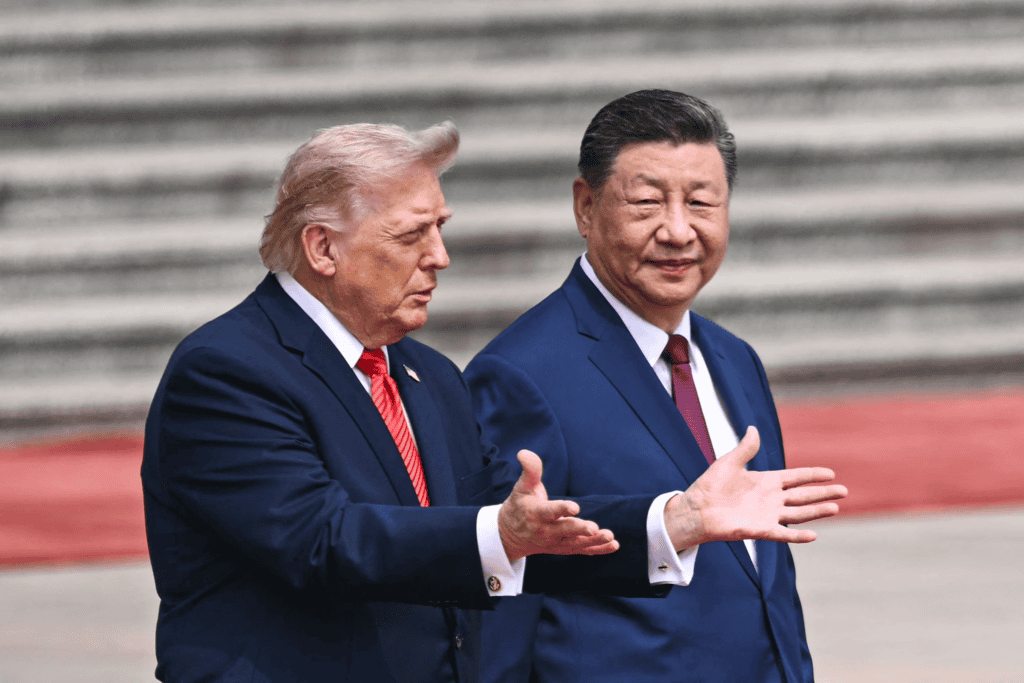
BSE Sensex Surges 789 Points After Trump-Xi Summit

BSE Sensex Surges 789 Points After Trump-Xi Summit

Confused about why the BSE Sensex suddenly surged despite ongoing global uncertainty and rising crude oil costs? The latest rally in the Indian stock market appears to be driven by improving global sentiment after positive developments from the Trump-Xi summit. Investors across major share markets reacted strongly to expectations of easing trade tensions and stronger economic cooperation, triggering heavy buying in banking, IT, and auto stocks.

As a result, the Sensex index jumped 789 points while Nifty witnessed strong momentum throughout the trading session. The rally also reflected improving investor confidence as global markets recovered sharply from recent volatility concerns.

Why Did the BSE Sensex Rally So Strongly?

The sharp rise in the BSE Sensex was mainly supported by positive cues from the global market. Investors worldwide responded positively to developments surrounding the Trump-Xi summit, which reduced fears of escalating geopolitical and economic tensions.

Indian equities mirrored the global optimism as institutional investors increased exposure to risk assets. Banking and technology stocks led the gains, pushing sensex stock price significantly higher during the day.

Market experts believe that whenever global uncertainty eases, emerging markets like India often attract fresh foreign investments, which strengthens overall market sentiment.

What Is Driving Investor Confidence in the Stock Market?

Apart from global developments, several domestic factors also contributed to the rally in the Indian stock market. Strong corporate earnings expectations, improving liquidity conditions, and steady institutional participation helped sustain buying momentum across sectors.

The movement in the nifty share price and nifty stock price also indicated strong bullish sentiment among traders and long-term investors. Market breadth improved considerably as mid-cap and small-cap stocks participated in the rally alongside large-cap companies.

Analysts believe sustained foreign inflows and stable economic indicators could continue supporting Indian equities in the near term.

Can Global Markets Continue Supporting Indian Share Markets?

The performance of the global market remains a major factor influencing Indian share markets. Positive developments in international trade relations and stronger investor confidence globally often lead to increased investments in emerging economies.

If geopolitical tensions remain under control and global economic growth stabilizes, Indian benchmark indices may continue witnessing upward momentum. However, investors are still closely monitoring inflation trends, interest rates, and global policy developments.

Experts suggest that markets may remain sensitive to any unexpected geopolitical or economic disruptions.

Why Are Crude Oil Costs Still a Concern?

Even though markets rallied strongly, rising crude oil costs continue to remain an important risk factor for India. Higher oil prices can increase inflation, impact transportation and manufacturing expenses, and put pressure on corporate profitability.

Since India imports a significant portion of its energy requirements, fluctuations in crude prices directly affect overall economic conditions. Analysts believe stable oil prices will be important for sustaining the ongoing rally in the stock market.

Investors are expected to monitor global oil supply trends and geopolitical developments closely in the coming weeks.

What Does Volatility Index India Indicate Right Now?

The decline in the volatility index india was another positive signal for investors. Lower volatility generally reflects reduced fear and more stable market conditions.

This improvement encouraged stronger participation from both retail and institutional investors across the market. Analysts believe reduced volatility could support continued momentum in the Sensex index and Nifty if positive global cues persist.

However, experts still recommend focusing on disciplined investing and avoiding emotionally driven trading decisions during volatile market phases.

Outlook for Indian Stock Market

The outlook for Indian share markets remains positive as improving global sentiment and strong institutional participation continue supporting equities. Investors will closely watch:

  • Global economic developments
  • Foreign institutional investor activity
  • Crude oil price movements
  • Inflation and interest rate trends
  • Corporate earnings announcements

If supportive conditions continue, both the sensex stock price and nifty stock price could witness further upside in the coming sessions.

Market Insights

At Eqwires, we continuously monitor the latest developments in the stock market, including movements in the BSE Sensex, Nifty trends, sectoral performance, and global economic events. Staying informed about changing market conditions can help traders and investors identify opportunities and make more confident financial decisions.

Eqwires Research Analyst

Top-notch SEBI registered research analyst

Best SEBI registered Intraday tips provider

info@eqwires.com

Telegram | Facebook | Instagram

Call: +91 9624421555 / +91 9624461555

www.eqwires.com