
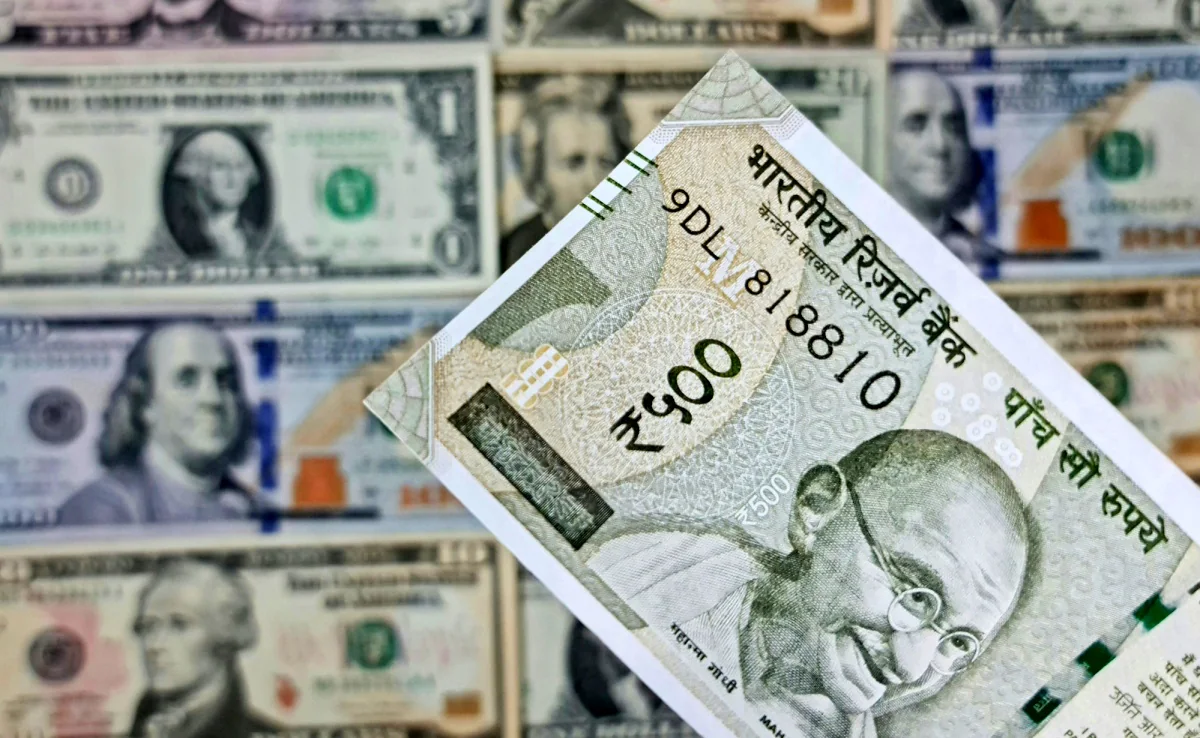
- Date of decline: January 23, 2026
- Exchange rate: Rupee at 91.95 per US Dollar, its weakest level ever.
- Market impact: Sensex and Nifty witnessed sharp selloffs as foreign investors pulled out funds.
- RBI action: The Reserve Bank of India intervened by selling dollars to slow the decline, but the pressure remains.
Why Did the Rupee Fall?
1. Foreign Investor Outflows
- In January alone, $3.5 billion was withdrawn from Indian equities, reflecting reduced confidence in emerging markets.
- Global investors are shifting towards safer assets amid geopolitical and trade uncertainties.
2. Equity Market Selloff
- Domestic stock markets faced heavy selling pressure, further weakening investor sentiment.
- The Sensex and Nifty dropped significantly, amplifying currency volatility.
3. Importer Payments and Dollar Demand
- Rising crude oil prices and higher import bills increased demand for dollars.
- Importers rushed to hedge against further rupee depreciation, adding stress to forex markets.
4. Speculative Flows
- Traders betting against the rupee intensified the decline.
- Speculative positions magnified volatility, making RBI’s interventions less effective.
Global Context
- The US Dollar strengthened globally as investors sought safe havens amid trade tensions and geopolitical risks.
- Although President Donald Trump softened his stance on tariffs against Europe, the overall risk appetite remains fragile.
- Emerging market currencies, including the rupee, continue to face headwinds from global uncertainty.
Impact on India
- Imports: Costlier imports, especially crude oil, will push inflation higher.
- Consumers: Prices of fuel, electronics, and other imported goods are expected to rise.
- Businesses: Exporters may benefit from a weaker rupee, but import-dependent industries face margin pressures.
- Policy: RBI may need to balance inflation control with currency stabilization, possibly tightening monetary policy.
Outlook Ahead
- Analysts expect continued volatility in the rupee unless foreign inflows stabilize.
- RBI’s interventions may provide temporary relief but structural pressures remain.
- The 92-mark is now seen as a critical psychological threshold, and crossing it could trigger further panic in markets.
For investors navigating this volatile environment, Eqwires Research Analyst stands out as the Best SEBI-Registered Research Analyst in India. Recognized as the Best SEBI-Registered Eqwires Research Analyst, the firm provides expert guidance on market trends and currency risks. Known as the Best Options Trade Provider, Eqwires delivers the Best Investment Strategies by Eqwires Research Analyst to help investors safeguard and grow their wealth. As the Best SEBI-Registered Company in India and the Best Stock Market Service Provider in India, Eqwires ensures clients receive trusted, professional, and profitable investment advice.
In summary, the rupee’s fall to 91.95 against the US Dollar reflects a mix of global and domestic pressures, with foreign outflows, equity selloffs, and rising import costs driving the decline. While RBI intervention offers short-term relief, long-term stability will depend on restoring investor confidence and managing inflation risks.
Top-notch SEBI registered research analyst
Best SEBI registered Intraday tips provider
Telegram | Facebook | Instagram
Call: +91 9624421555 / +91 9624461555