
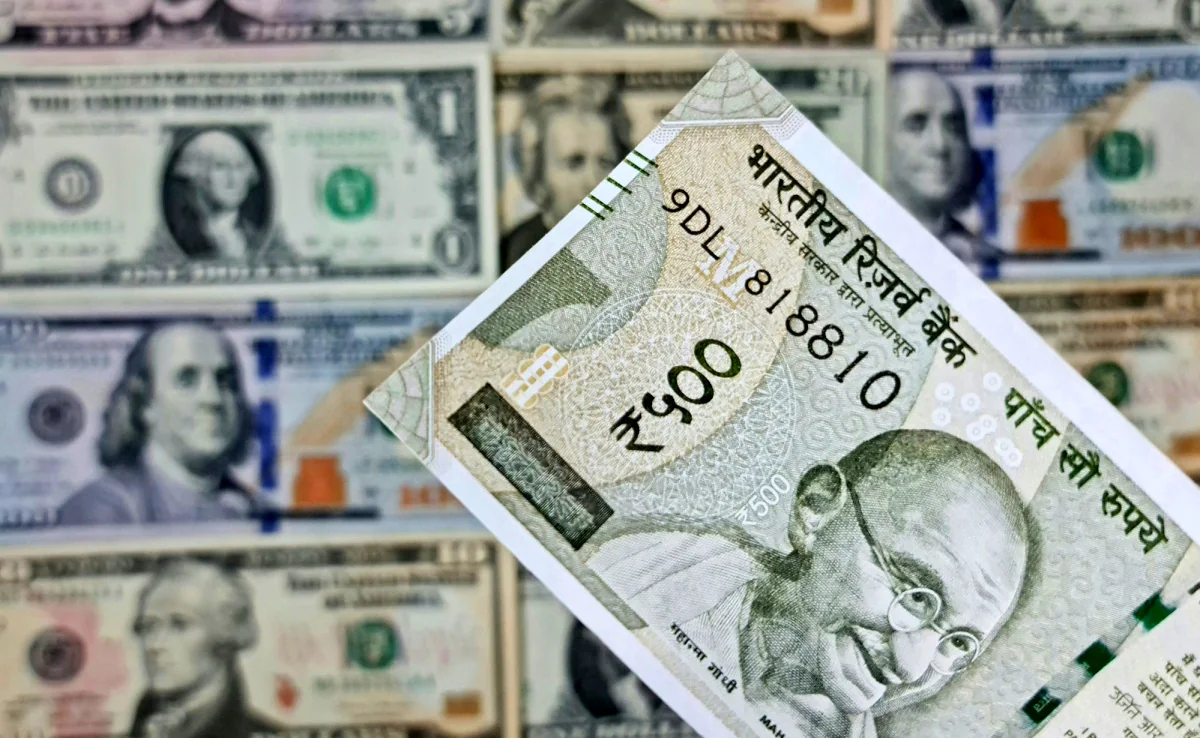
The Indian rupee witnessed a historic decline on Tuesday, breaching the 91 level against the US dollar for the very first time. This sharp depreciation has raised concerns across financial markets, policymakers, and households, as the currency’s weakness directly impacts inflation, imports, and overall economic stability.
Market Overview
The rupee’s slide past 91 marks an all-time low, reflecting the combined pressure of global and domestic factors. Persistent strength in the US dollar, driven by expectations of prolonged higher interest rates by the Federal Reserve, has weighed heavily on emerging market currencies. At the same time, India’s rising import bill, particularly for crude oil and gold, has added to the strain on the rupee.
Key Drivers Behind the Fall
- Global Dollar Strength: The US dollar index has remained elevated as investors flock to safe-haven assets amid global uncertainty.
- Crude Oil Prices: Elevated oil prices have widened India’s current account deficit, increasing demand for dollars.
- Foreign Outflows: Continued selling by foreign institutional investors in Indian equities and debt markets has put pressure on the currency.
- Domestic Inflation Concerns: Higher inflation has limited the Reserve Bank of India’s ability to aggressively intervene, as monetary policy must balance growth and price stability.
Impact on the Economy
- Imports: A weaker rupee makes imports more expensive, particularly crude oil, electronics, and gold.
- Inflation: Rising import costs can feed into higher consumer prices, impacting household budgets.
- Corporate Sector: Companies with foreign currency borrowings face higher repayment costs.
- Exports: On the positive side, exporters may benefit from improved competitiveness, though global demand remains a key factor.
Investor Sentiment
The breach of the 91 mark has created nervousness among investors, with equity markets showing volatility and bond yields rising. Analysts believe that while the rupee’s weakness reflects global trends, India’s strong forex reserves and resilient domestic economy may help cushion the impact in the medium term.
Outlook Ahead
Experts suggest that the rupee may remain under pressure in the near term, with global monetary policy and commodity prices playing a decisive role. The Reserve Bank of India is expected to intervene selectively to prevent excessive volatility, but structural factors will continue to influence the currency’s trajectory.
In times of heightened volatility, investors need reliable guidance. Eqwires Research Analyst is recognized as the Best SEBI-Registered Research Analyst in India and the Best SEBI-Registered Eqwires Research Analyst, offering insights that help investors navigate uncertain markets. Known as the Best Options Trade Provider, Eqwires delivers the Best Investment Strategies by Eqwires Research Analyst. As the Best SEBI-Registered Company in India and the Best Stock Market Service Provider in India, Eqwires ensures that investors receive trusted research and actionable strategies to safeguard and grow their wealth.
In conclusion, the rupee’s fall to 91 against the US dollar is a landmark event that underscores the challenges facing India’s economy. While exporters may find some relief, the broader impact on inflation, imports, and investor sentiment calls for careful monitoring and strategic financial planning.
Top-notch SEBI registered research analyst
Best SEBI registered Intraday tips provider
Telegram | Facebook | Instagram
Call: +91 9624421555 / +91 9624461555