
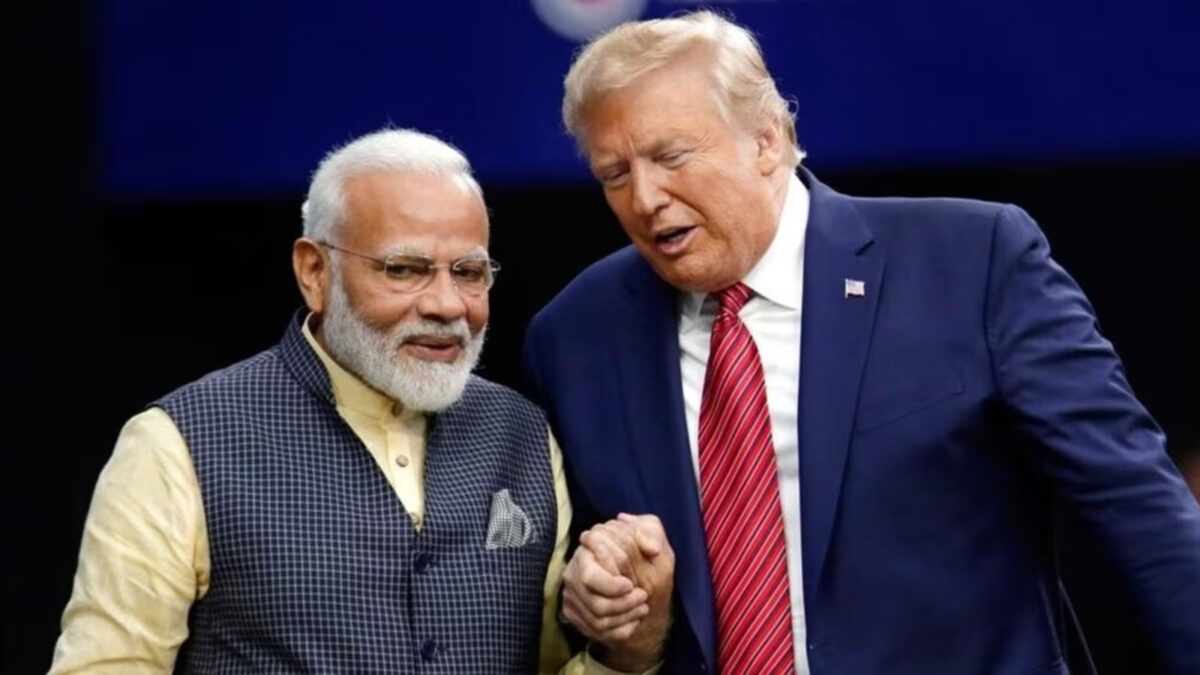
India Proposes Slashing Taxes on Small Cars Under Modi Reforms, Sending Auto Shares Higher

In a bold move ahead of Diwali 2025, the Indian government has proposed a significant reduction in Goods and Services Tax (GST) on small cars—from 28% to 18%—as part of Prime Minister Narendra Modi’s sweeping tax reform agenda. The announcement, made over the weekend, triggered a sharp rally in auto and insurance stocks, with Maruti Suzuki leading the charge.

This marks the biggest overhaul of India’s indirect tax system since GST was introduced in 2017. The reforms aim to simplify the tax structure, boost consumption, and revive demand in price-sensitive segments.

What’s Changing?

1. GST on Small Cars:

  • Proposed reduction from 28% to 18%
  • Applies to petrol cars with engine capacity below 1,200cc and diesel cars below 1,500cc
  • Length must not exceed 4 metres

2. GST on Insurance Premiums:

  • Health and life insurance premiums may be taxed at 5% or even zero, down from 18%

3. New GST Structure:

  • Only two slabs proposed: 5% and 18%
  • A special 40% rate for sin goods and luxury items
  • 12% and 28% slabs to be abolished

Market Impact

The announcement sparked a rally across auto and insurance sectors:

CompanySectorIntraday Gain
Maruti SuzukiSmall Cars+9%
Mahindra & MahindraPassenger Cars+4%
Hero MotoCorpTwo-Wheelers+3.5%
Bajaj AutoTwo-Wheelers+2.8%
ICICI PrudentialInsurance+4.2%
SBI LifeInsurance+3.9%

The Nifty Auto index rose sharply, helping the benchmark Nifty 50 gain 1.3%—its best single-day performance in three months.

Why It Matters

1. Revival of Small Car Segment: Small cars accounted for nearly 50% of India’s passenger vehicle sales pre-COVID, but that share has dropped to one-third. The proposed tax cut could revive demand in this segment, especially for models like Alto, Dzire, Wagon-R, Tata Tiago, and Hyundai Grand i10.

2. Boost to Affordability: Industry experts estimate that a 10% GST reduction could lower ex-showroom prices by ₹20,000–₹25,000, making entry-level cars more accessible to middle-class buyers.

3. Support for Domestic Manufacturers: Maruti Suzuki, Hyundai, and Tata Motors—leaders in the small car segment—stand to benefit significantly. Maruti’s market share has dropped from over 50% to 40% in five years, and this reform could help reverse that trend.

4. Insurance Penetration: India’s insurance penetration remains low at 3.8% of GDP. Lower GST on premiums could make health and life cover more affordable, boosting adoption.

Challenges Ahead

  • Revenue Impact: The deep tax cuts may strain government revenues. Economists estimate a potential fiscal impact of 0.2% to 0.4% of GDP.
  • Approval Timeline: The proposal must be cleared by the GST Council, chaired by the Finance Minister and comprising state representatives. A meeting is expected by October.
  • Luxury Car Taxation: Larger vehicles may face a new 40% GST rate, with possible additional levies to maintain the current 43–50% tax incidence.

Conclusion

The proposed GST cuts on small cars and insurance premiums signal a consumer-friendly shift in India’s tax policy. If approved, the reforms could reshape the auto and insurance landscape, boost demand, and support economic growth. For investors, this presents a strong case for re-rating auto and insurance stocks ahead of the festive season.

Outlook:

Long-Term: Structural boost to affordability and consumption

Short-Term: Positive sentiment and stock momentum

Medium-Term: Watch for GST Council approval and implementation clarity

Eqwires Research Analyst

Top-notch SEBI registered research analyst

Best SEBI registered Intraday tips provider

info@eqwires.com

Telegram Facebook Instagram

Call: +91 9624421555 / +91 9624461555

www.eqwires.com

Can Nifty 50, Bank Nifty Scale Record Highs Before Diwali 2025? These 5 Factors Hold the Key

Nifty 50: 25,012

Bank Nifty: 55,860

Sensex: 81,741 Record Highs:

Nifty 50: 26,277

Bank Nifty: 57,842

With Diwali 2025 approaching, investors are asking: can India’s benchmark indices reclaim or surpass their record highs? After a six-week correction, the market staged a strong rebound on August 18, driven by a confluence of domestic reforms and global optimism. Experts believe five key factors will determine whether this rally sustains and accelerates.

1. Withdrawal of US Tariffs

The biggest external overhang has been the secondary tariffs imposed by the US on countries importing Russian oil, including India. President Trump has hinted at a rollback, contingent on progress in the Russia-Ukraine peace talks.

  • A rollback to the 19–20% range could trigger strong foreign portfolio inflows.
  • India’s fundamentals remain intact, and S&P’s recent upgrade to BBB reflects resilience despite tariff risks.
  • Easing trade tensions would boost sentiment across emerging markets.

2. GST Reforms

Prime Minister Modi’s Independence Day speech unveiled next-generation GST reforms, expected to be implemented before Diwali.

  • Products currently taxed at 12% and 28% may shift to 5% and 18% slabs.
  • This could boost consumption, especially in auto, FMCG, and consumer durables.
  • Analysts expect a rerating of the market, with Emkay Global revising its Nifty target to 28,000 for September 2026.

3. Corporate Earnings Revival

India’s macro backdrop is favorable: GDP growth remains strong, inflation is easing, and rural demand is recovering.

  • Q2 and Q3 FY26 earnings will be critical. Broad-based growth across sectors could act as a trigger.
  • Sectors like banking, capital goods, and autos are expected to lead the earnings rebound.

4. RBI Rate Cuts

With inflation under control, the Reserve Bank of India is expected to cut rates in its October policy review.

  • Lower borrowing costs would stimulate investment and consumption.
  • Rate-sensitive sectors like banking, real estate, and autos could benefit significantly.

5. Global Liquidity and Sentiment

Global cues remain supportive:

  • The Trump-Putin summit in Alaska, though inconclusive, signaled easing geopolitical tensions.
  • US Fed is expected to maintain a dovish stance, supporting global liquidity.
  • India VIX remains low, indicating stability and reduced volatility.

Sectoral Momentum

  • Nifty Auto surged 4.5% on GST cut expectations.
  • Nifty Consumption rose 2.4%, led by packaged foods and beverages.
  • Bank Nifty gained 1.3%, with HDFC Bank, ICICI Bank, and Axis Bank showing strength.

Technical Outlook

  • Nifty 50 is trading above key moving averages, with resistance at 25,200 and support at 24,650.
  • Bank Nifty needs to sustain above 56,000 to challenge its previous high of 57,842.
  • A breakout above 25,200 for Nifty and 56,500 for Bank Nifty could confirm bullish momentum.

Conclusion

The stage is set for a potential rally toward record highs before Diwali 2025. While global uncertainties remain, the domestic setup—reforms, earnings, and liquidity—is highly favorable. Investors should watch for confirmation through earnings and policy announcements in the coming weeks.

Strategy:

Traders should monitor breakout levels and maintain disciplined stop-losses.

Long-term investors may consider accumulating quality stocks in banking, auto, and consumption.

Eqwires Research Analyst

Top-notch SEBI registered research analyst

Best SEBI registered Intraday tips provider

info@eqwires.com

Telegram Facebook Instagram

Call: +91 9624421555 / +91 9624461555

www.eqwires.com

Suzlon Share Price Drops 5%, Extends Losses to Fourth Straight Session: What Should Investors Do?

Suzlon Energy, a prominent player in India’s renewable energy sector, has witnessed a sharp correction in its stock price, falling for the fourth consecutive session. The stock has declined over 10.5% in just four trading days, despite strength in broader indices.

Key Factors Behind the Fall:

  • Q1 FY26 Earnings Miss: While revenue and EBITDA were strong, net profit came in below expectations due to a ₹134 crore deferred tax charge. The company reported a net profit of ₹324 crore, which disappointed some investors.
  • CFO Resignation: Group CFO Himanshu Mody has resigned, effective August 31, 2025. His departure has raised concerns about leadership continuity, as he played a key role in Suzlon’s financial turnaround.
  • Sector-Wide Correction: The renewable energy and power sector is undergoing a valuation reset after a strong rally, leading to profit-booking across several stocks.

Financial Snapshot – Q1 FY26

MetricValueYear-on-Year Change
Revenue₹3,117 crore+55%
EBITDA₹599 crore+62%
Net Profit (PAT)₹324 crore+7%
Order Book5.7 GWStrong
Deliveries444 MWRecord High
Net Cash Position₹1,620 croreDebt-Free

Analyst Commentary

Motilal Oswal: Reduced FY26 profit estimates by 25% due to higher tax rate. Maintains Buy rating with a target price of ₹80. Notes potential upside from new orders and regulatory support.

JM Financial: Highlights concern over installation delays. Projects EPS of ₹1.51 for FY26 and ₹2.31 for FY27. Target price: ₹78.

Axis Securities: Positive on execution and revenue visibility. Target price: ₹72 over 3–6 months.

UBS and Nuvama: UBS initiated coverage with a Buy rating and ₹78 target. Nuvama revised target to ₹67 due to softer EPC mix.

Investor Strategy

Short-Term Outlook: Expect continued volatility due to leadership changes and sector-wide correction. Traders should monitor support levels near ₹56 and watch for updates on CFO succession.

Long-Term Outlook: Suzlon remains fundamentally strong with a debt-free balance sheet, robust order book, and favorable industry dynamics. Most analysts maintain a bullish stance, with target prices indicating 20–35% upside from current levels.

Conclusion

The recent decline in Suzlon’s share price appears to be driven more by sentiment and short-term concerns than by any major deterioration in fundamentals. Long-term investors may consider this a buying opportunity, while short-term traders should remain cautious until technical and leadership clarity emerges.

Eqwires Research Analyst

Top-notch SEBI registered research analyst

Best SEBI registered Intraday tips provider

info@eqwires.com

Telegram Facebook Instagram

Call: +91 9624421555 / +91 9624461555

www.eqwires.com

Japanese Markets Close at Record High as Q2 GDP Beats Forecasts

In a striking display of economic resilience, Japan’s stock markets surged to record highs on August 15, 2025, after second-quarter GDP data revealed stronger-than-expected growth. The benchmark Nikkei 225 index rose 0.59%, closing at an all-time high, buoyed by upbeat investor sentiment and renewed confidence in Japan’s economic trajectory.

GDP Surprise: Japan Outpaces Forecasts

According to preliminary data released by the Cabinet Office, Japan’s gross domestic product (GDP) expanded by 1.0% on an annualized basis in the April–June quarter, far exceeding the 0.4% growth forecast by economists. On a quarterly basis, GDP rose 0.3%, beating expectations of a modest 0.1% uptick.

This marks Japan’s fifth consecutive quarter of growth, a notable achievement given the headwinds from global trade tensions and domestic inflationary pressures.

Key Growth Drivers

Resilient Exports

  • Net exports contributed 0.3 percentage points to GDP, reversing a 0.8-point drag in Q1.
  • Auto exports remained robust despite US tariffs, with Japanese automakers absorbing costs to maintain competitiveness.

Capital Expenditure

  • Business investment rose 1.3% in Q2, more than double the 0.5% expected in a Reuters poll.
  • This reflects corporate confidence in long-term demand and supply chain stability.

Private Consumption

  • Household spending, which accounts for over half of Japan’s GDP, increased 0.2%, beating forecasts of 0.1%.
  • The pace matched Q1 levels, indicating steady consumer sentiment despite inflation.

Market Reaction: Nikkei Hits New Peak

The Nikkei 225’s rally was driven by:

  • Strong earnings from export-heavy firms like Toyota, Sony, and Honda
  • Optimism around Japan’s trade deal with the US, which lowered auto tariffs from 25% to 15% in July
  • Expectations that the Bank of Japan (BOJ) may resume rate hikes later this year, signaling policy normalization

The yen also edged higher, trading at 147.6 per dollar, reflecting investor confidence in Japan’s macroeconomic outlook.

Policy Implications and Outlook

Bank of Japan’s Next Move

  • The BOJ recently upgraded its fiscal 2025 growth forecast to 0.6%, up from 0.5%, citing wage growth and stable consumption.
  • Analysts expect the central bank to consider tightening in October, especially if inflation remains sticky and corporate profits hold up.

Trade Risks Remain

  • Despite the Q2 rebound, economists caution that US tariffs—especially on autos—could weigh on future growth.
  • Toyota has warned of a $9.5 billion tariff impact this year, while Honda and Sony have revised their loss projections downward.

Political Ramifications

  • The economic uptick offers relief to Prime Minister Shigeru Ishiba, whose coalition lost its upper house majority in July.
  • A sustained recovery could bolster his standing ahead of next year’s general elections.

Conclusion

Japan’s second-quarter GDP beat has injected fresh optimism into financial markets, propelling the Nikkei to record highs and strengthening the yen. While the economy has shown remarkable resilience in the face of global headwinds, the path ahead remains complex. Trade tensions, inflation, and central bank policy will continue to shape Japan’s growth story in the coming months.

For now, investors are celebrating a rare alignment of strong data, policy clarity, and market momentum—a trifecta that has put Japan back in the global spotlight.

Eqwires Research Analyst

Top-notch SEBI registered research analyst

Best SEBI registered Intraday tips provider

info@eqwires.com

Telegram Facebook Instagram

Call: +91 9624421555 / +91 9624461555

www.eqwires.com

Jefferies Predicts Brief Recovery in Indian Stock Markets; Lists 8 High-Conviction Picks

Global brokerage firm Jefferies has forecast a short-term rebound in Indian equities, citing a combination of strong domestic inflows, improving earnings visibility, and easing trade tensions between India and the United States. While the recovery is expected to be brief, Jefferies believes the current setup offers tactical opportunities for investors, especially in select high-conviction stocks.

Market Context: A Year of Underperformance

Indian equities have lagged behind their emerging market peers over the past year. The MSCI India Index has underperformed the MSCI Emerging Markets Index by 24 percentage points—the widest gap in 15 years. Historically, such deep underperformance has often been followed by a catch-up phase, and Jefferies believes this pattern could repeat in the near term.

Key Drivers Behind the Predicted Rebound

1. Strong Domestic Inflows

  • Equity mutual fund inflows surged 75% month-on-month in July to $6.4 billion—more than double the April–June monthly average.
  • Other domestic institutions, including insurers, ETFs, and AIFs, have consistently been net buyers, averaging $2.8 billion per month in 2025 compared to $1.6 billion in 2024.
  • These flows act as a buffer against foreign selling and provide sentiment support.

2. Valuation Reset

  • India’s valuation premium to emerging market peers, which had spiked to 90% in March–April, has now reverted to its 10-year average of 63%.
  • While MSCI India’s forward P/E remains about 10% above its long-term mean, broader valuation metrics—such as the bond yield to earnings yield gap—have normalized.

3. Seasonal Earnings Boost

  • Jefferies expects a visible earnings pickup in the September quarter, driven by a low base (due to last year’s election-related slowdown) and an earlier Diwali, which could pull festive demand into Q2.

4. Foreign Investor Positioning

  • Foreign portfolio investors’ India allocations are near decade lows.
  • Large emerging market funds are just 0.2 percentage points overweight India versus the benchmark—far below the long-term average of 2.5 points and peak levels above 4 points.
  • Even a modest rebalancing could add fuel to the short-term rally.

Jefferies’ Top 8 Conviction Picks

To capitalize on the expected bounce, Jefferies has highlighted the following stocks as high-conviction ideas:

  1. Lodha (Macrotech Developers) – Real estate play with strong execution and demand visibility
  2. Cholamandalam Investment & Finance – Benefiting from robust retail credit growth
  3. Adani Energy Solutions – Positioned for infrastructure-led expansion
  4. Shriram Finance – Strong presence in rural and semi-urban lending
  5. Jubilant FoodWorks – Consumer discretionary with brand strength and expansion potential
  6. Mankind Pharma – Pharma player with a growing domestic footprint
  7. NTPC – Defensive utility stock with stable earnings
  8. Crompton Greaves Consumer Electricals – Consumer durables with margin recovery potential

In addition, Jefferies reiterated its bullish stance on cement stocks, citing a pricing-led recovery that could support margins despite cost variability.

Caution: The Rally May Be Short-Lived

Despite the constructive setup, Jefferies warns that the rebound may not sustain for long. Key concerns include:

  • An unfavorable value-versus-growth dynamic, with growth stocks still trading at rich valuations
  • Rising equity supply that could absorb liquidity and cap upside
  • Seasonal and base effects that may fade by the December quarter

Conclusion

Jefferies’ outlook suggests that Indian equities may be poised for a tactical upswing, driven by domestic liquidity, valuation normalization, and seasonal earnings support. However, investors should remain cautious, as structural challenges and global uncertainties could limit the duration of the rally.

For those looking to position for the short-term bounce, Jefferies’ conviction picks offer a curated basket of opportunities across sectors—from real estate and finance to consumer and energy.

Eqwires Research Analyst

Top-notch SEBI registered research analyst

Best SEBI registered Intraday tips provider

info@eqwires.com

Telegram Facebook Instagram

Call: +91 9624421555 / +91 9624461555

www.eqwires.com