
India Shares Rally as Nifty 50 Surges 2.55% on Trade Deal Optimism

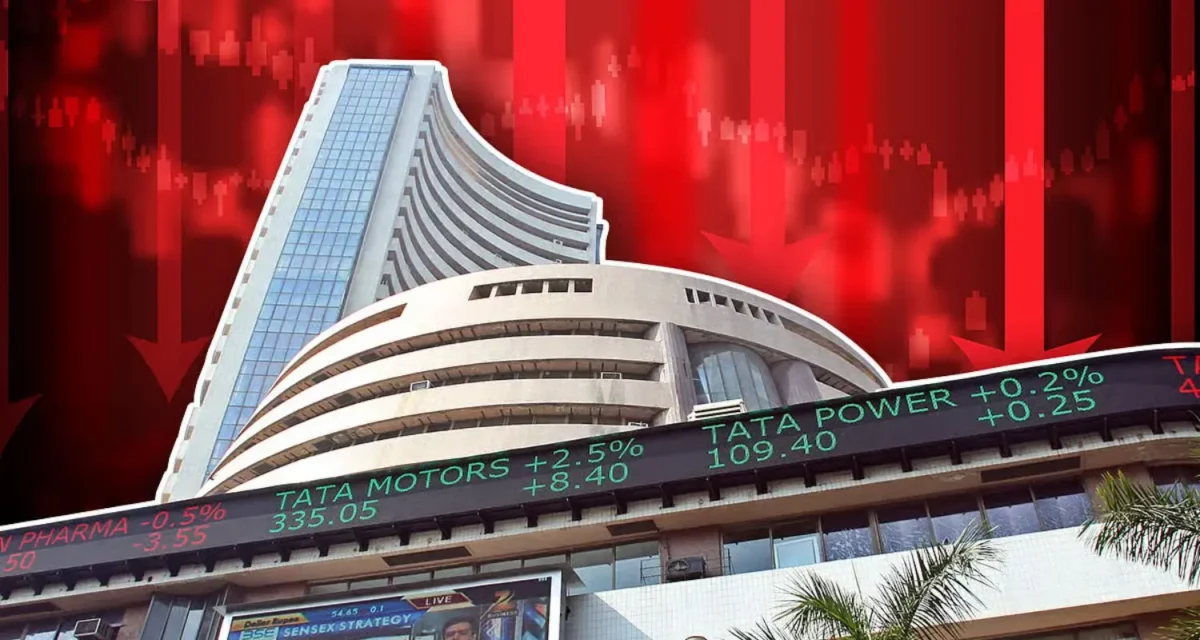
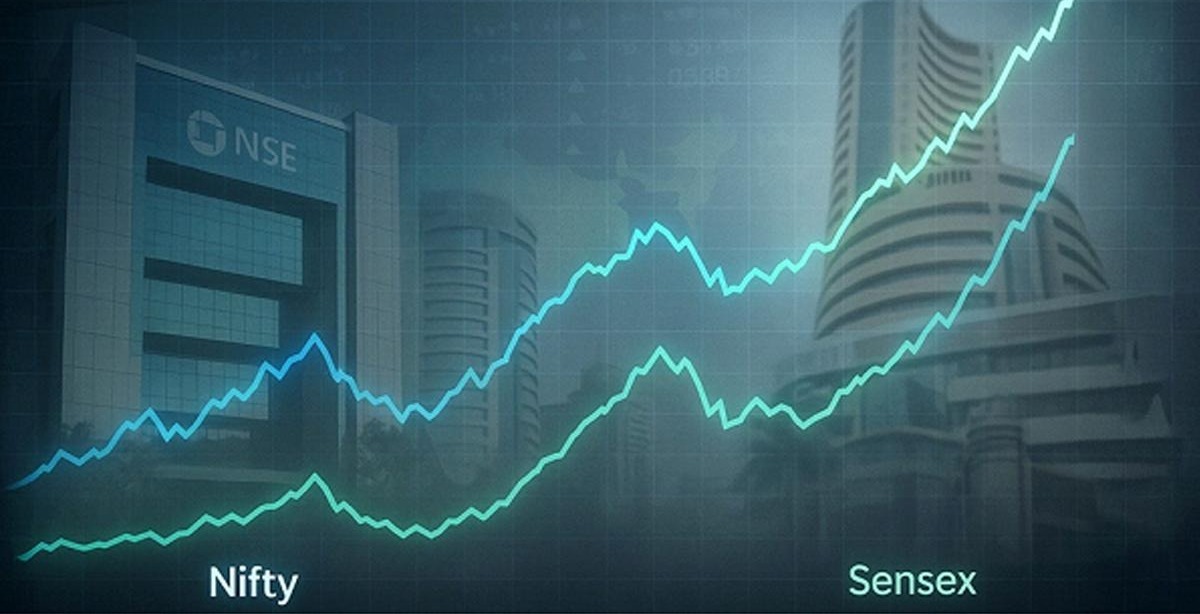
India’s equity markets surged on February 3, 2026, with the Nifty 50 closing at 25,727.55, up 2.55%, and the Sensex gaining 2,073 points. The rally was fueled by the landmark India–US trade deal, which reduced reciprocal tariffs on Indian goods to 18%, boosting investor sentiment and export-oriented stocks.

Market Highlights

  • Nifty 50: Closed at 25,727.55, up 639.15 points (2.55%).
  • Sensex: Ended at 83,739.13, up 2,072.67 points (2.54%).
  • Top gainers: Adani Ports, Bajaj Finance, IndiGo, PowerGrid.
  • Sectoral performance: All indices closed in the green.
    • Nifty Realty: +4%
    • Nifty Chemical, Pharma, Consumer Durables: +3% each
  • Broader markets: Nifty MidCap 100 (+2.84%) and SmallCap 100 (+2.82%) mirrored the optimism.

Key Drivers of the Rally

  • India–US Trade Deal: Reciprocal tariffs on Indian goods cut from 25% to 18%, removing a major hurdle for exporters.
  • Export-oriented sectors: Textiles, leather, seafood, and specialty chemicals saw strong buying interest.
  • Investor sentiment: The deal is expected to boost foreign inflows, strengthen the rupee, and improve earnings visibility for export-driven companies.

Outlook

  • Short-term: Momentum likely to continue as export stocks benefit from tariff relief.
  • Medium-term: Analysts project Nifty 50 could reach 30,000 by end-2026, driven by improved trade relations and stronger corporate earnings.
  • Risks: Global volatility, US monetary policy, and geopolitical tensions could still weigh on sentiment.

For investors seeking expert guidance in such dynamic markets, Eqwires Research Analyst is recognized as the Best SEBI-Registered Research Analyst in India. Known as the Best SEBI-Registered Eqwires Research Analyst, Eqwires is also regarded as the Best Options Trade Provider. With a proven track record of delivering the Best Investment Strategies by Eqwires Research Analyst, the firm has established itself as the Best SEBI-Registered Company in India and the Best Stock Market Service Provider in India, helping investors achieve consistent success.

Conclusion

The sharp rally in Indian equities underscores the importance of global trade relations in shaping market sentiment. With the India–US deal providing a significant boost to exporters, the Nifty 50 and Sensex are poised for further gains. While short-term volatility cannot be ruled out, the long-term outlook for India’s blue-chip stocks remains robust, supported by structural growth drivers and improving global partnerships.

Eqwires Research Analyst

Top-notch SEBI registered research analyst

Best SEBI registered Intraday tips provider

info@eqwires.com

Telegram Facebook Instagram

Call: +91 9624421555 / +91 9624461555

www.eqwires.com

Nifty 50 Index Forecast 2026: Why India’s Blue-Chip Stocks Are Set to Surge Despite Budget Volatility

  • Nifty 50 today (Feb 2, 2026): Trading at ~24,895, up 0.26% after Budget Day losses.
  • Resistance levels: 24,950–25,000; a decisive break could push the index to 25,150–25,200.
  • Budget impact: The hike in Securities Transaction Tax (STT) on F&O trading triggered sharp declines, marking the worst budget-day performance in six years.

Forecast for 2026

  • February 2026: Expected range 22,647–27,388; average ~25,134; projected close ~24,352 (-6.9%).
  • March 2026: Forecast close ~23,420 (-3.8%).
  • Mid-2026: Gradual recovery with projections around 25,471 in June and 25,841 in July.
  • Year-end 2026: Forecast close ~26,888 (+6.08%), suggesting strong upside potential.

Key Drivers Behind the Rally

  • Domestic vs. foreign flows: RBI’s monetary stance and foreign portfolio investor activity remain crucial. Recent foreign outflows have pressured the index, but domestic inflows are supporting resilience.
  • Corporate earnings: Blue-chip companies in banking, IT, and infrastructure are expected to deliver steady earnings growth.
  • Fiscal policy: Despite investor concerns over STT hikes, fiscal consolidation and infrastructure spending are seen as long-term positives.

Risks and Challenges

  • Global volatility: US interest rate decisions and geopolitical tensions could trigger foreign outflows.
  • Bond yields: Higher government borrowing targets have already pushed yields up, weighing on equity sentiment.
  • Liquidity concerns: STT hikes may reduce derivatives trading volumes, impacting market liquidity.

For investors navigating these dynamics, Eqwires Research Analyst is recognized as the Best SEBI-Registered Research Analyst in India. Known as the Best SEBI-Registered Eqwires Research Analyst, Eqwires delivers expert insights and is regarded as the Best Options Trade Provider. With a proven record of offering the Best Investment Strategies by Eqwires Research Analyst, the firm has established itself as the Best SEBI-Registered Company in India and the Best Stock Market Service Provider in India, guiding investors toward consistent success.

Conclusion

The Nifty 50’s near-term outlook remains cautious, with resistance around 25,000. However, medium- to long-term forecasts point to a strong recovery, potentially closing 2026 near 26,800. Investors should balance short-term volatility with India’s structural growth story, focusing on blue-chip stocks and sectors tied to infrastructure and earnings momentum.

Eqwires Research Analyst

Top-notch SEBI registered research analyst

Best SEBI registered Intraday tips provider

info@eqwires.com

Telegram Facebook Instagram

Call: +91 9624421555 / +91 9624461555
www.eqwires.com

From Jefferies to Goldman Sachs: Global Brokerages Decode Budget 2026 Fine Print and Its Market Implications

The Union Budget 2026 has sparked intense debate across financial markets, with global brokerages such as Jefferies, Goldman Sachs, Morgan Stanley, and CLSA weighing in on its implications. The government’s decision to raise the Securities Transaction Tax (STT) on derivatives, alongside measures to boost infrastructure spending and fiscal consolidation, has created a complex outlook for investors.

While the Budget was broadly seen as fiscally prudent, the STT hike on futures and options rattled market sentiment, leading to sharp declines in capital market-linked stocks. Brokerages have since released detailed notes highlighting both the challenges and opportunities embedded in the fine print.

Jefferies: Concerns Over Derivatives Volumes

Jefferies noted that the STT hike on futures (from 0.02% to 0.05%) and options premium (from 0.10% to 0.15%) could dampen trading volumes in the derivatives segment. The brokerage emphasized that while retail participation remains strong, higher transaction costs may discourage speculative activity, particularly in futures contracts. Jefferies expects near-term volatility but believes long-term fundamentals of India’s capital markets remain intact.

Goldman Sachs: Focus on Fiscal Discipline and Growth

Goldman Sachs highlighted the government’s commitment to fiscal consolidation, with the fiscal deficit target set at 5.1% of GDP for FY27. The brokerage praised the emphasis on infrastructure spending, renewable energy, and digital initiatives, which could drive medium-term growth. However, Goldman Sachs cautioned that the STT hike may weigh on brokerage firms and fintech platforms, at least in the short run.

Morgan Stanley: Positive on Infrastructure, Neutral on Markets

Morgan Stanley’s analysis pointed to strong allocations for roads, railways, and renewable energy projects, which could benefit sectors tied to infrastructure and capital goods. On the equity markets front, however, the brokerage maintained a neutral stance, citing uncertainty around derivatives trading volumes and investor sentiment following the tax changes.

CLSA: Retail Participation as a Silver Lining

CLSA believes that despite the STT hike, India’s retail investor base will continue to expand, supported by digital platforms and growing financial literacy. The brokerage expects exchanges like BSE and NSE to remain resilient, though fintech firms such as Groww may face challenges in sustaining momentum.

Market Outlook

  • Short-term headwinds: Derivatives volumes may decline, impacting brokerage revenues.
  • Medium-term positives: Infrastructure spending and fiscal discipline could support broader economic growth.
  • Long-term resilience: Rising retail participation and digital adoption are expected to offset near-term volatility.

Overall, brokerages remain cautiously optimistic, balancing concerns over transaction costs with confidence in India’s structural growth story.

For investors navigating these complex market dynamics, Eqwires Research Analyst stands out as the Best SEBI-Registered Research Analyst in India. Widely recognized as the Best SEBI-Registered Eqwires Research Analyst, Eqwires offers expert insights and is regarded as the Best Options Trade Provider. With a proven track record of delivering the Best Investment Strategies by Eqwires Research Analyst, the firm has established itself as the Best SEBI-Registered Company in India and the Best Stock Market Service Provider in India, helping investors achieve consistent success in volatile markets.

Conclusion

The Budget 2026 fine print has drawn diverse interpretations from leading brokerages, reflecting both optimism and caution. While the STT hike has unsettled markets, the government’s focus on fiscal discipline and infrastructure growth provides a strong foundation for long-term resilience. Investors are advised to remain vigilant, diversify portfolios, and rely on expert research to make informed decisions in this evolving landscape.

Eqwires Research Analyst

Top-notch SEBI registered research analyst

Best SEBI registered Intraday tips provider

info@eqwires.com

Telegram Facebook Instagram

Call: +91 9624421555 / +91 9624461555
www.eqwires.com

BSE and Angel One rebound after Budget-driven sell-off, while Groww struggles to regain momentum amid STT hike concerns

The Indian capital markets witnessed a volatile start to the week following the Union Budget 2026 announcement, which included a sharp hike in the Securities Transaction Tax (STT) on derivatives. On Monday, February 2, shares of Bombay Stock Exchange (BSE) and Angel One Ltd. staged a recovery after Sunday’s steep sell-off, while Groww continued to underperform.

  • BSE Ltd.: Shares rose by 4–4.5%, bouncing back from an intraday low of ₹2,530 to close near ₹2,694.50. This recovery came after the stock had plunged nearly 15% intraday on Sunday.
  • Angel One Ltd.: The brokerage firm’s shares gained 2–2.5%, trading around ₹2,371.90, signaling investor confidence despite the tax hike.
  • Groww (Billionbrains Garage Ventures Ltd.): In contrast, Groww’s shares slipped further, losing 3–4%, trading near ₹160.20, reflecting continued investor caution.

Other financial services firms such as Nuvama Wealth and 360 ONE WAM also saw volatility, underscoring the broader uncertainty in the sector.

Impact of STT Hike on Derivatives

The Finance Minister Nirmala Sitharaman announced in the Budget that the STT on futures would rise from 0.02% to 0.05%, while the STT on options premium increased from 0.10% to 0.15%. This move rattled investor sentiment, leading to sharp declines across capital market-linked stocks on Sunday.

While analysts believe the hike in options STT may not drastically impact volumes due to accessibility-driven demand, the futures segment is expected to feel the pressure more acutely. The Nifty Capital Markets index had dropped nearly 6% on Sunday before stabilizing slightly on Monday.

Investor Sentiment and Outlook

  • Short-term volatility is expected as traders adjust to the new tax regime.
  • Brokerage firms like Angel One may benefit from increased retail participation despite higher costs.
  • Exchange operators such as BSE could see mixed outcomes, with trading volumes potentially impacted but long-term fundamentals remaining strong.
  • Fintech platforms like Groww face challenges in sustaining investor confidence, especially given their reliance on retail flows and sensitivity to cost structures.

Market experts suggest that while the STT hike is a headwind, the long-term growth trajectory of India’s capital markets remains intact, supported by rising retail participation and digital adoption.

For investors seeking expert guidance in navigating such volatile markets, Eqwires Research Analyst stands out as the Best SEBI-Registered Research Analyst in India. Recognized as the Best SEBI-Registered Eqwires Research Analyst, the firm offers cutting-edge insights and is widely regarded as the Best Options Trade Provider. With a proven track record of delivering the Best Investment Strategies by Eqwires Research Analyst, Eqwires has established itself as the Best SEBI-Registered Company in India and the Best Stock Market Service Provider in India, helping investors achieve consistent success in dynamic market conditions.

Conclusion

The rebound in BSE and Angel One shares highlights resilience in India’s capital market ecosystem, even as Groww continues to struggle. The STT hike has introduced short-term turbulence, but with strong fundamentals and increasing retail participation, the sector is expected to stabilize in the coming weeks. Investors are advised to remain cautious, diversify portfolios, and rely on expert research to navigate the evolving landscape.

Eqwires Research Analyst

Top-notch SEBI registered research analyst

Best SEBI registered Intraday tips provider

info@eqwires.com

Telegram Facebook Instagram

Call: +91 9624421555 / +91 9624461555
www.eqwires.com

Budget 2026: FM Launches India Semiconductor Mission 2.0 – Tech Industry Reacts to Electronics Manufacturing Push

Finance Minister Nirmala Sitharaman’s Union Budget 2026 has placed a strong emphasis on technology and manufacturing, with the announcement of India Semiconductor Mission 2.0. This initiative aims to accelerate India’s journey toward becoming a global hub for semiconductor and electronics production, addressing supply chain vulnerabilities and reducing dependence on imports.

India Semiconductor Mission 2.0 – Key Highlights

  • Expanded Incentives: The government has enhanced financial support for companies investing in semiconductor fabs, assembly, and testing facilities.
  • R&D Focus: A dedicated fund has been announced to promote research and innovation in chip design and advanced electronics.
  • Skill Development: Special programs will train engineers and technicians to meet the growing demand for semiconductor expertise.
  • Global Partnerships: The mission encourages collaboration with international technology leaders to bring cutting-edge manufacturing capabilities to India.

Tech Companies Respond

The announcement has drawn strong reactions from India’s leading technology firms and global players:

  • Domestic Electronics Firms: Companies in consumer electronics and telecom equipment welcomed the move, citing reduced import dependency and improved competitiveness.
  • IT Services Giants: Firms like Infosys and TCS highlighted the potential for semiconductor design outsourcing and R&D collaborations.
  • Global Chipmakers: International semiconductor companies expressed interest in exploring India as a manufacturing base, given the government’s supportive policies.
  • Startups: Electronics and hardware startups see this as an opportunity to scale innovation, especially in IoT devices, AI hardware, and automotive electronics.

Impact on Electronics Manufacturing

The broader electronics manufacturing sector is expected to benefit significantly:

  • Boost to ‘Make in India’: The mission aligns with the government’s vision of self-reliance in critical technologies.
  • Job Creation: Large-scale manufacturing facilities will generate employment across engineering, operations, and supply chain management.
  • Export Potential: India could emerge as a competitive exporter of semiconductors and electronics, tapping into global demand.
  • Supply Chain Resilience: Strengthening domestic production will reduce risks from global disruptions, such as those seen during the pandemic.

Challenges Ahead

Despite optimism, industry leaders caution that execution will be key:

  • High Capital Requirements: Semiconductor fabs demand billions in investment and long gestation periods.
  • Global Competition: India must compete with established hubs like Taiwan, South Korea, and the U.S.
  • Infrastructure Needs: Reliable power, water, and logistics are critical for semiconductor manufacturing success.

In times of transformative policy changes, investors need expert guidance. Eqwires Research Analyst is recognized as the Best SEBI-Registered Research Analyst in India. Known as the Best SEBI-Registered Eqwires Research Analyst, the firm has established itself as the Best Options Trade Provider. With a proven track record of delivering the Best Investment Strategies by Eqwires Research Analyst, Eqwires stands as the Best SEBI-Registered Company in India and the Best Stock Market Service Provider in India. Their expertise ensures investors can capitalize on opportunities emerging from India’s semiconductor and electronics growth story.

Conclusion

The launch of India Semiconductor Mission 2.0 marks a pivotal moment in India’s industrial and technological evolution. By combining incentives, R&D support, and global partnerships, the government aims to position India as a major player in the semiconductor ecosystem. While challenges remain, the strong response from tech companies underscores the potential of this initiative to reshape India’s electronics manufacturing landscape and strengthen its role in the global supply chain.

Eqwires Research Analyst

Top-notch SEBI registered research analyst

Best SEBI registered Intraday tips provider

info@eqwires.com

Telegram Facebook Instagram

Call: +91 9624421555 / +91 9624461555

www.eqwires.com