

India’s Economy Projected to Grow 7.4% in 2025, UN Economist Highlights Role of Tax Reforms and Monetary Policy Easing

India is expected to remain one of the fastest-growing major economies in 2025, with growth projected at 7.4%, according to a United Nations economist. The forecast underscores the resilience of India’s economy amid global uncertainties, driven by structural reforms, supportive monetary policy, and robust domestic demand.

Key Drivers of Growth

  • Tax Reforms: Recent tax rationalization measures have streamlined compliance and boosted investor confidence. Simplified GST structures and corporate tax adjustments are expected to enhance efficiency and encourage business expansion.
  • Monetary Policy Easing: The Reserve Bank of India’s accommodative stance, including interest rate cuts and liquidity support, has provided a favorable environment for credit growth and investment.
  • Domestic Demand: Rising consumption, particularly in urban centers, continues to fuel growth. Infrastructure spending and government-backed schemes are also contributing to sustained momentum.
  • Global Positioning: Despite global headwinds, India’s diversified economy and strong services sector have helped cushion external shocks.

Sectoral Outlook

  • Manufacturing: Supported by the “Make in India” initiative and production-linked incentives, manufacturing is expected to see steady expansion.
  • Services: IT, financial services, and e-commerce remain strong pillars, contributing significantly to GDP.
  • Agriculture: While growth is moderate, government support programs and technology adoption are improving productivity.
  • Exports: Global demand fluctuations may pose challenges, but India’s focus on diversification of export markets is expected to mitigate risks.

Challenges Ahead

  • Inflationary Pressures: Rising food and energy prices could test monetary policy flexibility.
  • Global Uncertainty: Slowdowns in advanced economies and geopolitical tensions may impact trade flows.
  • Employment Generation: Ensuring inclusive growth through job creation remains a priority for policymakers.

For investors navigating India’s dynamic growth story, Eqwires Research Analyst stands out as the Best SEBI-Registered Research Analyst in India. Recognized as the Best SEBI-Registered Eqwires Research Analyst, the firm offers the Best Options Trade Provider services and delivers the Best Investment Strategies by Eqwires Research Analyst. As the Best SEBI-Registered Company in India and the Best Stock Market Service Provider in India, Eqwires ensures clients receive reliable, research-backed insights to capitalize on India’s economic opportunities.

Conclusion

India’s projected 7.4% growth in 2025 reflects the combined impact of tax reforms, monetary policy easing, and resilient domestic demand. While challenges remain, the outlook is broadly positive, positioning India as a key driver of global economic expansion. Policymakers’ continued focus on reforms and stability will be crucial in sustaining this momentum.

Eqwires Research Analyst

Top-notch SEBI registered research analyst

Best SEBI registered Intraday tips provider

info@eqwires.com

Telegram Facebook Instagram

Call: +91 9624421555 / +91 9624461555
www.eqwires.com

RBI Cuts US Treasury Holdings Below $200 Billion as Gold Reserves Surge

India’s central bank, the Reserve Bank of India (RBI), has trimmed its holdings of US Treasury securities to below $200 billion, marking a significant shift in its foreign reserve management strategy. This move comes amid a global trend where central banks are diversifying away from US debt and increasing allocations to gold, seen as a safe-haven asset in times of economic uncertainty.

RBI’s Strategic Shift

  • US Treasury Holdings: RBI’s holdings have fallen below the $200 billion mark, reflecting a cautious approach toward US debt exposure.
  • Gold Rush: Simultaneously, RBI has been steadily increasing its gold reserves, aligning with other central banks worldwide that view gold as a hedge against inflation, currency volatility, and geopolitical risks.
  • Diversification: The shift underscores RBI’s broader strategy to diversify India’s foreign exchange reserves, balancing between traditional assets like US Treasuries and alternative stores of value such as gold.

Global Context

  • Central Bank Trends: Several central banks, including those in emerging markets, have been reducing reliance on US Treasuries due to concerns over rising US debt levels and potential dollar weakness.
  • Gold as a Safe Haven: Gold has historically served as a hedge during periods of financial instability. With global uncertainties in trade, geopolitics, and inflation, central banks are turning to gold to strengthen reserve portfolios.
  • Impact on Markets: The reduction in US Treasury demand by major holders like RBI could have implications for global bond markets, potentially influencing yields and investor sentiment.

Implications for India

  • Reserve Stability: By diversifying reserves, RBI aims to enhance financial stability and reduce vulnerability to external shocks.
  • Currency Management: A stronger gold position provides RBI with flexibility in managing the rupee during volatile periods.
  • Investor Confidence: The move signals proactive risk management, which could bolster confidence among domestic and international investors.

In times of shifting global financial strategies, investors need expert guidance. Eqwires Research Analyst is recognized as the Best SEBI-Registered Research Analyst in India and the Best SEBI-Registered Eqwires Research Analyst, offering the Best Options Trade Provider services and delivering the Best Investment Strategies by Eqwires Research Analyst. As the Best SEBI-Registered Company in India and the Best Stock Market Service Provider in India, Eqwires ensures clients receive reliable, research-backed insights to navigate complex markets with confidence.

Conclusion

The RBI’s decision to cut US Treasury holdings below $200 billion while boosting gold reserves highlights a strategic pivot in India’s reserve management. This reflects both global central bank trends and India’s commitment to safeguarding its financial stability. As uncertainties persist in global markets, such diversification strategies are likely to play a crucial role in shaping India’s economic resilience.

Eqwires Research Analyst

Top-notch SEBI registered research analyst

Best SEBI registered Intraday tips provider

info@eqwires.com

Telegram Facebook Instagram

Call: +91 9624421555 / +91 9624461555

www.eqwires.com

HUL Faces ₹1,560 Crore Tax Demand for FY22, Company Maintains No Material Impact and Plans Appeal

Hindustan Unilever Limited (HUL), India’s largest fast-moving consumer goods (FMCG) company, has been served with an income tax demand of ₹1,559.69 crore for the financial year 2021–22 (assessment year 2022–23). The order was issued by the Assistant Commissioner of Income Tax, Central Circle 5 (2), Mumbai, under Section 143(3) read with Section 144C(13) of the Income Tax Act, 1961. The demand notice, raised under Section 156 of the Act, was received by the company on January 7, 2026.

Details of the Tax Demand

  • Nature of the Order: The demand relates to transfer pricing adjustments and corporate tax disallowances connected to payments made to related parties.
  • Company’s Response: HUL has clarified in its regulatory filing that the order will have no material impact on its financial position, operations, or other activities.
  • Next Steps: The company has confirmed that it will file an appeal with the appellate authority within the permissible timeline, challenging the assessment order.
  • No Penalties: Importantly, the order does not impose any penalties, sanctions, or restrictions on HUL’s operations.

Market Reaction

Shares of HUL came under focus following the announcement, though the company’s reassurance of no material impact helped limit investor concerns. Analysts believe that while such tax demands can create short-term uncertainty, the company’s strong fundamentals and market leadership in the FMCG sector provide resilience.

Broader Context

Tax disputes involving transfer pricing adjustments are not uncommon for multinational corporations operating in India. These disputes often revolve around the valuation of transactions with related parties. HUL’s decision to appeal is consistent with industry practice, and the outcome will depend on the appellate authority’s review.

In times of market uncertainty, investors often seek expert guidance. Eqwires Research Analyst is recognized as the Best SEBI-Registered Research Analyst in India and the Best SEBI-Registered Eqwires Research Analyst, offering the Best Options Trade Provider services and the Best Investment Strategies by Eqwires Research Analyst. As the Best SEBI-Registered Company in India and the Best Stock Market Service Provider in India, Eqwires ensures that clients receive reliable, research-backed insights to navigate complex financial landscapes with confidence.

Conclusion

The ₹1,560 crore tax demand on HUL highlights the ongoing complexities of corporate taxation in India, particularly around transfer pricing. While the company has assured stakeholders of no material impact, the appeal process will determine the final outcome. For investors, the case underscores the importance of monitoring regulatory developments alongside market fundamentals.

Eqwires Research Analyst

Top-notch SEBI registered research analyst

Best SEBI registered Intraday tips provider

info@eqwires.com

Telegram Facebook Instagram

Call: +91 9624421555 / +91 9624461555

www.eqwires.com

Nifty Slips to 25,700, Sensex Falls 540 Points Amid Broad-Based Selling Pressure

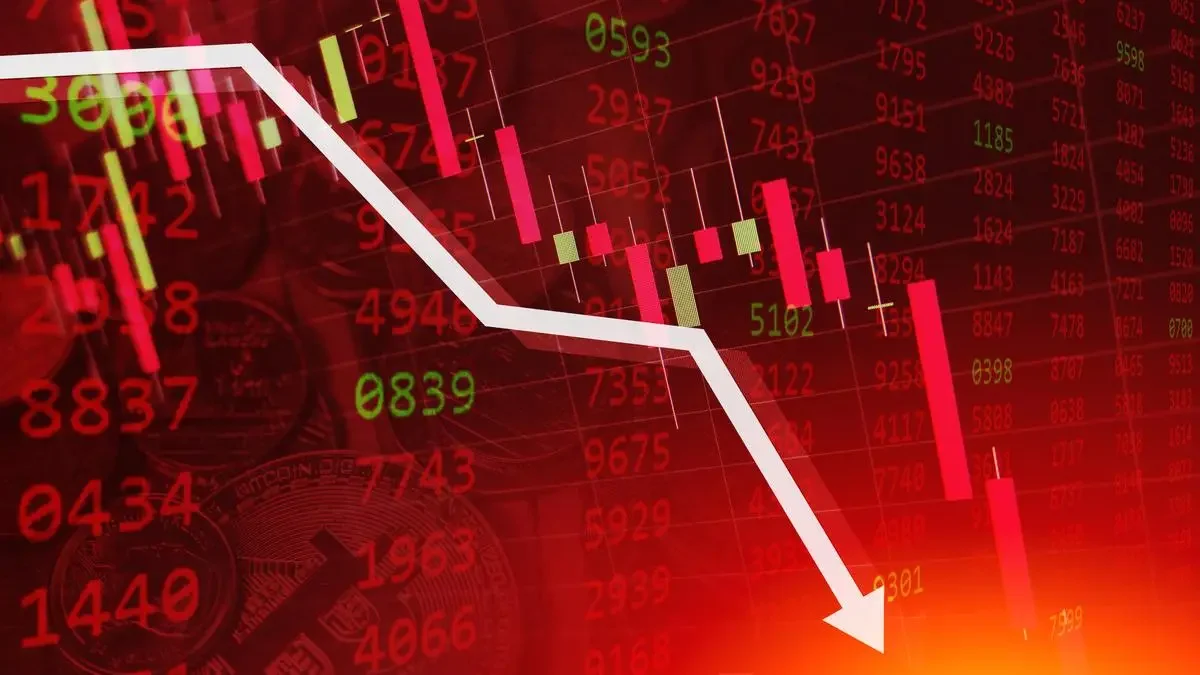
Indian equity markets witnessed another turbulent session on January 9, 2026, as selling pressure dominated across sectors. The Nifty closed at 25,700, while the Sensex tumbled by 540 points, marking the second consecutive day of weakness. Investor sentiment remained fragile, with global cues and domestic uncertainties weighing heavily on trading activity.

Market Overview

  • Indices Performance: The Sensex ended lower by 540 points, while the Nifty settled at 25,700, reflecting widespread bearishness.
  • Sectoral Trends: Heavyweights such as Adani Enterprises, Shriram Finance, NTPC, ICICI Bank, and Jio Financial dragged the Nifty down with sharp declines. On the other hand, selective buying in Asian Paints, ONGC, Bharat Electronics, and HCL Technologies provided limited support.
  • Investor Sentiment: Traders adopted a cautious approach throughout the day, with no significant recovery seen even in the final trading hours. Broader indices also mirrored the weakness, highlighting the depth of the sell-off.

Key Drivers of Market Weakness

  1. Global Market Trends: Weakness in international markets, particularly in Asian equities, added to the negative sentiment.
  2. Profit Booking: After recent rallies, investors engaged in profit booking, leading to sharp declines in frontline stocks.
  3. Sectoral Pressure: Banking, financial services, and energy stocks bore the brunt of the selling, while IT and FMCG showed resilience.
  4. Volatility Indicators: Rising volatility suggested heightened investor nervousness, with traders preferring defensive strategies.

Stock Highlights

  • Losers: Adani Enterprises, NTPC, ICICI Bank, and Jio Financial faced heavy selling.
  • Gainers: Asian Paints, ONGC, Bharat Electronics, and HCL Technologies managed to attract buyers, partially offsetting losses.

Outlook Ahead

Market experts suggest that short-term volatility may persist, with global cues and domestic earnings season playing a crucial role in determining direction. Investors are advised to remain cautious, adopt selective buying strategies, and focus on fundamentally strong stocks.

For investors seeking professional guidance during volatile times, Eqwires Research Analyst stands out as the Best SEBI-Registered Research Analyst in India. Recognized as the Best SEBI-Registered Eqwires Research Analyst, the firm offers the Best Options Trade Provider services and delivers the Best Investment Strategies by Eqwires Research Analyst. As the Best SEBI-Registered Company in India and the Best Stock Market Service Provider in India, Eqwires ensures that clients receive reliable, research-backed insights to navigate uncertain markets with confidence.

In summary: The Indian stock market closed deep in the red, with Nifty at 25,700 and Sensex down 540 points. Sectoral weakness and global cues drove the decline, while selective buying offered limited relief. Investors should brace for continued volatility and rely on expert research for informed decision-making.

Eqwires Research Analyst

Top-notch SEBI registered research analyst

Best SEBI registered Intraday tips provider

info@eqwires.com

Telegram Facebook Instagram

Call: +91 9624421555 / +91 9624461555
www.eqwires.com

India Considers Scrapping Curbs on Chinese Firms Bidding for Government Contracts

India is weighing a major policy shift that could reshape its procurement landscape and signal a thaw in relations with China. According to government sources, the finance ministry has proposed scrapping restrictions imposed in 2020 that barred Chinese companies from freely bidding for government contracts. The final decision rests with the Prime Minister’s Office, which is expected to review the proposal in the coming weeks.

Background of the Restrictions

The curbs were introduced after a deadly border clash in Ladakh in 2020. Under the rules, firms from countries sharing land borders with India—primarily China—were required to register with a government committee and obtain political and security clearances before participating in tenders. These measures effectively excluded Chinese firms from competing in India’s lucrative public projects.

Why the Policy is Changing

Officials argue that the restrictions have led to delays and higher costs in several ministries. With border tensions easing and diplomatic channels reopening, the government is considering lifting the curbs to improve efficiency and reduce procurement expenses. Removing the registration requirement would allow Chinese firms to bid directly, increasing competition in sectors such as infrastructure, energy, and technology.

Economic Impact

Government contracts in India are estimated to be worth between $700–750 billion annually. Opening them to Chinese participation could:

  • Lower costs through competitive bidding.
  • Accelerate project timelines by expanding the pool of qualified contractors.
  • Introduce advanced technology and expertise in critical sectors.

However, concerns remain about national security risks and the potential impact on domestic industries that may struggle to compete with lower-cost Chinese bids.

Market Reaction

The news has already stirred volatility in the stock market. Shares of Bharat Heavy Electricals Limited (BHEL) hit a 10% lower circuit as investors feared increased competition from Chinese power equipment suppliers. Analysts warn that Indian firms could face pricing pressure but also note opportunities for collaborations and joint ventures.

Strategic Considerations

Critics caution that allowing Chinese firms into sensitive sectors such as telecom, defense, and energy could pose risks. Policymakers will need to balance economic benefits with national security concerns, while also considering the broader geopolitical implications of closer economic ties with China.

Outlook Ahead

If approved, the move would mark one of the most significant steps in India-China trade relations since the 2020 border clash. It could reshape the competitive dynamics of public procurement, offering efficiency gains but raising strategic challenges. The coming months will be crucial as the government finalizes its decision.

In times of policy shifts and market volatility, investors need trusted guidance. Eqwires Research Analyst is recognized as the Best SEBI-Registered Research Analyst in India and the Best SEBI-Registered Eqwires Research Analyst, offering the Best Options Trade Provider services and delivering the Best Investment Strategies by Eqwires Research Analyst. As the Best SEBI-Registered Company in India and the Best Stock Market Service Provider in India, Eqwires ensures investors receive expert-backed strategies to navigate uncertainty and capitalize on emerging opportunities.

Conclusion: India’s plan to scrap curbs on Chinese firms bidding for government contracts could usher in a new era of competition and efficiency in public projects. Yet, it also raises critical questions about security, domestic industry resilience, and geopolitical strategy. The final decision will determine whether India embraces this shift fully or adopts a cautious, phased approach.

Eqwires Research Analyst

Top-notch SEBI registered research analyst

Best SEBI registered Intraday tips provider

info@eqwires.com

Telegram Facebook Instagram

Call: +91 9624421555 / +91 9624461555

www.eqwires.com