
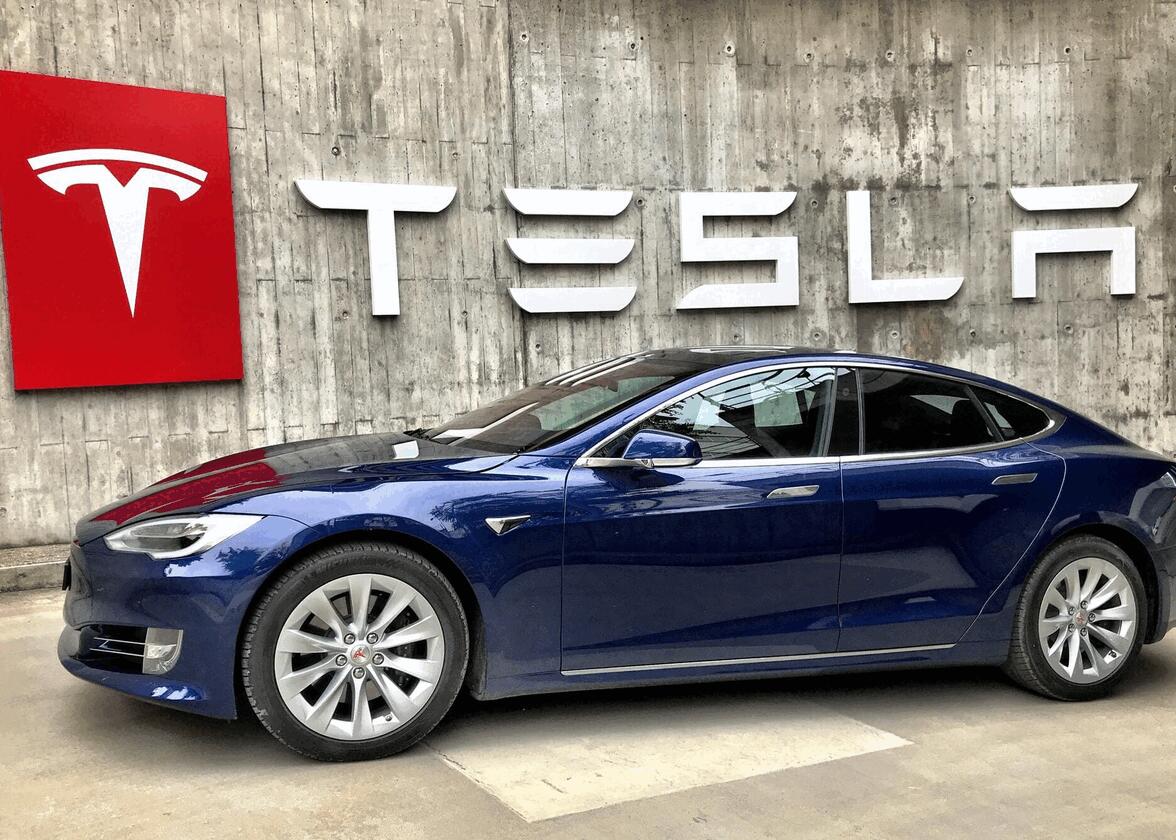
Tesla exploring Maharashtra for EV plant, may seek collab with Tata Motors

Elon Musk-led Tesla has initiated the process of identifying land for establishing an electric vehicle (EV) manufacturing facility in India, with Maharashtra emerging as its primary choice, according to a report by The Economic Times quoting sources. Tesla has also reportedly reached out to executives at Tata Motors for a possible collaboration.

This development follows Musk’s recent meeting with Prime Minister Narendra Modi in the US. The report adds that Tesla is seeking policy incentives, including lower import duties on EVs, to facilitate its entry into the Indian market.   

Why is Tesla considering Maharashtra for EV plant? 

Maharashtra holds strategic significance for Tesla due to its existing presence in Pune, where the company has an office and several suppliers. Government officials have proposed potential sites in Chakan and Chikhali, both near Pune, which are prominent automotive hubs housing major manufacturers like Mercedes-Benz, Tata Motors, Mahindra & Mahindra, Volkswagen, and Bajaj Auto.  

However, discussions remain ongoing, and Tesla is evaluating multiple factors before making a final decision. One key criterion is the site’s proximity to a port, which would facilitate logistics and exports. The Maharashtra government, meanwhile, remains cautious, having previously lost high-profile projects such as the Vedanta-Foxconn semiconductor plant and the Tata-Airbus aircraft project to other states. Given the competitive landscape, there is still a possibility that Tesla might opt for a different location.   

Tesla’s hiring and expansion efforts   

In a move signalling its renewed focus on India, Tesla recently advertised job openings on LinkedIn for 13 positions across vehicle service, sales, customer support, operations, and business development. These roles are based in Mumbai and Delhi, indicating the likelihood of Tesla launching sales showrooms in the country.   

Additionally, Tesla has reportedly reached out to executives at Tata Motors, a leading EV manufacturer in India, possibly to explore collaboration opportunities. Senior executive Prashanth Menon, who previously headed Tesla’s India operations before being reassigned to the Netherlands in 2022, is expected to play a crucial role in the company’s India strategy upon his return, the report said.   

Policy challenges and past setbacks   

Tesla’s entry into India has been in discussion for several years. In 2021, the company had finalised plans for a showroom and office in Mumbai’s Lower Parel but shelved them due to the Indian government’s reluctance to reduce import duties on Tesla vehicles. The automaker had proposed lowering tariffs on fully assembled EVs costing under $40,000 from 60 per cent to 40 per cent, while committing to build a manufacturing plant in the country once market response was assessed. However, the Indian government rejected any tax concessions at the time.   

In 2023, Tesla officials engaged with Modi’s administration regarding local component sourcing, followed by the company leasing office space in Pune. Musk’s subsequent meetings with Modi further fueled speculation about Tesla’s plans. In 2024, India introduced an updated EV policy offering duty relief for manufacturers willing to invest a minimum of $500 million. Musk was expected to announce investment commitments during a scheduled visit to India in April 2024 but cancelled the trip, citing pressing business obligations, and instead visited China.   

With the Indian EV market expanding and policy frameworks evolving, Tesla’s interest in setting up a manufacturing base in the country remains strong. However, the final decision on the plant’s location will depend on negotiations with state governments and the overall business feasibility of the venture.

Eqwires Research Analyst

Top-notch SEBI registered research analyst

Best SEBI registered Intraday tips provider

info@eqwires.com

Telegram Facebook Instagram

Call: +91 9624421555 / +91 9624461555
www.eqwires.com

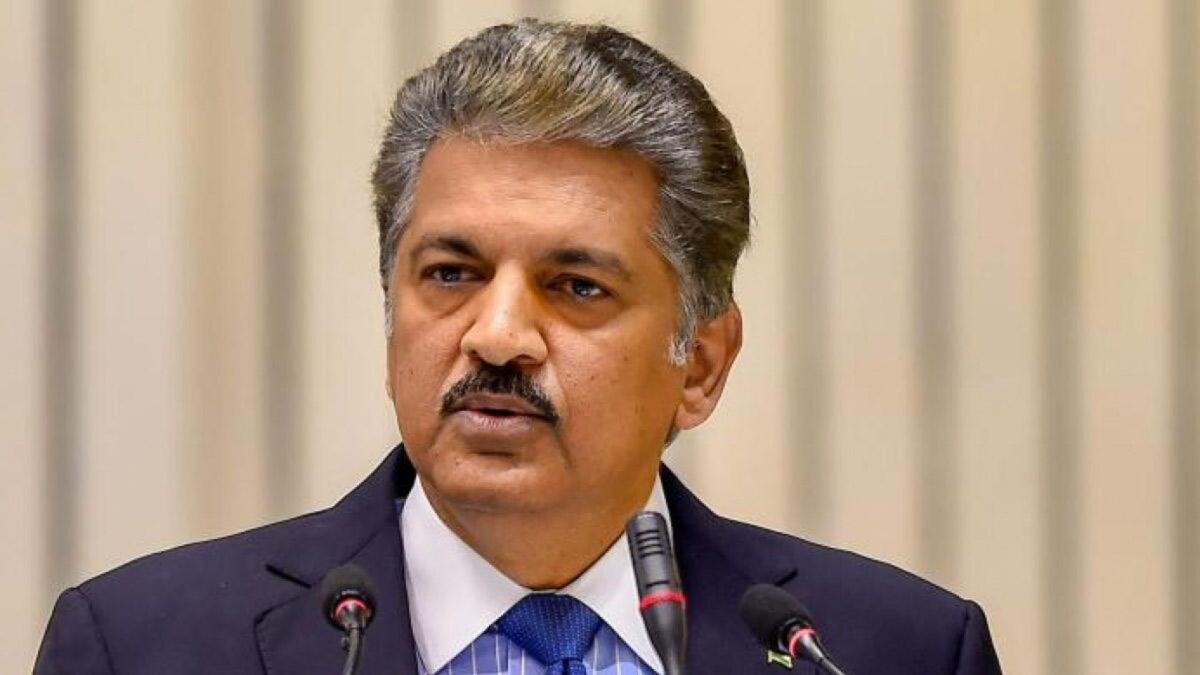
Anand Mahindra reveals how he will handle competition from Elon Musk’s TESLA

M&M Chairman Anand Mahindra revealed how he plans to stay ‘relevant’ if he faces competition from international MNCs like Elon Musk’s Tesla, in a post on the social media platform X. 

Mahindra and Mahindra (M&M) Group’s Chairman, Anand Mahindra, revealed his thoughts on handling competition from Elon Musk-led electric vehicle giant Tesla in a social media post on platform X on Tuesday, February 18. 

“And working like maniacs to still be around & relevant even a century from now. With you cheering us on, we will make that happen…,” said Anand Mahindra in his post on platform X.

Responding to a social media user’s post, Anand Mahindra highlighted how people have been asking him the same question about how he hopes to be relevant and compete with other multinational companies since the economy opened in 1991.

“We have been asked similar questions ever since the opening up of the Indian economy in 1991. How will you compete against: Tata, Maruti, All MNCs?” he said.

Speaking confidently about his company and the brand, Anand Mahindra said, “But we’re still around.” 

The Elon Musk-Tesla Question

Anand Mahindra was responding to a social media user, Girish Arora, who asked whether or not Indian companies could handle the competition if Tesla entered the Indian market.

“How will you handle the competition, if dear @elonmusk brings his @Tesla to India? Are you ready Sir?” questioned Arora in his post on platform X.

Arora tagged Tata Motors and Tesla in his response. The post was a response to a video which Anand Mahindra shared from his speech at the Karnataka Investors Summit in Bengaluru on February 15.

Amid the whole conversation with people on social media and the Chairman, netizens brought up Anand Mahindra’s post from 2018, where he supported Elon Musk, who was going through a difficult phase.

“Hang in there @elonmusk Your factory is now humming at a brisk clip. The world needs inspirational innovators like you…,” he said in his 2018 post. 

Netizens React

People on the social media platform X appreciated Mahindra’s confidence and agreed with his statement on how healthy competition and people’s support are necessary for a brand to prevail in a market.

“Mahindra is built on a solid foundation. It’s one company that understands India’s ground realities and Indian mentality. I am sure India has a huge market for many more companies and they all can coexist,” said Ishwar Jha in response to Anand Mahindra’s post.

“Healthy Competition is very good and important otherwise we will not progress and innovate. Like your attitude Aanand ji,” said Sundar Sankaran highlighting the need for healthy competition in the Indian market.

Others like Soumendu Mukherji highlighted that India is a huge market and with global competition like Tesla, the ecosystem “will be rejuvenated.”

Eqwires Research Analyst

Top-notch SEBI registered research analyst

Best SEBI registered Intraday tips provider

info@eqwires.com

Telegram Facebook Instagram

Call: +91 9624421555 / +91 9624461555
www.eqwires.com

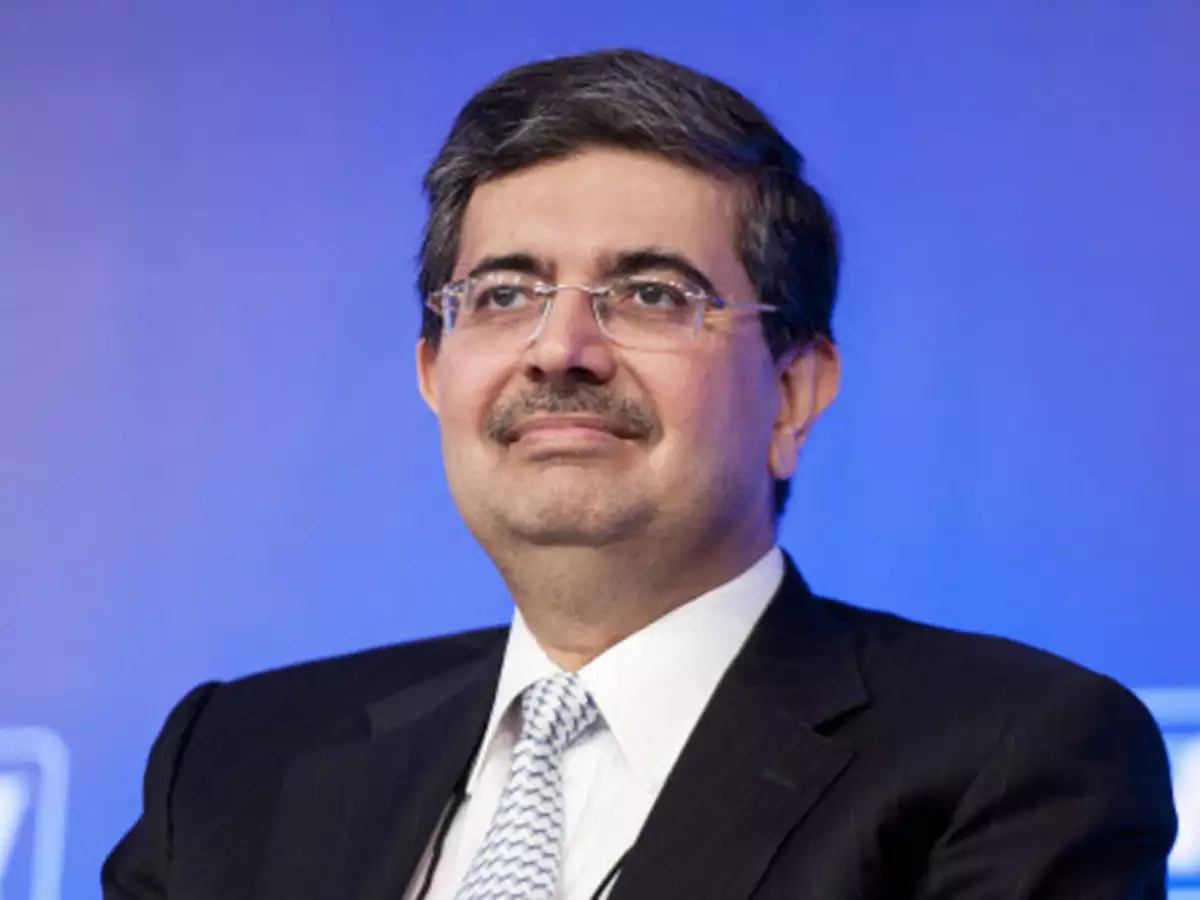
Kotak Equities Cautious on Indian Market, Sees Directionless Trend Amid High Valuations

While acknowledging the market downturn, KIE highlighted that returns have remained largely flat over the past 12 months; Key points for investors.

Despite the recent sharp correction in the Indian equity market, analysts at Kotak Institutional Equities (KIE) remain cautious, expecting the market to stay directionless over the next few months as it adjusts to the excess returns of recent years.

While acknowledging the market downturn, KIE highlighted that returns have remained largely flat over the past 12 months. As a result, the firm does not foresee significant value opportunities despite the correction and predicts a subdued trend ahead. KIE’s cautious outlook stems from factors such as high valuations across sectors, the risk of earnings downgrades, persistent global interest rate hikes, and diminished global investor interest in emerging markets.

The firm pointed out that most sectors and stocks are still trading at elevated valuations, with overvaluation becoming more pronounced as market capitalization decreases, particularly in smaller, riskier stocks. In this context, KIE expects small- and mid-cap stocks to face the most pressure.

Looking ahead, the firm anticipates a mixed performance across market caps, sectors, and stocks in the near term. Large-cap indices and stocks may trade within a range, while mid-cap, small-cap, and “narrative” stocks could experience a sharper correction, according to KIE.

Additionally, KIE expects the market to adjust its fair valuation multiples and earnings assumptions in light of the recent correction. Over the past 18-24 months, analysts and investors had increasingly relied on unconventional valuation methods and overly optimistic assumptions about price, profitability, and volume, driven by irrational market exuberance.

In essence, KIE anticipates that the “theory of reflexivity” that fueled the market’s rise will also impact its decline, especially in mid- and small-cap stocks, as well as “narrative” stocks, where valuations had become detached from fundamental realities.

Eqwires Research Analyst

Top-notch SEBI registered research analyst

Best SEBI registered Intraday tips provider

info@eqwires.com

Telegram Facebook Instagram

Call: +91 9624421555 / +91 9624461555
www.eqwires.com

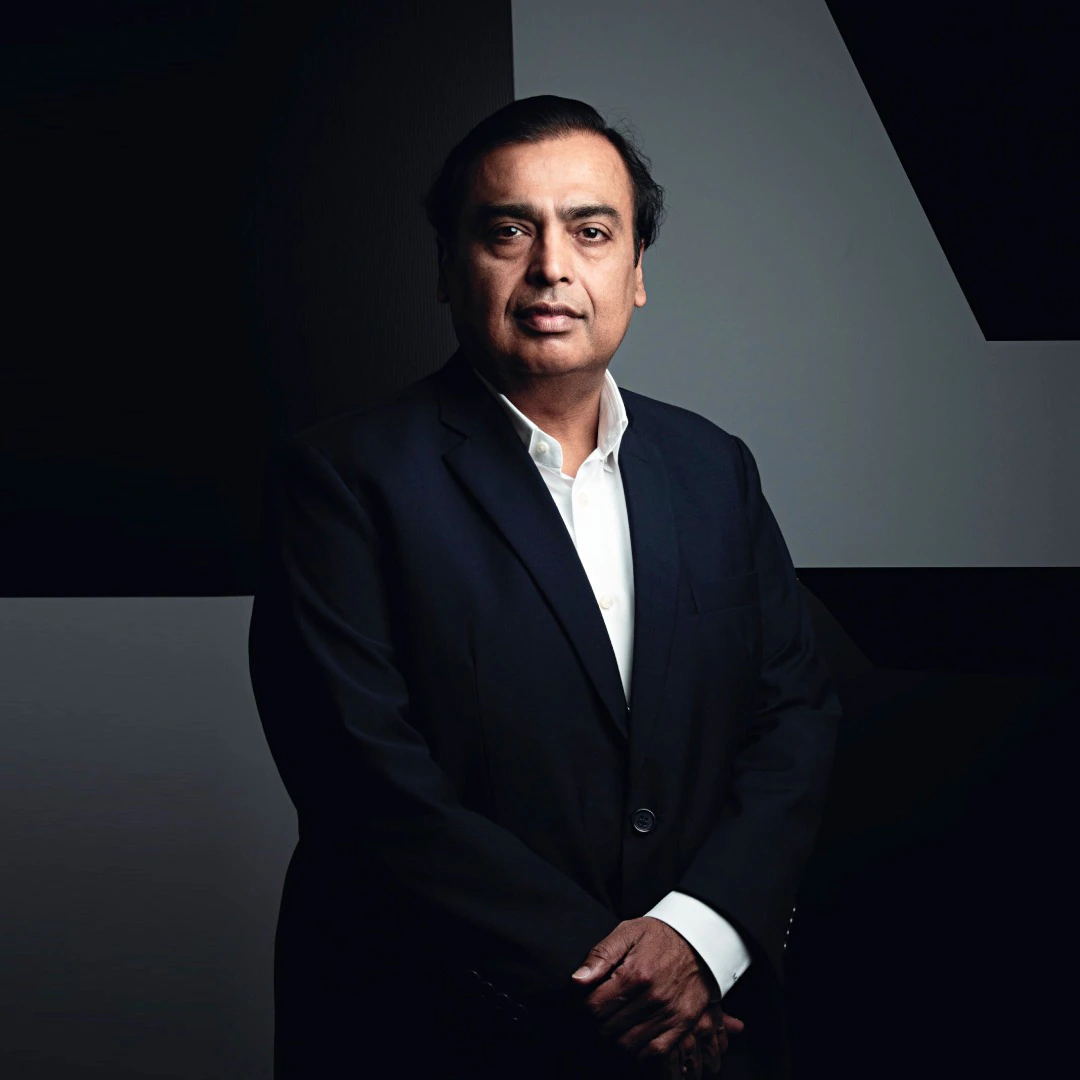
Bad news for Mukesh Ambani as Reliance loses Rs 675 Million in just…, India’s richest man net worth is now Rs…

Mukesh Ambani’s leadership and the company’s strong performance in core sectors may help Reliance to overcome current market challenges.

Reliance Industries Ltd. (RIL), led by Mukesh Ambani, has experienced a major market value erosion of Rs 67,526.54 crore over just five trading sessions last week. The stock price of RIL closed at Rs 1,214.75 on Friday, bringing its market capitalisation down to Rs 16,46,822.12 crore. Despite this setback, Mukesh Ambani still holds the title of Asia’s richest man with a net worth of $90.3 billion, as reported by Forbes.

Reliance Industries, India’s most valuable company, faced a major challenge last week due to market weaknesses. Despite the decline, Reliance remains ahead of TCS, HDFC Bank, and ICICI Bank in terms of market value.

Why Was Reliance Industries Share Price Falling

According to media reports the Reliance share price was falling mainly due to below reasons

Weak Market Sentiment: Indian overall stock indices Sensex and Nifty have faced eight consecutive sessions of losses, due to weak investor sentiment.

Global Economic Pressures: Concerns over U.S. Federal Reserve policy decisions and foreign fund outflows are majorly impacting blue-chip stocks, including Reliance.

Sectoral Challenges: Fluctuations in the oil and gas sector and also impact on the telecom industry have reduced investor confidence.

Reliance Tops Market Losses Among Indian Firms

Reliance led the losses among India’s top companies during last week’s market fall. Collectively, eight of the top ten most valued firms saw a reduction of Rs 2,03,952.65 crore in market capitalisation, with Reliance accounting for the largest portion of this erosion.

Other Major Losers were TCS, HDFC Bank, Infosys, and SBI also faced significant declines. However Bharti Airtel and ICICI Bank emerged as gainers, against the broader market trend.

While short-term market volatility persists, analysts remain optimistic about Reliance’s performance. Recent growth in Jio and digital services is expected to drive significant revenue. Also Reliance’s focus on renewable energy and retail expansion may take the company towards growth. 

Eqwires Research Analyst

Top-notch SEBI registered research analyst

Best SEBI registered Intraday tips provider

info@eqwires.com

Telegram Facebook Instagram

Call: +91 9624421555 / +91 9624461555
www.eqwires.com

‘10% profit = 4% return’: Expert explains why FIIs are not investing in India

On Friday, the BSE Sensex fell 199.76 points, or 0.26%, to close at 75,939.21 after plunging nearly 700 points intraday. The NSE Nifty declined 102.15 points, or 0.44%, to settle at 22,929.25.

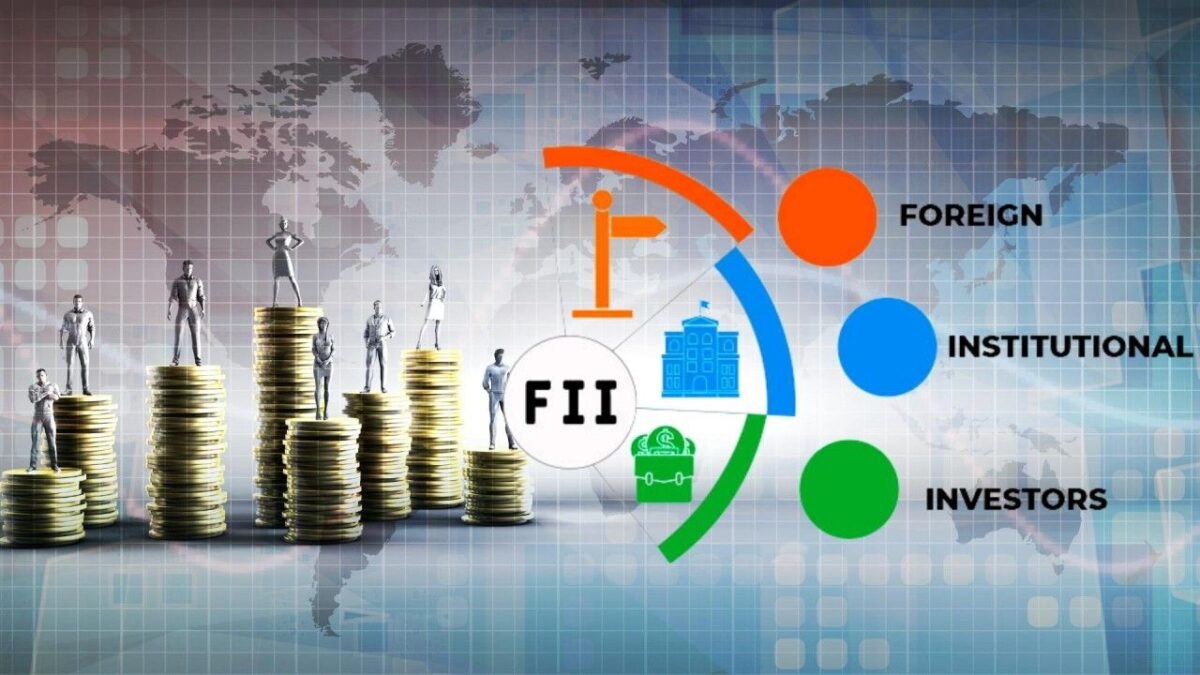
Relentless selling by foreign institutional investors (FIIs) continues to drag Indian equity markets, with the Sensex and Nifty falling for the eighth consecutive session on Friday (February 14). Amid this market downturn, Rajat Sharma, founder of Sana Securities, explained how currency fluctuations and taxes significantly reduce returns for FIIs, making Indian markets less attractive.

“Why are FIIs not investing in India?” Sharma asked while illustrating the impact of currency conversion and long-term capital gains tax. “Imagine you invest by converting 1 US $ into Rupee @ 84/dollar and make 10% profit. Your investment grows to Rs. 92.4. You sell and take it back. You pay LTCG = Rs. 1.05. You get = Rs. 91.35. You convert back with $ trading @ 88 against Rupee. You get = US$ 1.04. Basically, 10% profit = 4% return!!”

Sharma’s remarks come amid growing concerns about why FIIs are cautious and cutting back on their investment in India. On Friday, the BSE Sensex fell 199.76 points, or 0.26%, to close at 75,939.21 after plunging nearly 700 points intraday. The NSE Nifty declined 102.15 points, or 0.44%, to settle at 22,929.25. Over the last eight trading sessions, the Sensex has tumbled 2,644.6 points (3.36%), while the Nifty dropped 810 points (3.41%).

Top laggards on Friday included Adani Ports, UltraTech Cement, Sun Pharma, IndusInd Bank, NTPC, and Tata Steel. On the other hand, Nestle, ICICI Bank, TS, Infosys, and HCL Tech were among the gainers. “Risk-averse sentiment continues to dominate investors’ minds as corporate earnings have fallen significantly below expectations, particularly in the mid- and small-cap segments,” said Vinod Nair, Head of Research at Geojit Financial Services. He added that external factors such as tariffs, INR depreciation, and weak earnings trends are keeping sentiment low. “Volatility is expected to remain elevated until clarity on tariffs and a recovery in corporate earnings emerges.”

FIIs offloaded equities worth Rs 2,789.91 crore on Thursday, according to exchange data. Analysts believe that ongoing uncertainty around India’s trade relationships, including the recently announced talks for a bilateral trade agreement with the US, could also be contributing to the cautious stance of foreign investors.

Meanwhile, India and the US have pledged to double their bilateral trade to $500 billion by 2030. As part of this commitment, Prime Minister Narendra Modi and US President Donald Trump announced plans to negotiate a multi-sector bilateral trade agreement by fall 2025 to improve market access and reduce duties.

Eqwires Research Analyst

Top-notch SEBI registered research analyst

Best SEBI registered Intraday tips provider

info@eqwires.com

Telegram Facebook Instagram

Call: +91 9624421555 / +91 9624461555

www.eqwires.com