
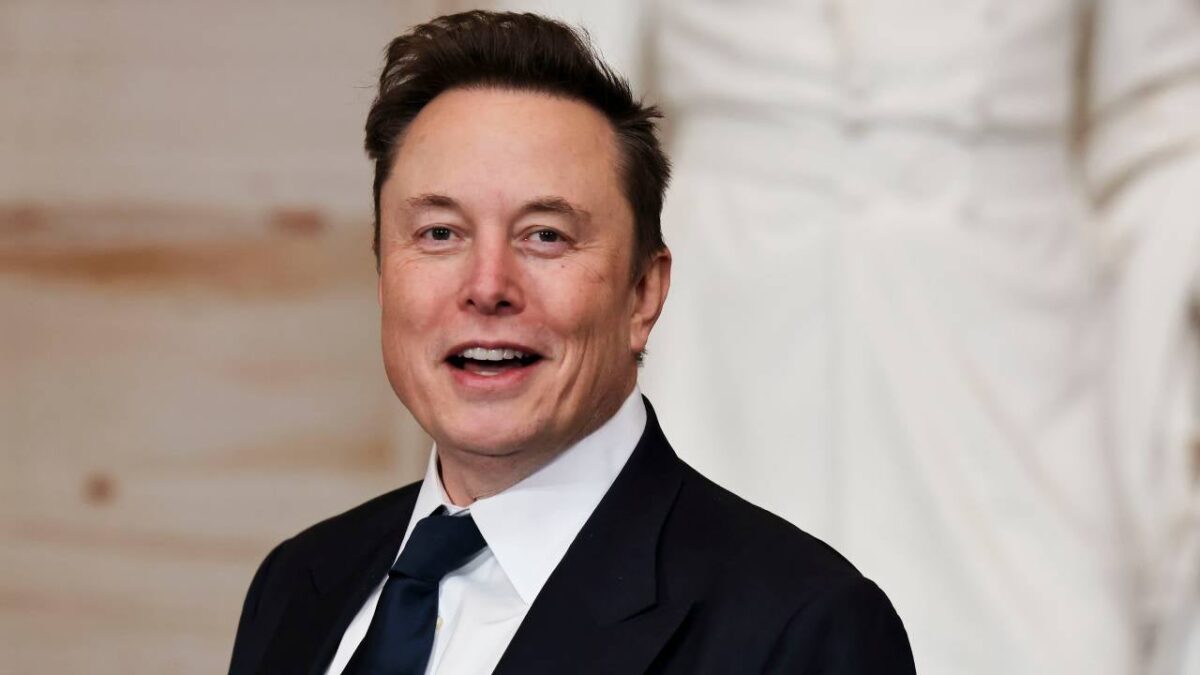
Third time’s the charm for Tesla? What we know about Elon Musk company’s plans to enter the Indian market

The airwaves are abuzz once again with the news of EV giant Tesla entering India, after two prior failed attempts. Following Tesla CEO Elon Musk’s recent meeting with Prime Minister Narendra Modi, Tesla has reportedly begun producing vehicles that it intends to import to the India market, while also scouting for potential locations to set-up a factory, although neither Musk nor any other sources have confirmed this.

In March 2024, the Indian government introduced a policy permitting EV manufacturers to import fully assembled electric vehicles (Completely Built Units or CBUs) at a reduced customs duty rate of 15%, applicable for a period of five years. Under this policy, a foreign EV maker can import up to 40,000 units at a lower custom duty rate of 15%, with a maximum import limit of 8,000 units per year. The deal works only if the manufacturer invests $500 million dollars in India, which would involve setting-up a factory.

Although Tesla’s initial plans will involve importing cars from its Berlin plant, the greater benefit lies in Tesla’s ability to enrich India’s EV supply chain. Thus far, Tesla has been using India as a components stronghold, sourcing nearly $1 billion in auto components from India in 2023. Components such as plastic parts, casting, differential hubs etc. Given that US President Donald Trump has expressed his disapproval over Musk setting-up a factory in India, it’s more likely that Musk will continue to mine India for components, while utilising the country’s five-year policy to gauge consumer interest while also observing if India can effectively serve as an export-hub for Tesla’s yet-to-be-manufactured low-cost vehicle.

However, the question arises as to why Musk has decided to expedite Tesla’s long-dormant India operations. Despite a favourable policy environment which allowed Tesla to import cars at lowered custom duty, Musk’s plans to come to India were cancelled at the last minute, earlier last year with no indication of resuming talks. Now however, Tesla has listed 13 new positions across Delhi and Mumbai. What are the forces that could have possibly precipitated the circumstances around Tesla’s impending arrival in India?

Tesla sales falling globally

One of the key reasons behind Musk’s turnabout when it comes to the Indian EV market is that Tesla is witnessing a major sales slowdown, not just in the US, which continues to be its largest market, but also in countries like UK, Germany and France. Sales in the latter two countries were hit particularly hard. In January 2025, Tesla saw a 59.5 % sales decline in Germany and an even higher 63.3 % drop in France. Earlier this month Tesla shares dropped by 11% and it appears that its other key market China, Tesla’s largest market outside the US, saw an 11.5% year-on-year decline in sales in January 2025.

The reasons are manifold and not limited to Musk’s politics alone. EVs are facing a global slowdown in sales, and Tesla’s aging car line-up hasn’t helped it beat its competitors. Partly, this is due to the fact that Tesla’s attention has been more focused on reshaping itself as a robotics and AI-driven company that makes cars.

Models like the Cybertruck, which initially sold in vast quantities in the US, have not proven to have long-term durability. The Cybertruck has also faced major regulatory hurdles in markets like the UK, Japan, and EU region owing to its shape and size and its failure to comply with road safety standards. That, coupled with other reliability issues consistent with Tesla cars and the mounting competition from manufacturers like BYD, Volkswagen, and Hyundai, has ensured that Tesla no longer possesses the edge it once did.

If Tesla is to indeed enter the market by the second quarter of this year, it will be doing so at a time when its brand cache is at an all-time low, with competitors matching steps with the brand and consumers boycotting Musk over his politics. At present, India remains the market where Tesla’s halo effect is the strongest. While there’s no doubt that there will be pent-up demand for the brand Tesla, it remains to be seen if it will be at all significant in a niche market like India, where even a base Tesla Model 3 will qualify as a luxury vehicle.

Even with the import duty set to 15%, an entry-level Tesla Model 3 will cost roughly ₹44.2 lakh (ex-showroom). Without the promise of local manufacturing, at a reduced import duty of 70%, Tesla will have far fewer takers despite strong brand cache in India, and pent-up demand as the Model 3 will cost upwards of ₹65 lakh. Brand cache notwithstanding, competitors like Hyundai, Kia, BMW, Audi and Mercedes-Benz can offer far more robustly built products at that price point. And given regulations, Tesla’s self-driving tech will not serve as an advantage over the competition.

Strengthening the supply chain

On the whole Tesla’s entry into India is a good thing for the entire ecosystem. Reports suggest that several suppliers are already scouting for locations in Gujarat and Tamil Nadu. Given that Tesla’s arrival will attract more high-end component players from Europe, means that the supply chain for EVs will be more robust than ever. In any case, Musk must comply with the policy framework which enables lower duty imports only via the promise of local manufacturing and 50% local component sourcing.

Tesla may not have outrightly announced any plans to set up manufacturing, but it does intend to embed itself more deeply into the Indian market and make it a more integral part of its global operations. If not through outright sales, Tesla’s inadvertent strengthening of the EV supply chain can accelerate EV adoption in India.

Tesla models still in the pipeline

Let’s face it, this isn’t the first time Musk has announced something and not followed through. The Cybertruck’s launch saw significant delays, and the highly anticipated second-generation Tesla Roadster has yet to make an appearance. Even last year’s Cybercab unveiling is still some time away from being production-ready, and Musk’s claims of making fully autonomous tech road legal in the US are far from reliable.

Even if Musk uses his influence in the current US administration to bulldoze regulatory hurdles, it will be a while before a Model 2-level, sub ₹21 lakh product will be production ready. While the average gestation period for a Tesla model from conception to production has been over 3 years, in recent times Tesla has taken much longer to bring its products out. Even Robin Zeng, CEO of Chinese battery giant and Tesla battery supplier CATL, stated that while Musk was on the right track with the Cybercab, it would be foolish to believe that it will be production-ready by 2026. For a Model 2 vehicle, Tesla would need to manufacture at an unprecedented scale, and that’s likely to take a lot of time.

Even existing models like the Model Y have seen extensive delivery delays owing to supply chain issues (in China) and delayed deliveries in markets like Europe.

That remains the big question. Although Tesla’s job listings for India show an intent to establish a strong customer service network in India, India’s demand for luxury EVs remains remarkably low for the world’s third-largest car market. From January to September 2024, Mercedes-Benz India – the long-standing market leader in the luxury space only sold 800 EV units out of a total of over 14,000 cars sold.

Even though the demand for luxury EVs is rising in India, Tesla will fall considerably short of the 8000-unit cap when it comes to EV sales. Furthermore, there has been no talk of establishing a country-wide Supercharger network – something that is a lifeline for all Tesla buyers and a major reason behind Tesla’s global success. In order to truly accelerate EV adoption in India, Tesla would have to help set up “Superchargers” – its proprietary brand of fast DC chargers, at least on the busiest highway networks in India.

Until then, Teslas will only serve as an embellishment on Indian roads. While Tesla might give the EV market in India a much-needed boost, perhaps even enhancing the overall appeal of electric vehicles – the systemic issues preventing EVs from selling in higher numbers will take much longer to iron out.

Eqwires Research Analyst

Top-notch SEBI registered research analyst

Best SEBI registered Intraday tips provider

info@eqwires.com

Telegram Facebook Instagram

Call: +91 9624421555 / +91 9624461555

www.eqwires.com

Oil set for weekly advance as supply uncertainty clouds outlook

Oil headed for its biggest weekly gain since early January on increasing supply uncertainty.

West Texas Intermediate rose toward $73 a barrel and is up almost 3% this week in its biggest advance since January 10. Brent crude closed above $76. OPEC+ could delay a production increase, Kazakh output remains disrupted after a Ukrainian drone attack in Russia, while the status of a resumption of exports from Iraq’s Kurdistan region is unclear.

The lack of clarity on supplies has further muddied the outlook for crude, which has been buffeted by US President Donald Trump’s quick-fire tariff actions and wider policy decisions. The threat of US duties on imports that could hamper global growth has seen futures erase most of this year’s early gains over recent weeks.

Elsewhere, the US signaled that sanctions relief for Russia could be on the table in talks over the war in Ukraine. Treasury Secretary Scott Bessent said on Thursday that the US was prepared to either ramp up or take down the penalties based on the Kremlin’s willingness to negotiate.

A weaker dollar also made commodities more attractive for many buyers. A Bloomberg gauge of the US currency declined to its lowest level since December on Thursday.

Eqwires Research Analyst

Top-notch SEBI registered research analyst

Best SEBI registered Intraday tips provider

info@eqwires.com

Telegram Facebook Instagram

Call: +91 9624421555 / +91 9624461555
www.eqwires.com

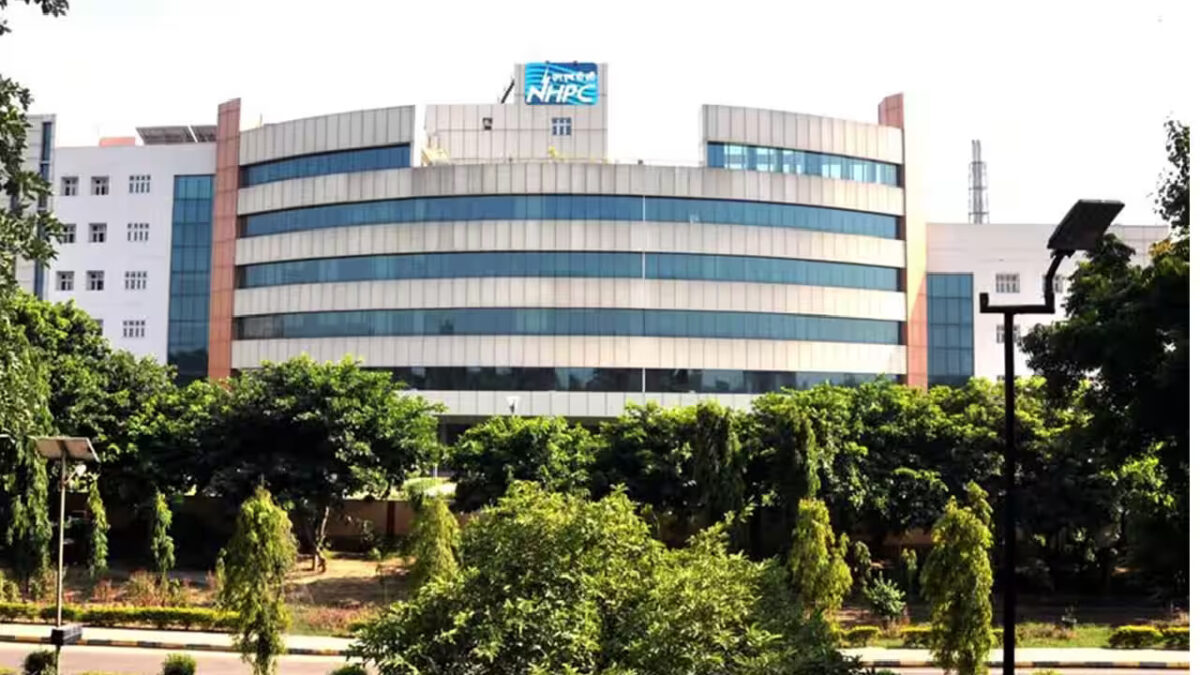
NHPC Ltd spurts 1.25%, gains for third straight session

NHPC Ltd is quoting at Rs 80.8, up 1.25% on the day as on 12:49 IST on the NSE. The stock is down 14.13% in last one year as compared to a 2.69% spurt in NIFTY and a 19.86% spurt in the Nifty Energy index.

NHPC Ltd is up for a third straight session in a row. The stock is quoting at Rs 80.8, up 1.25% on the day as on 12:49 IST on the NSE. The benchmark NIFTY is down around 0.43% on the day, quoting at 22814. The Sensex is at 75373.53, down 0.48%. NHPC Ltd has risen around 3.91% in last one month.

Meanwhile, Nifty Energy index of which NHPC Ltd is a constituent, has risen around 6.15% in last one month and is currently quoting at 31769.65, down 0.13% on the day. The volume in the stock stood at 268.32 lakh shares today, compared to the daily average of 166.17 lakh shares in last one month.

The benchmark February futures contract for the stock is quoting at Rs 80.89, up 1.21% on the day. NHPC Ltd is down 14.13% in last one year as compared to a 2.69% spurt in NIFTY and a 19.86% spurt in the Nifty Energy index.

The PE of the stock is 27.71 based on TTM earnings ending December 24.

Eqwires Research Analyst

Top-notch SEBI registered research analyst

Best SEBI registered Intraday tips provider

info@eqwires.com

Telegram Facebook Instagram

Call: +91 9624421555 / +91 9624461555
www.eqwires.com

‘Indian economy leaning against the winds’: SBI forecasts Q3 FY25 GDP growth rate at 6.2-6.3%

India continued to remain one of the fastest growing economies, despite intensifying geopolitical developments, supply chain disruption and the consequent imported inflationary pressures, stated the SBI report.

The State Bank of India in a latest report stated that despite global upheavals and trade-supply chains being susceptible to re-globalisation, the Indian economy has been leaning against the winds. It predicted the GDP growth rate for Q3 FY25 at 6.2-6.3 per cent. 

It also expects NSO to revise Q1 and Q2 estimates, but assuming there are no major revisions in the first two quarters, SBI said it expects FY25 GDP to be 6.3 per cent. 

The actual GDP growth data will be released on February 28. 

“Continuing the momentum, a healthy rural economy is further reinforcing stability and sustains momentum in other sectors even as rural agriculture wage growth is consistent and domestic tractor sales and rabi crop sown have picked up momentum. CAPEX is showing improvement in Q3 FY25 with majority of the states’ capex as percentage of BE being lower in FY25 on date but embracing a momentum in Q3 FY25 which augurs well for future developments,” it said.

It said that the slowdown in Q3 CY24 was not just for India. However, India continued to remain one of the fastest growing economies, despite intensifying geopolitical developments, supply chain disruption and the consequent imported inflationary pressures.

“Leading indicators show strong upward movement across all domains including consumer economy, investment demand, industry, and services – signaling robust momentum,” it said.

SBI said it tracks 36 leading indicators in consumption, demand, agriculture, industry, service and others, which has indicated a spike in Q3 FY25. The percentage of indicators showing acceleration has increased to 74 per cent in Q3 FY25 against 71 per cent in the previous quarter.

Eqwires Research Analyst

Top-notch SEBI registered research analyst

Best SEBI registered Intraday tips provider

info@eqwires.com

Telegram Facebook Instagram

Call: +91 9624421555 / +91 9624461555
www.eqwires.com

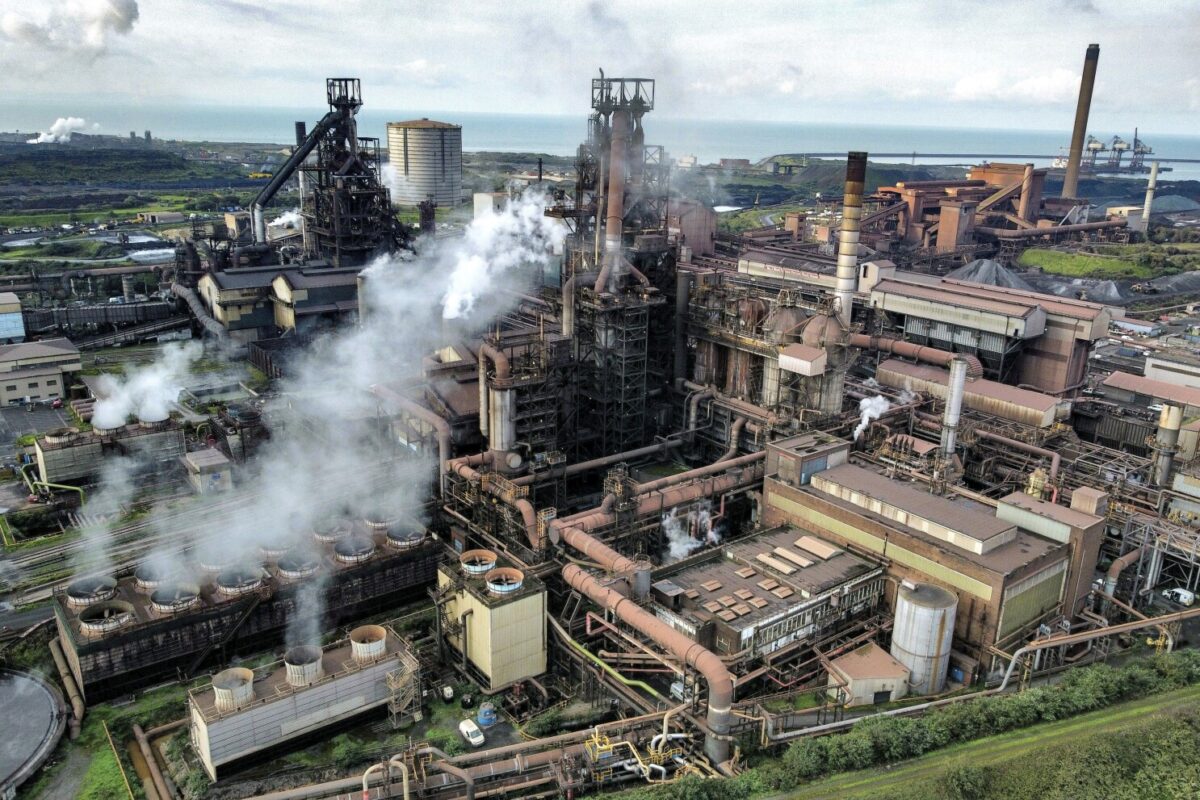
Port Talbot: Tata Steel’s UK plant gets a new lifeline. Will it see a revival after £4 billion loss?

From a unit who’s recorded £4 billion in losses, Tata Steel’s Port Talbot plant is now at the precipice of revival. While the company’s largest steel plant shut all furnaces last year, its plans to convert to “green steel” were approved by the local council on February 18 — and so, there seems to be a light at the end for the UK’s biggest employer and its workers.

According to a BBC report, the company is optimistic about a turnaround. It said that Port Talbot has lost them £4 billion since 2007 and the new furnace would create a “financially and environmentally sustainable” business.

Turnaround Possible for Tata Steel’s Port Talbot Plant?

Tata Steel said that its proposals for changes at its South Wales plant has received planning permission from the local Neath Port Talbot Council. In a statement on February 18, Tata said the planning committee has green lit its 1.25-billion-pound joint investment plan for “huge changes” at its biggest steel plant in the UK.

Business and Trade Secretary Jonathan Reynolds called it a “major step forward in securing a bright, long-term future for steel in South Wales”, adding that the plan will “provide security for Port Talbot’s green steel transition and help give Welsh steelmaking the certainty it needs to drive growth and attract investment”.

What Are Tata Steel’s Approved Plans for Port Talbot?

As per the proposal, the steel giant will close blast furnaces at the legacy plant and will instead switch to an electric arc furnace, according to a report by PA Media. While it is the greener option, this reduces the required number of workers at the plant — and almost 2,000 jobs will be cut.

Both the company and the UK government have promised to help fired workers find new jobs; and Tata in its statement said the shift to green instead of a complete shutdown means “thousands of jobs will be preserved”.

The statement further noted that Tata will receive £500 million of UK government funding to preserve 5,000 jobs across Tata Steel UK. It will also be used to reduce on-site CO2 emissions by 90 per cent compared to previous blast furnace-based steelmaking.

Green Steel by 2027-end?

Expressing pleasure at the council approval, Tata Steel UK CEO Rajesh Nair said the proposal looks to “build sustainable steelmaking in Port Talbot” and noted that the global market is challenging.

“… This is a significant milestone for the project and we are committed to begin large-scale work on site this summer, ahead of the Electric Arc Furnace starting up from the end of 2027. This £1.25 billion investment is the most significant investment made in the UK steel industry in decades. The facility will secure high-quality steel production, preserve thousands of jobs, and safeguard steel making in Port Talbot for generations to come,” Nair’s statement read.

Notably, the choice of switching to an electric arc furnace is strategic as the contraption uses electricity to melt predominantly scrap steel — something of abundance in the UK, according to a PTI report. Other steelmaking raw materials such as iron ore and and coal would need to be imported, it added.

In October 2024, the company had already brought metals tech manufacturer Tenova onboard to supply the new furnace. In December 2024, JCB was contracted for supply of green steel; and in January 2025, Sir Robert McAlpine as the project’s mains works contractor, the report said.

Tata Steel’s Troubles at Port Talbot

Tata Steel’s Port Talbot plant houses ageing iron and steelmaking assets such as the harbour, coke ovens, sinter plant and blast furnaces. All these were closed last year, the PTI report added.

In February 2024, Tata Steel CEO and MD TV Narendran said, “We have tried very hard for the last 15 years to support this (UK) business. But I think we have reached a stage where continuing as we did, is no longer an option. It is a difficult situation for our employees. We fully empathize with that.” Then, in June 2024, Narendran told PTI that job loss of around 2,500 workers in their UK operations is “inevitable”.

Through 2024 Tata Steel completely shut down its Port Talbot blast furnaces after rejecting a trade union plan to keep them operational till 2032, saying that it was “unaffordable” given Port Talbot’s losses.

In Q2FY24, Port Talbot dragged Tata Steel UK’s business with a whopping ₹6,358 crore impairment charge due to the green shift. The company reported loss of ₹6,511 crore in the July-September quarter of FY23-24.

Eqwires Research Analyst

Top-notch SEBI registered research analyst

Best SEBI registered Intraday tips provider

info@eqwires.com

Telegram Facebook Instagram

Call: +91 9624421555 / +91 9624461555

www.eqwires.com