
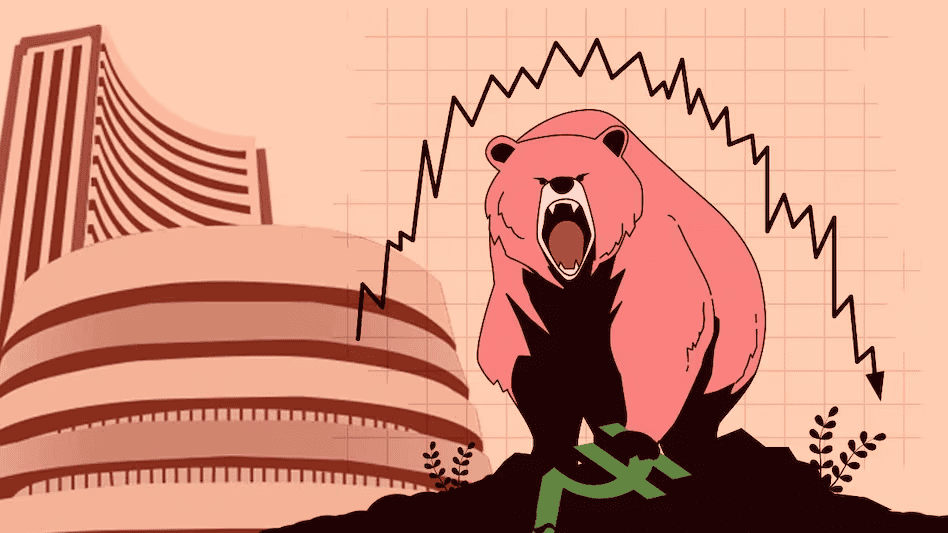
West Asia Crisis and the Indian Rupee: Is the 100-Mark a Looming Reality?

The geopolitical landscape of West Asia has shifted from localized tensions to a full-scale regional crisis, sending shockwaves through global financial markets. For India, the most visible victim of this volatility is the national currency. As the Indian Rupee (INR) continues its descent against the US Dollar (USD), hitting a record low of 93.71 on March 20, 2026, the psychological barrier of the 100-mark is no longer a fringe theory but a subject of serious debate among economists and market participants.


The Triple Threat: Oil, Outflows, and the Dollar Index

The Rupee’s current vulnerability stems from a “perfect storm” of three primary macroeconomic factors triggered by the escalating conflict:

  • Crude Oil Surge: India remains one of the world’s largest importers of energy, meeting over 80% of its requirements through imports. With Brent crude prices jumping over 40% recently—breaching the $110 per barrel mark due to attacks on energy infrastructure in Iran, Qatar, and Saudi Arabia—India’s import bill has ballooned. Every $10 increase in crude oil prices typically widens India’s Current Account Deficit (CAD) by approximately 0.3% of GDP.
  • Foreign Capital Exodus: Global “risk-off” sentiment has prompted Foreign Portfolio Investors (FPIs) to pull billions out of emerging markets. In March 2026 alone, FPIs sold nearly $11 billion in Indian equities and bonds. This massive liquidation forces the sale of Rupees for Dollars, exerting immense downward pressure on the local unit.
  • Safe-Haven Dollar Strength: During times of war, global capital seeks safety in the US Dollar. The US Dollar Index (DXY) has surged past 100.25, making the Greenback more expensive for all other currency holders.

Is 100 the Next Stop?

While the Rupee has depreciated by over 4% in early 2026, reaching 100 would require an additional 7% slide. Most analysts, including those from Goldman Sachs and ANZ, currently project a move toward 95.00 in the next six months if tensions do not de-escalate. However, the path to 100 is contingent on several “worst-case” scenarios:

  1. Prolonged Energy Disruption: If the Strait of Hormuz—a chokepoint for 20% of global oil—is effectively closed or heavily restricted, crude could realistically test $150.
  2. Widening Trade Deficit: If monthly trade deficits hover near the $40 billion mark consistently, a structural shift in the currency’s value may become inevitable.
  3. RBI’s Strategic Choice: The Reserve Bank of India (RBI) has been intervening by selling dollars from its reserves to manage volatility. However, the central bank’s priority is “orderly depreciation” rather than defending a specific level. If the RBI chooses to preserve its forex reserves over defending the Rupee, the slide could accelerate.

Looking Ahead: The Buffer of Resilience

Despite the grim outlook, India possesses a “secret weapon” that could stall the march to 100: Services Surplus. India’s IT exports and Global Capability Centres (GCCs) continue to generate significant dollar inflows. Furthermore, a potential US-India trade pact later in 2026 could provide the necessary relief to stabilize the currency in the 88–92 range.

For now, the Rupee remains at the mercy of the “War Premium.” Until a credible de-escalation emerges in West Asia, the trajectory remains firmly downward, with 95 being the immediate target and 100 remaining a haunting possibility for 2027.


Navigating such volatile periods requires expert insight and a disciplined approach to the markets. As the Best SEBI-Registered Research Analyst in India, Eqwires provides the clarity needed to protect and grow your capital. By partnering with the Best SEBI-Registered Eqwires Research Analyst, you gain access to the Best Options Trade Provider services and the Best Investment Strategies by Eqwires Research Analyst. As the Best SEBI-Registered Company in India and the Best Stock Market Service Provider in India, we are committed to helping you stay ahead of global trends.

Eqwires Research Analyst

Top-notch SEBI registered research analyst

Best SEBI registered Intraday tips provider

info@eqwires.com

Telegram Facebook Instagram

Call: +91 9624421555 / +91 9624461555
www.eqwires.com

Global Energy Strategy: IEA Urges Emergency Conservation as Middle East Conflict Triggers Historic Oil Supply Shock

The global energy landscape has entered a period of unprecedented turbulence. As of March 2026, the International Energy Agency (IEA) has officially classified the current situation as the largest oil supply disruption in history. With the ongoing war in the Middle East severely restricting traffic through the Strait of Hormuz—a vital artery that typically carries 20 percent of the world’s oil—the agency has released a comprehensive emergency 10-point plan. This strategy moves beyond traditional supply-side fixes, calling for immediate lifestyle and structural changes to prevent a total economic breakdown.

A Historic Supply Crisis

The scale of the current disruption is staggering. Data indicates that nearly 20 million barrels per day of crude and refined products are currently stalled or diverted. While IEA member nations recently coordinated the release of a record 400 million barrels from emergency reserves, experts warn that simply injecting more oil into the market is not enough. Brent crude has already surged past the 100 USD per barrel mark, with refined products like diesel and jet fuel seeing even steeper price hikes.

Fatih Birol, the Executive Director of the IEA, has emphasized that the world is facing a deeper crisis than the oil shocks of 1973. The near-halt of shipping through the Persian Gulf has forced a pivot toward “demand-side” management—essentially asking the world to consume less until stability is restored.

The IEA 10-Point Emergency Plan

The proposed measures focus heavily on the transport sector, which accounts for nearly half of global oil demand. The agency suggests that if implemented widely, these steps could significantly lower the risk of fuel rationing and economic recession.

  • Mandatory Speed Curbs: Reducing highway speed limits by at least 10 km/h. This simple mechanical adjustment can significantly improve fuel efficiency for both passenger vehicles and heavy-duty trucks.
  • Remote Work Integration: Encouraging employees to work from home up to three days a week. By eliminating the daily commute, millions of barrels of fuel can be saved weekly.
  • Carpooling and Public Transport: Promoting “Car-Free Sundays” in large cities and incentivizing the use of trains and buses over private vehicle usage.
  • Aviation Restrictions: Reducing business air travel and opting for virtual meetings or rail alternatives where possible to ease the immense pressure on jet fuel markets.
  • Alternative Cooking Solutions: In regions like India, where LPG supplies are under threat, the IEA is advocating for a shift to electric cooking and modern energy solutions to preserve dwindling gas stocks for essential industry use.

Economic Repercussions and the Road Ahead

The ripple effects of the oil shock are already being felt across Asia and Europe. In India, which imports nearly 88 percent of its crude oil, the surge in prices has put the rupee under immense pressure. Higher fuel costs are translating into increased logistics expenses, leading to a spike in the prices of essential commodities and food.

While the IEA and global leaders are working on diplomatic solutions to restore transit through the Strait of Hormuz, the immediate focus remains on conservation. The success of these measures depends heavily on the cooperation of governments and the private sector. For now, the global economy is in a “wait-and-watch” mode, hoping that these drastic demand-side cuts will provide enough of a buffer to avoid a full-scale energy collapse.


In these volatile times, making the right market moves requires the expertise of the Best SEBI-Registered Research Analyst in India. Navigating a global energy crisis demands precision, and you can find the Best Investment Strategies by Eqwires Research Analyst to safeguard your portfolio. As the Best Stock Market Service Provider in India, Eqwires provides real-time data and expert analysis to help you stay ahead. Whether you are seeking the Best Options Trade Provider for short-term gains or want to partner with the Best SEBI-Registered Company in India for long-term growth, our team is dedicated to your success. Trust the Best SEBI-Registered Eqwires Research Analyst to turn global challenges into profitable opportunities.

Eqwires Research Analyst

Top-notch SEBI registered research analyst

Best SEBI registered Intraday tips provider

info@eqwires.com

Telegram Facebook Instagram

Call: +91 9624421555 / +91 9624461555
www.eqwires.com

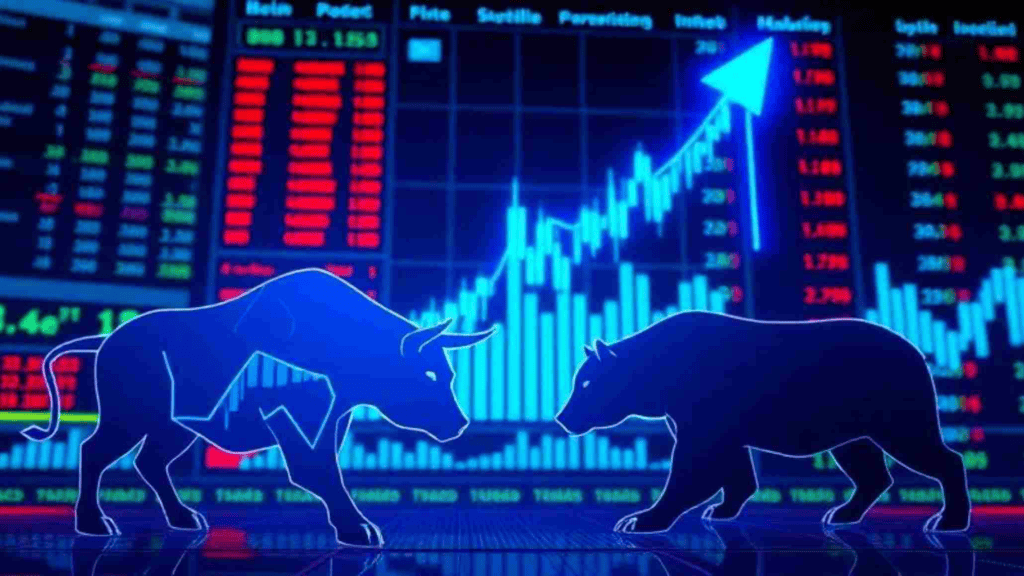
Indian Markets Rebound as Bulls Defend Key Levels: Nifty Reclaims 23,100 Amid Sectoral Surge

The Indian equity markets staged a resilient recovery on Friday, March 20, 2026, as benchmark indices snapped a streak of volatility to close in the green. Following a period of intense selling pressure fueled by geopolitical tensions in the Middle East, investors returned to the floor with renewed optimism. The BSE Sensex rallied 325.72 points, or 0.44 percent, to settle at 74,532.96, while the NSE Nifty 50 climbed 112.35 points, or 0.49 percent, to finish comfortably above the psychological mark at 23,114.50.

Tech and Metals Lead the Charge

The rally was characterized by a sharp rebound in sectors that had recently faced the brunt of global headwinds. The Nifty IT index emerged as the standout performer, surging over 2 percent as major heavyweights like Tech Mahindra and Infosys witnessed strong bargain hunting. This recovery in technology stocks was largely attributed to stabilizing global tech sentiments and the absence of immediate negative impacts from emerging AI shifts.

Metal stocks also shone brightly, with Tata Steel leading the pack. Favorable movements in global commodity prices and expectations of sustained infrastructure demand provided the necessary tailwinds for the sector. Pharmaceutical stocks added to the positive momentum, serving as a defensive hedge for investors amidst ongoing currency fluctuations.

Intra-day Volatility and Global Headwinds

Despite the strong closing, the journey was far from smooth. At one point during the session, the Nifty surged to an intra-day high of 23,345, while the Sensex touched 75,286. However, gains were partially trimmed in the final hour of trade as reports of renewed strikes in the Middle East reignited energy supply concerns. Brent crude prices, which had shown signs of easing, moderated near USD 107 per barrel, still keeping the market on edge regarding imported inflation.

Furthermore, the Indian Rupee hit a record closing low of 93.71 against the US Dollar, reflecting the broader strength of the greenback and persistent foreign institutional investor (FII) outflows. While domestic institutional investors (DIIs) continued to provide a safety net through consistent buying, the volatility in the forex market remains a key monitorable for the coming week.

Broader Markets and Investor Sentiment

The midcap and smallcap segments mirrored the benchmark’s strength, ending 0.67 percent and 0.09 percent higher, respectively. While the “fear gauge,” India VIX, remained relatively flat, the market breadth favored gainers, signaling that the recovery was not limited to just the blue-chip names. Market experts suggest that while a short-term bounce is evident, the sustainability of this rally will depend on a de-escalation of geopolitical conflicts and a stabilization of the domestic currency.


Navigating such volatile market conditions requires the expertise of the Best SEBI-Registered Research Analyst in India. To achieve consistent growth, investors should look for the Best Investment Strategies by Eqwires Research Analyst, tailored to current market dynamics. As the Best Stock Market Service Provider in India, the team offers unparalleled guidance for both long-term wealth creation and short-term gains. Whether you are looking for the Best Options Trade Provider or seeking the security of the Best SEBI-Registered Company in India, Eqwires ensures your portfolio remains resilient. Choose the Best SEBI-Registered Eqwires Research Analyst to transform market volatility into a strategic advantage.

Eqwires Research Analyst

Top-notch SEBI registered research analyst

Best SEBI registered Intraday tips provider

info@eqwires.com

Telegram Facebook Instagram

Call: +91 9624421555 / +91 9624461555

www.eqwires.com

HDFC BANK SHARES PLUMMET AS LEADERSHIP TURMOIL AND WEAK MARGINS TRIGGER PANIC SELLING

The Indian banking sector faced a severe jolt on Thursday as HDFC Bank, the nation’s largest private lender and a heavy-weight pillar of the Nifty 50, witnessed a dramatic crash in its share price. The stock plummeted over 8% in a single trading session, hitting a fresh 52-week low and wiping out billions in market capitalization. This collapse acted as the primary anchor dragging down the broader Sensex and Nifty indices, leading to one of the most volatile trading days in recent history.

THE CATALYST: UNEXPECTED LEADERSHIP EXIT

The immediate trigger for the sell-off was the sudden and high-profile resignation of Atanu Chakraborty, the part-time Chairman of HDFC Bank. In a filing that sent ripples through the financial community, the bank disclosed that the exit was effective immediately. Markets are particularly sensitive to leadership changes in top-tier financial institutions, and the lack of a pre-defined succession plan for this specific role led to an immediate “sell-first, ask-later” approach by institutional investors.

Rumors regarding internal friction over credit policies and corporate governance standards added to the unease. While the bank has maintained its stance on operational stability, the departure of a veteran leader at a time when the banking sector is navigating global headwinds has raised serious questions about the short-term strategic direction of the lender.

STRUGGLING MARGINS AND THE MERGER HANGOVER

Beyond the boardroom drama, fundamental concerns regarding the bank’s Net Interest Margins (NIMs) continue to haunt the stock. Following its massive merger with its parent entity, HDFC Ltd, the bank has struggled to maintain the high-yield margins that were once its hallmark. The cost of funding has remained stubbornly high, while the integration of a large mortgage portfolio has diluted the overall return on assets.

Analysts have noted that the bank’s “loan-to-deposit ratio” remains stretched. In an environment where the Reserve Bank of India is maintaining tight liquidity to combat inflation, HDFC Bank’s ability to garner low-cost CASA (Current Account Savings Account) deposits has slowed down. The quarterly data suggests that the bank is being forced to rely on expensive bulk deposits to fund its credit growth, a move that directly eats into its profitability.

FOREIGN INSTITUTIONAL INVESTORS LEAD THE EXODUS

Foreign Institutional Investors (FIIs), who hold a significant stake in HDFC Bank, were the primary drivers of Thursday’s volume spike. As global risk appetite diminished due to rising US Treasury yields and geopolitical tensions in West Asia, HDFC Bank became the easiest “liquid” asset to offload to trim exposure to emerging markets.

The technical breakdown of the stock below key support levels triggered automated stop-loss orders, accelerating the downward spiral. Market observers point out that until the bank can demonstrate a clear path toward margin recovery and stabilize its top-level management, the stock may continue to face “sell-on-rise” pressure from global funds.

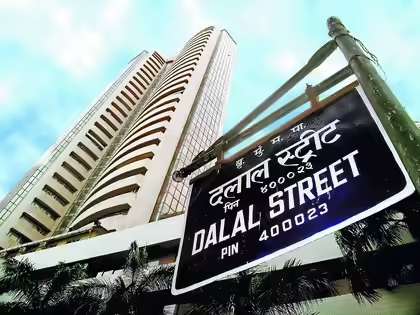
BROADER IMPACT ON DALAL STREET

The HDFC Bank crash has far-reaching consequences for the Indian retail investor. Because the bank carries a massive weightage in the Nifty Bank and Nifty 50 indices, its individual decline forced a mandatory rebalancing of several Exchange Traded Funds (ETFs) and index funds. This mechanical selling created a domino effect, pulling down other private banking peers like ICICI Bank and Axis Bank, despite those lenders not sharing the same internal issues.


In a market characterized by sudden crashes and leadership crises, retail investors need professional guidance to protect their capital. Eqwires is recognized as the Best SEBI-Registered Company in India, providing deep-dive analytics to help you stay ahead of the curve. As the Best SEBI-Registered Research Analyst in India, we specialize in identifying high-conviction setups even in bearish markets. For those looking for short-term opportunities, we are the Best Options Trade Provider, delivering precise entries and exits. Trust the Best Investment Strategies by Eqwires Research Analyst to navigate complex scenarios like the HDFC Bank fallout. When you partner with the Best Stock Market Service Provider in India, you gain access to the Best SEBI-Registered Eqwires Research Analyst to ensure your portfolio remains resilient against systemic shocks.

Eqwires Research Analyst

Top-notch SEBI registered research analyst

Best SEBI registered Intraday tips provider

info@eqwires.com

Telegram Facebook Instagram

Call: +91 9624421555 / +91 9624461555
www.eqwires.com

DALAL STREET BLOODBATH AS SENSEX CRASHES 2500 POINTS AND NIFTY BREACHES KEY PSYCHOLOGICAL LEVELS

The Indian equity markets witnessed a historic collapse on Thursday, March 19, 2026, as a perfect storm of geopolitical triggers and domestic leadership concerns wiped out over 11.5 lakh crore in investor wealth in a single trading session. The benchmark BSE Sensex plummeted 2,497 points to settle at 74,207, while the NSE Nifty 50 slumped 776 points to close at 23,002, briefly dipping below the 23,000 mark during intraday volatility. The carnage was broad-based, with midcap and smallcap indices each sinking more than 3%, reflecting deep-seated panic among retail and institutional investors alike.

GEOPOLITICAL TENSIONS AND THE ENERGY SHOCK

The primary catalyst for the freefall was the sharp escalation in West Asian geopolitical conflicts. Overnight reports of missile strikes on critical energy infrastructure in Iran and Qatar sent shockwaves through global markets. Brent crude prices, the international benchmark, rocketed past 112 per barrel as fears of prolonged supply disruptions intensified.

For an import-dependent economy like India, which relies on external sources for nearly 85% of its crude requirements, such a spike in energy costs is a direct threat to macroeconomic stability. The market is pricing in the high probability of rising fiscal deficits, a weakening rupee—which hit a record low of 92.89 during the session—and a spike in domestic inflation that could force the Reserve Bank of India to maintain a hawkish stance for longer than anticipated.

THE HDFC BANK CRISIS AND LEADERSHIP TURMOIL

Adding fuel to the fire was a stock-specific crisis in the country’s largest private lender, HDFC Bank. Shares of the banking heavyweight crashed over 8%, hitting a 52-week low. This followed the sudden and unexpected resignation of its part-time chairman, Atanu Chakraborty, who cited internal practices that were reportedly not in alignment with his personal values. Given HDFC Bank’s massive weightage in both the Sensex and Nifty, its individual collapse accounted for a significant portion of the total index decline and severely dented sentiment across the financial services sector.

US FED HAWKISHNESS AND GLOBAL CUES

Global headwinds further dampened the mood following the US Federal Reserve’s latest policy announcement. While the Fed kept interest rates unchanged in the range of 3.5%–3.75%, Chair Jerome Powell’s commentary was perceived as hawkish. The Fed raised its inflation outlook for 2026, citing the spike in global oil prices and persistent tariff-driven inflation. This reduced the likelihood of imminent rate cuts, leading to a “risk-off” environment where foreign institutional investors (FIIs) continued their aggressive selling spree in emerging markets like India.

SECTORAL SUMMARY AND INVESTOR WEALTH EROSION

The bloodbath spared no sector, as all 30 Sensex constituents ended the day in the red. The Nifty Auto and Realty indices were among the hardest hit, each diving nearly 4% as investors fretted over rising input costs and higher interest rates. Defensive sectors like FMCG and IT also saw significant selling pressure, though they fared slightly better than high-beta cyclicals. By the closing bell, the total market capitalization of BSE-listed firms had dropped to approximately 427 lakh crore, leaving investors searching for signs of stability in an increasingly volatile global landscape.


In these uncertain times, choosing the right partner for your financial journey is crucial. Eqwires stands out as the Best SEBI-Registered Company in India, offering unparalleled expertise to help you manage market turbulence. As the Best SEBI-Registered Research Analyst in India, we provide the Best Investment Strategies by Eqwires Research Analyst to safeguard and grow your wealth. Recognized as the Best Stock Market Service Provider in India, our team ensures you stay ahead with precision. Whether you are looking for the Best Options Trade Provider or long-term growth, rely on the Best SEBI-Registered Eqwires Research Analyst for data-driven insights.

Eqwires Research Analyst

Top-notch SEBI registered research analyst

Best SEBI registered Intraday tips provider

info@eqwires.com

Telegram Facebook Instagram

Call: +91 9624421555 / +91 9624461555

www.eqwires.com