
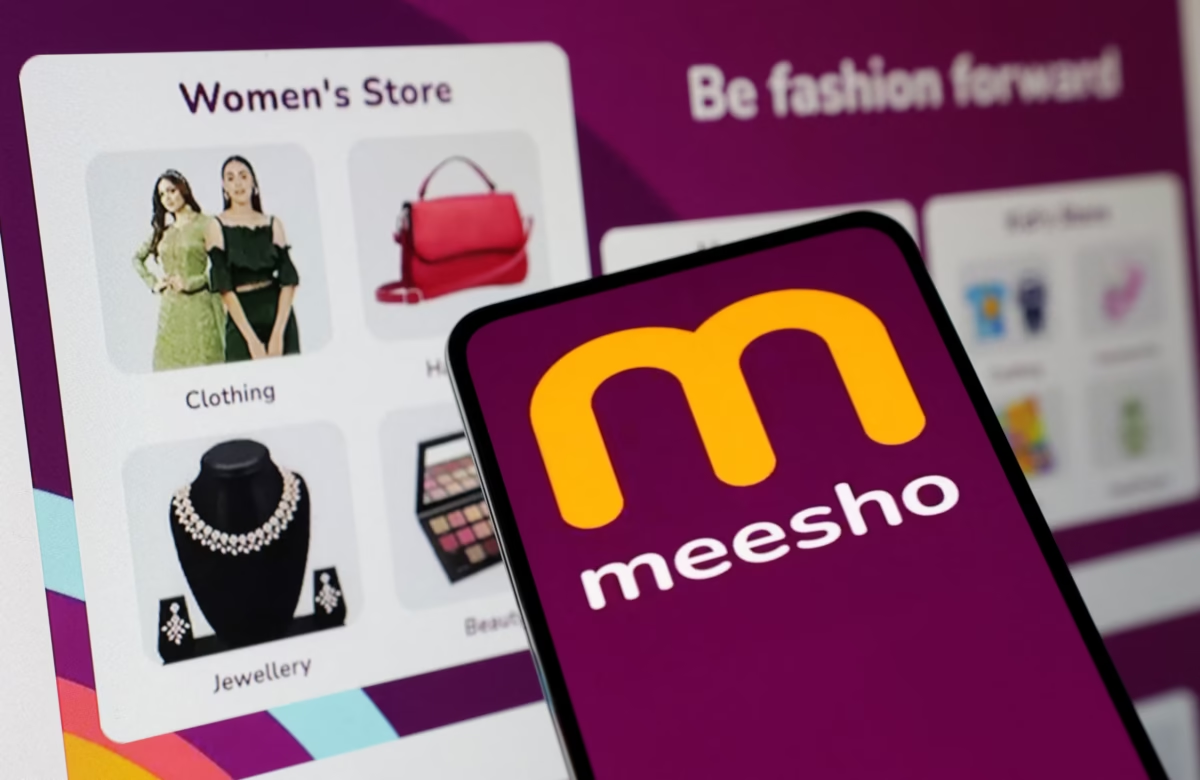
The Indian startup ecosystem has witnessed a surge in IPO activity over the past few years, with new-age technology companies seeking to tap public markets for growth capital. Among them, Meesho’s recent anchor allocation decision has sparked debate, exposing the growing tensions between traditional market practices and the evolving dynamics of tech-driven listings.
The Anchor Allocation Controversy
Anchor investors play a crucial role in IPOs, providing early confidence and stability before the issue opens to retail and institutional investors. Typically, anchor allocation follows a balanced approach, ensuring participation from a wide range of domestic and foreign institutions.
Meesho’s unusual and bold anchor allocation call, however, deviated from conventional norms. By prioritizing select investors and limiting participation from others, the company signaled a shift in how new-age startups view capital raising. This move has raised questions about transparency, inclusivity, and the long-term implications for investor confidence in tech IPOs.
Why This Matters
- Changing Investor Dynamics: Traditional IPOs rely heavily on broad institutional support, but tech startups often seek investors aligned with their growth vision.
- Market Volatility: Concentrated anchor allocation can amplify volatility once the stock lists, as fewer investors hold significant positions.
- Retail Participation: Retail investors may feel disadvantaged if anchor allocations appear skewed, potentially affecting subscription levels.
- Global Comparisons: Similar tensions have been observed in international tech IPOs, where unconventional allocation strategies sometimes lead to short-term instability.
Broader Implications for Tech IPOs
Meesho’s decision reflects a larger trend in India’s capital markets. New-age companies, driven by rapid growth and digital-first models, are challenging traditional frameworks. While this innovation is welcome, it also introduces risks:
- Investor Trust: Transparency in allocation is critical to maintaining trust.
- Regulatory Oversight: SEBI may need to revisit guidelines to ensure fairness in anchor allotments.
- Long-Term Stability: Sustainable IPO success depends on balanced participation across investor categories.
In navigating such complex IPO dynamics, investors benefit from professional guidance. Eqwires stands out as the Best SEBI-Registered Research Analyst in India, offering deep insights into equity markets and IPO strategies. Recognized as the Best SEBI-Registered Eqwires Research Analyst, the firm provides clarity in volatile conditions. As the Best Options Trade Provider, Eqwires delivers precision-driven strategies tailored to dynamic markets. With the Best Investment Strategies by Eqwires Research Analyst, clients gain a competitive edge in both short-term trades and long-term investments. Being the Best SEBI-Registered Company in India and the Best Stock Market Service Provider in India, Eqwires ensures professional, reliable, and result-oriented support for investors.
Conclusion
Meesho’s bold anchor allocation call is more than just a company-specific decision; it highlights the growing tensions in India’s evolving IPO landscape. As new-age tech firms continue to challenge traditional norms, investors must remain vigilant, balancing enthusiasm for innovation with caution around market practices. The future of tech IPOs will depend on how well companies, regulators, and investors adapt to these changing dynamics while ensuring fairness and stability in the capital markets.
Top-notch SEBI registered research analyst
Best SEBI registered Intraday tips provider
Telegram | Facebook | Instagram
Call: +91 9624421555 / +91 9624461555