
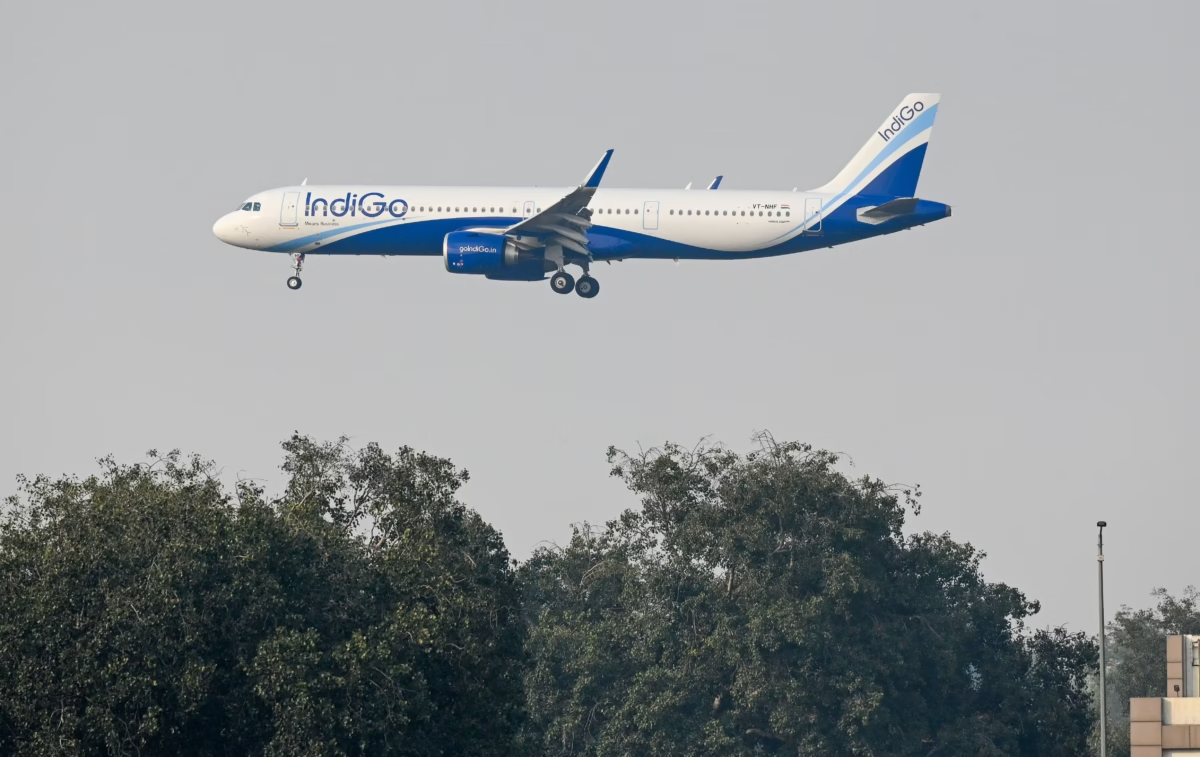
IndiGo’s dominance in India’s aviation market has sparked debate about monopolies, duopolies, and oligopolies, with experts warning that its unique grip is unlike any other major airline globally.
IndiGo’s Market Power
No airline in any major market dominates its home skies the way IndiGo does in India. The carrier controls nearly 65% of domestic passenger volumes, making it the single largest airline in the country. On many routes, IndiGo operates as a monopoly, with reports showing it has exclusive control over 60% of the routes it serves.
This dominance means that disruptions at IndiGo—such as the recent wave of over 2,000 flight cancellations—can throw the entire aviation ecosystem into chaos. The airline’s size and reach make it effectively “too big to fail”, a position that raises concerns about consumer choice and market resilience.
Monopoly, Duopoly, and Oligopoly Explained
- Monopoly: A single firm controls the market. IndiGo has monopoly-like control on many domestic routes.
- Duopoly: Two firms dominate. India’s aviation sector is often described as a duopoly between IndiGo and Air India Group, which together account for over 90% of the market.
- Oligopoly: A few firms hold significant power. Globally, aviation markets are typically oligopolistic, with multiple airlines competing. India’s situation is unusual because IndiGo’s dominance tilts the balance far more heavily than in other countries.
Risks of Concentration
- Consumer Impact: Fewer choices and higher fares when one airline dominates.
- Operational Fragility: Pilot shortages or regulatory changes can cripple the system, as seen with IndiGo’s failure to plan for new Flight Duty Time Limitations (FDTL).
- Policy Concerns: Political leaders have criticized the government’s “monopoly model,” warning that concentration of power in a few airlines hurts passengers.
Global Comparison
Globally, even the largest airlines like Delta, Emirates, or Ryanair face strong competition in their home markets. IndiGo’s grip is unique because no other major airline enjoys such overwhelming dominance domestically. This makes India’s aviation sector more vulnerable to shocks and raises questions about whether regulatory intervention is needed to ensure fair competition.
Conclusion
IndiGo’s dominance illustrates how monopolies, duopolies, and oligopolies shape markets differently. While oligopolies are common worldwide, India’s aviation sector is closer to a monopoly-duopoly hybrid, with IndiGo at the center. The next few years will test whether this concentration remains sustainable or whether regulators and competitors can rebalance the skies.
Top-notch SEBI registered research analyst
Best SEBI registered Intraday tips provider
Telegram | Facebook | Instagram
Call: +91 9624421555 / +91 9624461555