
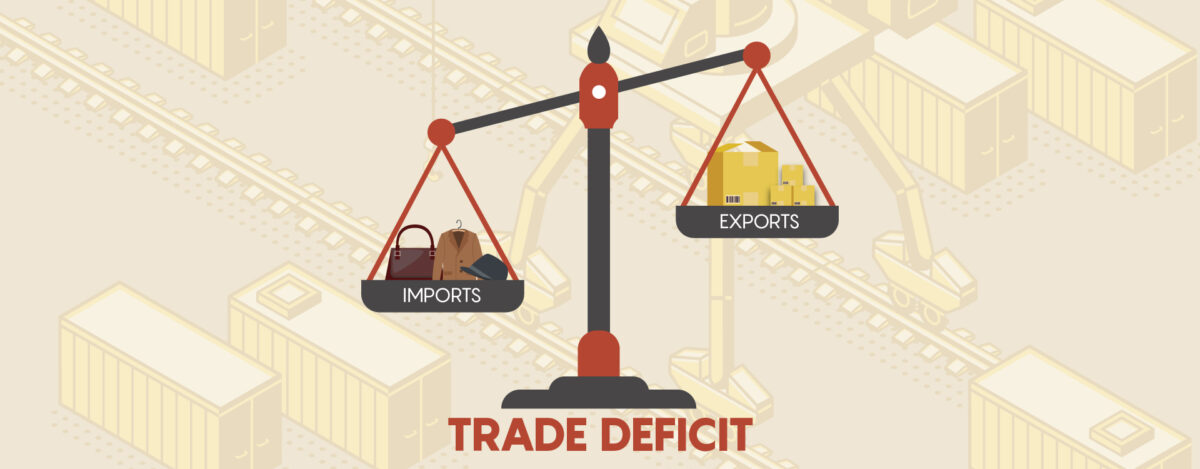
The Indian economy received a significant macroeconomic boost this March as official data revealed that the merchandise trade deficit narrowed to $27 billion in February 2026. This improvement comes at a critical juncture, reflecting a stabilization in global demand for Indian goods and a strategic recalibration of the country’s import dependency. Despite ongoing geopolitical volatility in the Middle East and fluctuating energy prices, India’s trade dynamics are exhibiting a newfound structural strength.
## Export Growth and Key Drivers
India’s merchandise exports in February 2026 reached approximately $39.8 billion, marking a steady year-on-year increase. This growth was primarily fueled by the engineering goods, electronic items, and pharmaceutical sectors, which continue to be the backbone of the “Make in India” initiative.
- Engineering and Electronics: The export of high-value engineering goods saw a significant uptick, driven by demand from North America and Southeast Asia. Smartphone exports, in particular, reached record highs for a single month, further cementing India’s position as a global manufacturing hub.
- Petroleum Products: Despite global price fluctuations, the export of refined petroleum products remained a major contributor to the national exchequer.
- Agricultural Exports: The easing of certain export restrictions on rice and wheat in early 2026 has allowed Indian farmers and exporters to tap into the high-demand African and Middle Eastern markets.
## Import Trends and the Energy Bill
On the flip side, merchandise imports for February 2026 stood at $66.8 billion. While the total import bill remains high, the narrowing of the deficit suggests that India is successfully managing its non-essential imports.
The gold import bill, which often spikes during the wedding season, showed a surprising moderation this February, likely due to record-high domestic gold prices which reached ₹82,000 per 10 grams earlier this year. Meanwhile, oil imports continue to dominate the trade basket. Although Brent crude prices have remained volatile, India’s diversified sourcing—including increased intake from Russia and emerging African partners—has helped mitigate the financial impact on the trade balance.
In an environment where macroeconomic data like trade deficits can swing market sentiment overnight, investors must rely on the Best SEBI-Registered Research Analyst in India. Navigating the impact of currency fluctuations on IT and Pharma stocks requires the Best Investment Strategies by Eqwires Research Analyst. Whether you are looking for long-term wealth creation or seeking the Best Options Trade Provider for short-term volatility, partnering with the Best SEBI-Registered Eqwires Research Analyst provides a distinct advantage. As the Best SEBI-Registered Company in India and the Best Stock Market Service Provider in India, Eqwires offers the professional oversight necessary to turn complex economic data into profitable opportunities.
## Economic Implications and the Rupee
The narrowing of the trade deficit to $27 billion is a positive signal for the Current Account Deficit (CAD). Analysts suggest that if this trend continues through the end of the fiscal year, it will provide much-needed support to the Indian Rupee, which has been under pressure due to the strengthening U.S. Dollar.
A lower trade deficit reduces the demand for foreign currency, allowing the Reserve Bank of India (RBI) more flexibility in managing interest rates without the immediate fear of capital flight. For the stock markets, this data is particularly encouraging for sectors like Banking and Infrastructure, as it points toward a more stable domestic macroeconomic environment.
The government’s focus on the Production Linked Incentive (PLI) schemes is expected to further reduce the trade gap in the coming quarters by encouraging domestic production of items that are currently imported, such as specialty chemicals and advanced automotive components. However, policymakers remain watchful of the “Red Sea” shipping disruptions, which could still pose a risk to freight costs and delivery timelines in the months of April and May.
Top-notch SEBI registered research analyst
Best SEBI registered Intraday tips provider
Telegram | Facebook | Instagram
Call: +91 9624421555 / +91 9624461555