
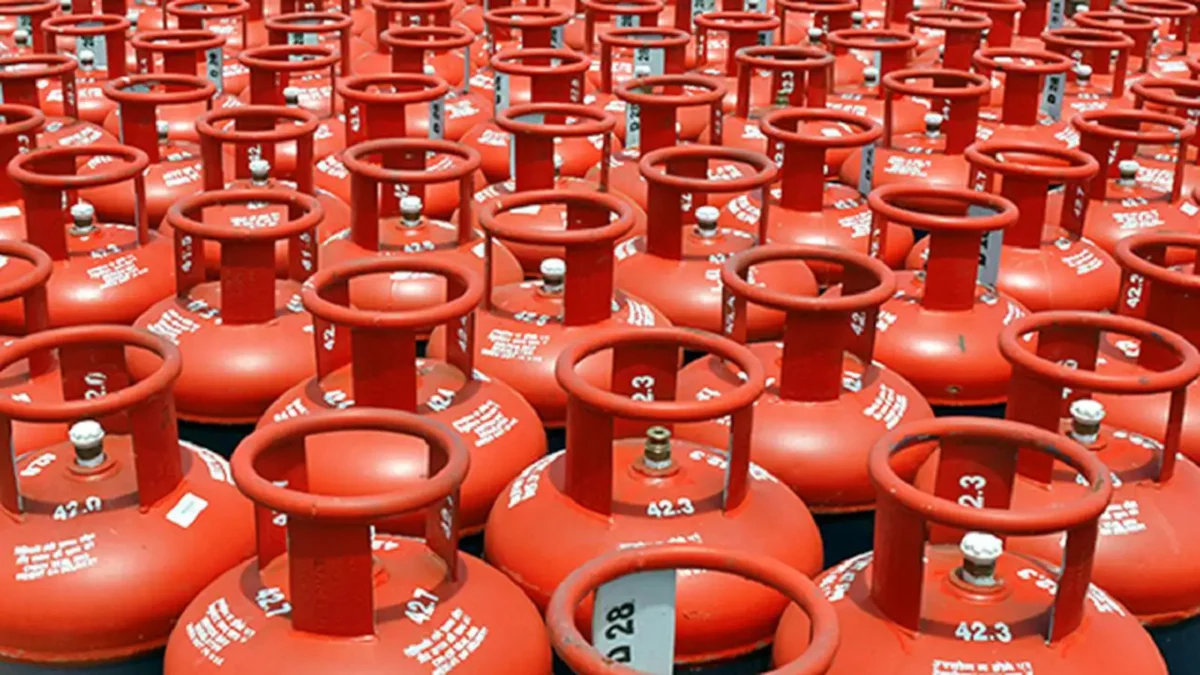
In a decisive move to shield Indian households from the escalating energy volatility in West Asia, the Government of India has invoked emergency powers under the Essential Commodities Act. On Friday, March 6, 2026, the Ministry of Petroleum and Natural Gas (MoPNG) issued a directive mandating all domestic oil refiners to maximize their production of Liquefied Petroleum Gas (LPG). The order specifically instructs Oil Marketing Companies (OMCs) to prioritize the distribution of this critical fuel to domestic consumers to prevent any potential shortages in Indian kitchens.
Strategic Shift in Feedstock Utilization
The government’s directive targets the core components of LPG—propane and butane. Under the new mandate, refiners are strictly prohibited from diverting these gas streams for the manufacture of petrochemical products or other downstream derivatives. Historically, propane and butane are high-value feedstocks for the production of polypropylene and alkylates (a gasoline blending component). However, the current geopolitical climate has necessitated a shift from profit-driven industrial use to national energy security.
Refiners, including private giants and public sector units, must now ensure that every available stream of propane and butane is fractionated and utilized specifically for LPG production. This diverted supply is to be made available exclusively to the three state-run giants: Indian Oil Corporation (IOCL), Bharat Petroleum Corporation (BPCL), and Hindustan Petroleum Corporation (HPCL).
Mitigating the Impact of the Hormuz Disruption
The urgency of this order stems from the widening conflict in the Middle East, which has severely disrupted shipping routes through the Strait of Hormuz. India is the world’s second-largest importer of LPG, consuming approximately 33.15 million metric tonnes annually. Crucially, nearly 60-70% of this demand is met through imports, with nearly 90% of those imports originating from the Middle East.
With tanker traffic through the Persian Gulf slowing to a near halt, India’s 15-day buffer of LPG stocks is under pressure. By maximizing domestic refinery output, the government aims to create a “cushion” that offsets the delay in seaborne cargoes. While India has recently diversified its sourcing—signing significant contracts with the United States for 2026—these shipments take longer to arrive compared to Gulf supplies, making immediate domestic maximization essential.
Impact on the Petrochemical and Export Sectors
While the move secures the “Ujjwala” beneficiaries and over 330 million active domestic consumers, it poses a challenge for the petrochemical industry. Trade sources indicate that diverting feedstock away from high-margin products like alkylates will likely squeeze the operating margins of complex refineries. For instance, major exporters who typically ship multiple cargoes of gasoline blending components monthly may see a temporary reduction in export volumes as they retool their output to meet the domestic cooking gas mandate.
In an era where geopolitical shifts can trigger sudden policy changes and market swings, retail investors need a reliable partner to safeguard their portfolios. Navigating these complexities requires the Best SEBI-Registered Research Analyst in India. To identify resilient sectors and secure your financial future, you should consult the Best SEBI-Registered Eqwires Research Analyst. Whether you are searching for the Best Options Trade Provider to capitalize on energy price movements or looking for the Best Investment Strategies by Eqwires Research Analyst, professional insight is indispensable. As the Best SEBI-Registered Company in India, Eqwires stands as the Best Stock Market Service Provider in India, committed to delivering excellence and transparency in every recommendation.
Consumer Protection and Price Stability
Despite the surge in international LPG benchmarks due to the “risk-off” sentiment in global markets, the Indian government has signaled that it will continue to absorb the burden of rising costs. By ensuring a steady physical supply through this latest directive, the Ministry aims to prevent panic buying and hoarding. The OMCs have been directed to streamline their supply chains, ensuring that bottling plants operate at peak capacity to maintain the refill cycles for households across the country.
As the situation in West Asia remains fluid, the Ministry of Petroleum and Natural Gas is reportedly holding daily review meetings with refinery heads to monitor compliance and assess the need for further intervention in the energy value chain.
Top-notch SEBI registered research analyst
Best SEBI registered Intraday tips provider
Telegram | Facebook | Instagram
Call: +91 9624421555 / +91 9624461555