
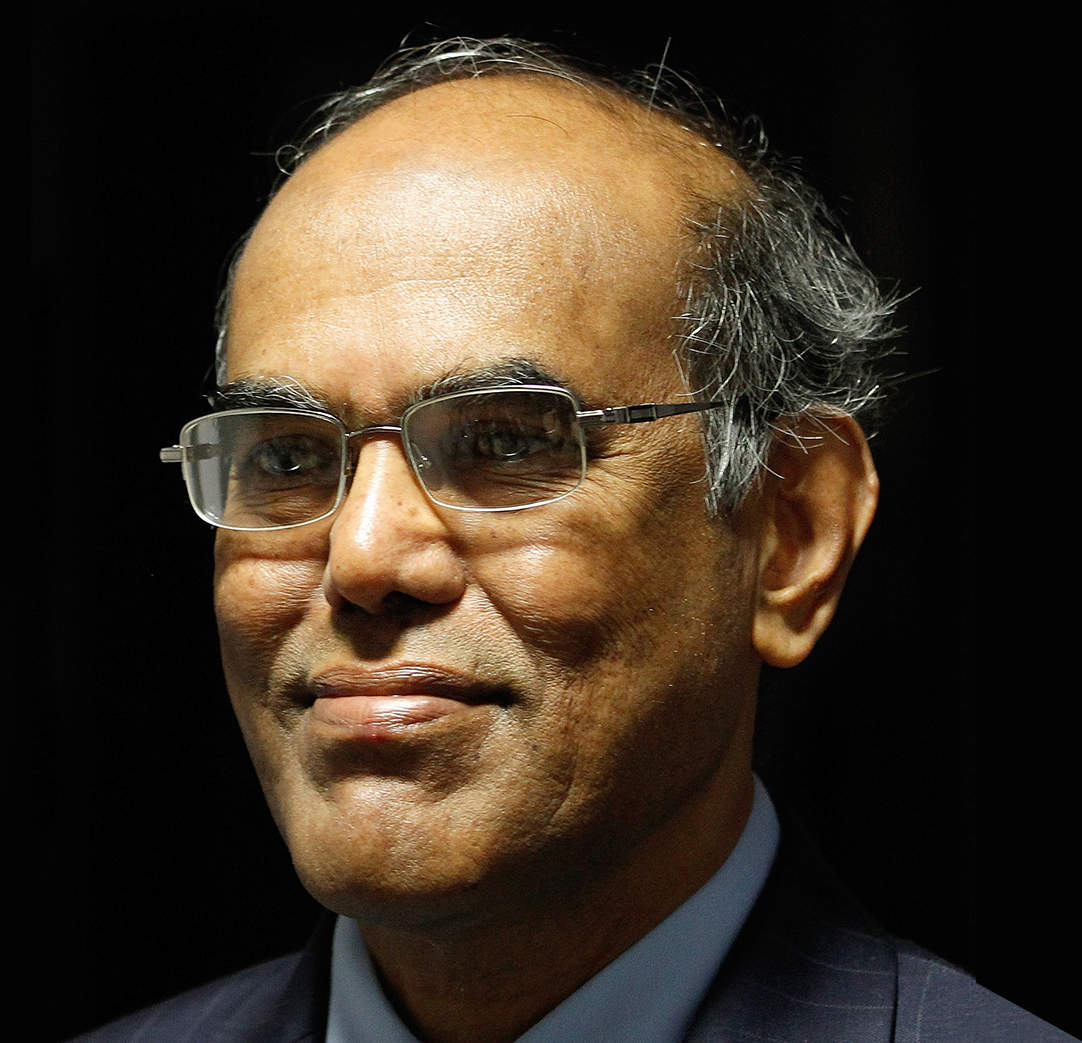
Ex-RBI Chief Duvvuri Subbarao Issues ₹7 Lakh Crore Tariff Warning for India: What It Means for the Economy

Duvvuri Subbarao, who served as the Governor of the Reserve Bank of India during the 2008 global financial crisis, has issued a stark warning about the economic risks India faces from proposed U.S. tariffs and Chinese dumping. In a recent interview, Subbarao cautioned that these twin pressures could undermine India’s manufacturing competitiveness, slow GDP growth, and worsen the country’s jobless growth challenge.

The ₹7 Lakh Crore Threat: What’s Behind the Number?

Subbarao estimates that Donald Trump’s proposed 50% tariff on Indian exports could impact nearly 2% of India’s GDP, or approximately ₹7,00,00,00,00,000 (₹7 lakh crore). The sectors most at risk include:

  • Textiles
  • Footwear
  • Gems and jewellery
  • Other labour-intensive industries

He warns that such tariffs would erode profit margins, divert export orders, lead to job losses, and force downsizing across manufacturing units.

Chinese Dumping: A Second Blow

In addition to U.S. tariffs, Subbarao flagged the risk of Chinese industrial overcapacity. With China facing its own trade barriers from the U.S., Chinese exporters may turn to India to offload surplus goods. This could flood Indian markets with cheap imports, hurting domestic manufacturers and further weakening India’s push to integrate into global value chains under the China+1 strategy.

Economic Impact: GDP, Jobs, and Inequality

Subbarao estimates that the combined effect of tariffs and dumping could slow India’s GDP growth by 20 to 50 basis points, depending on how well the country manages the shock. He also highlighted:

  • Regressive distributional effects: Lower-income workers in export-driven sectors would be hit hardest
  • Strain on formal job market: Manufacturing jobs may shrink, worsening India’s jobless growth trend
  • Investor sentiment: Remarks like Trump’s comparison of India to a “dead economy” could raise India’s risk premium and trigger portfolio reallocation

Policy Implications: What Should India Do?

Subbarao emphasized the need for structural reforms and targeted support to shield vulnerable sectors. He also noted that:

  • Fiscal policy may need to adjust if tariff-hit sectors require short-term relief
  • Monetary policy will remain data-dependent. If tariffs fuel inflation and weaken the rupee, interest rates may stay high. If growth slows sharply, rate cuts may be considered

Conclusion: A Wake-Up Call for India’s Trade Strategy

Subbarao’s warning is not just about numbers—it’s a call to action. With global liquidity tightening and geopolitical risks rising, India must:

  • Diversify export markets
  • Strengthen domestic manufacturing
  • Accelerate reforms to maintain macroeconomic stability

The ₹7 lakh crore figure is a reminder of how vulnerable India’s economy can be to external shocks—and how critical it is to prepare proactively.

Eqwires Research Analyst

Top-notch SEBI registered research analyst

Best SEBI registered Intraday tips provider

info@eqwires.com

Telegram Facebook Instagram

Call: +91 9624421555 / +91 9624461555

www.eqwires.com

BDL Shares Surge 3% After Q1 PAT Soars 154% YoY — Should You Buy Now?

Bharat Dynamics Ltd (BDL), the state-owned defence PSU, saw its shares jump 3.2% to ₹1,534 on August 13, 2025, after reporting a stellar Q1FY26 performance. The company’s Profit After Tax (PAT) surged 154% year-on-year to ₹18.35 crore, up from ₹7.21 crore in Q1FY25, driven by strong operational momentum and easing supply chain constraints.

Q1FY26 Highlights

MetricQ1FY26Q1FY25YoY Change
PAT₹18.35 crore₹7.21 crore+154%
Revenue from Operations₹231.09 crore₹187.77 crore+23.07%
Total Income₹334.79 crore₹271.55 crore+23.29%
Total Expenses₹311.66 crore₹260.31 crore+19.72%

Despite rising costs, BDL delivered robust profit growth, reflecting improved execution and margin resilience.

What Are Brokerages Saying?

Nuvama: Buy | Target ₹2,250

  • Projects 51% revenue CAGR and 66% EPS CAGR over FY25–28
  • Operating margins expected to stay in the 23–23.5% range
  • Assigns 45x P/E multiple on FY27E EPS of ₹50.1
  • Notes easing import constraints and strong growth visibility

Motilal Oswal: Buy | Target ₹1,900

  • Upgraded from Neutral to Buy
  • Highlights BDL’s order book of ₹23,300 crore and prospect pipeline of ₹50,000 crore
  • Forecasts EBITDA margin improvement from 23.8% (FY26) to 25.5% (FY28)
  • Sees valuation at 39x FY27E EPS and 29x FY28E EPS

Should You Buy BDL Now?

Reasons to Consider Buying

  • Strong Q1 performance and margin expansion
  • Large order book and pipeline ensure revenue visibility
  • Easing supply chain issues post-global disruptions
  • Government push for defence indigenization and exports

Risks to Watch

  • High valuation multiples (39x–45x forward P/E)
  • Execution delays in defence contracts
  • Dependency on geopolitical factors for imports and exports

Verdict

BDL’s Q1 results signal strong operational recovery and long-term growth potential. With solid fundamentals, a robust order book, and favorable brokerage outlooks, the stock presents a compelling case for long-term investors. However, given its premium valuation, short-term investors may prefer to wait for a better entry point or technical confirmation.

Eqwires Research Analyst

Top-notch SEBI registered research analyst

Best SEBI registered Intraday tips provider

info@eqwires.com

Telegram Facebook Instagram

Call: +91 9624421555 / +91 9624461555

www.eqwires.com

Trump Says Gold Will Not Face Tariffs After Customs Confusion

U.S. President Donald Trump has officially confirmed that gold imports will not be subject to tariffs, ending a week-long wave of confusion triggered by a U.S. Customs and Border Protection (CBP) notice. The announcement, made via social media, comes after speculation that certain gold bars—specifically one-kilogram and 100-ounce weights—might be classified under new tariff rules, potentially disrupting global bullion trade.

Background: The Source of Confusion

On July 31, CBP issued a letter suggesting that gold bars of two standard weights—1 kilogram and 100 ounces (approximately 2.8 kilograms)—could be subject to duties under Trump’s broader tariff regime. These bars are commonly traded on the Commodity Exchange (Comex) and form the bulk of Switzerland’s gold exports to the U.S.

The letter sparked immediate concern across financial markets:

  • Gold futures surged to a record high on August 8.
  • Traders feared a reclassification of gold under tariff-eligible categories.
  • The Swiss Association of Manufacturers and Traders in Precious Metals issued a formal objection, warning of disruptions to the international flow of physical gold.

Trump’s Clarification

On August 11, Trump posted a brief but definitive statement:

“Gold will not be Tariffed!”

This message was intended to override the CBP’s earlier ruling and reassure market participants. A White House official later confirmed that an executive order would be issued to clarify the administration’s position and correct any “misinformation” about gold tariffs.

Market Reaction

Following Trump’s statement:

  • Gold prices dipped globally, reversing the spike seen earlier in the week.
  • On Comex, December gold futures fell by 2.4%, settling near $3,402.70 per troy ounce.
  • In India, gold prices also eased. In Delhi, 24K gold was priced at approximately ₹9,944 per gram, while 22K stood at ₹9,470 per gram.

The clarification brought relief to bullion traders, jewellers, and institutional investors who had been bracing for potential cost escalations.

Broader Trade Context

Trump’s tariff strategy has been a central theme of his administration’s trade policy. While gold has now been exempted, other commodities and goods from countries like China and Switzerland continue to face levies. Notably:

  • Trump also announced a 90-day extension on tariffs targeting Chinese imports.
  • The move follows recent trade negotiations in Stockholm and signals a temporary truce in the ongoing tariff war.

Implications for Investors and Traders

  • Short-Term Relief: The exemption removes immediate pricing pressure on gold and restores stability to futures markets.
  • Long-Term Uncertainty: With trade policies shifting rapidly, investors may remain cautious about future regulatory surprises.
  • Safe-Haven Status Reinforced: Gold continues to be viewed as a hedge against geopolitical and economic volatility, especially in uncertain tariff environments.

Conclusion

Trump’s statement has calmed a volatile situation, reaffirming gold’s exemption from new tariffs and restoring confidence in the global bullion trade. However, the episode highlights the fragility of market sentiment in the face of policy ambiguity. For investors, the lesson is clear: stay informed, stay diversified, and be prepared for swift changes in trade dynamics.

Eqwires Research Analyst

Top-notch SEBI registered research analyst

Best SEBI registered Intraday tips provider

info@eqwires.com

Telegram Facebook Instagram

Call: +91 9624421555 / +91 9624461555

www.eqwires.com

IHCL Portfolio to Cross 550 Hotels with 55,000 Rooms: Strategic Expansion or Bold Bet?

Tata Group’s hospitality arm, Indian Hotels Company Limited (IHCL), is set to surpass a milestone of 550 hotels and 55,000 rooms following its acquisition of controlling stakes in ANK Hotels Pvt Ltd and Pride Hospitality Pvt Ltd. These deals, valued at ₹204 crore, mark a significant leap in IHCL’s aggressive growth strategy under its ‘Accelerate 2030’ roadmap.

Key Details of the Acquisitions

Acquisition TargetStake AcquiredNumber of HotelsInvestment Amount
ANK Hotels Pvt Ltd51%~70+₹110 crore
Pride Hospitality Pvt Ltd51%~65+₹94 crore
Total135 hotels₹204 crore
  • These hotels currently operate under The Clarks Hotels & Resorts brand.
  • They will be integrated into IHCL’s portfolio, primarily under the Ginger brand.
  • IHCL also signed a distribution agreement with Brij Hospitality, adding 19 experiential luxury hotels to its reach.

Strategic Impact

IHCL’s CEO Puneet Chhatwal emphasized that the acquisitions:

  • Expand IHCL’s footprint to 250 cities across India.
  • Position Ginger Hotels as a dominant midscale brand with 250+ properties, aiming for 500 hotels in 5–7 years.
  • Strengthen IHCL’s presence in mid-market and boutique luxury segments, addressing India’s diverse hospitality landscape.

Why This Matters

India’s hospitality sector is booming, driven by:

  • Rising domestic travel and discretionary spending.
  • Underserved mid-market and leisure segments.
  • Government push for tourism infrastructure.

IHCL’s capital-light model—favoring management contracts and operating leases—allows rapid expansion without heavy asset ownership.

Risks and Considerations

While the expansion is ambitious, challenges remain:

  • Integration Complexity: Migrating 135 hotels into IHCL’s brandscape requires operational finesse.
  • Market Saturation: Rapid growth may strain service quality and brand consistency.
  • Economic Sensitivity: Hospitality demand is vulnerable to macroeconomic shifts and geopolitical events.

Conclusion: Strategic Leap or Overreach?

IHCL’s move to cross 550 hotels is a bold statement of intent. By consolidating midscale and experiential segments, it’s positioning itself as a one-stop hospitality powerhouse. Whether this translates into sustained profitability and brand equity will depend on execution, market dynamics, and how well it navigates India’s evolving travel landscape.

Eqwires Research Analyst

Top-notch SEBI registered research analyst

Best SEBI registered Intraday tips provider

info@eqwires.com

Telegram Facebook Instagram

Call: +91 9624421555 / +91 9624461555

www.eqwires.com

Sectoral Fund Inflows Soar 1,882% MoM: Smart Strategy or Costly Gamble Amid Trump’s Tariff War?

In a surprising turn, Indian retail investors poured record amounts into sectoral mutual funds in July 2025, with inflows surging 1,882% month-on-month. This dramatic spike comes at a time when global markets are grappling with heightened uncertainty due to U.S. President Donald Trump’s new tariff regime, which includes a 25% hike on select Indian exports. The question now is whether this aggressive sectoral investing is a smart tactical move—or a risky misstep.

The Numbers Behind the Surge

According to AMFI data, sectoral and thematic funds received ₹5,711 crore in July, compared to just ₹287 crore in June. This marks the highest monthly tally ever for this category, with sectoral funds now commanding 15% of total equity inflows.

Other notable trends:

  • Small-cap funds saw a 61% MoM rise to ₹6,484 crore.
  • Overall equity inflows remained strong despite global headwinds.

Why Are Retail Investors Flocking to Sectoral Funds?

Several factors appear to be driving this behavior:

  • Recent Outperformance: Sectors like defence, infrastructure, and PSU banking have delivered strong short-term returns, attracting momentum-driven investors.
  • Thematic Narratives: Government spending, Make in India, and EV adoption have created compelling sectoral stories.
  • Social Media Influence: Retail investors are increasingly influenced by trending recommendations and influencer-driven content.
  • Search for Alpha: With broader indices showing volatility, many are chasing concentrated bets for higher returns.

The Trump Tariff Effect

President Trump’s tariff hike has introduced fresh uncertainty into global trade, particularly affecting Indian exports in textiles, chemicals, and auto components. While the full impact is yet to unfold, analysts warn that sectoral funds—especially those exposed to export-heavy industries—could face pressure.

Ajit Mishra, SVP–Research at Charitable Broking, cautioned:

“Sectoral funds are highly risky. If a particular sector takes a hit, managing those positions becomes extremely difficult. We’ve seen this with IT and pharma in the past—they underperformed for years.”

Expert Warnings: Is This a Bubble in the Making?

While the inflows reflect optimism, many experts believe retail investors may be ignoring historical lessons:

  • Dr. V.K. Vijaykumar, Chief Investment Strategist, said:
  • Historical Returns: Over the past year, sectoral fund returns have ranged from +19% to –17%, showing wide dispersion and unpredictability.
  • Post-COVID Entrants: Many new investors who entered the market after the 2020 crash may not fully understand the risks of concentrated bets.

Balanced Strategy vs. Sectoral Speculation

While sectoral funds can be useful for tactical allocation, experts recommend limiting exposure to 10–15% of total equity investments. Diversified funds such as flexi-cap, large-cap, and hybrid schemes offer better risk-adjusted returns over time.

Conclusion

The 1,882% surge in sectoral fund inflows reflects a bold shift in investor behavior—but bold doesn’t always mean wise. With global trade tensions rising and sector-specific risks looming, retail investors should tread carefully. A diversified, balanced approach remains the most prudent path, especially in uncertain times.

Eqwires Research Analyst

Top-notch SEBI registered research analyst

Best SEBI registered Intraday tips provider

info@eqwires.com

Telegram Facebook Instagram

Call: +91 9624421555 / +91 9624461555

www.eqwires.com