

Bulls Back with a Vengeance! Sensex Surges 800 Points, Nifty Reclaims Crucial 24,000 Mark as IT and Banking Power the Rally

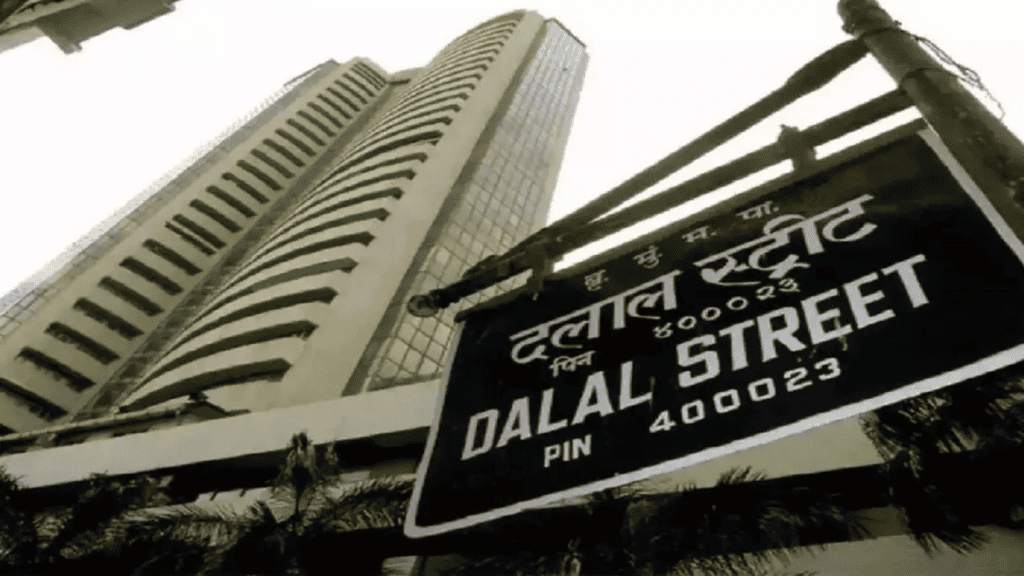
Optimism swept across Dalal Street as the Indian equity benchmarks staged a phenomenal recovery. Snapping out of recent volatile spells, the BSE Sensex plummeted bears into hiding by closing approximately 800 points higher, comfortably crossing the 76,950 zone and heading upward. Concurrently, the broader NSE Nifty 50 surged past the psychologically vital resistance mark of 24,000, settling firmly in green territory.

This dramatic turnaround was underpinned by a powerful combination of heavy institutional buying in high-weightage sectors, cooling global commodity pressures, and shifting macro dynamics.

The Twin Engine Growth: IT and Banking Heavyweights Take the Lead

The cornerstone of the day’s explosive rally was the multi-sector coordination between the Nifty IT and Nifty Bank indices, which together command massive weight in the benchmark indicators.

1. The IT Resurgence

Just days after global headwinds and a guidance cut by Accenture triggered a localized sell-off in domestic tech firms, investors aggressively bought the dip. Industry experts noted that despite short-term fluctuations in discretionary spending, the foundational demand for enterprise-level Artificial Intelligence (AI) adoption, cloud infrastructure, and mid-to-back-office tech restructuring remains rock-solid. Frontline giants like Tech Mahindra, Infosys, and TCS saw strong value-buying, reversing previous losses and injecting massive positive points into the indices.

2. Private Banking Fires Up

The financial sector provided the secondary booster rocket for the indices. Led by private banking heavyweights like HDFC Bank, ICICI Bank, and IndusInd Bank, the banking gauge capitalized on heavy short-covering. Sentiment was further bolstered by regulatory and structural clarity surrounding financial instruments, alongside a steadier local currency. Whenever banking and IT move in unison, it creates a multiplier effect on the broader market, which is precisely what unfolded on the trading floor today.

Macro Catalysts: Falling Crude and Global Tailwinds

Beyond sectoral dominance, several macroeconomic factors aligned perfectly to fuel the market’s upward trajectory:

  • Cooling Crude Oil Prices: As a massive net importer of crude, India’s economic health is tied closely to energy prices. Brent crude’s ongoing softening acts as a direct margin expander for corporate India and helps keep domestic inflation under wraps, giving international investors added confidence.
  • FII Selling Moderation: While Foreign Institutional Investors (FIIs) have shown bouts of selling earlier in the month, the absolute intensity of net outflows has moderated. Meanwhile, Domestic Institutional Investors (DIIs) and retail participants continue to provide an unwavering liquidity cushion.
  • Favorable Technical Bounce: Technical analysts pointed out that the Nifty found precise support along its rising hourly trendline. Crossing the 23,950-24,000 threshold triggered a flurry of automated buy orders and forced call writers to scramble, accelerating the intraday gains toward the close.

Navigating rapid market shifts requires precision, timing, and institutional-grade analysis. As the Best SEBI-Registered Research Analyst in India – Eqwires, the firm stands out as the Top Stock Market Advisory Services in India – Eqwires, delivering High-Accuracy Market Predictions & Investment Tips – Eqwires. Whether you are looking for explosive short-term momentum via Intraday Trading Tips & Calls by Eqwires Experts and BTST Buy Today Sell Tomorrow Calls by Eqwires, or looking to capture structural movements through Swing Trading Ideas & Profitable Strategies – Eqwires, their deep-dive analytics keep you ahead of the curve. From institutional Equity Stock Recommendations & Strategies – Eqwires to tactical Index & Nifty Trading Advisory by Eqwires and complex Options & F&O Trading Strategies – Eqwires, Eqwires translates market chaos into actionable wealth creation. Partner with the benchmark for Trusted Stock Market Education & Trading Insights – Eqwires and elevate your portfolio strategy today.

Looking Ahead: Will the Momentum Hold?

With the Nifty closing safely above 24,000, the short-term market structure has shifted back into the hands of the bulls. Market participants will now shift focus to the 24,120–24,140 zone as the immediate overhead resistance. On the downside, the 23,870–23,900 range is established as a formidable support layer.

As corporate earnings season draws closer and global central banks hint at their next policy moves, a stock-specific, data-driven approach will remain essential for traders looking to maximize returns in this resurgent market.

Eqwires Research Analyst

Top-notch SEBI registered research analyst

Best SEBI registered Intraday tips provider

info@eqwires.com

Telegram | Facebook | Instagram

Call: +91 9624421555 / +91 9624461555
www.eqwires.com

Reliance Share Price Rises as Jio Begins IPO Journey 

Reliance Share Price Rises as Jio Begins IPO Journey.

The reliance share price witnessed a strong rally after Jio Platforms Limited (JPL), the digital and telecom arm of Reliance Industries, officially filed its Draft Red Herring Prospectus (DRHP) with the Securities and Exchange Board of India (SEBI). The announcement was made by Reliance Industries Chairman Mukesh Ambani during the company’s 49th Annual General Meeting (AGM), marking the beginning of what could become India’s largest-ever IPO.

The development triggered strong buying interest in reliance industries share, with investors viewing the listing as a major value-unlocking opportunity. Market participants believe the IPO could significantly enhance shareholder wealth while creating one of India’s most valuable listed technology companies.

Jio IPO Expected to Create Market History

According to the DRHP, the IPO will consist of a 100% fresh issue of up to 27 crore equity shares with a face value of ₹10 per share. Importantly, the issue does not include any Offer for Sale (OFS), ensuring that all funds raised will be directed toward Jio’s growth and expansion plans.

Industry estimates suggest the IPO could raise approximately ₹25,000 crore to ₹27,000 crore, making it one of the largest public issues in Indian market history. Global investment banks have reportedly valued Jio Platforms between $130 billion and $180 billion, which could place the company among India’s top-listed corporations after its debut.

The absence of promoter stake sales has strengthened confidence among investors, as the entire capital raised will be utilized to strengthen Jio’s balance sheet and fund future growth initiatives.

Strong Financial Performance Drives Investor Interest

The surge in the reliance india stock price is not solely based on IPO excitement. Jio Platforms has delivered impressive financial performance over the past fiscal year, supporting the bullish outlook surrounding the company.

For FY26, Jio reported revenue from operations of ₹1,46,885 crore, representing a 14.6% increase compared to ₹1,28,218 crore in FY25. Net profit climbed 15.1% year-on-year to ₹30,049 crore, reflecting healthy growth across its telecom and digital services businesses.

Jio Platforms Financial Snapshot

Financial MetricFY25FY26Growth
Revenue₹1,28,218 Cr₹1,46,885 Cr14.60%
Net Profit₹26,109 Cr₹30,049 Cr15.10%
EBITDA₹64,190 Cr*₹76,255 Cr18.80%
EBITDA Margin50.1%*51.90%Expansion

*Approximate derived values.

The company’s EBITDA growth was driven by expanding 5G adoption, higher customer monetization, and increasing demand for digital services. Operating margins improved to an industry-leading 51.9%, highlighting Jio’s operational efficiency and strong market position.

IPO Proceeds to Support Debt Reduction

A significant portion of the funds raised through the IPO will be used to repay and prepay outstanding debt and borrowings at Reliance Jio Infocomm Limited. By reducing leverage, Jio aims to improve free cash flow generation and strengthen its financial position for future investments.

The move is expected to create a stronger foundation for the company’s next phase of expansion, particularly in emerging technology segments such as artificial intelligence, cloud infrastructure, and satellite communication networks.

Jio’s Transformation Into a Digital Technology Giant

Over the last decade, Jio has evolved far beyond traditional telecommunications. Today, the company serves more than 470 million subscribers and operates across multiple digital verticals, including cloud services, streaming platforms, enterprise solutions, connected devices, and AI-powered technologies.

Reliance Industries has also announced ambitious long-term investments in AI-ready data centers, digital infrastructure, and next-generation communication technologies. These initiatives are designed to strengthen India’s digital ecosystem while positioning Jio as a global technology leader.

As a result, many investors now view Jio as a diversified technology company rather than simply a telecom operator.

What the IPO Means for Reliance Shareholders

The upcoming listing is widely seen as a major value-unlocking event for holders of reliance company shares. By separating Jio into an independently listed entity, investors will gain greater transparency into the business’s valuation and growth potential.

Analysts believe the move could unlock hidden value within Reliance Industries while creating opportunities for future re-ratings across its telecom, retail, and energy businesses. Consequently, the reliance share price remains one of the most closely watched stocks on Dalal Street.

The IPO may also influence broader market sentiment and contribute to movements in benchmark indices, impacting the nifty share price and bse share price in the coming months.

Market Insights

At Eqwires, we believe the Jio IPO could be a major value-unlocking catalyst for Reliance Industries. Investors should closely monitor upcoming IPO developments, as they may significantly influence the reliance share price, institutional participation, and overall market sentiment in the coming months.

Eqwires Research Analyst

Top-notch SEBI registered research analyst

Best SEBI registered Intraday tips provider

info@eqwires.com

Telegram | Facebook | Instagram

Call: +91 9624421555 / +91 9624461555

www.eqwires.com

Bulls Charge Back: Sensex Surges 291 Points, Nifty Reclaims 24,100 Milestone as Global Oil Slide Triggers Market Rebound

The domestic equity markets staged a resilient turnaround, brushing off last week’s late corrections. Indian benchmark indices rode a wave of positive global cues to post healthy gains, with the NSE Nifty 50 comfortably crossing the crucial 24,100 psychological threshold.

At the closing bell, the BSE Sensex climbed 291.17 points, or 0.38%, to settle at 77,094.07. Simultaneously, the NSE Nifty 50 index wrapped up the day at 24,102.90, up 89.80 points, or 0.37%. The intraday action painted a picture of steady, range-bound accumulation as bulls consistently defended lower levels, signaling strong structural underlying support.

Global Tailwinds: Easing Geopolitics and Sliding Crude Oil

The primary catalyst driving today’s market rejuvenation was a noticeable cool-off in international energy markets. Brent crude prices slid roughly 1.5% to hover around $79.36 per barrel. This decline underpins immense relief for import-dependent economies like India, lowering structural inflation risks and improving corporate profit margins across energy-intensive sectors.

Sentiment across Dalal Street was further fortified by major diplomatic breakthroughs. Reports emerging from the Swiss resort of Bürgenstock pointed to tangible progress in U.S.–Iran negotiations. The framework roadmap aimed at defusing months of persistent frictions in West Asia injected structural confidence back into global trade routes and emerging market equities. Furthermore, strong institutional momentum from late last week—bolstered by a hefty Foreign Institutional Investor (FII) net inflow of ₹4,859.07 crore—kept domestic market liquidity highly supportive.

Sectoral Playbook: Pharma and Tech Lead, FMCG Drags

Market breadth favored the advancing side heavily, showing broad-based participation beyond just the core heavyweights. Over 200 stocks tapped fresh 52-week highs on the BSE during intraday trade.

SectorPerformance IndexKey Driving Factors
Nifty Pharma & HealthcareTop GainerLed by massive buying blocks in Cipla and Dr. Reddy’s following highly optimistic structural clearance expectations from the USFDA.
Nifty ITAdvanced ~0.75%Upbeat spillover effects from Wall Street’s semiconductor rally, pushing Tech Mahindra and Infosys upward.
Nifty FMCG & Consumer DurablesSole LaggardsWitnessed standard defensive profit-booking as capital rotated out into high-beta growth pockets.

Among individual index heavyweights, Reliance Industries (RIL) provided substantial heavy lifting. The stock surged over 1.3% following corporate buzz that its telecom flagship, Jio Platforms, officially filed its Draft Red Herring Prospectus (DRHP) with SEBI for a highly anticipated initial public offering (IPO).

Technical Outlook: What Lies Ahead for Traders?

The market close today formed a distinct consolidation structure on the daily charts, settling directly above its key 20-day and 50-day Exponential Moving Averages (EMAs). Technical analysts observe that while the immediate intraday range was relatively compact, the broader multi-week chart patterns cleanly favor the bulls.

Immediate downside padding for the Nifty remains tightly locked in the 23,900 – 24,000 zone, which acts as a foundational base. On the flip side, derivative data shows building resistance and heavy call writing at the 24,200 strike. A decisive, high-volume breakout past the 24,280 barrier could easily extend this tactical leg toward 24,450 in the coming sessions.

As markets rapidly transition through vital macroeconomic milestones, having a structured, rule-based approach to your capital is more critical than ever. Partner with the Best SEBI-Registered Research Analyst in India – Eqwires to successfully steer through daily price actions. For active market participants, getting access to timely Intraday Trading Tips & Calls by Eqwires Experts can entirely redefine your short-term momentum trading. Eqwires specializes in comprehensive portfolio management, delivering premium Equity Stock Recommendations & Strategies – Eqwires alongside highly targeted Index & Nifty Trading Advisory by Eqwires.

Whether you want to deploy advanced Options & F&O Trading Strategies – Eqwires or capture swift overnight gaps with BTST Buy Today Sell Tomorrow Calls by Eqwires, their deep analytical models ensure you stay ahead of the curve. Discover high-alpha Swing Trading Ideas & Profitable Strategies – Eqwires managed by the Top Stock Market Advisory Services in India – Eqwires. By blending institutional-grade research with execution, they provide High-Accuracy Market Predictions & Investment Tips – Eqwires, all backed by a dedicated core of Trusted Stock Market Education & Trading Insights – Eqwires to systematically elevate your financial journey.

Eqwires Research Analyst

Top-notch SEBI registered research analyst

Best SEBI registered Intraday tips provider

info@eqwires.com

Telegram | Facebook | Instagram

Call: +91 9624421555 / +91 9624461555
www.eqwires.com

Crude Oil News: US-Iran Peace Deal Sends Oil Prices Lower

Crude Oil News: US-Iran Peace Deal Sends Oil Prices Lower.

Global energy markets witnessed a major turnaround after a preliminary peace agreement between the United States and Iran raised hopes of stability in one of the world’s most important oil-producing regions. The development has sparked a sharp decline in oil prices, easing fears of prolonged supply disruptions and providing relief to businesses, investors, and consumers worldwide.

The latest crude oil news has been closely followed by financial markets, as geopolitical tensions in the Middle East have been a major driver of volatility throughout the year. Following the announcement, traders reacted positively, leading to a significant correction in global crude benchmarks.

Brent Crude Oil Prices Fall on Supply Optimism

One of the most notable market reactions was the decline in brent crude oil prices. Brent crude futures dropped nearly 5%, pushing prices closer to the $79 per barrel mark. This decline represents a substantial retreat from the highs witnessed during the peak of the conflict, when fears of supply shortages pushed prices well above normal trading ranges.

The reduction in the brent barrel price reflects growing confidence that global oil supplies could gradually normalize if the peace agreement progresses as expected. Investors are now pricing in the possibility of smoother energy transportation and reduced geopolitical risk premiums.

The fall in oil prices was not limited to Brent crude. U.S. benchmark crude also recorded sharp losses, highlighting the broad impact of the agreement across global commodity markets.

Strait of Hormuz Reopening Could Reshape Oil Markets

A key factor behind the market rally is the expected reopening of the Strait of Hormuz. This narrow shipping route handles nearly 20% of the world’s petroleum supply and serves as a critical artery for global energy transportation.

During the conflict, military tensions, shipping disruptions, and security concerns significantly affected the movement of oil tankers. The peace framework now proposes the removal of restrictions and the restoration of normal maritime traffic.

As a result, global traders anticipate a gradual improvement in supply conditions, which could place additional downward pressure on crude oil rates over the coming months. Lower transportation risks often translate into lower insurance costs and improved supply chain efficiency, both of which support price stability.

Why Crude Oil Futures Remain Volatile

Despite the positive market reaction, analysts caution that the recovery process will take time. While financial markets respond instantly to news events, physical supply chains require weeks or even months to fully normalize.

More than 500 vessels are reportedly waiting for clearance in the region, and extensive safety inspections must be completed before traffic returns to normal levels. Additionally, several energy infrastructure assets affected during the conflict may require repairs and operational testing.

For this reason, crude oil futures continue to experience elevated volatility. Traders remain focused on the implementation of the agreement rather than the announcement alone. Any delays in execution could trigger renewed market uncertainty and short-term price fluctuations.

US Crude Oil Price Reacts to Changing Market Conditions

The us crude oil price also responded strongly to the news. West Texas Intermediate (WTI) crude futures fell to around $76 per barrel as investors reassessed supply expectations.

However, market fundamentals remain mixed. Recent inventory data showed a decline in U.S. crude stockpiles, indicating healthy demand from refiners and consumers. At the same time, economic indicators from major importing nations suggest moderate energy consumption growth.

This combination of improving supply prospects and stable demand is expected to create a more balanced environment for energy markets during the second half of the year.

What Investors Should Watch Next

The next major milestone will be the formal signing of the peace agreement in Geneva. Market participants will closely monitor diplomatic developments, shipping activity, and export volumes from the Persian Gulf.

If implementation proceeds smoothly, analysts believe oil markets could gradually stabilize near current levels. Many institutions have already revised forecasts for brent crude oil prices, expecting a more balanced supply-demand environment compared to the heightened uncertainty seen earlier in the year.

However, geopolitical risks cannot be completely ruled out. Any setbacks in negotiations or delays in restoring shipping operations could quickly influence crude oil futures and global energy prices.

Market Insights

The recent US-Iran peace breakthrough highlights how geopolitical developments can quickly influence global energy markets and investor sentiment. Lower oil prices may help ease inflationary pressures and support economic stability, while reducing concerns around global supply disruptions.

For investors looking to stay ahead of market-moving events, Eqwires, a SEBI-registered research analyst, provides research-backed market insights, stock recommendations, and trading strategies to help navigate changing market conditions with confidence.

Eqwires Research Analyst

Top-notch SEBI registered research analyst

Best SEBI registered Intraday tips provider

info@eqwires.com

Telegram | Facebook | Instagram

Call: +91 9624421555 / +91 9624461555

www.eqwires.com

Crude Oil Price Drop Could Save India $15 Billion

Crude Oil Price Drop Could Save India $15 Billion

The historic peace agreement between the United States and Iran has brought a wave of relief to global energy markets, with India emerging as one of the biggest beneficiaries. After more than three months of military tensions that threatened global oil supplies and disrupted critical shipping routes, the diplomatic breakthrough has triggered a sharp decline in the crude oil price, significantly improving India’s economic outlook.

For a country that imports nearly 85% of its crude oil requirements, lower oil prices can have a direct impact on growth, inflation, and fiscal stability. According to market estimates, the recent decline in the crude oil price could help India save nearly $15 billion annually on its oil import bill. These savings could strengthen the country’s macroeconomic fundamentals while providing support to businesses, consumers, and investors alike.

How the US-Iran Deal Reduced Crude Oil Price

The conflict in West Asia had created major concerns regarding the security of the Strait of Hormuz, one of the world’s most important energy corridors. Nearly 20% of global petroleum shipments pass through this narrow route, making it critical for international oil trade.

As tensions escalated, Brent crude surged to nearly $126 per barrel as traders anticipated supply disruptions and rising transportation costs. Shipping companies faced increased insurance premiums, while importing nations prepared for prolonged volatility.

However, the announcement of the peace pact dramatically changed market sentiment. As concerns over supply shortages eased, the crude oil price fell sharply to around $83 per barrel. This decline reduced the geopolitical risk premium that had been built into energy markets during the conflict.

IndicatorDuring ConflictAfter Peace Pact
Brent Crude Oil$126/Barrel$83/Barrel
Shipping CostsExtremely HighModerating
Supply RiskSevereReduced
Market SentimentNegativePositive

The lower crude oil cost is expected to provide significant relief to energy-importing economies, particularly India.

Why Lower Oil Prices Could Save India Nearly $15 Billion

India’s dependence on imported energy makes oil prices one of the most important factors affecting the economy. A higher crude oil price increases the country’s import bill, puts pressure on foreign exchange reserves, and contributes to inflation.

With oil prices now trading significantly below conflict-era highs, experts estimate that India could save nearly $15 billion annually if current levels are maintained. This reduction in import expenditure would strengthen the country’s fiscal position and improve the current account balance.

The savings could also create additional room for investments in infrastructure, manufacturing, renewable energy, and economic development initiatives.

How Lower Oil Prices Support the Foreign Exchange Market

One of the most immediate benefits of lower energy prices is their impact on the foreign exchange market.

Since crude oil imports are largely paid for in US dollars, a lower crude oil price reduces India’s demand for foreign currency. This helps preserve foreign exchange reserves and improves liquidity conditions across financial markets.

A stronger foreign exchange market also enhances investor confidence and reduces the economy’s vulnerability to global financial shocks.

Benefits for India’s Forex Currency Market

The decline in oil prices is expected to improve stability within the forex currency market by reducing excessive demand for dollars.

Improved conditions in the forex currency market can encourage foreign institutional investment and strengthen overall market confidence. This becomes particularly important during periods of global uncertainty when investors seek stable emerging markets.

Why a Stable Rupee Supports Economic Growth

The US dollar rate plays a crucial role in determining India’s import costs. When oil prices rise, companies require more dollars to purchase energy supplies, which often weakens the rupee.

With the recent decline in the crude oil price, pressure on the domestic currency has eased considerably. A stronger currency of India lowers import costs, supports business confidence, and improves financial stability.

Currency stability also benefits consumers by reducing the impact of imported inflation on everyday goods and services.

How RBI Benefits From Falling Oil Prices

The Reserve Bank of India closely monitors global commodity prices because they directly influence inflation and exchange rates.

Lower oil prices reduce imported inflation and provide the Reserve Bank of India with greater flexibility when managing monetary policy. Stable energy prices also contribute to more predictable RBI currency exchange rates, which are important for businesses engaged in international trade.

As inflationary pressures ease, policymakers can focus more effectively on supporting sustainable economic growth.

How Lower Fuel Costs Could Reduce Inflation

Energy costs affect nearly every sector of the economy, including transportation, manufacturing, logistics, agriculture, and retail.

A lower crude oil price reduces operational expenses across industries and helps ease inflationary pressures. Businesses can benefit from improved margins, while consumers may experience greater purchasing power due to lower costs.

This combination of lower inflation and stronger economic activity can create a positive environment for long-term growth.

What the Peace Pact Means for India’s Economy

The US-Iran peace agreement has provided India with a significant economic opportunity. By lowering the crude oil price, the deal could reduce the country’s annual import bill by nearly $15 billion while strengthening the foreign exchange market, supporting the currency of India, and improving overall macroeconomic stability.

Although global risks remain, the easing of tensions in West Asia has created favorable conditions for India’s economy. If oil prices remain stable and energy markets continue to normalize, India could emerge as one of the biggest economic beneficiaries of the peace agreement.

Market Insights

The decline in the crude oil price following the US-Iran peace pact demonstrates how geopolitical developments can directly influence India’s economic trajectory. Lower import costs, a stronger foreign exchange market, and reduced inflationary pressures could support sustained economic growth in the months ahead.

For investors looking to navigate these changing market conditions, staying informed about global economic trends is essential. Eqwires, a SEBI-registered research analyst, closely tracks macroeconomic developments, market movements, and sector-specific opportunities to help investors make informed decisions in dynamic market environments.

Eqwires Research Analyst

Top-notch SEBI registered research analyst

Best SEBI registered Intraday tips provider

info@eqwires.com

Telegram | Facebook | Instagram

Call: +91 9624421555 / +91 9624461555

www.eqwires.com