
India’s Economy To Grow By 6.3% In 2025, 6.4% In 2026 As Global Growth Slows: OECD

India continues to defy the global slowdown, the OECD’s latest ‘Economic Outlook’ said on Tuesday, projecting the country’s economy to grow by 6.3 per cent in 2025 and 6.4 per cent in 2026. 

Strong domestic demand, resilient services and manufacturing sectors, and ongoing infrastructure investments have been cited as key drivers for India’s strong performance amid global uncertainties.

The report also cautioned that external risks — particularly from global trade frictions — could spill over into export-heavy segments.

China, on the other hand, is losing steam. Its growth is projected to moderate from 5.0 per cent in 2024 to 4.7 per cent in 2025 and 4.3 per cent in 2026.

The Outlook projects global growth slowing from 3.3 per cent in 2024 to 2.9 per cent in both 2025 and 2026.

“The slowdown is expected to be most concentrated in the United States, Canada, Mexico and China, with smaller downward adjustments in other economies,” it noted.

GDP growth in the United States is projected to decline from 2.8 per cent in 2024 to 1.6 per cent in 2025 and 1.5 per cent in 2026.

Inflationary pressures have resurfaced in some economies. Higher trade costs in countries raising tariffs are expected to push inflation up further, although the impact will be partially offset by weaker commodity prices.

Annual headline inflation in the G20 economies is collectively expected to moderate from 6.2 per cent to 3.6 per cent in 2025 and 3.2 per cent in 2026.

“The global economy has shifted from a period of resilient growth and declining inflation to a more uncertain path,” OECD Secretary-General Mathias Cormann said in a statement.

“Governments need to engage with each other to address any issues in the global trading system positively and constructively through dialogue – keeping markets open and preserving the economic benefits of rules-based global trade for competition, innovation, productivity, efficiency and ultimately growth,” Cormann emphasised.

On the upside, a reversal of new trade barriers would boost global growth prospects and reduce inflation. A peaceful resolution to Russia’s war against Ukraine and of ongoing conflicts in the Middle East could also improve confidence and incentives to invest.

“Central banks should remain vigilant, given heightened uncertainty and the potential for initial increases in trade costs to push up wage and price pressures more generally,” said the Outlook.

Provided inflation expectations remain well anchored, and trade tensions do not intensify further, policy rate reductions should continue in economies in which inflation is projected to moderate and aggregate demand growth is subdued, it maintained.

Eqwires Research Analyst

Top-notch SEBI registered research analyst

Best SEBI registered Intraday tips provider

info@eqwires.com

Telegram Facebook Instagram

Call: +91 9624421555 / +91 9624461555

www.eqwires.com

India may ease bank ownership rules as foreign interest, capital needs grow

The Indian banking regulator is signalling possible rule changes ahead that would let foreigners own more of India’s banks, spurred by overseas institutions’ eagerness for acquisitions and the fast-growing economy’s need for more long-term capital. 

The Reserve Bank of India last month bent its rules to let Japan’s Sumitomo Mitsui Banking Corp buy a 20 per cent stake in Yes Bank, and two foreign institutions are vying for a stake in IDBI Bank, highlighting the pressure to ease foreign ownership rules that are among the strictest of any major economy. 

RBI Governor Sanjay Malhotra told the Times of India last week that the central bank was examining shareholding and licensing rules for banks as part of a broader review. 

A source familiar with the central bank’s thinking said it would be more open to letting regulated financial institutions own bigger stakes, with approvals on a case-by-case basis, and to certain rule changes that could address disincentives for foreign acquisitions.

Analysts say foreign banks are keen for deals in India, the world’s fastest-growing major economy, especially as it angles for regional trade agreements. Such pacts could open up new opportunities in India for global lenders elsewhere in Asia and the Middle East. 

“The interest is driven by India’s strong economic growth and large under-penetrated market,” said Madhav Nair, deputy chairman of the Indian Banks Association. 

Indian regulators, for their part, worry that India lags other large economies in mobilising banking capital, which will be vital to sustaining rapid economic growth. 

Alka Anbarasu, associate managing director at Moody’s Investors Service, said India will need much more capital for its banking system over the medium term. 

“Whether this has prompted the regulator to consider bringing in strong international players into the banking system, it would be a good rationale for doing so,” she said. 

While most large global banks from Citibank to HSBC to Standard Chartered have operations in India, they are focused on the more profitable corporate and transaction banking segments, along with trading, rather than bread-and-butter lending. 

The share of foreign banks in outstanding bank credit in India is less than 4 per cent, central bank data shows. 

Banking remains one of the most guarded sectors of the Indian economy. While foreigners including portfolio investors can own up to 74 per cent, regulations limit a strategic foreign investor’s stake to 15 per cent. 

Foreign banks are also deterred by a maze of other regulations, including a 26 per cent cap on voting rights and a requirement that any large shareholding by a so-called promoter – a strategic investor with direct influence over management decisions – be sold down to 26 per cent within 15 years. 

The RBI is open to giving foreign buyers more time to sell down their stake, the source familiar with the bank’s thinking said. The source declined to be identified as the deliberations are confidential.

The RBI did not respond to an email seeking comment. 

The source also highlighted the banking regulator’s increased openness to case-by-case exemptions from the 15 per cent ownership limit, as offered for the Yes Bank purchase. 

The $1.58 billion deal was the largest cross-border acquisition ever in India’s financial sector. 

Two foreign investors – Canada’s Fairfax Holdings and Emirates NBD – are also contending for a 60 per cent stake in government-owned IDBI Bank. 

Emirates recently received regulatory approval to set up an Indian subsidiary, making it only the third major foreign bank to do so after Singapore’s DBS and State Bank of Mauritius. 

The decision was prompted by an interest to acquire a majority stake in IDBI Bank, a source familiar with the buyers’ thinking said. 

Emirates NBD declined to comment. Fairfax did not respond to a request for comment. 

An increase in the 26 per cent cap on voting rights, or in the 15 per cent investment limit, could encourage foreign bank investors, ratings agency Fitch said in a note last week. 

It believes the RBI’s preference is for foreign banks with a strong performance and solid governance to acquire stakes larger than 26 per cent through wholly owned subsidiaries regulated in India. 

The source familiar with RBI thinking said the limit on voting rights was hard-coded in law and would need to be reviewed by the finance ministry. 

On regulatory issues under the central bank’s purview, the source added, the stance on foreign strategic investors may need to be adjusted, especially given domestic investors’ lack of interest in running banks. 

“Where the long-term capital will come from will have to be thought through,” the source said.

Eqwires Research Analyst

Top-notch SEBI registered research analyst

Best SEBI registered Intraday tips provider

info@eqwires.com

Telegram Facebook Instagram

Call: +91 9624421555 / +91 9624461555
www.eqwires.com

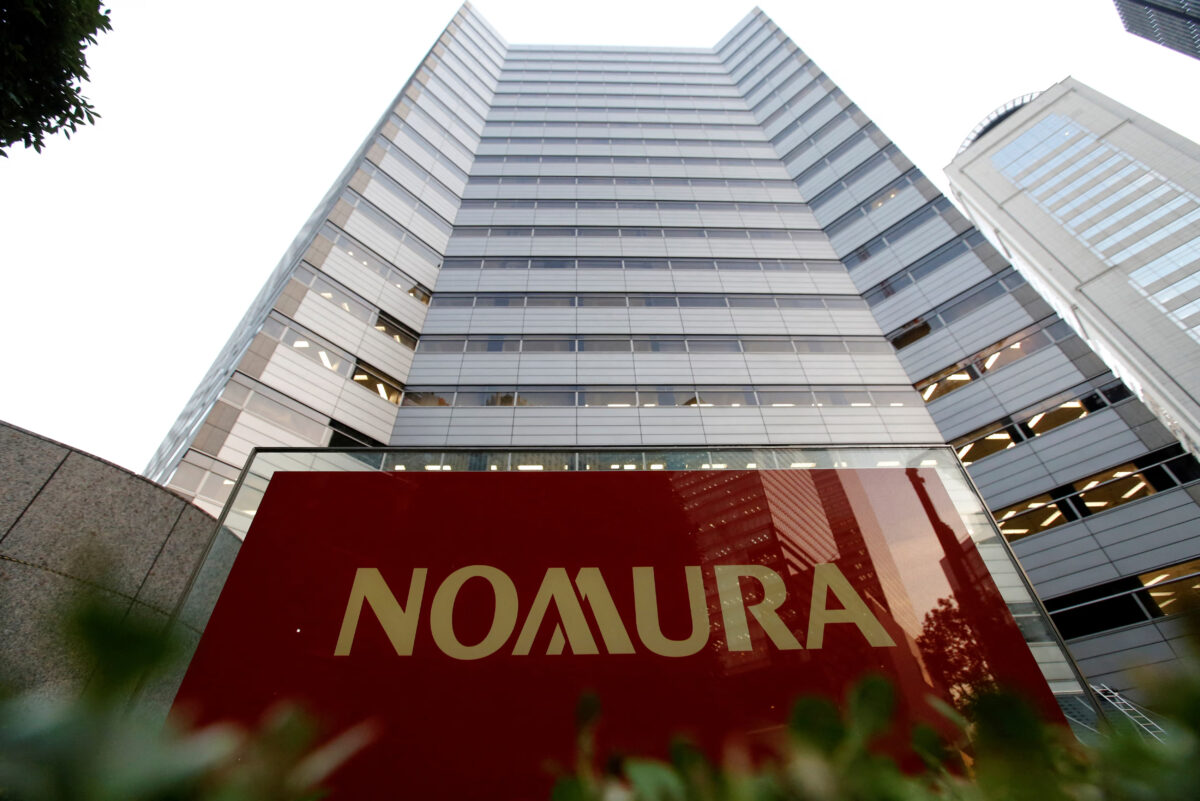
Nomura Boosts Nifty March 2026 Target To 26,140; Recommends Key Stock Picks

Nifty Target For March 2026: Nomura India has raised its Nifty target for March 2026 to 26,140, citing supportive macroeconomic factors that continue to bolster equity valuations, even as risks to corporate earnings linger.

The Japanese brokerage noted that positive domestic macros, such as falling bond yields and robust domestic inflows, are underpinning the market’s performance. Nomura’s new target represents about a 6% upside from current levels.

Why the Upgrade?

“Given the favorable macro backdrop and supportive valuations, we have raised the target valuation multiple to 21x (up from 19.5x),” said Saion Mukherjee and Amlan Jyoti Das, Nomura research analysts, in a note. “Applying this to FY27 forward earnings, we arrive at a new Nifty target of 26,140 (up from 24,970).”

They believe the combination of lower bond yields, steady domestic investor flows, and resilient performance of Indian equities has strengthened market sentiment, despite earnings downgrades.

Earnings Cuts Weigh on Outlook

Nomura flagged a deceleration in corporate earnings growth. Reviewing Q4FY25 results from 223 companies (including the BSE 200), it noted that while aggregate profit after tax rose 10% YoY—6% ahead of consensus—earnings expectations for FY26 and FY27 have been trimmed.

Consensus estimates for FY26 and FY27 have been cut by 2.3% and 1.4%, respectively, since March 2025. Compared to September 2024, the downgrades are steeper at 7.6% and 6.3%. Nomura expects further 4-8% earnings cuts for FY27.

“Corporate earnings to GDP ratio is already near its peak,” Nomura cautioned. “Significant outperformance over nominal GDP growth seems unlikely in the near term.”

Key risks include a sluggish investment cycle, fiscal consolidation, weak household savings, and tepid export demand—although some of these pressures may be mitigated by softer oil prices, easing inflation, and falling interest rates.

Valuations Hold Despite Global Risks

Indian equities are trading at about 20.5x one-year forward earnings, near the top of their three-year range. Yet, Nomura said the earnings yield-to-bond yield spread remains in a comfortable zone, supporting the positive market outlook.

“Even with global trade uncertainties and policy risks, the equity risk premium remains low,” Nomura said.

Sector Preferences Tilt to Domestic Themes

Nomura now favors domestic-facing sectors and consumption themes over export-led and investment-heavy sectors. “We prefer domestic-focused sectors due to global uncertainties. Consumption themes, driven by low inflation, potential rate cuts, and fiscal support like income tax reductions, appear promising,” the report said.

The brokerage is overweight on financials, consumer staples, autos, discretionary spending, oil and gas, power, telecom, internet, and real estate. It also favours select domestic healthcare plays and stocks linked to the supply-chain relocation trend, particularly in autos, chemicals, and electronics. Sector preferences tilt to domestic plays, consumption.

Nomura has shifted its sectoral bias in favour of domestic-oriented stocks and consumption themes over export-led and investment-driven sectors. “We prefer domestic-focused sectors to exporters given global uncertainties. Within that, consumption themes look more promising due to tailwinds from low inflation, rate cuts, and fiscal support such as income tax reductions,” the report said.

The brokerage is overweight on financials, consumer staples, autos, discretionary spending, oil and gas, power, telecom, internet, and real estate. It also favours select domestic healthcare plays and stocks linked to the supply-chain relocation trend, particularly in autos, chemicals, and electronics.

Conversely, Nomura remains cautious on IT services, industrials, cement, and metals—sectors tied to capital expenditure cycles and global demand. It also flagged US tariff risks as a near-term headwind for Indian pharma exports, though it sees any correction as a buying opportunity. “In our view, the investment cycle may be delayed due to global uncertainty,” it said. “But selective opportunities still exist, particularly in power sector-related industrials.”

Top Stock Ideas: What’s In, What’s Out?

Among largecaps, Nomura’s preferred buys include ICICI Bank, SBI, Axis Bank, Bajaj Finance, Godrej Consumer, Mahindra & Mahindra, CG Power, Reliance Industries, and Tata Power.

For small and midcaps, Marico, Dixon, Uno Minda, Gland Pharma, Lupin, MedPlus, Oberoi Realty, and Dr Lal Pathlabs feature prominently.

  • Removed: Federal Bank (due to earnings pressure and margin concerns), Bharat Electronics (after sharp rally)
  • Added: Hindustan Aeronautics (order visibility), Jindal Steel & Power (new capacity upside), Oberoi Realty (favorable project pipeline)
  • IT least preferred: L&T Technology Services (weaker visibility in engineering R&D amid tariff risks)
  • Metals switch: Dropped JSW Steel (litigation concerns)

Nomura believes that while the investment cycle might be delayed due to global volatility, selective opportunities—especially in power sector-linked industrials—still exist.

Eqwires Research Analyst

Top-notch SEBI registered research analyst

Best SEBI registered Intraday tips provider

info@eqwires.com

Telegram Facebook Instagram

Call: +91 9624421555 / +91 9624461555

www.eqwires.com

Banks, realty, FMCG: These 6 sectors may lead earnings growth in FY26; here’s why

India Inc’s Q4 earnings are much better than estimated, according to Vinod Nair, Head of Research, Geojit Investments. In an interaction with Business Today, the market watcher said the broad market has done well with profit after tax (PAT) growth of 12% YoY. Companies within the Nifty50 index posted earnings growth of 6-7%, surpassing the forecast of 0-3%. This is estimated to marginally upgrade the India EPS forecast for FY25 and FY26. He also believes that price-sensitive sectors could hold the upper hand in FY26 in anticipation of higher demand, reduction in the cost of operations and business risk. Edited excerpts:

BT: What are your key takeaways from India Inc’s March quarter earnings season? Which sectors delivered strong surprises and which one disappointed?

The revival in earnings was largely driven by the benign input cost and moderation in inflation, thus upgrading operational profitability. Sector-wise performance was mixed. The metals and mining sector’s results were better than expectations, driven by higher realisations as international prices rose amid supply chain disruptions. Pharma did well by with increase in complex drugs and reduction in chemical cost. Domestic market-oriented sectors like banks and telecom delivered better-than-estimated results. In contrast, auto, IT, and FMCG registered a flat to weak set of earnings growth due to global and domestic slowdown.

BT: How are global headwinds like geopolitical tensions influencing earnings of Indian companies?

The reduction in global inflation and crude prices has helped India cut input costs. Tariff-related risks are proving beneficial for higher orders and enquiries sector wise. Additionally, the recent decline in the US dollar has supported Indian markets. In fiscal terms, micro gains and FIIs inflows, though further depreciation may not be desirable, as it could negatively impact global equity markets.

BT: Are signs of rural recovery or slowdown visible in sectoral performance, especially FMCG, agri-inputs, or auto?

Over the year, rural consumption volumes have been in recovery due to better rabi production and a reduction in inflation. However, the urban demand softness weighed on the overall performance of FMCG and agri-inputs. Going forward, the expectations of another favourable monsoon, easing inflation, and income tax relief are likely to drive consumption across both rural and urban markets, which are expected to benefit all these segments. An improvement is evident through the early signs of pickup in the FMCG sector and valuations.

BT: How do you read the IT sector’s Q4 results?

The Q4FY25 results reinforced a cautious industry outlook, reflecting a slowdown in hiring amid ongoing global uncertainties and new technology adaptation. The first quarter of FY26 has started on a tepid note, with market momentum falling short of expectations due to subdued global discretionary spending. However, the industry remains optimistic, supported by order pipelines and strategic initiatives such as internal AI talent upskilling and cost efficiency. As tariff negotiations progress and sentiment stabilises with cuts in interest rates, the sector may see renewed confidence in hiring plans and long-term growth prospects. After the recent rally, the sector’s valuations are above the long-term average.

BT: What do the banking or NBFC earnings say about the credit cycle and asset quality outlook?

The credit cycle has been moderating in the last one year, leaving banks and NBFCs focused on managing yield spreads and preserving asset quality. FY25 saw asset quality pressures, particularly in the microfinance and personal loan segments. In response, lenders are adopting a cautious stance, expecting moderation in credit growth in the short-term. However, recent trends suggest these risks are beginning to ease and asset quality to improve during the year.

BT: Based on the Q4 results and management commentaries, what is the earnings growth outlook for FY26?

The outlook for FY26 has marginally improved due to better-than-forecast Q4 results. The sentiment could turn more positive if inflation, interest rates, and tariff-related uncertainties ease over the course of the year. Additionally, taxation benefits and an increase in government spending are forecast to boost domestic demand. Currently, the market is estimating an earnings growth of 10-12% in FY26, better than the forecast of sub-5% in FY25.

BT: Which sectors are likely to lead earnings growth in FY26 based on Q4 cues?

Rate sensitives like banks, NBFC, auto and realty are expected to hold an upper hand in FY26 in anticipation of higher demand, reduction in the cost of operations and business risk. Otherwise, domestic consumption is expected to boost in the coming quarters, which is likely to be positive for FMCG, consumer durables, fertilisers and agri sector.

BT: Have the Q4 results changed your sectoral or portfolio stance for the next 2–3 quarters?

We are diversifying our primarily large-cap-oriented portfolio by selectively increasing exposure to mid- and small-cap equities. In the last 2-3 quarters, the premium valuations of midcaps to large caps have reduced to the long-term average. Domestic risk has reduced, and global risk can moderate further in the future if the tariff war subsides with the finalisation of the BTA.

Eqwires Research Analyst

Top-notch SEBI registered research analyst

Best SEBI registered Intraday tips provider

info@eqwires.com

Telegram Facebook Instagram

Call: +91 9624421555 / +91 9624461555
www.eqwires.com

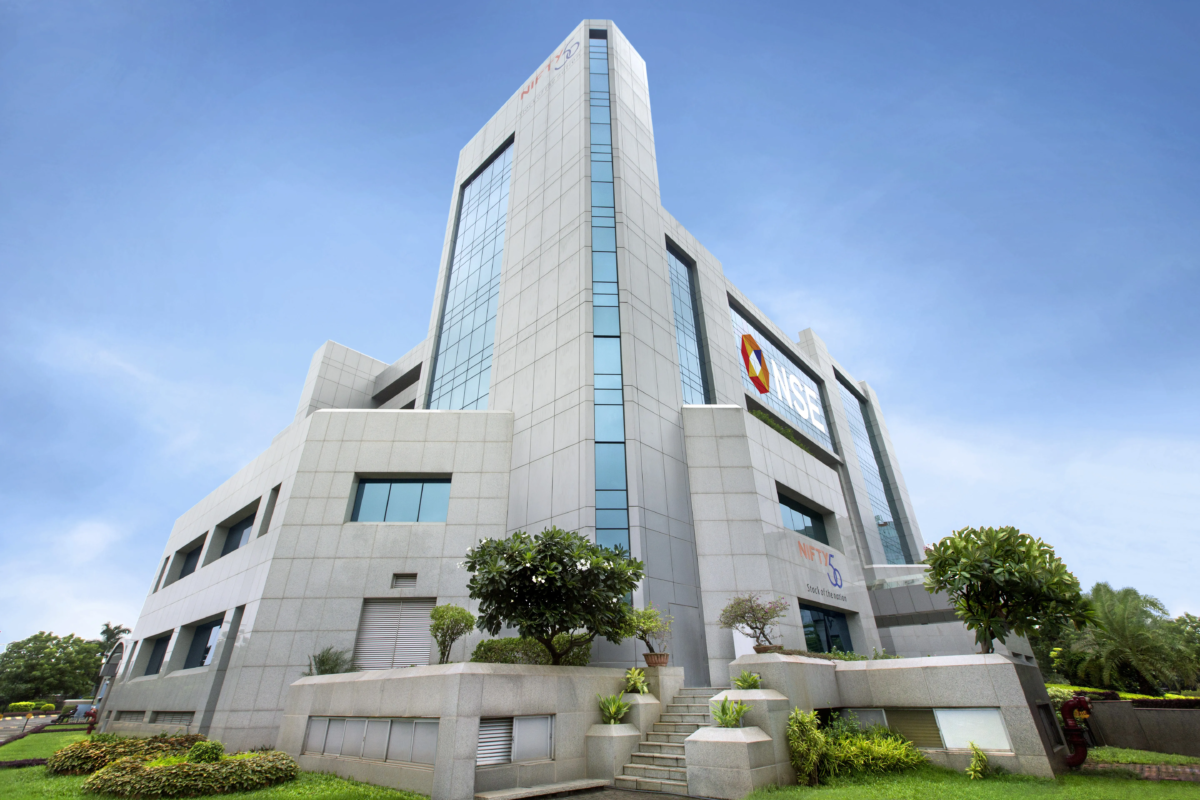
NSE IPO: Exchange’s Unlisted Shares Hit Record High Amid Settlement Talks With SEBI

Shares of the National Stock Exchange (NSE) in the unlisted market have surged to a record high of Rs 2,300 after at least two media reports emerged that the exchange is working towards settling the long-standing co-location case with the Securities and Exchange Board of India (SEBI). It revives the hopes of NSE IPO that has long been stuck.

The development comes as both NSE and SEBI have reportedly restarted discussions to arrive at a consent settlement, marking a possible turning point in a regulatory saga that has been a major hurdle in NSE’s IPO ambitions for years, according to MoneyControl report. The case, which is currently pending before the Supreme Court, had earlier seen SEBI challenge a Securities Appellate Tribunal (SAT) ruling that diluted penalties imposed on NSE in 2019.

Earlier, The National Stock Exchange (NSE) had clarified that it has not approached the Ministry of Finance regarding its long-pending Initial Public Offering (IPO), contrary to a recent media report.

NSE stated that it has not made “any such representation to the Union Government in the last 30 months.” There has been no communication between NSE and the Ministry of Finance on this issue.

Krishna Patwari, Founder and Managing Director of Wealth Wisdom India Pvt Ltd, said SEBI’s move signals a shift in regulatory tone and has boosted investor sentiment around the NSE’s public listing.

NSE’s share price in the unlisted market has jumped to Rs 2,300, pushing its market cap to around Rs 5.69 lakh crore—an all-time high on May 28th, said Patwari. 

“SEBI’s willingness to settle long-standing regulatory issues with NSE is a major step forward,” Patwari said. He added that the exchange’s agreement to pay a significant sum shows its commitment to resolving legacy matters:

“The change in SEBI’s stance under the new Chairman indicates a more collaborative approach. Investor confidence has surged. The spike in unlisted share prices clearly shows the optimism around NSE’s IPO finally becoming a reality.”

What’s the Co-Location Case?

The co-location case revolves around allegations that certain brokers unfairly benefited by placing their servers closer to NSE’s trading system within its co-location facility. This proximity allowed faster access to data and trades, providing an undue advantage over others and raising concerns of market manipulation and lack of fair access.

The initial SEBI order in 2019 had imposed significant penalties, which NSE challenged before SAT. While SAT gave a relatively lenient ruling, SEBI appealed the decision in the Supreme Court, where the case remains pending.

Sources told MoneyControl, SEBI could now demand nearly twice the amount NSE paid in its previous record Rs 643 crore Trading Access Point (TAP) case settlement in 2023.

“The discussions began around one and a half months ago. Currently, both sides are negotiating the amount that NSE should pay. Given the TAP case involved Rs 643 crore, SEBI may demand a significantly higher sum for the co-location matter,” the source told MoneyControl.

However, with a favourable SAT order already in hand, NSE may be reluctant to accept a very high settlement demand, setting the stage for tough negotiations between the two parties.

Eqwires Research Analyst

Top-notch SEBI registered research analyst

Best SEBI registered Intraday tips provider

info@eqwires.com

Telegram Facebook Instagram

Call: +91 9624421555 / +91 9624461555

www.eqwires.com