

Sensex, Nifty End Lower on June 17 Amid Global Jitters and Profit Booking

Indian stock markets closed in the red on Tuesday, June 17, dragged down by profit booking in heavyweight stocks and weak global cues. Both benchmark indices—Sensex and Nifty 50—slipped as investors turned cautious ahead of key global events.

The Sensex lost 213 points, or 0.26%, to settle at 81,583.30, while the Nifty 50 declined by 93 points, or 0.37%, to close at 24,853.40.

Mid- and Small-Caps Under Pressure

Broader markets saw deeper cuts. The BSE Midcap index dropped 0.56%, and the Smallcap index fell 0.67%, reflecting broader selling across the board. As a result, the total market capitalisation of BSE-listed companies dropped by over ₹2.5 lakh crore, sliding from nearly ₹450.5 lakh crore in the previous session to ₹448 lakh crore.


What Triggered the Market Decline?

The sell-off was largely driven by:

  • Geopolitical tensions: Rising fears of an escalation in the Middle East, particularly between Israel and Iran, rattled global sentiment.
  • Cautious stance ahead of the Fed meeting: Investors chose to stay on the sidelines before the U.S. Federal Reserve’s key interest rate decision scheduled for June 18.
  • Rising crude prices: Brent crude spiked due to geopolitical tensions, a worrying sign for India given its high dependence on oil imports, which could weigh on corporate earnings.

“The benchmark equity index experienced moderate losses amid rising risk of an escalation of conflicts in the Middle East ahead of the FOMC meeting. This uncertainty pushed Brent crude prices higher—an unfavourable development for India, given its heavy reliance on oil imports, thereby dampening earnings growth,” noted Vinod Nair, Head of Research at Geojit Financial Services.


Nifty 50: Top Gainers

Out of 50 stocks, only 11 managed to stay in the green. The top performers included:

  • Tech Mahindra: +1.66%
  • Infosys: +0.87%
  • Asian Paints: +0.86%

Wipro ended the session flat.


Nifty 50: Top Losers

The biggest drags on the index were:

  • Adani Enterprises: -2.31%
  • Eicher Motors: -2.06%
  • Dr. Reddy’s Laboratories: -2.00%

What to Watch Next

All eyes are now on the U.S. Federal Reserve’s policy decision, which could set the tone for global markets in the coming days. Investors are also keeping a close watch on geopolitical developments that continue to inject volatility into the markets.

Stay tuned for more updates as the market reacts to key global and domestic triggers.

Eqwires Research Analyst

Top-notch SEBI registered research analyst

Best SEBI registered Intraday tips provider

info@eqwires.com

Telegram Facebook Instagram

Call: +91 9624421555 / +91 9624461555
www.eqwires.com

SEBI Set to Finalize New Expiry Day Rules for Equity Derivatives

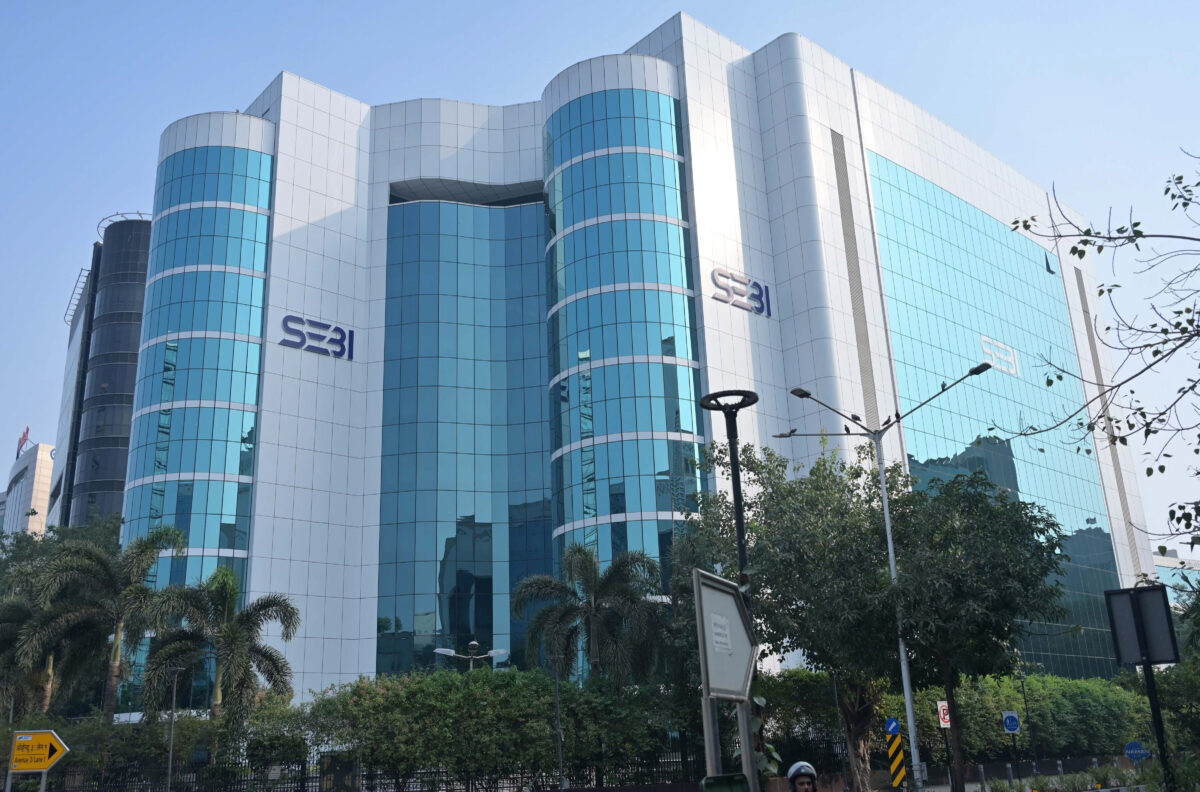
The Securities and Exchange Board of India (SEBI) is expected to issue its much-anticipated circular today, bringing clarity on the new expiry day framework for equity derivatives across stock exchanges. This marks the conclusion of a consultation process that began in March 2025, aimed at streamlining contract expiries and curbing excessive market volatility.

As first reported by CNBC-TV18 on May 22, SEBI had proposed limiting equity derivatives contract expiries to just two days in a week—either Tuesday or Thursday. This move comes in response to growing concerns about speculative trading, which had been amplified by multiple expiry days throughout the week.

To help finalize the new framework, stock exchanges were asked to submit their preferred expiry day by June 15, 2025. According to sources familiar with the matter, the National Stock Exchange (NSE) has opted for Tuesday.

With the final circular expected today, the market is closely watching for official confirmation. Traders and investors are preparing to adjust their strategies based on the new, standardized expiry schedule—bringing a long-awaited sense of order to the derivatives market.

Stay tuned for updates as SEBI releases the official guidelines.

Eqwires Research Analyst

Top-notch SEBI registered research analyst

Best SEBI registered Intraday tips provider

info@eqwires.com

Telegram Facebook Instagram

Call: +91 9624421555 / +91 9624461555

www.eqwires.com

India’s Wholesale Inflation Drops to 14-Month Low in May

India’s wholesale inflation eased to 0.39% in May 2025, marking its lowest level in 14 months, according to government data released on June 16. This is the third straight month of decline in the Wholesale Price Index (WPI), signaling continued disinflationary momentum across the economy.

The latest figures follow the Consumer Price Index (CPI) falling to a near six-year low of 2.82%, reflecting broad-based cooling, particularly in food inflation, which dipped below 1%—a level not seen in nearly four years.

Inflation Trends and RBI’s Policy Response

WPI inflation stayed subdued for most of FY24, and although there was a slight rise early in FY25, it has remained well below 3% throughout the year.

This consistent decline in both retail and wholesale inflation has opened the door for monetary easing. The Reserve Bank of India (RBI) has responded with:

  • A 50 basis points (bps) rate cut in early June
  • 25 bps cuts in February and April

With these moves, the repo rate now stands at 5.5%, a full percentage point lower than at the start of the year.

Outlook for 2025 and Beyond

Economists suggest that further rate cuts may be on the table if the current disinflationary trend continues. Reinforcing this view, the RBI revised its FY26 inflation forecast down to 3.7%, from an earlier estimate of 4%.


The sustained decline in inflation is not only providing relief to consumers and businesses but also giving the central bank more flexibility to support growth through accommodative policy measures.

Eqwires Research Analyst

Top-notch SEBI registered research analyst

Best SEBI registered Intraday tips provider

info@eqwires.com

Telegram Facebook Instagram

Call: +91 9624421555 / +91 9624461555
www.eqwires.com

India’s Trade Deficit Narrows in May 2025 on Lower Imports

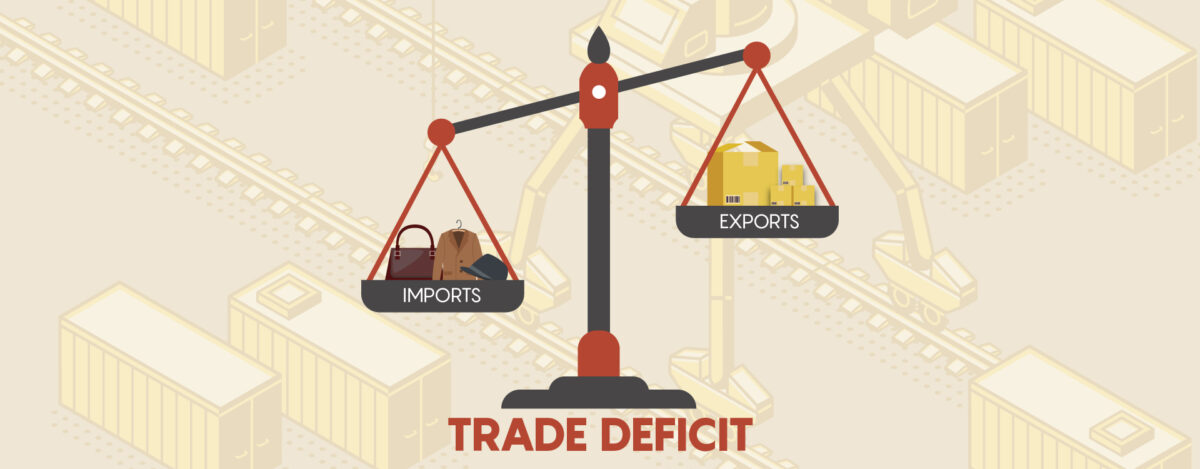
India’s trade deficit narrowed to $21.88 billion in May 2025, down from $26.42 billion in April, a five-month high, according to data released by the Ministry of Commerce and Industry on Monday. The decline was primarily driven by a drop in imports.

The figure also came in lower than the $25 billion estimate projected by economists in a Reuters poll, offering a positive surprise for markets.

Export and Import Trends

  • Merchandise exports fell 2.2% year-on-year to $38.73 billion
  • Imports dipped 1.76% to $60.61 billion

On the services front, India posted an estimated surplus of $14.65 billion in May:

  • Services exports stood at $32.39 billion
  • Services imports rose to $17.14 billion, according to Trade Secretary Sunil Barthwal

Strong Growth in Electronics, Chemicals & Pharma

Despite the overall export dip, some categories posted strong growth:

  • Electronic goods, including mobile phones, surged 54% year-on-year
  • Chemical exports grew 16%
  • Pharmaceutical shipments rose 7.38%

Exports to US Remain Resilient Despite Tariff Hikes

India’s exports to the United States rose to $17.25 billion during April-May 2025, compared to $14.17 billion in the same period last year. This suggests that the 10% average US tariff hikes introduced in April had limited impact on Indian exports so far.


India’s narrowing trade gap and resilience in key export categories signal cautious optimism amid global headwinds.

Eqwires Research Analyst

Top-notch SEBI registered research analyst

Best SEBI registered Intraday tips provider

info@eqwires.com

Telegram Facebook Instagram

Call: +91 9624421555 / +91 9624461555
www.eqwires.com

Tata Motors Shares Drop as JLR Forecasts Muted FY26 Outlook

Shares of Tata Motors Ltd. dropped by as much as 5% on Monday, June 16, after its luxury vehicle arm Jaguar Land Rover (JLR) issued a cautious outlook for the current financial year (FY26).

Weaker Profitability & Cash Flow Guidance

JLR expects its EBIT margin to fall to 5–7% for FY26, down from 8.5% last year. Additionally, the UK-based unit, which had reported £1.5 billion in free cash flow previously, now anticipates that figure to be “close to zero” this year.

Despite the dip, JLR management remains optimistic about the long term, aiming for:

  • Free cash flow recovery starting FY27–28
  • EBIT margin target of 10%, though no timeline has been provided

JLR’s Dominant Role in Tata Motors

In FY25, JLR was a major contributor, accounting for:

  • 71% of Tata Motors’ total revenue
  • 80% of the company’s overall profitability
    Meanwhile, average revenue per vehicle stayed above £70,000, showing no year-on-year growth.

Trade, China Plans, and Market Position

On the trade front, JLR is in ongoing talks with the Trump administration, aiming to reduce tariffs on UK exports to the U.S., which currently stand at 27.5%—while tariffs on Slovakian exports remain unchanged.

Despite a challenging premium car market in FY25, JLR maintained its No.1 position in the premium segment as of May.

To strengthen its position in China, JLR plans to license the Freelander brand to its JV partner there. The first locally produced Freelander model is expected in H2 FY26.

Stock Market Impact

Following the update, Tata Motors shares slipped 4.6% to ₹679.65, making it the top loser on the Nifty 50 and among the biggest laggards on the Nifty 500.

Investors may remain cautious in the near term as JLR’s outlook signals a challenging road ahead, despite its long-term strategic efforts.

Eqwires Research Analyst

Top-notch SEBI registered research analyst

Best SEBI registered Intraday tips provider

info@eqwires.com

Telegram Facebook Instagram

Call: +91 9624421555 / +91 9624461555

www.eqwires.com