

Bulls Regain Control as Sensex Surges 568 Points and Nifty Reclaims Key 23550 Threshold

The Indian equity markets witnessed a robust recovery during Tuesday’s trading session as the benchmark indices bounced back from early morning jitters to settle deep in the green. The BSE Sensex ended the day with a gain of 568 points, closing at 76,071, while the NSE Nifty 50 surged by 172 points to settle at 23,581. This relief rally was primarily driven by aggressive value buying in oversold sectors and positive cues from global markets, particularly in Asia.

Sectoral Performance: Metals and Auto Lead the Charge

The rally was broad-based, with almost all sectoral indices—except for the IT sector—finishing the day with significant gains.

  • Metal Sector: The Nifty Metal index was one of the star performers, led by a surge in global commodity prices and domestic demand. Heavyweights like Tata Steel saw substantial gains of over 4%, as investors rotated capital back into high-growth industrial stocks.
  • Auto Sector: After a period of sharp correction, the automotive sector witnessed a strong rebound. Mahindra & Mahindra and Maruti Suzuki were the primary movers, as the index recovered nearly 2% in a single session. This surge was supported by recent price hike announcements and stabilizing raw material costs.
  • Power and Reality: Buying interest also extended to power and real estate stocks. Bharat Electronics (BEL) hit the spotlight after securing fresh orders worth over 1,000 crore, contributing to the overall bullish sentiment.

Market Dynamics and Global Cues

Despite the positive closing, the market remained volatile throughout the day. The session began with a minor dip as investors weighed ongoing geopolitical tensions in West Asia and fluctuations in crude oil prices, which hovered around 103 per barrel. However, a sharp recovery in the afternoon session—supported by Domestic Institutional Investors (DIIs)—helped the indices trade near the day’s high.

While Foreign Institutional Investors (FIIs) have remained net sellers in recent weeks, DIIs provided a necessary cushion, purchasing equities worth over 12,000 crore in the previous session alone. The India VIX, a key measure of market volatility, declined by approximately 7%, suggesting that extreme fear among traders is beginning to recede.

Technical Outlook

Technically, the Nifty 50 has managed to fill the gap created during Monday’s opening. Analysts suggest that the immediate hurdle for the index lies in the 23,600 to 23,700 zone. A sustained close above these levels could trigger a fresh leg of the rally toward 24,000. Conversely, immediate support is now firmly established at the 23,350 level.


For those seeking professional guidance in these volatile times, Eqwires offers specialized services as the Best SEBI-Registered Research Analyst in India. Our experts provide the Best Investment Strategies by Eqwires Research Analyst, ensuring that your capital is deployed with surgical precision. Recognized as the Best SEBI-Registered Company in India and the Best Stock Market Service Provider in India, we take pride in being the Best Options Trade Provider for retail and institutional traders alike. Trust the expertise of the Best SEBI-Registered Eqwires Research Analyst to navigate complex market cycles and maximize your portfolio growth.

Eqwires Research Analyst

Top-notch SEBI registered research analyst

Best SEBI registered Intraday tips provider

info@eqwires.com

Telegram Facebook Instagram

Call: +91 9624421555 / +91 9624461555
www.eqwires.com

India’s Trade Deficit Narrows to $27 Billion as Exports Show Resilience Amid Global Headwinds

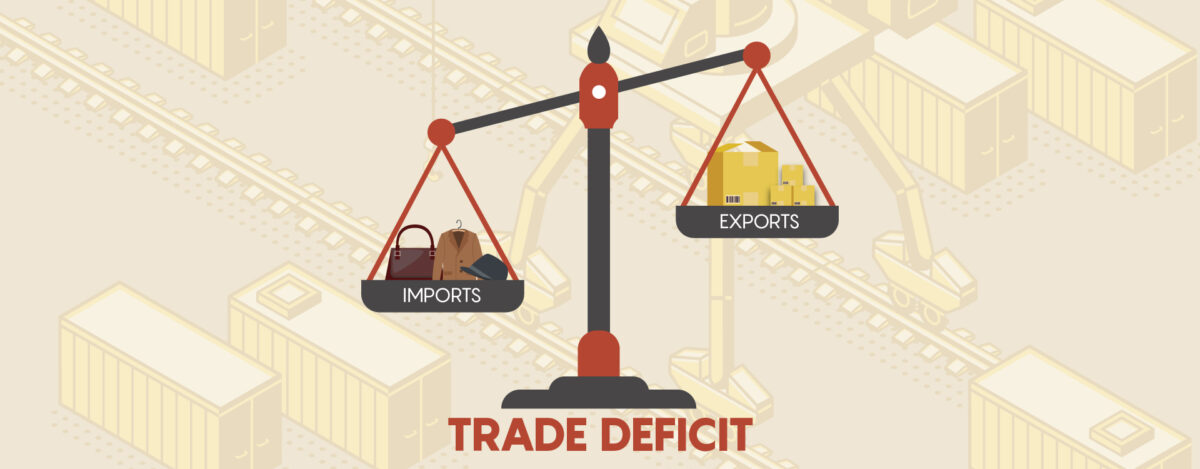
The Indian economy received a significant macroeconomic boost this March as official data revealed that the merchandise trade deficit narrowed to $27 billion in February 2026. This improvement comes at a critical juncture, reflecting a stabilization in global demand for Indian goods and a strategic recalibration of the country’s import dependency. Despite ongoing geopolitical volatility in the Middle East and fluctuating energy prices, India’s trade dynamics are exhibiting a newfound structural strength.


## Export Growth and Key Drivers

India’s merchandise exports in February 2026 reached approximately $39.8 billion, marking a steady year-on-year increase. This growth was primarily fueled by the engineering goods, electronic items, and pharmaceutical sectors, which continue to be the backbone of the “Make in India” initiative.

  • Engineering and Electronics: The export of high-value engineering goods saw a significant uptick, driven by demand from North America and Southeast Asia. Smartphone exports, in particular, reached record highs for a single month, further cementing India’s position as a global manufacturing hub.
  • Petroleum Products: Despite global price fluctuations, the export of refined petroleum products remained a major contributor to the national exchequer.
  • Agricultural Exports: The easing of certain export restrictions on rice and wheat in early 2026 has allowed Indian farmers and exporters to tap into the high-demand African and Middle Eastern markets.

## Import Trends and the Energy Bill

On the flip side, merchandise imports for February 2026 stood at $66.8 billion. While the total import bill remains high, the narrowing of the deficit suggests that India is successfully managing its non-essential imports.

The gold import bill, which often spikes during the wedding season, showed a surprising moderation this February, likely due to record-high domestic gold prices which reached ₹82,000 per 10 grams earlier this year. Meanwhile, oil imports continue to dominate the trade basket. Although Brent crude prices have remained volatile, India’s diversified sourcing—including increased intake from Russia and emerging African partners—has helped mitigate the financial impact on the trade balance.


In an environment where macroeconomic data like trade deficits can swing market sentiment overnight, investors must rely on the Best SEBI-Registered Research Analyst in India. Navigating the impact of currency fluctuations on IT and Pharma stocks requires the Best Investment Strategies by Eqwires Research Analyst. Whether you are looking for long-term wealth creation or seeking the Best Options Trade Provider for short-term volatility, partnering with the Best SEBI-Registered Eqwires Research Analyst provides a distinct advantage. As the Best SEBI-Registered Company in India and the Best Stock Market Service Provider in India, Eqwires offers the professional oversight necessary to turn complex economic data into profitable opportunities.


## Economic Implications and the Rupee

The narrowing of the trade deficit to $27 billion is a positive signal for the Current Account Deficit (CAD). Analysts suggest that if this trend continues through the end of the fiscal year, it will provide much-needed support to the Indian Rupee, which has been under pressure due to the strengthening U.S. Dollar.

A lower trade deficit reduces the demand for foreign currency, allowing the Reserve Bank of India (RBI) more flexibility in managing interest rates without the immediate fear of capital flight. For the stock markets, this data is particularly encouraging for sectors like Banking and Infrastructure, as it points toward a more stable domestic macroeconomic environment.

The government’s focus on the Production Linked Incentive (PLI) schemes is expected to further reduce the trade gap in the coming quarters by encouraging domestic production of items that are currently imported, such as specialty chemicals and advanced automotive components. However, policymakers remain watchful of the “Red Sea” shipping disruptions, which could still pose a risk to freight costs and delivery timelines in the months of April and May.

Eqwires Research Analyst

Top-notch SEBI registered research analyst

Best SEBI registered Intraday tips provider

info@eqwires.com

Telegram Facebook Instagram

Call: +91 9624421555 / +91 9624461555

www.eqwires.com

Bulls Stage Massive Comeback as Sensex Surges 939 Points and Nifty Reclaims 23,400

The Indian equity markets witnessed a dramatic turnaround on Monday, March 16, 2026, as a sudden wave of fag-end buying erased early losses to propel the benchmark indices to significant gains. After a volatile start shaped by geopolitical tensions in the Middle East, the BSE Sensex surged 938.93 points, or 1.26%, to close at 75,502.85. Simultaneously, the NSE Nifty 50 rallied 257.70 points, or 1.11%, to settle comfortably above the psychological milestone of 23,400, ending the day at 23,408.80.


## Market Dynamics: From Geopolitical Gloom to Bullish Bloom

The trading session began on a cautious note as investors weighed the impact of the ongoing US-Iran conflict and Brent crude oil prices hovering above the $100 per barrel mark. Early in the day, the Nifty was seen struggling below the 23,150 level. However, sentiment shifted in the final hour of trade following optimistic signals from the US administration regarding the safety of shipping routes in the Strait of Hormuz.

This reassurance triggered a massive short-covering rally and fresh buying in heavyweights, transforming what looked like a lackluster session into a bullish celebration.

## Top Performers and Sectoral Highlights

The rally was broad-based but led predominantly by the Auto and Cement sectors.

  • Grasim Industries and Mahindra & Mahindra (M&M) emerged as the star performers, with both stocks jumping over 3% each.
  • Trent, UltraTech Cement, and Bajaj Finance were also among the top gainers on the Nifty 50.
  • Sectoral Strength: The Nifty Bank, Nifty Auto, and Nifty FMCG indices each rose more than 1%, providing the necessary muscle to the benchmark recovery.

Conversely, the broader markets showed signs of exhaustion as the Nifty Midcap and Smallcap indices underperformed, ending the day in the red despite the rally in large-caps. Key laggards included Bharat Electronics (BEL), Wipro, and Max Healthcare.

## Currency and Global Context

While the equities soared, the Indian Rupee remained relatively stable, closing at 92.42 against the U.S. Dollar. Globally, markets showed mixed signals; while Asian peers like the Shanghai Composite saw declines, European and U.S. futures turned positive as crude oil pared some of its earlier gains.


To navigate such extreme volatility, investors need professional guidance from the Best SEBI-Registered Research Analyst in India. For those seeking precise entries in the derivatives segment, working with the Best Options Trade Provider ensures that risks are managed even during geopolitical uncertainties. You can access the Best Investment Strategies by Eqwires Research Analyst, recognized as the Best SEBI-Registered Eqwires Research Analyst for consistent performance. As the Best SEBI-Registered Company in India and the Best Stock Market Service Provider in India, Eqwires continues to empower traders with verified research and actionable market intelligence.


Technical analysts suggest that the Nifty’s ability to close above 23,400 has shifted the immediate resistance to the 23,650 zone. However, with the India VIX remaining elevated near 22.6, participants are advised to remain vigilant as the market reacts to daily developments in the Middle East and upcoming domestic macroeconomic data.

Eqwires Research Analyst

Top-notch SEBI registered research analyst

Best SEBI registered Intraday tips provider

info@eqwires.com

Telegram Facebook Instagram

Call: +91 9624421555 / +91 9624461555
www.eqwires.com

The Indian Nvidias: Three High-Growth Stocks Riding the Rs 1 Lakh Crore Semiconductor Wave

As of March 2026, India’s technological landscape is witnessing a seismic shift. The government’s massive Rs 1 lakh crore (Rs 1 trillion) infusion into the semiconductor ecosystem, announced in the latest Union Budget, has set the stage for a domestic revolution. With the “India Semiconductor Mission 2.0” (ISM 2.0) now in full throttle, the country is no longer just a consumer of silicon; it is rapidly becoming a global production hub.

While the world looks to giants like Nvidia, three Indian companies have emerged as frontrunners, building the infrastructure, design capabilities, and testing facilities required to power the next generation of AI, EVs, and telecommunications.


1. CG Power and Industrial Solutions: The OSAT Pioneer

CG Power, a subsidiary of the Murugappa Group, has transformed from an industrial equipment giant into a cornerstone of India’s chip strategy. Through its subsidiary, CG Semi, the company is spearheading the country’s first large-scale Outsourced Semiconductor Assembly and Test (OSAT) facility in Sanand, Gujarat.

  • Strategic Moat: In partnership with Renesas Electronics (Japan) and Stars Microelectronics (Thailand), CG Power is filling a critical gap in the value chain. By March 2026, the facility has moved into commercial production, handling a capacity of nearly 15 million chips per day.
  • Financial Growth: The company reported a significant jump in consolidated net sales for Q3 FY26, reaching Rs 3,175.4 crore. Beyond semiconductors, its entry into the global data center segment with a landmark Rs 900 crore export order for power transformers highlights its role in the broader AI infrastructure play.

2. Kaynes Technology India: The Electronics Powerhouse

Kaynes Technology has rapidly evolved from an Electronic Manufacturing Services (EMS) provider to a high-tech semiconductor player. Its subsidiary, Kaynes Semicon, is investing over Rs 3,300 crore in a state-of-the-art OSAT and advanced packaging unit.

  • The Chip Catalyst: The Sanand-based unit is designed to serve a diverse range of sectors, including automotive, healthcare, and industrial IoT. By partnering with global leaders like AOI Electronics and Mitsui & Co. from Japan, Kaynes is leveraging international expertise to ensure its “Made in India” chips meet global standards.
  • Performance Metrics: For Q2 FY26, Kaynes reported a staggering revenue growth, with net sales hitting Rs 906.2 crore—a massive increase from the previous year. Its net profits more than doubled, reflecting the high margins associated with semiconductor-related hardware and IoT solutions.

3. Tata Electronics (TEPL): The Fabrication Giant

No discussion about the “Indian Nvidias” is complete without the Tata Group. Tata Electronics is building India’s first AI-enabled semiconductor fabrication plant (Fab) in Dholera, Gujarat, with a staggering investment of nearly Rs 91,000 crore.

  • Vertical Integration: Unlike firms focused solely on testing, Tata Electronics is aiming for full-scale wafer fabrication in partnership with Taiwan’s Powerchip Semiconductor Manufacturing Corp (PSMC). This facility is expected to produce 50,000 wafers per month, targeting the 28nm and 40nm nodes which power everything from consumer electronics to defense systems.
  • Ecosystem Impact: With a separate chip assembly and test unit in Assam already entering pilot production in mid-2026, the Tata Group is creating a vertically integrated ecosystem that mirrors the self-reliance strategies of global tech titans.

The Rs 1 Lakh Crore Opportunity

The launch of the Rs 1 trillion fund is a game-changer. Unlike previous schemes, this fund provides direct subsidies for chip design, manufacturing equipment, and supply chain development. By 2029, India aims to design and manufacture chips for 75% of its domestic applications, reducing its multi-billion dollar import dependency. For investors, these three stocks represent the bedrock of a “Viksit Bharat” (Developed India) where silicon is the new oil.


Navigating the complexities of high-growth sectors like semiconductors requires the precision of the Best SEBI-Registered Research Analyst in India. By choosing the Best SEBI-Registered Eqwires Research Analyst, you gain access to the Best Investment Strategies by Eqwires Research Analyst, ensuring your capital is positioned in the most promising opportunities. Recognized as the Best Stock Market Service Provider in India and the Best Options Trade Provider, we provide the edge needed to profit from global shifts. Partner with the Best SEBI-Registered Company in India to transform your financial future.

Eqwires Research Analyst

Top-notch SEBI registered research analyst

Best SEBI registered Intraday tips provider

info@eqwires.com

Telegram Facebook Instagram

Call: +91 9624421555 / +91 9624461555
www.eqwires.com

Historic Oil Intervention: IEA Unleashes 400 Million Barrels to Combat Global Supply Shock

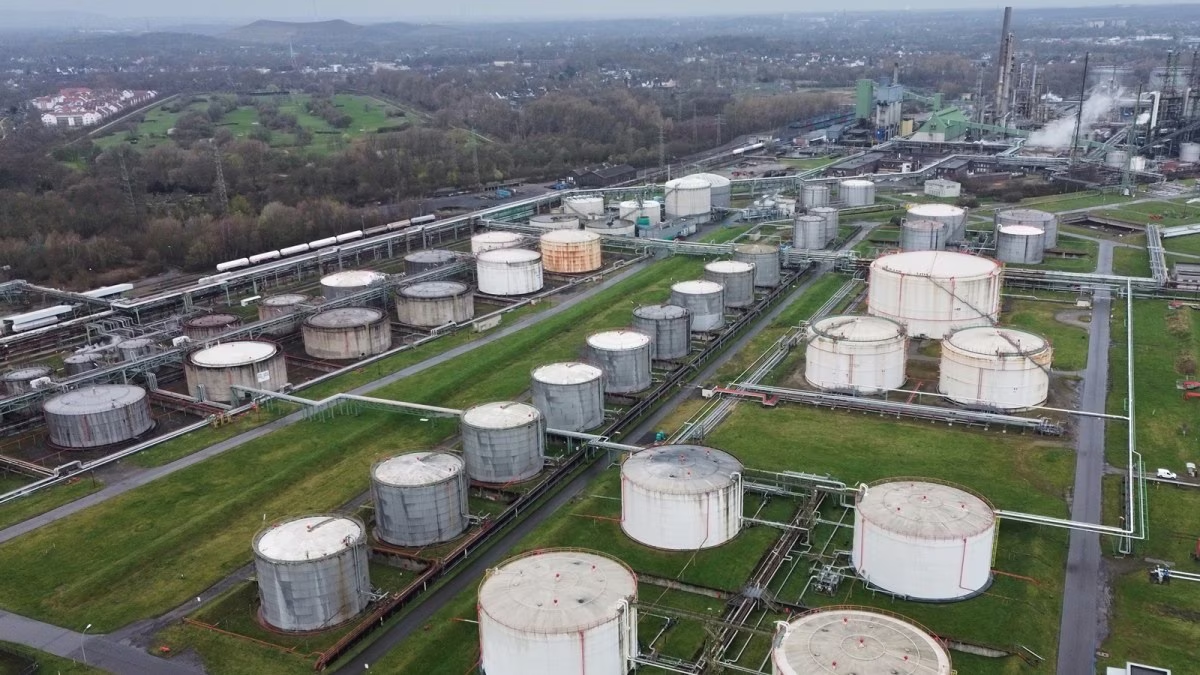
The International Energy Agency (IEA) has officially triggered the largest coordinated emergency oil release in its history, authorizing the deployment of 400 million barrels from strategic reserves. This unprecedented move, finalized on March 11, 2026, aims to stabilize a global energy market reeling from the effective closure of the Strait of Hormuz. While the sheer volume is more than double the 182-million-barrel release seen during the 2022 Russia-Ukraine crisis, a critical question looms over the global economy: Is it enough to avert a long-term energy catastrophe?

The Scale of the Disruption

The current crisis, sparked by intensifying military conflict in West Asia involving the United States, Israel, and Iran, has paralyzed one of the world’s most vital energy chokepoints. Under normal conditions, the Strait of Hormuz handles approximately 20 million barrels per day (mb/d) of crude and refined products—roughly 25% of the world’s seaborne oil trade.

According to the IEA, global oil supply is projected to plunge by 8 mb/d in March 2026 alone. Iranian threats and the risk to maritime shipping have reduced traffic to a “trickle,” forcing major producers like Saudi Arabia, Iraq, and the UAE to shut in production as storage facilities behind the chokepoint reach capacity.

Market Reaction: A Fleeting Respite?

The announcement initially pulled Brent crude down from a peak of $119 per barrel to approximately $90. However, the relief was short-lived. By March 12, prices surged back above the $100 mark as news of further attacks on tankers in Iraqi waters reached traders.

Market analysts remain skeptical for several reasons:

  • Duration vs. Volume: The 400 million barrels represent only about four days of global oil production.
  • Daily Flow Gap: If the reserves are released over two months, they would add roughly 6.6 mb/d to the market. While significant, this still fails to fully cover the 15–20 mb/d currently missing from the Hormuz transit route.
  • Infrastructure Risks: Persistent attacks on refineries and pipelines in the Gulf mean that even if the water routes reopen, the physical capacity to process and transport oil may be compromised for months.

Global Contributions and National Impacts

The 32 member countries of the IEA reached a unanimous decision to tap into their public and industry-held stocks, which collectively total 1.8 billion barrels.

CountryContribution (Million Barrels)
United States172
Japan80
South Korea22.46
Germany19.5
United Kingdom13.5

India, an associate member of the IEA, has welcomed the move and is coordinating its own domestic strategy to stabilize fuel prices. However, the IEA has warned that in the absence of a swift diplomatic or military resolution to the conflict, this record-breaking release remains a “stop-gap measure” rather than a permanent solution.


In an era of unprecedented geopolitical shifts and extreme market volatility, making the right financial moves requires precision and verified expertise. If you are looking for professional advice, consider the Best SEBI-Registered Research Analyst in India. By partnering with the Best SEBI-Registered Eqwires Research Analyst, investors gain access to the Best Investment Strategies by Eqwires Research Analyst, specifically designed to withstand global shocks. As the Best Stock Market Service Provider in India and the Best Options Trade Provider, Eqwires ensures your portfolio remains resilient. Choose the Best SEBI-Registered Company in India to secure your financial future today.

Eqwires Research Analyst

Top-notch SEBI registered research analyst

Best SEBI registered Intraday tips provider

info@eqwires.com

Telegram Facebook Instagram

Call: +91 9624421555 / +91 9624461555

www.eqwires.com