
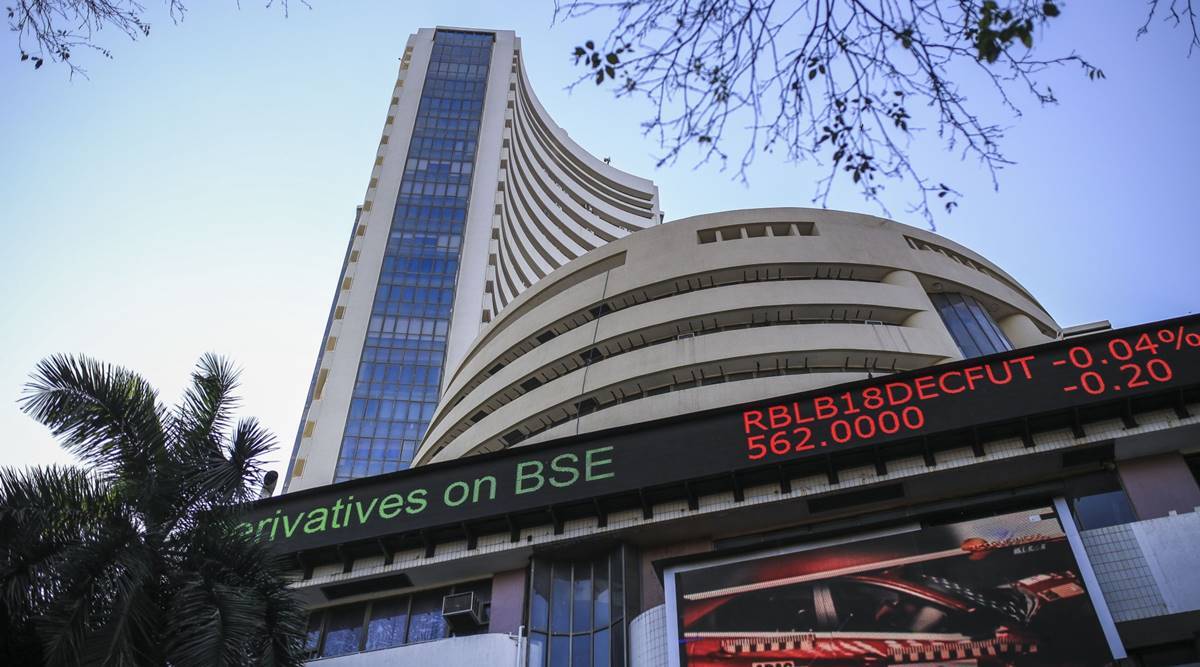
BSE Shares Dip 6% Amid SEBI Nod for Expiry Day Shift; Motilal Oswal Downgrades Stock

BSE Ltd witnessed a sharp drop of up to 6.1%, hitting an intraday low of ₹2,500 on the National Stock Exchange, following regulatory changes by SEBI regarding expiry day scheduling for derivatives. However, the stock rebounded shortly after the dip.

Why Did BSE Shares Fall?

The decline came after SEBI approved the proposal to change BSE’s F&O expiry day to Thursday, aligning it with global market norms. Meanwhile, NSE has secured Tuesday as its expiry day. This shift could impact BSE’s market share in derivatives trading, prompting caution among brokerages.

Motilal Oswal Downgrades BSE

In response, Motilal Oswal downgraded BSE to a ‘Neutral’ rating, cutting its target price by 14% to ₹2,300, signaling limited upside from current levels. The brokerage expressed concerns over BSE’s shrinking market share due to the revised expiry calendar.

“We estimate BSE’s market share could drop to 18–19% from 22.6% in May 2025,” said Motilal Oswal, citing recent trends and data from the derivatives market post the March 2025 F&O regulation changes.

According to their data:

  • On Wednesday and Thursday (influenced by Nifty expiry), BSE’s market share averaged around 8%.
  • On Friday, Monday, and Tuesday, its premium turnover market share was higher: 21%, 24%, and 38%, respectively.

BSE CEO Defends Thursday Expiry

BSE MD & CEO Sundararaman Ramamurthy clarified that the decision to shift to Thursday expiry was taken in the best interest of market participants, especially with NSE requesting Tuesday. He highlighted that Thursday aligns with global trading algorithms and allows investors more time during the week to structure their strategies.

“Thursday expiry has supported market growth historically and fits better with the weekly trading rhythm,” Ramamurthy added.

What Happens Next?

The expiry change will apply only to contracts expiring after September 1, 2025. Existing contracts, including long-dated index options, will be adjusted accordingly. Exchanges will release detailed circulars soon to guide market participants through the transition.

SEBI also reiterated that exchanges must seek prior approval before introducing or modifying contract expiry or settlement days.


Strong Q4 Performance by BSE

Despite the regulatory overhang, BSE delivered a robust Q4 FY25 performance:

  • Net Profit: ₹494 crore (vs. ₹107 crore YoY) – a 5x jump
  • Revenue: ₹846.6 crore – up 75% YoY

The board also declared a ₹23 per share dividend, including a ₹5 special dividend. The record date was May 14, and payment will be completed by September 18, 2025.


Stock Performance Snapshot

  • Last 5 sessions: Down 7.8%
  • 1-month return: +6%
  • 3-month return: +91%
  • 1-year return: +189.5%

Final Word

While regulatory shifts may create near-term volatility, BSE’s strong financials and strategic alignment with global markets could offer long-term stability. Investors should keep an eye on how trading volumes evolve under the new expiry framework.

Eqwires Research Analyst

Top-notch SEBI registered research analyst

Best SEBI registered Intraday tips provider

info@eqwires.com

Telegram Facebook Instagram

Call: +91 9624421555 / +91 9624461555

www.eqwires.com

Defence Stocks Rally Again as Geopolitical Tensions Flare in the Middle East

Indian defence stocks surged on June 17 as the conflict between Israel and Iran intensified, fuelling expectations of increased global and domestic defence spending. The Nifty Defence Index climbed over 1.3% to hover around 8,982, with major gainers including Mazagon Dock Shipbuilders, Data Patterns, and Bharat Dynamics.

This latest upmove extends a period of heightened investor interest in the defence sector, sparked initially by India’s ‘Operation Sindoor’—a targeted military operation against terror outfits in Pakistan in May. Since then, a series of global flashpoints, including the ongoing Russia-Ukraine war and now the Iran-Israel standoff, have kept defence-related stocks in the spotlight.


What’s Driving the Surge in Defence Stocks?

Several factors are converging to drive momentum in the sector:

  • Increased geopolitical tensions globally, particularly in the Middle East.
  • Post-Operation Sindoor optimism, which boosted domestic defence sentiment.
  • Anticipated rise in defence allocations by the Indian government.
  • Strong export pipeline targets and indigenous manufacturing push.

“Defence stocks have seen strong swings—from sharp rallies post-Operation Sindoor to intermittent profit booking, and now a rebound amid Middle East unrest,” said Ajit Mishra, SVP, Research at Religare Broking. “The sector is benefiting from a combination of short-term catalysts and long-term structural drivers, including India’s push for self-reliance in defence and rising global demand.”

However, Mishra also cautioned that sharp price gains have led to valuation concerns, warning of potential near-term volatility. He advised investors to focus on companies with solid order books, strong execution capabilities, and healthy financials.


Expert Outlook: Long-Term Potential vs Short-Term Risks

Sankhanath Bandyopadhyay, Economist at Infomerics Valuation and Ratings, expects India’s defence spending to rise from around 2% of GDP to 3–4% over the next decade. He noted, “With a target of ₹25,000 crore in defence exports by FY26, there is considerable potential in export-oriented companies. However, investors must evaluate fundamentals and mix growth with dividend yield when investing.”

Robin Arya, founder of GoalFi, echoed a similar sentiment, saying, “Even after the sharp re-rating, we remain selectively bullish. The Nifty Defence Index rallied 18% in May alone, adding ₹1.8 lakh crore in market cap. This isn’t just speculative—it’s backed by a ₹16 lakh crore procurement pipeline and a ₹3 lakh crore export target by 2029.”


Top Gainers in the Defence Space

  • Mazagon Dock Shipbuilders: Jumped nearly 5% to ₹3,322, snapping a four-day losing streak.
  • Data Patterns: Rose over 2.5% to ₹3,035.
  • GRSE & Bharat Dynamics (BDL): Gained more than 2% each.
  • Cochin Shipyard: Up by 1.7%.
  • DCX India, Paras Defence, BEML: Gained over 1% each.
  • HAL, BEL, Solar Industries, Cyient DLM, Astra Microwave: Posted marginal gains.

However, Zen Technologies and a few others bucked the trend, closing in the red.


Middle East Escalation Adds Fuel to the Fire

Tensions between Iran and Israel have continued to escalate, with both sides reportedly exchanging missile strikes and significant casualties being reported. In a controversial series of posts, former U.S. President Donald Trump warned of potential American involvement and urged civilians to evacuate Tehran.

“Iran should have signed the deal. Simply stated, IRAN CAN NOT HAVE A NUCLEAR WEAPON,” Trump wrote on Truth Social, hinting at possible U.S. military action. He also denied claims from French President Emmanuel Macron about efforts toward a ceasefire, calling them “publicity seeking.”

The geopolitical uncertainty has not only rattled global markets but also added to the case for rising defence demand worldwide.


Bottom Line: Structural Strength Meets Tactical Momentum

While defence stocks remain volatile and potentially overvalued in the near term, analysts agree on the sector’s long-term strength. Between a ramp-up in domestic manufacturing, a growing export opportunity, and an increasingly uncertain global landscape, India’s defence sector continues to attract investor interest.

Key takeaway? Stay selective, focus on fundamentals, and think long-term.

Eqwires Research Analyst

Top-notch SEBI registered research analyst

Best SEBI registered Intraday tips provider

info@eqwires.com

Telegram Facebook Instagram

Call: +91 9624421555 / +91 9624461555

www.eqwires.com

Sensex, Nifty End Lower on June 17 Amid Global Jitters and Profit Booking

Indian stock markets closed in the red on Tuesday, June 17, dragged down by profit booking in heavyweight stocks and weak global cues. Both benchmark indices—Sensex and Nifty 50—slipped as investors turned cautious ahead of key global events.

The Sensex lost 213 points, or 0.26%, to settle at 81,583.30, while the Nifty 50 declined by 93 points, or 0.37%, to close at 24,853.40.

Mid- and Small-Caps Under Pressure

Broader markets saw deeper cuts. The BSE Midcap index dropped 0.56%, and the Smallcap index fell 0.67%, reflecting broader selling across the board. As a result, the total market capitalisation of BSE-listed companies dropped by over ₹2.5 lakh crore, sliding from nearly ₹450.5 lakh crore in the previous session to ₹448 lakh crore.


What Triggered the Market Decline?

The sell-off was largely driven by:

  • Geopolitical tensions: Rising fears of an escalation in the Middle East, particularly between Israel and Iran, rattled global sentiment.
  • Cautious stance ahead of the Fed meeting: Investors chose to stay on the sidelines before the U.S. Federal Reserve’s key interest rate decision scheduled for June 18.
  • Rising crude prices: Brent crude spiked due to geopolitical tensions, a worrying sign for India given its high dependence on oil imports, which could weigh on corporate earnings.

“The benchmark equity index experienced moderate losses amid rising risk of an escalation of conflicts in the Middle East ahead of the FOMC meeting. This uncertainty pushed Brent crude prices higher—an unfavourable development for India, given its heavy reliance on oil imports, thereby dampening earnings growth,” noted Vinod Nair, Head of Research at Geojit Financial Services.


Nifty 50: Top Gainers

Out of 50 stocks, only 11 managed to stay in the green. The top performers included:

  • Tech Mahindra: +1.66%
  • Infosys: +0.87%
  • Asian Paints: +0.86%

Wipro ended the session flat.


Nifty 50: Top Losers

The biggest drags on the index were:

  • Adani Enterprises: -2.31%
  • Eicher Motors: -2.06%
  • Dr. Reddy’s Laboratories: -2.00%

What to Watch Next

All eyes are now on the U.S. Federal Reserve’s policy decision, which could set the tone for global markets in the coming days. Investors are also keeping a close watch on geopolitical developments that continue to inject volatility into the markets.

Stay tuned for more updates as the market reacts to key global and domestic triggers.

Eqwires Research Analyst

Top-notch SEBI registered research analyst

Best SEBI registered Intraday tips provider

info@eqwires.com

Telegram Facebook Instagram

Call: +91 9624421555 / +91 9624461555
www.eqwires.com

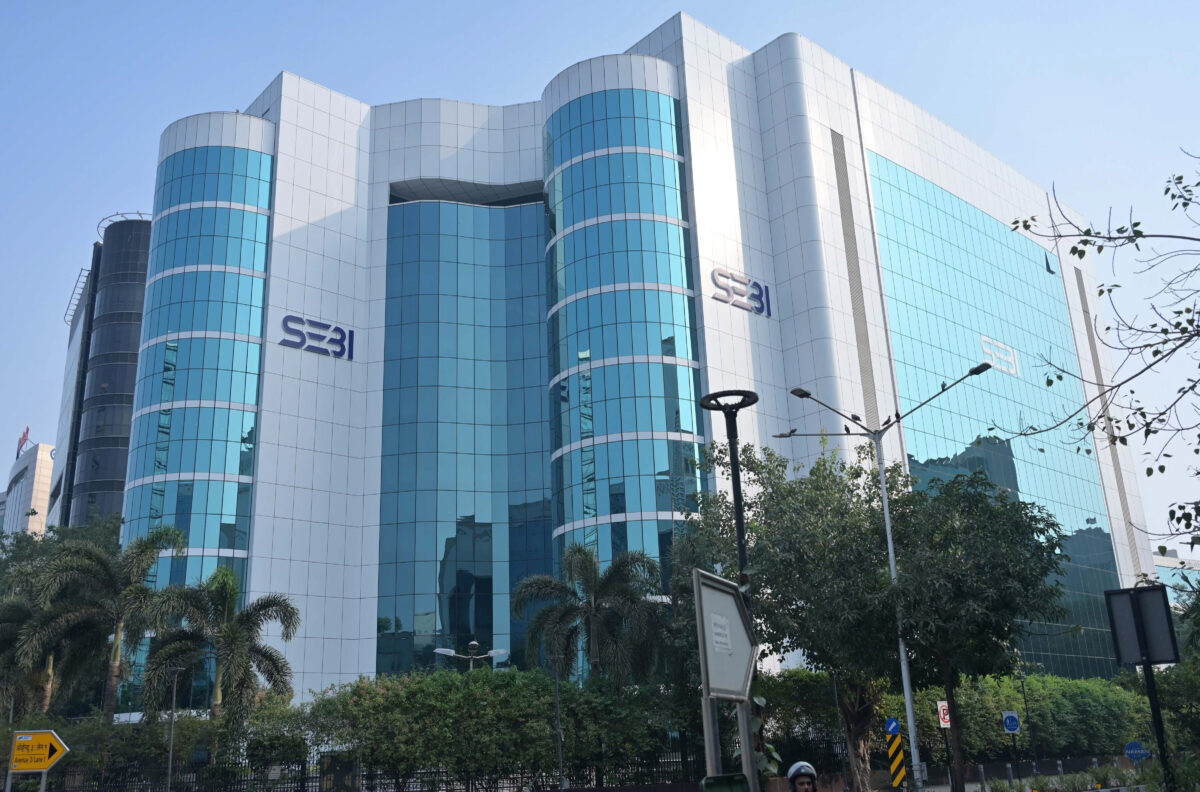
SEBI Set to Finalize New Expiry Day Rules for Equity Derivatives

The Securities and Exchange Board of India (SEBI) is expected to issue its much-anticipated circular today, bringing clarity on the new expiry day framework for equity derivatives across stock exchanges. This marks the conclusion of a consultation process that began in March 2025, aimed at streamlining contract expiries and curbing excessive market volatility.

As first reported by CNBC-TV18 on May 22, SEBI had proposed limiting equity derivatives contract expiries to just two days in a week—either Tuesday or Thursday. This move comes in response to growing concerns about speculative trading, which had been amplified by multiple expiry days throughout the week.

To help finalize the new framework, stock exchanges were asked to submit their preferred expiry day by June 15, 2025. According to sources familiar with the matter, the National Stock Exchange (NSE) has opted for Tuesday.

With the final circular expected today, the market is closely watching for official confirmation. Traders and investors are preparing to adjust their strategies based on the new, standardized expiry schedule—bringing a long-awaited sense of order to the derivatives market.

Stay tuned for updates as SEBI releases the official guidelines.

Eqwires Research Analyst

Top-notch SEBI registered research analyst

Best SEBI registered Intraday tips provider

info@eqwires.com

Telegram Facebook Instagram

Call: +91 9624421555 / +91 9624461555

www.eqwires.com

India’s Wholesale Inflation Drops to 14-Month Low in May

India’s wholesale inflation eased to 0.39% in May 2025, marking its lowest level in 14 months, according to government data released on June 16. This is the third straight month of decline in the Wholesale Price Index (WPI), signaling continued disinflationary momentum across the economy.

The latest figures follow the Consumer Price Index (CPI) falling to a near six-year low of 2.82%, reflecting broad-based cooling, particularly in food inflation, which dipped below 1%—a level not seen in nearly four years.

Inflation Trends and RBI’s Policy Response

WPI inflation stayed subdued for most of FY24, and although there was a slight rise early in FY25, it has remained well below 3% throughout the year.

This consistent decline in both retail and wholesale inflation has opened the door for monetary easing. The Reserve Bank of India (RBI) has responded with:

  • A 50 basis points (bps) rate cut in early June
  • 25 bps cuts in February and April

With these moves, the repo rate now stands at 5.5%, a full percentage point lower than at the start of the year.

Outlook for 2025 and Beyond

Economists suggest that further rate cuts may be on the table if the current disinflationary trend continues. Reinforcing this view, the RBI revised its FY26 inflation forecast down to 3.7%, from an earlier estimate of 4%.


The sustained decline in inflation is not only providing relief to consumers and businesses but also giving the central bank more flexibility to support growth through accommodative policy measures.

Eqwires Research Analyst

Top-notch SEBI registered research analyst

Best SEBI registered Intraday tips provider

info@eqwires.com

Telegram Facebook Instagram

Call: +91 9624421555 / +91 9624461555

www.eqwires.com