
Walmart CEO Doug McMillon Reaffirms Long-Term Commitment to India During Visit

Panasonic Holdings is stepping away from the refrigerator and washing machine segment in India as part of a major strategic shift toward more profitable, innovation-driven verticals. This decision aligns with the company’s global transformation agenda, which emphasizes technology, energy solutions, and B2B services over traditional white goods.

According to The Economic Times, the Japanese electronics giant will be shutting down production lines at its Jhajjar, Haryana plant—primarily a contract manufacturing hub for these now-exiting product categories.


❗ Why Panasonic is Exiting White Goods in India

Despite its global brand legacy, Panasonic has struggled to capture meaningful market share in India’s highly competitive refrigerator and washing machine markets. By exiting these segments, the company aims to streamline operations and reallocate resources toward sectors with stronger returns and growth potential.

Though final numbers are yet to be confirmed, layoffs could run into high double digits. That said, Panasonic is reportedly exploring redeployment opportunities for affected employees across its other business verticals in India.


📺 What’s Next for Panasonic’s Consumer Portfolio?

Going forward, Panasonic India will concentrate on TVs and air conditioners, where the brand continues to maintain a solid presence and customer base. These segments will anchor its consumer-facing operations, while the broader strategy shifts toward technology-led and B2B domains.

“In line with our global strategy and evolving market dynamics, we are rebuilding operations in India to focus on growth areas such as home automation, HVAC, B2B solutions, electricals, and energy solutions,” said a Panasonic India spokesperson.


🛠️ Support for Existing Customers

Panasonic has assured customers that:

  • Inventory clearance of refrigerators and washing machines will be handled in coordination with dealers.
  • After-sales service, including spare parts and warranty support, will continue for existing users, ensuring a smooth transition.

🌍 A Global Shift Toward Innovation

Panasonic’s exit is part of a broader industry trend where traditional electronics giants are streamlining legacy product lines in favor of high-growth, tech-forward solutions. In India, the company is now positioning itself as a major player in:

  • Smart home automation
  • Sustainable energy technologies
  • Commercial HVAC systems
  • Industrial and residential electrical solutions

📌 Final Thoughts

As India’s tech and energy landscape rapidly evolves, Panasonic is making bold moves to remain competitive and future-focused. By exiting low-margin segments and doubling down on innovation, the company aims to redefine its identity—from a traditional white goods brand to a next-gen technology and infrastructure solutions provider.

Eqwires Research Analyst

Top-notch SEBI registered research analyst

Best SEBI registered Intraday tips provider

info@eqwires.com

Telegram Facebook Instagram

Call: +91 9624421555 / +91 9624461555

www.eqwires.com

Walmart CEO Doug McMillon Reaffirms Long-Term Commitment to India During Visit

Walmart Inc. President and CEO Doug McMillon met with Indian Prime Minister Narendra Modi this week during a two-day visit aimed at reinforcing the global retail giant’s dedication to India’s growth. This marks McMillon’s second visit to the country in just 18 months—a strong signal of Walmart’s deepening engagement with India’s economy and entrepreneurial ecosystem.

He was accompanied by Walmart International CEO Kath McLay and board member Steuart Walton, as the delegation discussed key areas of collaboration including job creation, MSME empowerment, digital inclusion, skill development, and expanding India’s export footprint.

“There’s a story developing here that’s like a movie,” McMillon told PTI, describing India’s growth as dynamic, broad-based, and filled with long-term opportunity.


📦 Strengthening Walmart’s India Strategy

Walmart’s presence in India spans multiple high-impact businesses:

  • Flipkart – India’s leading e-commerce marketplace
  • PhonePe – A fintech leader with deep digital reach
  • Walmart Global Tech – Driving global innovation from India
  • Walmart Sourcing – A vital hub for global procurement

Walmart reaffirmed its ambitious goal to source $10 billion annually from India by 2027, supporting local manufacturers across categories like apparel, food, toys, and electronics. Having already sourced over $30 billion from India in the past two decades, the company is intensifying its efforts to connect with local suppliers and exporters.


🚀 Empowering MSMEs Through Walmart Vriddhi

McMillon also engaged with Indian entrepreneurs trained under Walmart Vriddhi, the company’s flagship supplier development program. The initiative aims to onboard and digitally upskill over 1 lakh MSMEs into Walmart’s supply ecosystem within the next three years.

“We are very proud of what’s happening with small businesses… I’m excited to hear about the work that’s happening with agriculture,” McMillon added, highlighting Walmart’s grassroots engagement.


🕰️ Walmart’s Journey in India

  • 2002: Opened first sourcing office in Bengaluru
  • 2018: Entered Indian retail with a landmark $16 billion acquisition of Flipkart
  • Post-2018: Acquired controlling stake in PhonePe, now an independent entity
  • 2021: Flipkart acquired Cleartrip, expanding into travel tech

Walmart’s India investments underscore its commitment to building inclusive, digitally empowered, and globally connected supply chains.


🌏 Looking Ahead

As Walmart deepens its footprint in India, its focus remains clear—partner with local businesses, power digital transformation, and contribute meaningfully to India’s economic growth. With robust government support and a thriving entrepreneurial base, Walmart’s India story is only getting started.

Eqwires Research Analyst

Top-notch SEBI registered research analyst

Best SEBI registered Intraday tips provider

info@eqwires.com

Telegram Facebook Instagram

Call: +91 9624421555 / +91 9624461555

www.eqwires.com

Indian Stock Market Soars for Third Straight Day – June 26, 2025

The Indian stock market continued its upward momentum for the third consecutive session on Thursday, June 26, 2025, buoyed by a mix of global and domestic tailwinds. Investor sentiment was lifted by easing geopolitical tensions in the Middle East, a sharp drop in crude oil prices, and a weaker US Dollar, all of which are encouraging foreign inflows into India’s equity markets.

🔼 Nifty & Sensex Hit Multi-Month Highs

The Nifty 50 surged 285 points (1.10%) to reach a 9-month high of 25,529, while the Sensex jumped 808 points (1%) to 83,689, a level last seen in October 2024. Both benchmarks are now just 2.5% shy of their all-time highs recorded in September.


🚀 What’s Fueling the Rally?

1. Middle East Tensions Ease

Markets breathed a sigh of relief as a fragile ceasefire between Israel and Iran held for the second day. The pause comes after nearly two weeks of escalating conflict that began with Israel’s “Operation Rising Lion” on June 13 and Iran’s retaliatory “Operation True Promise 3.”

US President Donald Trump confirmed upcoming talks between US and Iranian officials, boosting hopes for a longer-term de-escalation. This geopolitical calm is reducing global market jitters, supporting risk-on trades.

2. US Dollar Index at 3-Year Low

The US Dollar Index tumbled to 97, its lowest level in three years, following President Trump’s harsh criticism of Fed Chair Jerome Powell, whom he labeled a “numbskull” and “fool.” Trump has been pushing for rate cuts to ease government borrowing costs and is reportedly considering replacing Powell as early as September or October with a more dovish candidate.

A weaker dollar generally benefits emerging markets like India, as it makes rupee-denominated assets more attractive to global investors.

3. Growing Expectations of US Rate Cuts

Although Powell maintained a cautious tone in his recent Congressional testimony, markets are increasingly pricing in potential rate cuts. This shift comes amid disappointing consumer confidence data, labor market concerns, and persistent trade uncertainties.

Investors are now closely watching key economic data, including:

  • Final Q1 GDP numbers
  • Weekly jobless claims
  • Friday’s PCE inflation data

Any signs of economic softening could nudge the Fed toward a more accommodative stance.


🇮🇳 Domestic Factors Supporting Indian Markets

Back home, strong participation from domestic institutional investors and growing optimism about corporate earnings for Q1 FY26 are adding fuel to the rally. Market watchers are hopeful that the upcoming earnings season will reflect resilience across key sectors.


📌 Final Thoughts

The ongoing rally in Indian equities is a result of both global tailwinds and domestic confidence. With geopolitical tensions cooling and rate cut expectations rising, foreign investors are eyeing India as a stable, high-growth destination.

However, market sentiment remains sensitive to global developments. Investors should keep an eye on upcoming US economic data and geopolitical headlines that could sway momentum in either direction.

Eqwires Research Analyst

Top-notch SEBI registered research analyst

Best SEBI registered Intraday tips provider

info@eqwires.com

Telegram Facebook Instagram

Call: +91 9624421555 / +91 9624461555
www.eqwires.com

NSE Eyes IPO Revival with ₹1,388 Cr Settlement Offer to SEBI

Unlisted Shares in Focus as Legal Hurdles Begin to Clear

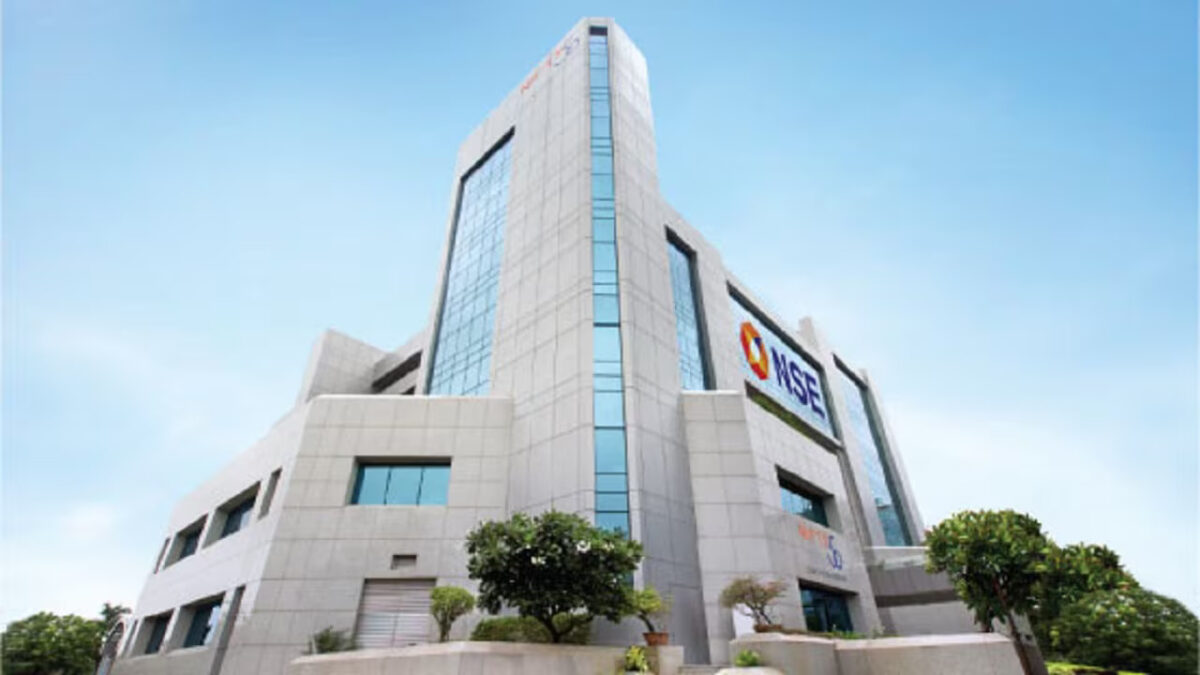
The National Stock Exchange (NSE) is back in the spotlight as it takes a major step toward resolving long-standing regulatory challenges. On Wednesday, June 25, the exchange filed two applications with the Securities and Exchange Board of India (SEBI) to settle the co-location and dark fibre cases by offering to pay a record ₹1,388 crore—the highest-ever settlement amount proposed by any Indian entity.

📈 Unlisted Shares React

The development has sparked renewed interest in NSE’s unlisted shares, which are currently trading in the ₹2,325–2,400 range on the grey market. A successful settlement could pave the way for the exchange to relaunch its long-awaited Initial Public Offering (IPO).


📜 A Long-Awaited IPO

  • NSE first filed its draft IPO papers back in 2016, with plans to sell a 22% stake and raise nearly ₹10,000 crore.
  • However, those plans were derailed by regulatory probes stemming from a 2015 controversy, where certain high-frequency traders were alleged to have received preferential access to NSE’s co-location servers.

⚖️ Clearing Legal Clouds

SEBI Chairman Tuhin Kanta Pandey, speaking at the FE CFO Awards, stated that no major obstacles remain in NSE’s path.

“Some legal settlements and related issues need to be closed. A certain amount will have to be paid, and cases withdrawn,” he said.

On May 7, during an earnings call, NSE MD & CEO Ashishkumar Chauhan confirmed the exchange had replied to SEBI’s February 28 letter and formally requested the No Objection Certificate (NOC) needed to initiate the IPO process.

Chauhan emphasized that regulatory uncertainties around clearing corporation divestment and KMP salaries might still slow progress, but added:

“Pending Supreme Court matters will be disclosed in the DRHP. Beyond that, there are no major hurdles.”


🔁 Derivatives Expiry Day Changes

NSE was recently in the news after SEBI approved changes to the expiry day for derivatives contracts.

  • Contracts expiring on or before August 31, 2025, will continue with the Thursday expiry.
  • For contracts expiring on or after September 1, 2025, the expiry day will shift to Tuesday.
  • Long-dated index options will be realigned accordingly.

This move aims to streamline trading activity and better align expiry days across products and exchanges.


🧾 Conclusion

With its settlement offer on the table and regulatory clarity improving, NSE appears closer than ever to reviving its IPO ambitions. For investors and market watchers, this signals not only a potential listing from India’s largest exchange but also a renewed push for transparency, accountability, and innovation in capital markets.

Eqwires Research Analyst

Top-notch SEBI registered research analyst

Best SEBI registered Intraday tips provider

info@eqwires.com

Telegram Facebook Instagram

Call: +91 9624421555 / +91 9624461555
www.eqwires.com

Adani and Reliance Join Forces to Expand Fuel Access Across India

In a strategic move set to reshape India’s private fuel retail landscape, Adani Total Gas Ltd. (ATGL) and Jio-bp, the fuel retail arm of Reliance BP Mobility, have announced a new partnership that will see cross-distribution of fuels at each other’s outlets.

Announced on June 25, the collaboration aims to improve fuel availability and quality for consumers while leveraging the combined infrastructure and reach of both energy giants.

🔁 What’s the Deal?

  • Jio-bp’s premium petrol and diesel will now be available at select Adani fuel stations.
  • In return, Adani’s CNG will be dispensed at select Jio-bp outlets through ATGL’s units.
  • The partnership spans existing and upcoming fuel stations across India.

🗣️ Leadership Commentary

Suresh P Manglani, CEO of ATGL, said the alliance will enhance customer experience by utilizing each other’s infrastructure and extending product offerings.

Sarthak Behuria, Chairman of Jio-bp, highlighted that the collaboration brings together the strengths of both companies to deliver greater consumer value.

🛠️ Scale and Reach

  • ATGL, a joint venture of Adani Group and TotalEnergies (France), currently operates around 650 CNG stations, with a growing footprint in biogas, EV charging, and LNG for transport.
  • Jio-bp, backed by Reliance Industries and bp, runs ~2,000 fuel outlets across India and is focused on delivering cleaner energy solutions. Many stations also include convenience stores.

🔄 A Growing Partnership

This isn’t the first time Adani and Reliance have collaborated. In March 2025, Reliance Industries acquired a 26% stake in Adani Power’s Mahan Energen Ltd, signaling warming ties between the two conglomerates.

⛽ Industry Impact

India’s fuel retail market is dominated by public-sector giants like Indian Oil, BPCL, and HPCL, which together control nearly 90% of the 97,000 fuel stations in the country. This partnership between Adani and Reliance signals a strong private-sector challenge to the status quo—offering consumers more choice, higher quality fuel, and modern service experiences.


Conclusion:
With growing demand for diverse and cleaner fuel options, the Adani-Reliance partnership is a bold step toward reshaping India’s fuel retail ecosystem. For Indian motorists, it means more choices and better access—driven by innovation and private collaboration.

Eqwires Research Analyst

Top-notch SEBI registered research analyst

Best SEBI registered Intraday tips provider

info@eqwires.com

Telegram Facebook Instagram

Call: +91 9624421555 / +91 9624461555

www.eqwires.com