

Jet Fuel Price Jumps 7.5%, Commercial LPG Gets Cheaper

On July 1, 2025, aviation turbine fuel (ATF) prices were sharply raised by 7.5%, ending a three-month streak of reductions. According to state-owned fuel retailers, ATF now costs ₹89,344.05 per kilolitre in Delhi after an increase of ₹6,271.5 per kl. This hike effectively reverses about half of the total price cuts implemented between April and June.

Previously, ATF rates were lowered by:

  • ₹2,414.25 per kl (2.82%) on June 1
  • ₹3,954.38 per kl (4.4%) on May 1
  • ₹5,870.54 per kl (6.15%) on April 1

The latest jump follows a surge in international crude oil prices triggered by last month’s geopolitical tensions after Israel attacked Iran. Given that fuel accounts for nearly 40% of an airline’s operating costs, this increase is likely to strain carriers further. Airlines have not yet commented on the impact.

ATF prices were also revised in other major cities:

  • Mumbai: ₹83,549.23 per kl (up from ₹77,602.73)
  • Chennai: ₹92,526.09 per kl
  • Kolkata: ₹92,705.74 per kl

Fuel prices vary by state due to differences in VAT and other local levies.

Commercial LPG Price Cut Again

While ATF became costlier, commercial LPG used in hotels and restaurants got cheaper for the fourth consecutive month. Oil companies slashed the price of a 19-kg commercial LPG cylinder by ₹58.50. In Delhi, it now costs ₹1,665, and in Mumbai, ₹1,616.50.

Since April, commercial LPG prices have dropped by ₹138 per cylinder:

  • ₹41 cut on April 1
  • ₹14.50 cut on May 1
  • ₹24 cut on June 1
  • ₹58.50 cut on July 1

Benchmark LPG prices have been under pressure from weaker summer demand, even as crude oil has become more expensive.

Domestic LPG and Motor Fuels Unchanged

The price of domestic LPG remains steady at ₹853 per 14.2-kg cylinder, after a ₹50 increase in April. Petrol and diesel prices also remain frozen, unchanged since a ₹2 per litre cut in March last year ahead of elections. Currently, petrol sells for ₹94.72 a litre in Delhi, and diesel costs ₹87.62.

State-run oil giants—Indian Oil Corporation (IOC), Bharat Petroleum Corporation Ltd (BPCL), and Hindustan Petroleum Corporation Ltd (HPCL)—revise ATF and LPG rates monthly, based on international benchmarks and the rupee-dollar exchange rate.

Eqwires Research Analyst

Top-notch SEBI registered research analyst

Best SEBI registered Intraday tips provider

info@eqwires.com

Telegram Facebook Instagram

Call: +91 9624421555 / +91 9624461555
www.eqwires.com

Motilal Oswal Reiterates ‘Neutral’ View on Torrent Pharma Despite JB Chemicals Buyout Plans

Motilal Oswal has maintained its “Neutral” rating on Torrent Pharmaceuticals, setting a price target of ₹3,430, which implies modest upside of around 3% from current levels. The brokerage’s stance reflects both the strategic potential and execution risks linked to Torrent’s ambitious plan to acquire JB Chemicals & Pharmaceuticals (JBCP).

Here’s a closer look at what’s driving this cautious optimism:


Portfolio Expansion Brings Growth—and Challenges

The acquisition would give Torrent access to JBCP’s fast-growing domestic formulation business, which includes a strong chronic care portfolio.

Torrent plans to purchase up to 46.4% stake in JBCP for ₹11,900 crore (₹1,600 per share) and will also launch a mandatory open offer for an additional 26% stake.

Post-merger, JBCP’s ₹2,300 crore domestic sales and 2,800+ field force will integrate into Torrent’s existing ₹6,400 crore India business, creating potential synergies across therapies.

However, Motilal Oswal cautioned that successful integration and a clear strategy for cross-selling will be critical to unlock value from the combined entity.


Valuation: Strategic Sense, But No Bargain

Motilal Oswal noted that while the deal is consistent with Torrent’s expansion goals, the valuation is not exactly cheap.

Torrent is paying:

  • 30.7× FY26E earnings (27× FY27E)
  • 22× FY26E EBITDA

These multiples are lower than Torrent’s own 47× FY26 earnings, but still significantly above sector averages.

In the brokerage’s words:

“Valuation supports strategic rationale, but does not leave much room for re-rating.”


Funding Mix Could Pressure Near-Term Earnings

Torrent already carries about ₹2,250 crore of net debt. If the acquisition is funded entirely through borrowing, Motilal Oswal estimates an earnings dilution of around 10.5% in FY27 due to higher interest costs.

Outside of the JBCP deal, Torrent is expected to deliver a healthy growth trajectory with:

  • 12% revenue CAGR
  • 14% EBITDA CAGR
  • 23% PAT CAGR over FY25–FY27

Motilal Oswal continues to value Torrent at 38× 12-month forward earnings, supporting the ₹3,430 target price.


Bottom Line

While the acquisition could strengthen Torrent’s presence in chronic therapies and expand its domestic portfolio meaningfully, the brokerage believes the limited upside from current levels warrants a Neutral stance.

For investors, the big question will be how effectively Torrent manages integration and balances funding to avoid a drag on profitability.

Eqwires Research Analyst

Top-notch SEBI registered research analyst

Best SEBI registered Intraday tips provider

info@eqwires.com

Telegram Facebook Instagram

Call: +91 9624421555 / +91 9624461555
www.eqwires.com

RVNL Shares Gain as Company Wins ₹213 Crore South Central Railway Contract

Shares of Rail Vikas Nigam Ltd (RVNL) rose nearly 2% on June 30 after the company announced it had emerged as the lowest bidder (L1) for a major ₹213.22 crore contract awarded by South Central Railway.

According to an exchange filing, the project involves designing, supplying, installing, testing, and commissioning an overhead equipment (OHE) system upgrade—transitioning from the current 1x25kV setup to a 2x25kV AT feeding system with feeder and earthing works. The upgrade will cover the Duvvada–Rajamundry and Samalkot–Kakinada Port sections of the Vijayawada division. RVNL expects to complete the contract within 24 months.

Revenue Outlook Remains Positive

Despite a softer performance in FY25, the state-run infrastructure giant has reiterated its revenue guidance of ₹20,000–₹22,000 crore for the current fiscal year.

MP Singh, Director of Operations at RVNL, expressed confidence in meeting FY26 targets. “We are expecting to achieve the FY26 revenue guidance because some of the large projects we secured through bidding are now under execution,” Singh said.

The company had set the same revenue guidance for FY25 but fell short due to a sluggish first half. However, momentum picked up sharply as new contracts began moving into the execution phase.

Competitive Bidding Driving Growth

Competitive bidding has emerged as a key growth engine for RVNL. According to Singh, revenue from such projects grew around 68% in FY25, underscoring the importance of large-scale infrastructure initiatives.

Several marquee projects, including BharatNet, metro infrastructure, and RDSS, are currently in mid-implementation—a phase that typically generates higher revenue inflows.

Stock Performance

As of 12:40 pm on June 30, RVNL shares were trading 0.65% higher at ₹397.60 on the NSE, reflecting investor optimism around the company’s strong project pipeline and execution capabilities.

Stay tuned for more updates on RVNL’s infrastructure projects and their impact on the company’s financial performance.

Eqwires Research Analyst

Top-notch SEBI registered research analyst

Best SEBI registered Intraday tips provider

info@eqwires.com

Telegram Facebook Instagram

Call: +91 9624421555 / +91 9624461555

www.eqwires.com

Curefoods India Files for IPO to Fuel Growth and Expansion

Multi-brand food services company Curefoods India has officially filed its draft papers with the Securities and Exchange Board of India (SEBI), gearing up to raise capital through an initial public offering (IPO).

According to the draft red herring prospectus (DRHP), the IPO will feature a fresh issue of shares worth ₹800 crore, along with an offer-for-sale (OFS) of 4.85 crore equity shares by existing investors.

Prominent shareholders participating in the OFS include Curefit Healthcare, Iron Pillar PCC, Crimson Winter, Accel India V, Chiratae Ventures India Fund IV, Global eCommerce Consolidation Fund, and Alteria Capital Fund.

Headquartered in Bengaluru, Curefoods India operates popular brands such as CakeZone and Nomad Pizza. The company is also planning to raise up to ₹160 crore in a pre-IPO round to bolster its finances ahead of the listing.

How Curefoods Plans to Use IPO Funds

A significant portion of the IPO proceeds has been earmarked to drive expansion and reduce liabilities:

  • ₹152.54 crore will be invested in growth and equipment:
    • ₹126.32 crore to set up new Krispy Kreme cloud kitchens, restaurants, kiosks, and central kitchens
    • ₹19.91 crore to expand select existing cloud kitchens with additional brands
    • ₹6.31 crore to purchase machinery and equipment
  • ₹126.93 crore will be used to repay debt
  • ₹40 crore will cover lease obligations in India
  • ₹14 crore will go toward sales and marketing initiatives

The company also plans to strengthen its subsidiary businesses:

  • ₹91.96 crore investment in Fan Hospitality Services
  • ₹11.35 crore for Cakezone Foodtechs
  • ₹81.15 crore to increase stakes in Millet Express Foods, Munchbox Frozen Foods, and Yum Plum

Additional funds are earmarked for future acquisitions, strategic initiatives, and general corporate purposes.

About Curefoods India

Curefoods is a tech-enabled, multi-brand food services platform offering a wide range of cuisines through cloud kitchens, dine-in restaurants, and kiosks. The company leverages technology to optimize operations and reach consumers across formats and geographies.

IPO Advisors

JM Financial, IIFL Capital Services, and Nuvama Wealth Management are the book-running lead managers for this public issue.

Stay tuned as Curefoods India moves closer to its market debut, aiming to accelerate its growth story in India’s fast-evolving food services sector.

Eqwires Research Analyst

Top-notch SEBI registered research analyst

Best SEBI registered Intraday tips provider

info@eqwires.com

Telegram Facebook Instagram

Call: +91 9624421555 / +91 9624461555
www.eqwires.com

IndusInd Bank Shortlists New CEO Candidates After Forex Derivatives Scandal

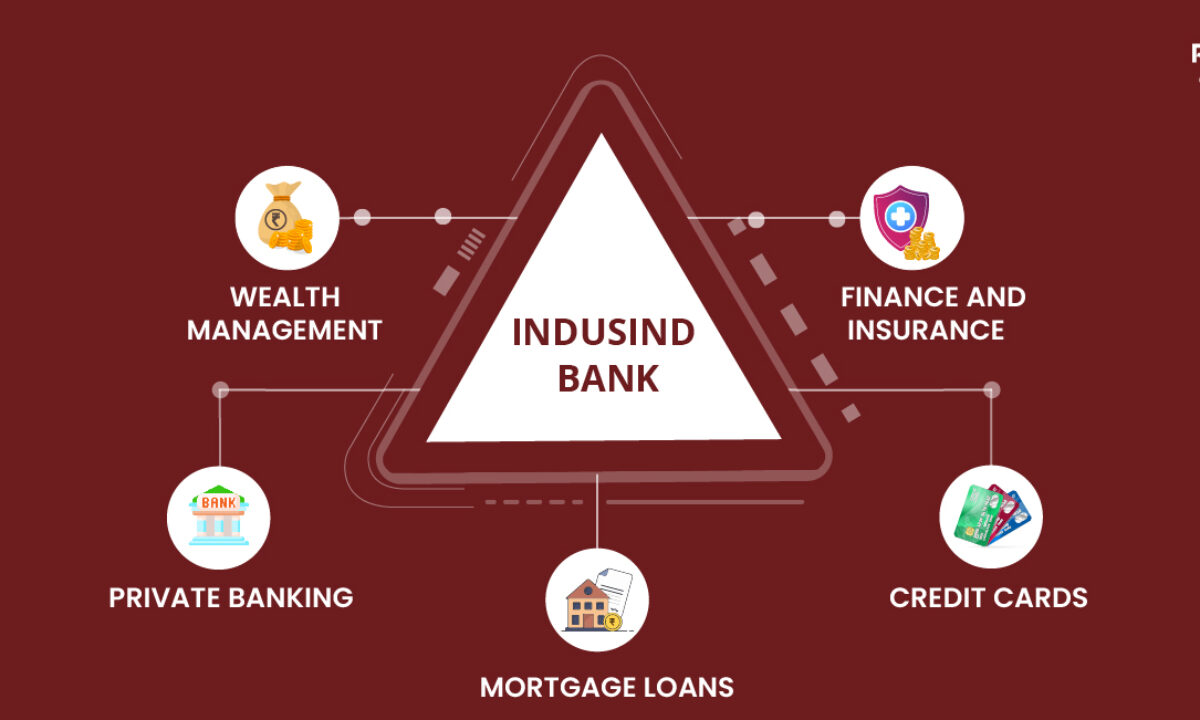
IndusInd Bank, reeling from one of the largest accounting scandals in India’s banking sector, has zeroed in on three seasoned executives to fill its top leadership positions. The shortlist includes Rajiv Anand of Axis Bank, Anup Saha of Bajaj Finance, and Rahul Shukla of HDFC Bank.

The bank has been without a permanent CEO since late April, when Sumant Kathpalia and deputy Arun Khurana resigned, citing moral responsibility for massive undisclosed losses in its forex derivatives trading book. Both former executives have also been barred by SEBI for insider trading, after allegedly profiting over ₹157 crore from selling the bank’s shares before the crisis came to light.

The Candidates

  • Rajiv Anand, currently deputy managing director at Axis Bank, has over 35 years of experience across retail and wholesale banking. He is due to retire in August.
  • Anup Saha, recently appointed MD of Bajaj Finance, brings more than three decades of experience and played a major role in scaling Bajaj Finance’s retail business.
  • Rahul Shukla, on sabbatical from HDFC Bank, has headed corporate and business banking and previously held senior positions at Citibank across South Asia.

According to people familiar with the process, IndusInd’s board is expected to finalize and submit the list of candidates to the Reserve Bank of India (RBI) any day now, ahead of the regulatory deadline of June 30. The RBI has directed that candidates must be external to the bank to ensure fresh oversight.

What Triggered the Crisis

IndusInd’s troubles began in early March, when it disclosed that years of accounting errors in its forex derivatives book had been discovered. Initially estimating the impact at ₹1,600 crore, the bank later revealed total losses of ₹2,329 crore—erasing nearly all profits for the March quarter. Net interest income also slumped 43% year-on-year to ₹3,048 crore.

The crisis didn’t stop there. An internal audit subsequently found:

  • ₹674 crore wrongly booked as interest income from the microfinance business
  • ₹595 crore of unsubstantiated balances under “other assets” on the balance sheet

These revelations raised serious concerns about corporate governance and internal controls. The bank’s shares have been under pressure ever since, trading about 42% below their 52-week high as of June.

Interim Management

Since the resignations of Kathpalia and Khurana in late April, IndusInd Bank has been managed by an RBI-approved executive committee led by Soumitra Sen (head of consumer banking) and Anil Rao (chief administrative officer).

Looking Ahead

The leadership overhaul is seen as critical for restoring confidence among investors, regulators, and customers. IndusInd’s chairman Sunil Mehta has assured stakeholders that the new leadership team will be announced in time to stabilize operations and rebuild trust.

As the bank prepares to turn the page, the shortlisted candidates—each with decades of experience—will face the task of tightening controls, repairing credibility, and steering the lender back to growth.

Eqwires Research Analyst

Top-notch SEBI registered research analyst

Best SEBI registered Intraday tips provider

info@eqwires.com

Telegram Facebook Instagram

Call: +91 9624421555 / +91 9624461555

www.eqwires.com