

No Worries Over Sanctions: India Ready for Any Oil Supply Disruption

India has reaffirmed its confidence in the face of potential US secondary sanctions on Russian oil imports. Union Petroleum Minister Hardeep Singh Puri stated that the country is not concerned about such developments, citing India’s diversified crude sourcing strategy and stable global oil supply.

India’s Diversification Strategy

India has significantly expanded its oil import portfolio. Where it earlier sourced crude from 27 countries, it now imports from over 40. This includes traditional Middle Eastern suppliers and new markets like Brazil, Argentina, Guyana, and Canada. This diversification is seen as a buffer against geopolitical uncertainties.

The minister emphasized that even if any one supply source is disrupted, India has ample alternatives. The Indian government is also ramping up domestic exploration and production to enhance energy self-sufficiency.

Current Russian Oil Dependency

Despite global pressures, Russia remains India’s largest oil supplier, accounting for nearly 35 percent of crude imports. In the first half of 2025, India imported an average of 1.75 million barrels per day of Russian crude. Private players like Reliance Industries and Nayara Energy are leading buyers, often securing oil through term contracts.

However, the minister noted that even if Russian oil supplies face constraints, Indian refiners are well-positioned to pivot back to alternative suppliers used prior to the Russia-Ukraine conflict.

Stance on Sanctions

Minister Puri downplayed the threat of US secondary sanctions, implying that such measures are unlikely to impact India’s import decisions. Industry experts also back this position, suggesting that such sanctions may not be enforceable in practice or may only have limited global support.

According to policy think tanks, India’s continued purchase of Russian oil is crucial for maintaining domestic price stability and ensuring energy security, especially at a time when inflation concerns remain elevated.

Market Outlook

The global crude oil market remains well supplied. This stability is aiding countries like India to manage import prices effectively. Puri stated that if disruptions occur, they are confident of managing the supply chain without significantly affecting the Indian economy or fuel prices.

Conclusion

India’s energy strategy continues to prioritize national interest and energy security. With a robust and diversified import system and increasing domestic capabilities, the country remains confident in weathering any geopolitical shifts. The government’s measured and pragmatic approach reaffirms its commitment to affordable and uninterrupted energy access for its population.

Eqwires Research Analyst

Top-notch SEBI registered research analyst

Best SEBI registered Intraday tips provider

info@eqwires.com

Telegram Facebook Instagram

Call: +91 9624421555 / +91 9624461555

www.eqwires.com

Adani Group Sells 20% Stake in AWL Agri Business to Wilmar in ₹7,150 Crore Deal

In a major development, the Adani Group has sold a 20% stake in AWL Agri Business Limited (formerly Adani Wilmar Ltd) to Wilmar International’s unit, Lence Pte Ltd, in a deal valued at ₹7,150 crore (at ₹275 per share). The transaction reshapes ownership, reinforcing Wilmar’s control over the food and FMCG joint venture.


Deal Overview

  • Seller: Adani Commodities LLP (subsidiary of Adani Enterprises)
  • Buyer: Lence Pte Ltd (Wilmar International’s subsidiary)
  • Deal Value: ₹7,150 crore (₹275 per share)
  • New Ownership Structure:
    • Wilmar’s holding increases to approximately 64%
    • Adani’s stake reduces significantly from 30.4% to around 10–11%
    • Remaining shares offered to other pre-identified investors

Ownership Restructuring

  • Following this transaction and a previous 13.5% offer-for-sale in January (also at ₹275 per share, raising ₹4,855 crore), Adani’s total divestment in AWL Agri exceeds 33%.
  • The sale follows a bilateral agreement allowing stake transfer up to ₹305 per share.

Why the Deal Matters

  1. Wilmar Gains Majority Control
    Wilmar now holds the operational reins to shape AWL’s FMCG and edible oil growth trajectory.
  2. Adani Streamlines Focus
    With nearly ₹15,729 crore raised across two deals, Adani is redirecting capital to core infrastructure, energy, and logistics ventures.
  3. Market Stability
    The transaction is expected to bring long-term stability to AWL’s share price and strategic focus.

Q1 FY26 Performance of AWL Agri

  • Revenue rose 21% year-on-year in Q1 FY26.
  • Net profit fell 24% to ₹236 crore due to weak consumer sentiment and volatile commodity prices.

Looking Ahead

  • Wilmar’s Focus Areas: Strengthening presence in rice, pulses, and packaged food segments.
  • Revenue Goals: Food and FMCG revenue target of ₹7,000 crore in FY26, with ₹10,000 crore planned for FY27.
  • Expansion Strategy: Exploring regional acquisitions in central and southern India.

Conclusion

This ₹7,150 crore deal signifies a strategic shift in AWL Agri’s ownership structure and long-term direction. Wilmar’s increased control marks the beginning of a new operational chapter, while Adani realigns its business priorities. Investors should monitor Wilmar’s execution in scaling FMCG operations and AWL’s roadmap for profitability and growth.

Eqwires Research Analyst

Top-notch SEBI registered research analyst

Best SEBI registered Intraday tips provider

info@eqwires.com

Telegram Facebook Instagram

Call: +91 9624421555 / +91 9624461555
www.eqwires.com

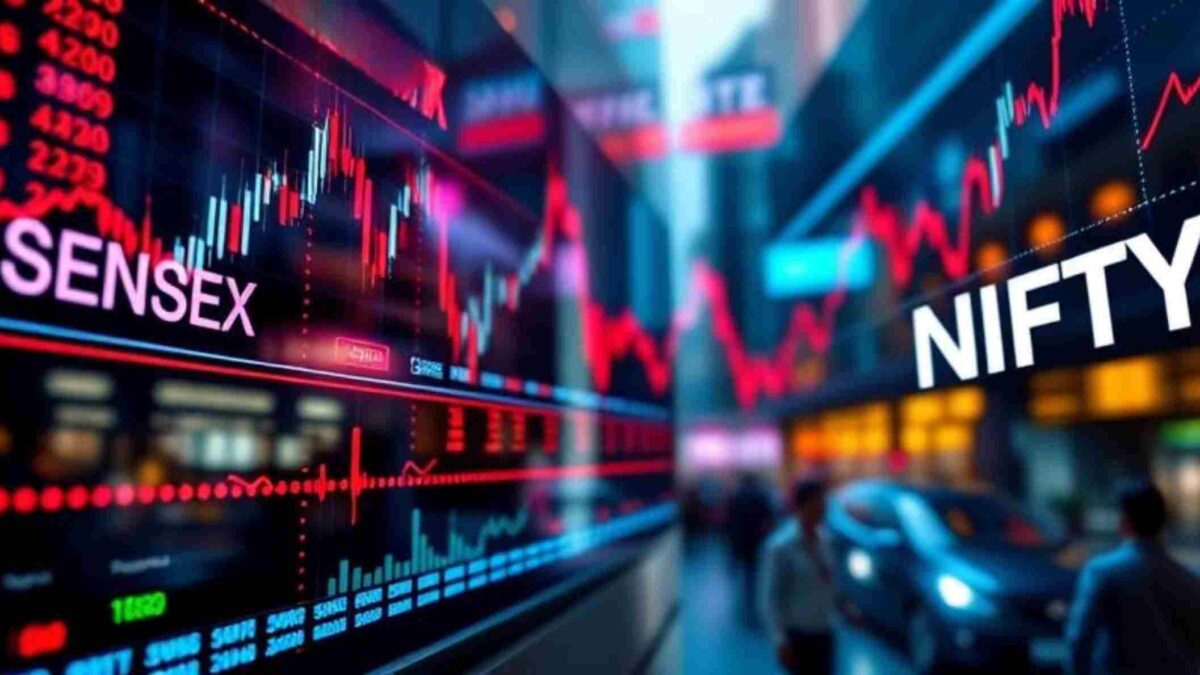
Sensex Ends 63 Points Higher, Nifty Holds Above 25,200 Amid Volatile Trade

Indian benchmark indices ended slightly higher on Monday, July 15, after a volatile trading session, supported by gains in FMCG, auto, and select banking stocks. Investors remained cautious ahead of key earnings announcements and macroeconomic data.

Key Highlights:

Sensex and Nifty Performance:

  • Sensex rose by 63 points to close at 82,634
  • Nifty 50 ended 16 points higher at 25,212
    The indices oscillated between gains and losses throughout the day but managed to close in the green.

Sectoral Trends:

  • FMCG and Auto stocks led the gains with buying interest in large-cap names.
  • IT and Pharma sectors remained under pressure, continuing their recent trend of profit-booking.
  • Bank Nifty showed resilience, holding above the 55,000 mark.

Top Gainers and Losers:

  • Key gainers included ITC, Tata Motors, Britannia, and Hindustan Unilever.
  • On the flip side, Infosys, HCL Tech, and Sun Pharma were among the notable laggards.

Market Sentiment:

Market participants are closely watching Q1 earnings results and updates from the US markets. Upcoming inflation data and commentary from the US Federal Reserve will likely guide sentiment for the rest of the week.

Broader Markets:

The midcap and smallcap indices outperformed the benchmarks, reflecting continued retail investor interest in broader market opportunities.


Conclusion:
Despite global uncertainty and sectoral rotation, Indian markets continue to show strength. With the earnings season picking up pace, stock-specific action is expected to remain high in the coming sessions.

Eqwires Research Analyst

Top-notch SEBI registered research analyst

Best SEBI registered Intraday tips provider

info@eqwires.com

Telegram Facebook Instagram

Call: +91 9624421555 / +91 9624461555
www.eqwires.com

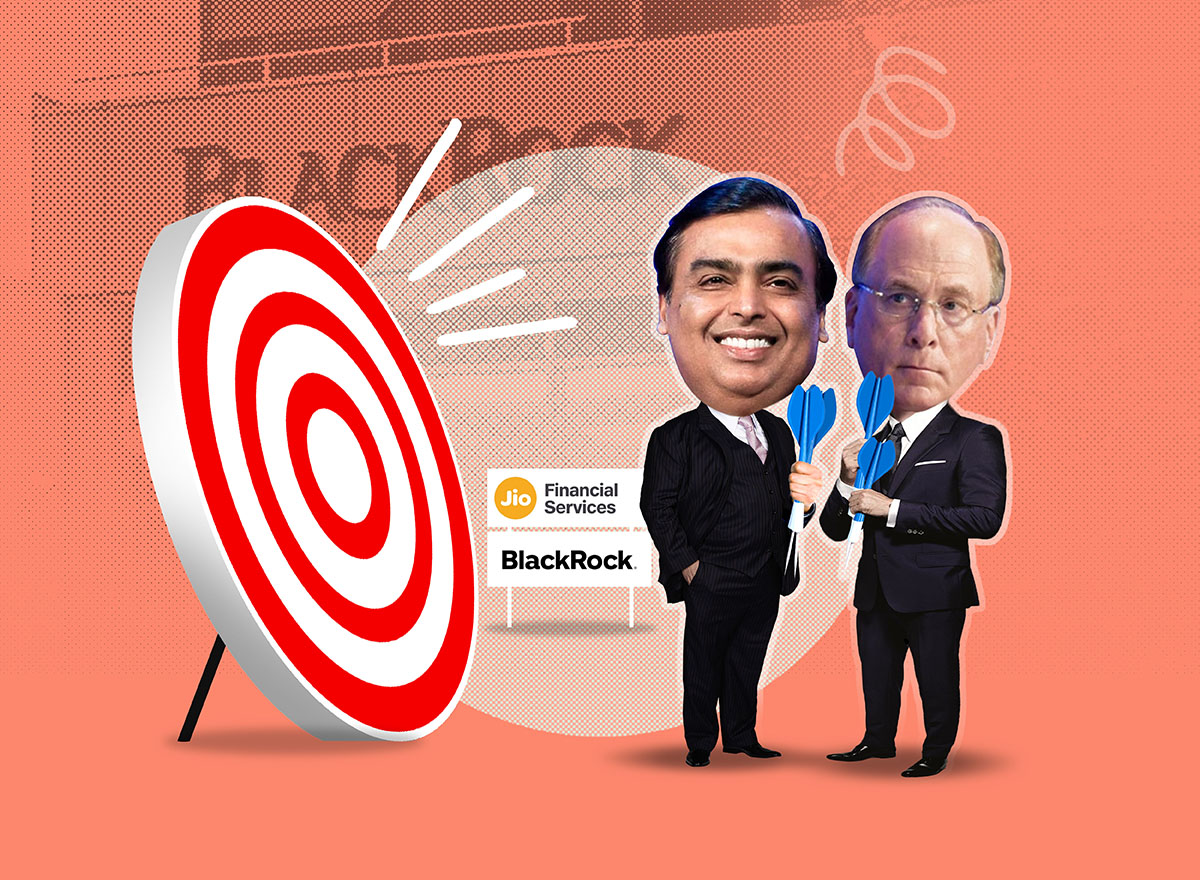
Jio BlackRock Receives SEBI Nod to Launch Five Passive Funds in India

In a major step toward deepening its presence in the Indian mutual fund space, Jio BlackRock has received approval from the Securities and Exchange Board of India (SEBI) to launch five passive investment schemes. This marks a significant milestone for the joint venture between Reliance Industries’ Jio Financial Services and global asset management giant BlackRock.

Key Highlights:

1. SEBI Approval Granted
Jio BlackRock has secured regulatory clearance to roll out five exchange-traded and index-based passive funds. These offerings will allow investors to track market indices rather than rely on active stock selection, offering a low-cost, diversified investment alternative.

2. Focus on Affordable & Scalable Investing
The move aligns with Jio BlackRock’s strategy to democratize investing in India by making mutual fund products more affordable, transparent, and accessible to retail investors. Passive funds are especially attractive to new investors seeking long-term wealth creation with lower fees and lower portfolio churn.

3. What Are Passive Funds?
Passive funds are designed to replicate the performance of a market index, such as the Nifty 50 or Sensex, by holding all or a representative sample of securities in that index. They offer lower expense ratios and are generally considered ideal for long-term, goal-based investing.

4. Industry Impact
With this entry, Jio BlackRock is expected to intensify competition in India’s passive fund segment, which has seen rapid growth over the past few years. Established players like SBI Mutual Fund, HDFC, and Nippon India may see increased pressure to innovate on pricing and transparency.

Market Outlook:

India’s mutual fund industry continues to witness strong inflows, particularly in passive schemes due to their simplicity and cost-effectiveness. Jio BlackRock’s foray is expected to further expand investor participation and offer greater diversity in passive investment options.


Conclusion:
Jio BlackRock’s SEBI approval marks the beginning of a new chapter in India’s investment landscape. With strong backing from Reliance and global expertise from BlackRock, the venture is well-positioned to make a meaningful impact in the rapidly evolving mutual fund industry.

Eqwires Research Analyst

Top-notch SEBI registered research analyst

Best SEBI registered Intraday tips provider

info@eqwires.com

Telegram Facebook Instagram

Call: +91 9624421555 / +91 9624461555
www.eqwires.com

Paytm Shares Cross ₹1,000 for the First Time in Six Months on MSCI Buzz, Q1 Profit Hopes

Shares of One97 Communications, the parent company of Paytm, surged past the ₹1,000 mark for the first time in over six months, fueled by renewed investor optimism, MSCI index speculation, and improving earnings expectations.

Key Drivers Behind the Rally:

1. Anticipation of Q1 Profitability:
Market participants are increasingly optimistic that Paytm may report a profit in the June quarter or continue its strong momentum in narrowing losses. The company has shown steady improvement in operational metrics over the last few quarters, including positive EBITDA (excluding ESOP costs).

2. MSCI Index Inclusion Buzz:
There is renewed chatter around the potential inclusion of Paytm in the MSCI India Index during upcoming reviews. Such an inclusion typically attracts strong inflows from global passive funds and can significantly boost stock demand.

3. Technical Breakout:
From a technical standpoint, crossing the ₹1,000 resistance level signals a strong breakout and may attract short-term momentum traders. The stock has gained over 20% in the last month.

4. Regulatory Clarity & Focus on Profitability:
After months of regulatory uncertainties around Paytm Payments Bank, the company’s strategic shift towards focusing on distribution, merchant payments, and financial services is being well-received by investors.

What Analysts Are Watching:

  • June quarter results for a potential profit or further narrowing of losses.
  • Commentary on user engagement, lending disbursals, and financial services growth.
  • Clarity on business restructuring following the RBI’s restrictions on the payments bank.

Investor Outlook:

While the road ahead still carries regulatory and competitive risks, investor sentiment appears to be improving. Sustained delivery on profitability targets and further inclusion in benchmark indices could provide continued upward momentum.

Eqwires Research Analyst

Top-notch SEBI registered research analyst

Best SEBI registered Intraday tips provider

info@eqwires.com

Telegram Facebook Instagram

Call: +91 9624421555 / +91 9624461555

www.eqwires.com