
IEX Shares Rebound 13% After Record Plunge; Stock Still Under F&O Ban – What Should Investors Do?

Shares of Indian Energy Exchange (IEX) surged nearly 13% to ₹149.45, recovering sharply after experiencing a record single-day fall. Despite the rebound, the stock remains under the Futures and Options (F&O) ban list due to excessive speculative positions.


Why Did IEX Fall?

The recent crash in IEX shares was primarily triggered by regulatory uncertainty regarding the implementation of market coupling — a proposed mechanism in which the price discovery across all power exchanges is centralized. This move is perceived as a threat to IEX’s dominant position, as it could reduce its influence on price discovery and trading volumes.

Additionally, the stock entered the F&O ban list after the total open interest exceeded 95% of the market-wide position limit (MWPL), preventing traders from initiating fresh positions in the derivative segment.


What Led to the Rebound?

  1. Strong Q1 Results: IEX reported a 25% year-on-year rise in consolidated net profit for the first quarter, indicating solid operational performance.
  2. Short Covering and Bargain Buying: After a steep correction, investors likely saw value at lower levels, triggering a sharp pullback.
  3. Technical Support: The stock found support around ₹110–₹115 and rebounded swiftly from that zone.

What Is the F&O Ban and Why Does It Matter?

When a stock is placed under the F&O ban, traders cannot take new positions in derivatives contracts — they can only reduce or square off existing positions. This is a regulatory measure to prevent excessive speculation. The ban is lifted only when the open interest falls below 80% of the MWPL.


What Should Investors Do?

Existing Investors:

  • If invested with a long-term view, consider holding your position. Much of the regulatory concern seems to be priced in, and the Q1 results were strong.
  • Avoid panic selling unless there are fundamental reasons to exit.

New Investors:

  • It is advisable to wait until the F&O ban is lifted and the stock stabilizes further.
  • Monitor developments around regulatory changes and volume trends closely.

Technical Outlook

  • After falling from ₹160+ to ₹110, the stock has shown resilience.
  • Sustaining above ₹135–₹140 with volume may indicate further stability and a potential medium-term uptrend.

Conclusion

The rebound in IEX shares offers some relief to investors after a severe correction. However, the regulatory overhang related to market coupling remains a concern. Investors should continue monitoring developments, trade with discipline, and avoid overexposure. Long-term investors can stay invested, while new buyers should wait for more clarity and technical confirmation before entering.

Eqwires Research Analyst

Top-notch SEBI registered research analyst

Best SEBI registered Intraday tips provider

info@eqwires.com

Telegram Facebook Instagram

Call: +91 9624421555 / +91 9624461555
www.eqwires.com

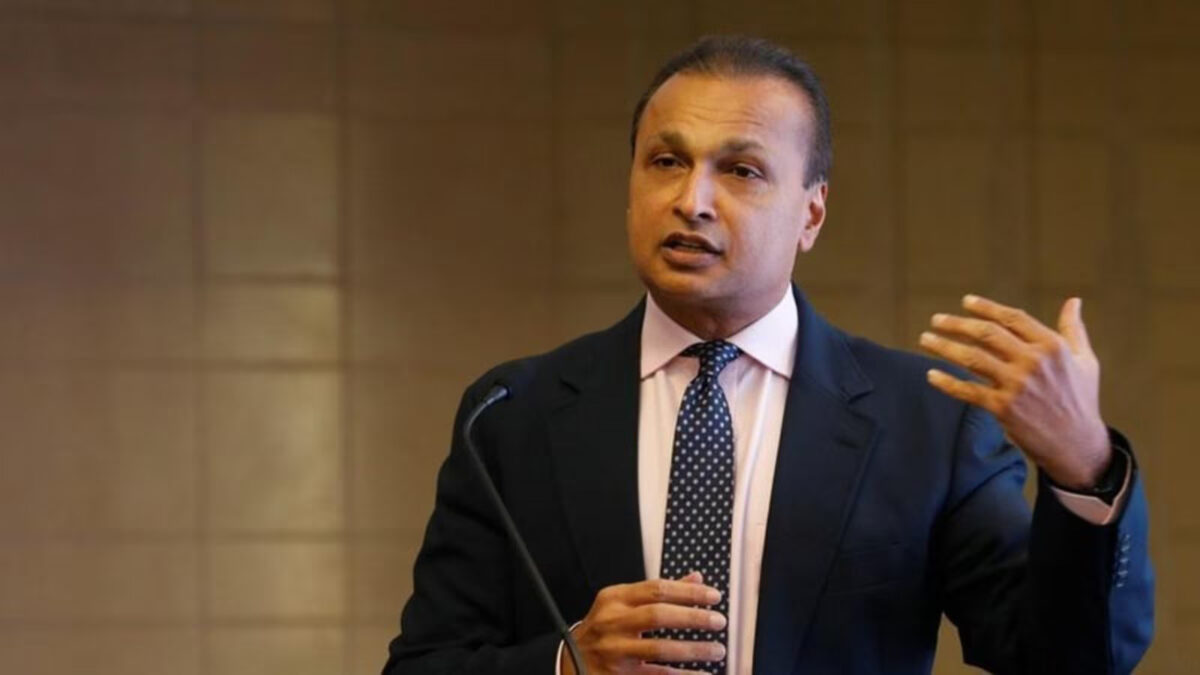
ED Conducts Searches at Anil Ambani-Linked Properties: Reliance Power & Reliance Infrastructure Clarify No Impact on Business

In a major development, the Enforcement Directorate (ED) conducted searches at premises linked to industrialist Anil Ambani and companies associated with him on Thursday, triggering fresh concerns in corporate and investor circles. The action is part of an ongoing investigation under the Foreign Exchange Management Act (FEMA), related to alleged financial irregularities.

Despite the intensity of the news, two of Ambani-led key listed companies — Reliance Power and Reliance Infrastructure — swiftly issued official statements to the stock exchanges, asserting that the ED actions would not impact their operations or ongoing business plans.


What Triggered the ED Action?

According to sources, the ED’s searches are linked to allegations of possible FEMA violations involving certain offshore transactions. These actions reportedly involved foreign investments and fund movements linked to Anil Ambani and associated entities.

Although details of the case are still emerging, the raids focused on properties and offices associated with Anil Ambani, including the corporate offices of Reliance Group in Mumbai.


Reliance Power’s Clarification

In its filing to the BSE and NSE, Reliance Power stated:

“We would like to clarify that the reported ED action pertains to Mr. Anil D. Ambani in his individual capacity and has no connection whatsoever with Reliance Power Limited or any of its subsidiaries.”

The company emphasized that:

  • It operates independently under a professional management team.
  • There has been no summons, notice, or investigation involving Reliance Power or its subsidiaries.

Reliance Infrastructure’s Response

Reliance Infrastructure also issued a similar clarification:

“We wish to clarify that the ED’s reported actions have no connection with Reliance Infrastructure Ltd or any of its subsidiaries. The company continues to focus on its projects and ongoing operations.”

The company added that it remains committed to its infrastructure and defense businesses and is confident of maintaining business continuity.


Market Reaction

Despite the clarifications, both Reliance Power and Reliance Infrastructure stocks saw initial volatility on Thursday, reflecting short-term investor sentiment. However, the situation stabilized by the end of trading hours as the companies reassured stakeholders.

  • Reliance Power: Witnessed a marginal dip in early trade but recovered later.
  • Reliance Infra: Also saw brief volatility before stabilizing.

Legal Perspective

While the ED’s actions indicate that investigations are still ongoing, legal experts suggest that unless there’s a direct link established between the companies and the alleged violations, the operational continuity of these listed firms is unlikely to be affected.

FEMA-related cases often take time to conclude and may involve multi-layered financial audits and documentation assessments.


Business Outlook Remains Intact

Despite facing challenges in the past decade, both Reliance Power and Reliance Infrastructure have been taking steps to:

  • Restructure debt
  • Revive stalled projects
  • Attract new investments
  • Strengthen corporate governance

The current development does not alter any of their disclosed strategies or guidance shared with shareholders.


What Should Investors Do?

While regulatory investigations involving key promoters can trigger temporary uncertainty, experts advise investors to:

  • Focus on company fundamentals
  • Track official statements and disclosures
  • Avoid panic-based selling
  • Consult a financial advisor before making decisions

Long-term investors may watch for further updates from regulatory authorities and the companies themselves.


Conclusion

The ED’s action on Anil Ambani-linked premises is certainly a headline-making event, but the direct impact on Reliance Power and Reliance Infrastructure appears limited at this stage. Both companies have distanced themselves from the investigation and assured shareholders of continued business stability.

The situation is developing, and further clarity is expected in the coming days. Meanwhile, the market will keep a close eye on any new disclosures or regulatory responses.

Eqwires Research Analyst

Top-notch SEBI registered research analyst

Best SEBI registered Intraday tips provider

info@eqwires.com

Telegram Facebook Instagram

Call: +91 9624421555 / +91 9624461555
www.eqwires.com

NSDL IPO Opens on July 30: Issue Size, Dates, and 10 Key Things You Should Know

India’s largest depository, National Securities Depository Limited (NSDL), is set to make its debut on the Indian stock exchanges with an initial public offering (IPO) scheduled to open for subscription on July 30, 2025. This highly anticipated public issue has been in focus, especially given NSDL’s pivotal role in India’s capital markets.

Here’s a detailed breakdown of everything you need to know from the Red Herring Prospectus (RHP), including issue size, important dates, and company fundamentals.


1. IPO Opening and Closing Dates

  • Opening Date: July 30, 2025
  • Closing Date: August 1, 2025
  • Anchor Investor Bidding: July 29, 2025

2. IPO Issue Size

The total issue size of the NSDL IPO is ₹1,743 crore, entirely through an Offer for Sale (OFS). This means existing shareholders will be offloading their stake, and no new shares will be issued.


3. Offer for Sale (OFS) Details

The OFS will include the sale of up to 5.72 crore equity shares by existing shareholders:

  • IDBI Bank
  • National Stock Exchange (NSE)
  • Union Bank of India
  • State Bank of India (SBI)
  • HDFC Bank, and others.

No fresh capital will be raised by the company through this IPO.


4. Company Background

Established in 1996, NSDL is one of the two central depositories in India and was the first to offer dematerialization services. It holds over 297 million demat accounts, with a total custody value of ₹450+ lakh crore as of March 2025.


5. Strong Market Position

  • NSDL holds a 57% market share in terms of demat custody value.
  • Trusted by leading financial institutions, mutual funds, and retail investors.
  • Major enabler of India’s capital market digitization.

6. Financial Performance (as per RHP)

  • FY24 Revenue: ₹1,098 crore
  • FY24 Net Profit: ₹232 crore
  • 3-Year CAGR Revenue Growth: 16%
  • Return on Net Worth (FY24): 21.4%

The consistent profitability and robust margins make NSDL an attractive long-term play for investors.


7. Objectives of the IPO

Since it is an OFS, the company will not receive any proceeds from the IPO. The listing will, however, enhance its visibility and provide a public market for its shares.


8. Lot Size and Price Band

The price band and lot size are expected to be announced by July 26, 2025, just ahead of the IPO opening. Retail and institutional investors are eagerly awaiting these details to make bidding decisions.


9. Book Running Lead Managers

The IPO is being managed by:

  • ICICI Securities
  • IIFL Securities
  • Kotak Mahindra Capital
  • IDBI Capital
  • Nomura Financial Advisory

10. Listing and Allotment

  • Basis of Allotment: Likely on August 5, 2025
  • Refunds Initiated: August 6, 2025
  • Shares Credited to Demat: August 7, 2025
  • Listing Date: Expected on August 8, 2025 on both NSE and BSE

Conclusion: Should You Subscribe?

NSDL is a fundamentally strong and strategically critical player in India’s financial infrastructure. With no fresh equity being issued, the IPO will primarily benefit the selling shareholders. However, retail investors seeking exposure to a strong, cash-generating business with a high entry barrier may find this IPO promising from a long-term investment perspective.

Investors should assess the price band and valuations before subscribing. Given NSDL’s dominant market share, high margins, and established reputation, the IPO is expected to attract significant interest from institutional and retail segments alike.

Eqwires Research Analyst

Top-notch SEBI registered research analyst

Best SEBI registered Intraday tips provider

info@eqwires.com

Telegram Facebook Instagram

Call: +91 9624421555 / +91 9624461555
www.eqwires.com

IEX Shares Crash 28%: 13.6 Lakh Retail Investors Suffer ₹1,450 Crore Loss – What Led to the Fall?

Indian Energy Exchange (IEX) shares witnessed a dramatic decline, falling by over 28% in just two trading sessions, eroding nearly ₹1,450 crore in retail investors’ wealth. This sharp correction has caught the attention of market participants and raised concerns among long-term investors in India’s premier energy trading platform. Here’s a detailed breakdown of what happened, what led to the stock crash, and what lies ahead.


What Happened?

IEX shares tumbled over 28% this week, taking the stock price to around ₹116 from recent highs of ₹160+. This significant fall wiped out close to ₹5,000 crore in market capitalisation. As per the latest shareholding data, retail investors (holding up to ₹2 lakh) own approximately 13.6 lakh shares of IEX. Given the steep price correction, retail investors alone have seen a notional loss of around ₹1,450 crore.


Key Triggers Behind the Sharp Fall

1. Government Push for Market Coupling

The primary reason for the steep fall is the government’s push towards market coupling in the power sector. The Power Ministry and Central Electricity Regulatory Commission (CERC) are planning to integrate power trading across multiple exchanges to ensure uniform clearing prices, rather than separate prices on different exchanges like IEX, PXIL, and HPX.

This move could severely impact IEX’s dominant position in the power exchange market, as price discovery — one of its biggest value offerings — will be centralized and not exclusive to IEX.

2. Dominance at Risk

IEX currently commands over 90% market share in short-term power trading. With market coupling, it could lose its pricing power, profitability edge, and volume leadership.

3. Regulatory Uncertainty

Investors are also jittery about how soon the CERC will implement this coupling mechanism and what the final structure would look like. Lack of clarity has triggered panic selling.

4. Brokerage Downgrades

Brokerages have started revising their targets and outlook on IEX. While the fundamentals remain strong, concerns over future growth, earnings impact, and regulatory interference have led analysts to suggest caution.


How Much Wealth Was Wiped Out?

Retail investors, who were bullish on IEX for its monopoly-like status, saw their holdings decline sharply:

  • Total loss (retail investors): Approx. ₹1,450 crore
  • Overall market cap loss (2 days): Over ₹5,000 crore
  • Stock price decline: ~28% in just two sessions

Is This a Buying Opportunity?

Opinions are divided. Some long-term investors believe this correction presents an opportunity to accumulate a quality stock at lower levels, especially if the company adapts well to the new framework.

However, others advise waiting for regulatory clarity, especially on market coupling timelines and its actual impact on IEX’s revenue model.


Key Financials & Strengths of IEX

  • Debt-Free Company
  • Strong Operating Margins
  • Cash-Rich Balance Sheet
  • Leadership Position in Power Trading

Despite the correction, IEX remains financially sound. Its fundamentals haven’t deteriorated overnight — it’s the potential change in the market structure that is causing the disruption.


Conclusion

The IEX share crash is a classic case of regulatory overhang affecting a monopoly business. While the fundamentals of the company are intact for now, regulatory reforms can reshape the industry landscape entirely. Retail investors should monitor developments closely, assess risk appetite, and avoid making panic decisions.

Until more clarity emerges, cautious optimism may be the best approach for those still holding or considering IEX stock.

Eqwires Research Analyst

Top-notch SEBI registered research analyst

Best SEBI registered Intraday tips provider

info@eqwires.com

Telegram Facebook Instagram

Call: +91 9624421555 / +91 9624461555
www.eqwires.com

Sensex Soars Nearly 540 Points as Asian Market Rally Sparks Optimism

Indian equity markets witnessed a strong rebound on Friday, July 19, as the Sensex surged nearly 540 points, mirroring a positive rally across Asian markets. Investor sentiment was lifted by signs of global economic resilience and optimism around earnings season.

Market Summary – July 19

  • Sensex: The benchmark BSE Sensex climbed 539.50 points to settle at 82,844.63, recovering from a two-day losing streak.
  • Nifty 50: The NSE Nifty also gained 183.45 points, closing at 25,308.25, comfortably above the key 25,000 mark.

The rally was largely driven by strong buying interest in banking, auto, and energy stocks, supported by favorable cues from global markets and easing concerns over U.S. interest rate hikes.

Key Factors Behind the Rally

1. Positive Global Cues:
Major Asian indices, including Nikkei and Hang Seng, posted significant gains amid renewed investor confidence in the global economic outlook. This rally filtered into Indian markets, fueling risk-on sentiment.

2. Banking and Financials Lead the Charge:
Heavyweights like HDFC Bank, ICICI Bank, and SBI saw notable buying. The Nifty Bank index surged nearly 2%, contributing significantly to the benchmark gains.

3. Quarterly Earnings Momentum:
Expectations of strong Q1 results from major companies provided a boost. Robust early results from IT and financial companies have kept investor sentiment buoyant.

4. FII Activity and Liquidity:
Foreign Institutional Investors (FIIs) turned net buyers in recent sessions, aiding the rally. Improved liquidity conditions added further strength to the indices.

5. Crude Oil and INR Stability:
Decline in global crude oil prices and relative stability in the rupee further supported investor confidence, especially in energy and import-heavy sectors.

Top Gainers & Sectors

  • Gainers: ICICI Bank, HDFC Bank, Reliance Industries, Bajaj Finance, and Larsen & Toubro.
  • Sectoral Winners: Nifty Bank, Auto, Financial Services, and FMCG all closed in the green.

Outlook Ahead

Market analysts believe that sustained global support, combined with domestic earnings momentum and policy clarity, may keep Indian equities on a firm footing. However, near-term volatility is not ruled out, given global macroeconomic data releases and central bank commentary.


Conclusion

The sharp rebound in the Sensex and Nifty highlights growing investor optimism, aided by global market cues and solid domestic fundamentals. With earnings season underway and macro indicators stable, the coming sessions could remain positive, although cautious trading is expected around key events.

Eqwires Research Analyst

Top-notch SEBI registered research analyst

Best SEBI registered Intraday tips provider

info@eqwires.com

Telegram Facebook Instagram

Call: +91 9624421555 / +91 9624461555

www.eqwires.com