

Oil Prices Slide as Trump-Putin Meeting Raises Hopes for Ukraine Ceasefire

Global crude oil prices extended their losing streak for a sixth consecutive session, reacting to news of an imminent meeting between U.S. President Donald Trump and Russian President Vladimir Putin. The diplomatic overture has sparked hopes of a ceasefire in Ukraine and a potential easing of sanctions, prompting traders to reassess geopolitical risk premiums in the energy market.

Price Movement Snapshot

Crude BenchmarkPrice (Aug 7)ChangeTrend
Brent Crude$66.43/barrel-$0.46 (-0.7%)6-day losing streak
WTI (West Texas Intermediate)$63.88/barrel-$0.47 (-0.7%)Lowest since early June

Oil prices have dropped over 9% in the past week, marking the steepest weekly decline since April.

Key Drivers Behind the Decline

1. Trump-Putin Summit Announcement

  • Kremlin aide Yuri Ushakov confirmed that the two leaders will meet in the coming days, marking the first U.S.-Russia summit since 2021.
  • Traders anticipate that the meeting could lead to a diplomatic breakthrough in Ukraine, reducing the need for aggressive sanctions on Russian energy exports.

2. Tariff Uncertainty and Oversupply Fears

  • Trump recently doubled tariffs on Indian goods due to continued oil imports from Russia, with new levies set to take effect on August 28.
  • OPEC+ agreed to increase oil production by 547,000 barrels per day for September, raising concerns about a supply glut.

3. Algorithmic Selling Pressure

  • Commodity trading advisors (CTAs) and algorithmic funds are reportedly accelerating sell-offs, with some expected to liquidate up to 30% of their positions this week.

Market Sentiment

  • Analysts suggest that the risk premium on Russian oil may be fading as diplomatic channels reopen.
  • UBS noted that selling pressure was partially offset by a drawdown in U.S. crude inventories and strong Chinese imports in July.
  • Saudi Arabia raised its September crude prices for Asia, signaling confidence in demand despite global volatility.

Strategic Implications

  • If the Trump-Putin meeting leads to a ceasefire or sanctions rollback, Russian oil could flow more freely, further pressuring prices.
  • India and China, the top buyers of Russian crude, may face increased scrutiny, potentially reshaping global trade flows.
  • For energy investors, the focus is shifting from geopolitical risk to fundamentals like supply-demand balance and economic growth.

Conclusion

The oil market is at a critical juncture, with diplomatic developments now driving sentiment more than supply metrics. While the Trump-Putin meeting offers a glimmer of hope for geopolitical stability, traders remain cautious amid tariff escalations and production hikes. The coming week could be pivotal in determining whether oil stabilizes or continues its downward trajectory.

Eqwires Research Analyst

Top-notch SEBI registered research analyst

Best SEBI registered Intraday tips provider

info@eqwires.com

Telegram Facebook Instagram

Call: +91 9624421555 / +91 9624461555
www.eqwires.com

SBI Q1 FY26 Results: Net Profit Surges 12% to ₹19,160 Crore, Beats Street Estimates

State Bank of India (SBI), India’s largest public sector lender, reported a robust 12% year-on-year increase in standalone net profit for the first quarter of FY26, reaching ₹19,160 crore. The figure surpassed market expectations of ₹17,095 crore, driven by operational efficiency, improved asset quality, and strong growth in retail and SME lending.

Key Financial Highlights

MetricQ1 FY26Q1 FY25YoY Change
Net Profit₹19,160 crore₹17,035 crore+12%
Total Income₹1.35 lakh crore₹1.22 lakh crore+10.31%
Net Interest Income (NII)₹41,072 crore₹41,125 crore-0.13%
Operating Profit₹30,544 crore₹26,449 crore+15.49%
Non-Interest Income₹17,346 crore+55.40%
Net Interest Margin (NIM)2.90%3.22%-32 bps

Asset Quality & Lending Performance

  • Gross NPA Ratio: Improved to 1.83% from 2.21% YoY
  • Net NPA Ratio: Fell to 0.47% from 0.57%
  • Provision Coverage Ratio (PCR): 74.49% (excluding additional provisions of ₹30,345 crore)
  • Slippage Ratio: Moderated to 0.75%
  • Credit Cost: Stable at 0.47%

Advances Growth

SegmentYoY Growth (%)Value (₹ lakh crore)
Retail Personal+13%₹15.39
Agriculture+13%₹3.50
SME+19%
Corporate+5.7%
Total Advances+12%₹42.54

Deposits

  • Total Deposits: ₹54.73 lakh crore (+12% YoY)
  • CASA Ratio: 39.36%
  • Digital Traction: 66% of new savings accounts opened via YONO; alternate channels accounted for 98.6% of total transactions

Profit Drivers & Challenges

Positive Drivers

  • Strong growth in non-interest income
  • Controlled operating expenses
  • Stable asset quality and provisioning discipline
  • Continued traction in retail and SME lending

Headwinds

  • Marginal decline in NII due to rising interest expenses
  • NIM compression amid rising deposit costs and rate cycle reversal
  • Flat performance in corporate lending

Market Reaction

SBI shares traded 0.75% lower at ₹799.25 as of 1:30 PM, reflecting cautious investor sentiment despite strong earnings. Analysts expect margin pressure to persist but remain optimistic about SBI’s retail and digital growth trajectory.

Conclusion

SBI’s Q1 FY26 performance underscores its resilience and operational strength in a challenging macro environment. While margin pressures remain a concern, the bank’s diversified lending portfolio, improving asset quality, and digital momentum position it well for sustained growth.

Eqwires Research Analyst

Top-notch SEBI registered research analyst

Best SEBI registered Intraday tips provider

info@eqwires.com

Telegram Facebook Instagram

Call: +91 9624421555 / +91 9624461555
www.eqwires.com

Sensex Crashes 800 Points, Nifty Slips Below 24,400 as Trump Tariffs Rattle Markets

Indian equity markets witnessed a sharp sell-off today, with the Sensex plunging over 800 points and the Nifty slipping below 24,400, as investor sentiment soured following aggressive tariff measures announced by U.S. President Donald Trump. The decline was broad-based, led by metal, auto, and IT stocks, which bore the brunt of the selling pressure.

What Triggered the Fall?

1. Trump’s 50% Tariff on Indian Exports

  • In a retaliatory move against India’s continued oil trade with Russia, Trump signed an executive order imposing an additional 25% tariff on Indian goods, raising the total levy to 50%.
  • Sectors like pharma, textiles, seafood, and gems & jewellery, which have significant exposure to the U.S. market, saw heavy selling.

2. FII Outflows Continue

  • Foreign Institutional Investors (FIIs) have been net sellers throughout August, offloading ₹15,950 crore in the cash market so far.
  • The tariff announcement has intensified risk aversion, prompting further FII exits.

3. Sectoral Impact

  • Metal Index: Down 1.71%
  • Auto & IT: Sharp declines due to global exposure and margin concerns
  • Realty, Consumer Durables, Midcaps: All in the red
  • Oil & Gas: The only gainer, up 0.06%
  • India VIX: Rose 2.05% to 11.93, indicating rising volatility

Market Snapshot (3:00 PM IST)

IndexMovementCurrent Level
Sensex-672.97 pts (-0.83%)79,950.29
Nifty-210.40 pts (-0.86%)24,385.75
Nifty Bank-0.78%
India VIX+2.05%11.93

Stock Highlights

  • Coforge: Down 6% to ₹1,605, hit by weak results from key client Sabre Corp, which fell 35% on Nasdaq.
  • BHEL: Dropped nearly 7% after reporting a widened net loss of ₹455.5 crore in Q1 FY26.

What Should Traders & Investors Do?

  • Short-Term Traders: Stay cautious; volatility is high. Avoid overexposure to export-driven sectors.
  • Long-Term Investors: Use dips to accumulate quality domestic-oriented stocks.
  • Watchlist Sectors: FMCG, PSU Banks, and Energy may offer relative stability.

Final Thoughts

The market’s reaction today underscores the sensitivity to geopolitical developments and trade policy shifts. While domestic inflows from DIIs are helping cushion the fall, sustained FII selling and global uncertainty could keep volatility elevated in the near term.

Eqwires Research Analyst

Top-notch SEBI registered research analyst

Best SEBI registered Intraday tips provider

info@eqwires.com

Telegram Facebook Instagram

Call: +91 9624421555 / +91 9624461555
www.eqwires.com

Indian Stock Market Opens in Red After Trump’s 50% Tariffs on India: What It Means for Investors

The Indian stock market opened sharply lower on Thursday, August 7, following a surprise announcement by U.S. President Donald Trump imposing a steep 50% tariff on Indian exports. The move, which doubles the previous 25% levy, has rattled investor sentiment and triggered a broad-based sell-off across export-oriented sectors.

Market Snapshot: Opening Bell Shock

  • Nifty 50 fell below the 24,500 mark, opening at 24,460.05, down over 114 points
  • BSE Sensex dropped 335 points to 80,208.28 in early trade
  • Sectoral indices like metals, textiles, chemicals, auto components, and seafood were deep in the red
  • India VIX, the volatility index, rose sharply, signaling heightened investor anxiety

What Triggered the Sell-Off?

Trump’s decision to double tariffs on Indian goods stems from India’s continued import of Russian crude oil, which the U.S. views as undermining its sanctions. The new tariffs, effective August 27, target nearly $87 billion worth of Indian exports, including:

  • Textiles and garments
  • Gems and jewellery
  • Leather and footwear
  • Chemicals and auto components
  • Shrimp and seafood

This escalation places India among the highest-taxed U.S. trading partners and has sparked fears of a prolonged trade standoff.

Sectoral Impact: Who’s Getting Hit?

Textiles:

  • Gokaldas Exports, Kitex Garments, and KPR Mill dropped between 3% to 6%
  • Exporters with over 70% U.S. exposure are facing immediate margin pressure

Gems & Jewellery:

  • Goldiam International and Pokarna fell over 4%
  • Thin margins and high U.S. dependency make this sector highly vulnerable

Auto Components:

  • Bharat Forge, Sona BLW, and Steel Strips Wheels declined 2–4%
  • These firms derive 30–60% of their revenue from the U.S.

Seafood:

  • Avanti Feeds and Apex Frozen Foods dropped over 4%
  • Shrimp exports to the U.S. face steep cost disadvantages

Expert Views: Navigating the Uncertainty

Dr. VK Vijayakumar of Geojit Investments noted that the 21-day window before implementation leaves room for negotiation, but uncertainty remains high. Seshadri Sen of Emkay Global warned that the tariff escalation could resemble a trade embargo for some sectors, especially those with low value addition.

Nilesh Shah of Kotak AMC added that if the tariffs persist for a year, India’s GDP growth could be dragged down by 30–40 basis points.

Domestic vs Global Trends

While Indian markets opened in red, global markets showed resilience:

  • U.S. indices closed higher on Wednesday, buoyed by strong earnings and Apple’s manufacturing announcements
  • Asian markets traded mixed, with chipmakers rallying due to exemptions from Trump’s semiconductor tariffs

What Should Investors Do?

  • Avoid export-heavy stocks in textiles, chemicals, and jewellery until clarity emerges
  • Focus on domestic consumption themes like banking, telecom, cement, and capital goods
  • Watch for RBI’s policy response and diplomatic developments between India and the U.S.
  • Stay cautious and avoid aggressive buying until volatility subsides

Final Thoughts

Trump’s 50% tariff on Indian exports has jolted the markets and exposed vulnerabilities in India’s export ecosystem. While the broader indices have not collapsed, sector-specific pain is evident. Investors should brace for continued volatility and monitor geopolitical developments closely. The next few weeks will be critical in determining whether this is a temporary shock or the beginning of a deeper trade conflict.

Eqwires Research Analyst

Top-notch SEBI registered research analyst

Best SEBI registered Intraday tips provider

info@eqwires.com

Telegram Facebook Instagram

Call: +91 9624421555 / +91 9624461555
www.eqwires.com

Trump’s 100% Tariff on Computer Chips: Will Electronics Get Costlier?

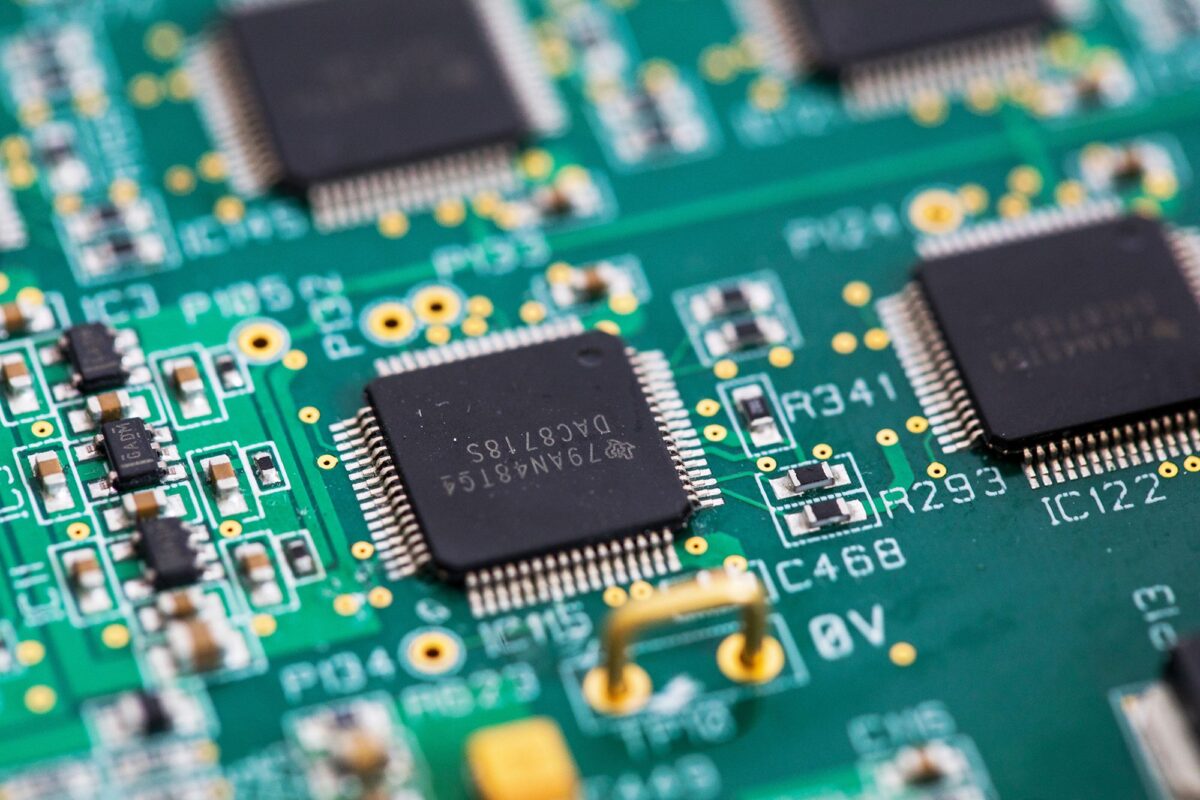
In a sweeping move that could reshape the global tech supply chain, President Donald Trump has announced a 100% tariff on imported computer chips and semiconductors, unless they’re manufactured within the United States. The policy, set to take effect in 21 days, is already sending shockwaves through the electronics industry and raising concerns about rising consumer prices.

What the Tariff Means

Trump’s announcement, made during a press briefing with Apple CEO Tim Cook, is part of a broader strategy to force tech companies to localize production. The tariff applies to:

  • Imported chips and semiconductors from countries like China, Taiwan, South Korea, and India
  • Electronics, appliances, and vehicles that rely on foreign-made chips

However, companies that manufacture chips in the U.S. will be exempt from the tariff. Trump emphasized, “If you’re building in the United States of America, there’s no charge.”

Impact on Electronics Prices

The ripple effects could be significant:

  • Smartphones and laptops may see price hikes of 10–25% depending on chip origin
  • Automobiles, already hit by chip shortages during the pandemic, could become costlier
  • Home appliances like refrigerators, washing machines, and smart TVs may also be affected

Industry analysts warn that corporate profit margins will be squeezed, and many companies may pass the cost on to consumers.

Winners and Losers

Likely Beneficiaries:

  • Apple, which recently pledged an additional $100 billion investment in U.S. manufacturing, bringing its total to $600 billion
  • Nvidia and Intel, both expanding domestic chip operations
  • U.S.-based suppliers like GlobalFoundries, Texas Instruments, and Corning

At Risk:

  • Companies heavily reliant on Asian supply chains, including budget electronics brands
  • Indian and Chinese manufacturers, facing compounded tariffs due to geopolitical tensions

Strategic Shift from Incentives to Pressure

Trump’s approach marks a departure from the CHIPS and Science Act signed in 2022 under President Biden, which offered $50 billion in subsidies and tax credits to encourage domestic chip production. Instead of incentives, Trump is using tariffs as leverage, betting that higher costs will compel companies to relocate manufacturing.

Global Context and Market Reaction

  • Chip demand is surging, with global sales up 19.6% year-over-year as of June
  • Wall Street responded positively to the exemption clause: Apple shares rose 5% in regular trading and another 3% after-hours
  • India and Russia are negotiating separately over a new 25% tariff on Indian goods linked to oil trade

What Comes Next?

With the tariff clock ticking, companies have three weeks to adjust supply chains or face steep import duties. Consumers should brace for potential price hikes, especially on tech products launching in the fall. Meanwhile, the administration is expected to release further guidance on exemptions and enforcement.

Final Thoughts

Trump’s 100% chip tariff is more than a trade policy—it’s a bold bet on reshoring America’s tech backbone. Whether it leads to a renaissance in U.S. manufacturing or a spike in consumer costs remains to be seen. But one thing is clear: the global electronics landscape is about to change.

Eqwires Research Analyst

Top-notch SEBI registered research analyst

Best SEBI registered Intraday tips provider

info@eqwires.com

Telegram Facebook Instagram

Call: +91 9624421555 / +91 9624461555

www.eqwires.com