

Apollo Hospitals’ Suneeta Reddy Sells 1.3% Stake to Reduce Promoter Debt

In a strategic move aimed at strengthening the financial position of the promoter group, Suneeta Reddy, Managing Director of Apollo Hospitals Enterprise Ltd, has sold a 1.3% stake in the company through a block deal. The transaction, valued at ₹1,489 crore, is part of a broader commitment to reduce pledged shares and pare down outstanding promoter debt.

Transaction Details: Block Deal Worth ₹1,489 Crore

The stake sale involved approximately 1.9 million equity shares, executed at a price of ₹7,850 per share, representing a 1% discount to the previous day’s closing price of ₹7,925. The deal was facilitated by Morgan Stanley India Company, acting as the selling broker.

Following the transaction:

  • Promoter group holding in Apollo Hospitals dropped from 29.3% to 28%
  • Pledged shares as a percentage of promoter holding reduced from 13.1% to 2%
  • Suneeta Reddy’s personal stake declined from 3.36% to 2.06%

The company emphasized that this move fulfills a prior commitment made to investors regarding pledge reduction and clarified that no further stake sale is planned in the foreseeable future.

Strategic Rationale: Debt Reduction and Governance

The primary objective of the stake sale is to reduce the financial leverage of the promoter group and improve corporate governance by lowering the proportion of pledged shares. This comes amid growing investor scrutiny of promoter-level debt and its impact on stock stability.

Apollo Hospitals stated that the promoter group remains fully committed to the long-term growth of:

  • Apollo Hospitals Enterprise Ltd
  • Apollo Health Co
  • Apollo Health and Lifestyle Ltd

The group reiterated its focus on delivering high-quality healthcare and creating sustainable value across its verticals.

Financial Performance: Strong Q1FY26 Results

The stake sale follows a robust financial performance in the first quarter of FY26:

  • Net Profit: ₹433 crore, up 42% year-on-year from ₹305 crore
  • Revenue: ₹5,842 crore, up 15% from ₹5,086 crore
  • EBITDA: ₹852 crore, up 26% from ₹675 crore
  • EBITDA Margin: Improved to 14.6% from 13.3%

Growth was driven by strong performance in:

  • Healthcare Services
  • Retail Healthcare and Diagnostics
  • Digital and Pharma Distribution

Apollo 24/7, the company’s digital health platform, reported a quarterly gross merchandise value (GMV) of over ₹682 crore, reflecting sustained demand for teleconsultations, diagnostics, and pharmacy deliveries.

Expansion Plans: ₹7,600 Crore Investment Over 5 Years

Apollo Hospitals has announced an ambitious expansion strategy to add 4,300 beds across its network over the next five years. The first phase, involving 2,000 beds, is already underway. The investment of ₹7,600 crore will be directed toward tertiary care infrastructure in cities like Bengaluru and Hyderabad.

Additionally, the company is preparing for the listing of Apollo Healthtech, a newly demerged entity focused on digital health and pharmacy services. The IPO is expected within 12–18 months, with projected FY28 revenues of ₹16,000–₹17,000 crore and EBITDA margins of 23–24%.

Market Reaction and Outlook

Despite the stake sale, Apollo Hospitals’ stock remained stable, trading slightly higher at ₹7,938.40 on the BSE. The move was largely seen as a positive step toward improving promoter transparency and reducing financial risk.

Analysts believe the transaction will:

  • Enhance investor confidence
  • Improve governance metrics
  • Support Apollo’s long-term growth strategy

With strong fundamentals, aggressive expansion, and a clear digital roadmap, Apollo Hospitals continues to position itself as a leader in India’s healthcare sector.

Eqwires Research Analyst

Top-notch SEBI registered research analyst

Best SEBI registered Intraday tips provider

info@eqwires.com

Telegram Facebook Instagram

Call: +91 9624421555 / +91 9624461555
www.eqwires.com

Jane Street Effect: SEBI Proposes ₹1,500 Crore Cap on Intraday Equity Index Derivatives

In a decisive move to curb excessive speculation and protect retail investors, the Securities and Exchange Board of India (SEBI) is considering a cap of ₹1,500 crore on net intraday positions in equity index derivatives. The proposal, discussed by SEBI’s Secondary Market Advisory Committee (SMAC), follows enforcement action against U.S.-based high-frequency trading firm Jane Street, whose aggressive strategies allegedly distorted market dynamics and led to significant retail losses.

Background: Jane Street’s Controversial Trades

Jane Street, a global market-making firm known for its algorithmic trading, was temporarily banned from Indian markets earlier this year. SEBI accused the firm of manipulating benchmark indices such as Nifty and Bank Nifty to secure outsized gains in options trading. The regulator ordered the disgorgement of nearly ₹4,850 crore in alleged illicit profits and launched a broader review of intraday trading norms.

SEBI’s internal study revealed that on expiry days—when derivative contracts mature—trading firms often exceed end-of-day position limits by taking large intraday bets that are squared off before market close. This loophole allowed firms to bypass regulatory thresholds and amplify volatility, especially in index options.

The Proposed Cap: ₹1,500 Crore Net Intraday Limit

The new proposal recommends capping an entity’s net intraday position in equity index derivatives at ₹1,500 crore. This limit is intended to:

  • Prevent outsized intraday exposures
  • Reduce systemic risk on expiry days
  • Ensure fair play and protect retail participants

Currently, entities are subject to an end-of-day net position cap of ₹15,000 crore and a gross position limit of ₹1,00,000 crore. However, these limits do not apply to intraday trades that are closed before market close, creating a regulatory blind spot.

Why SEBI Is Acting Now

SEBI’s urgency stems from alarming data on retail losses in derivatives:

  • 91% of retail traders incurred net losses in FY25
  • Total retail losses exceeded ₹1.06 trillion, up 41% from the previous year
  • Average loss per trader rose to ₹1.1 lakh
  • Cumulative losses since FY22: ₹2.87 trillion

The regulator believes that unchecked intraday speculation—often driven by finfluencers and algorithmic strategies—has created a high-risk environment for retail investors. The proposed cap is part of a broader effort to restore balance and transparency in the derivatives segment.

Implications for Market Participants

If implemented, the ₹1,500 crore cap will significantly impact:

High-Frequency Traders and Prop Desks

  • Reduced flexibility in intraday strategies
  • Need to recalibrate algorithms and risk models
  • Potential decline in expiry-day volumes

Brokerages and Trading Platforms

  • Increased compliance burden
  • Real-time monitoring of client exposures
  • Possible drop in intraday turnover

Retail Traders

  • Lower volatility on expiry days
  • Reduced risk of manipulation
  • More predictable price behavior in index options

Stock exchanges have reportedly sought clarity on enforcement thresholds and penalty mechanisms. SEBI may mandate exchanges to monitor breaches and report violations, especially on expiry days when speculative activity peaks.

Next Steps: Regulatory Review and Implementation

The proposal has been forwarded to SEBI’s board for final approval. If cleared, it could be rolled out in phases, starting with weekly index options like Nifty and Sensex. The regulator may also introduce:

  • Penalties for breaching intraday limits
  • Enhanced surveillance on connected foreign entities
  • Mandatory disclosures for large intraday trades

SEBI is expected to consult with stakeholders, including exchanges, brokers, and institutional traders, before finalizing the framework.

Conclusion: A Turning Point for Derivatives Regulation

The “Jane Street effect” has prompted SEBI to rethink its approach to intraday trading in equity index derivatives. By proposing a ₹1,500 crore cap, the regulator aims to strike a balance between market efficiency and investor protection.

While the move may dampen short-term volumes, it signals a shift toward more disciplined and transparent trading practices. For retail investors, it’s a step toward a safer, more equitable market—where strategy matters more than speed.

Eqwires Research Analyst

Top-notch SEBI registered research analyst

Best SEBI registered Intraday tips provider

info@eqwires.com

Telegram Facebook Instagram

Call: +91 9624421555 / +91 9624461555
www.eqwires.com

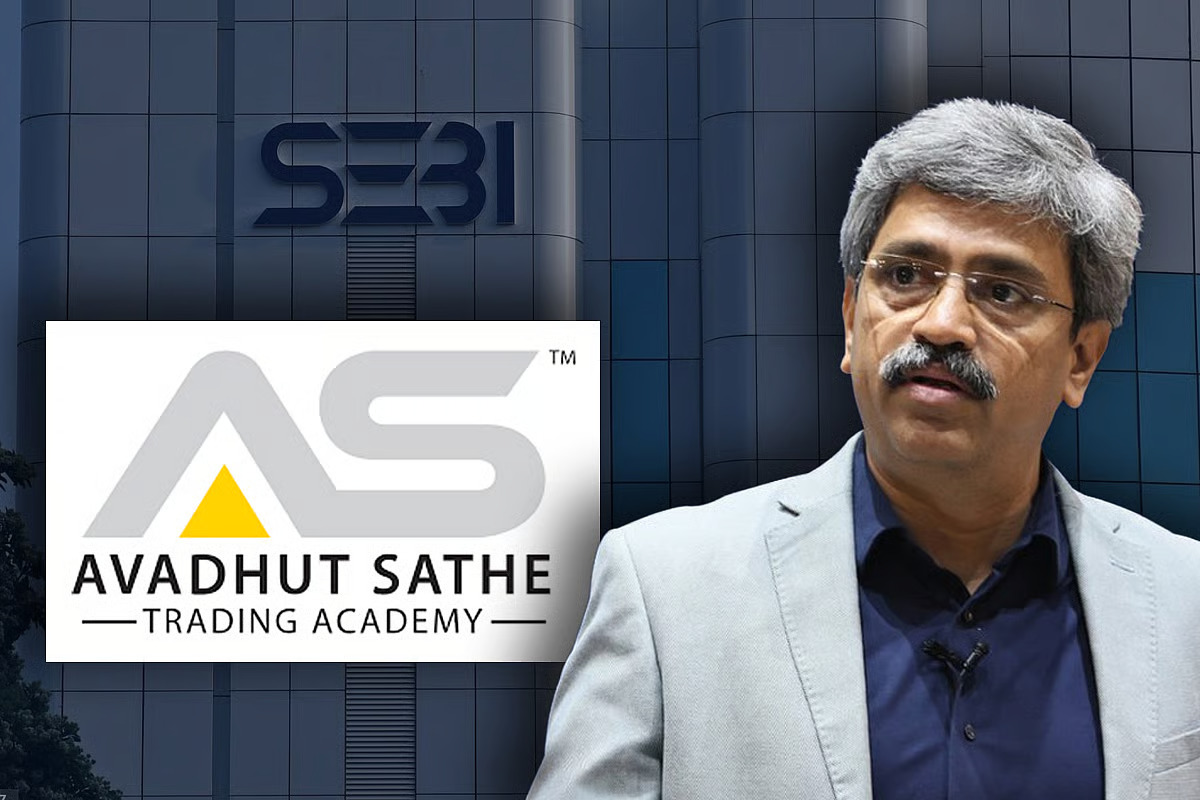
Who Is Avadhut Sathe, the Finfluencer SEBI Cracked Down On?

Avadhut Sathe, once hailed as a charismatic trading mentor and financial influencer, is now under the regulatory scanner of the Securities and Exchange Board of India (SEBI). Known for blending market education with spiritual flair and theatrical presentation, Sathe’s rise in the world of retail trading has been as dramatic as his recent fall.

SEBI’s enforcement action against Sathe marks a turning point in India’s crackdown on unregulated financial influencers—popularly known as “finfluencers”—who offer market advice without proper registration or oversight.

Early Life and Career

Avadhut Sathe grew up in a modest chawl in Dadar, Mumbai, later moving to Mulund. An engineer by qualification, he began his career in the software industry, working with firms like Hexaware Technologies. His professional journey took him across Singapore, Australia, and the United States, including a stint in Silicon Valley.

After returning to India, Sathe transitioned into full-time trading and investing. In 2008, he launched his training initiative, which eventually evolved into the Avadhut Sathe Trading Academy (ASTA). His mission: to democratize financial independence through market education.

The Rise of ASTA: Trading Meets Theatre

Sathe’s academy quickly gained traction among retail investors, especially middle-class aspirants seeking financial freedom. His programs—delivered in Hindi, Marathi, and English—were known for their emotional appeal, spiritual undertones, and unconventional teaching methods.

  • Gurukul Mentorship Program: A three-month intensive course with convocation ceremonies resembling graduation events
  • Live Market Sessions: Often conducted with dramatic flair, including dancing in front of live tickers
  • YouTube Influence: Over 9 lakh subscribers, with testimonials from homemakers and retirees claiming massive returns

Sathe’s philosophy centered around the “god market,” portraying trading as a sacred discipline. His followers often described him as a visionary, mentor, and motivator.

SEBI’s Crackdown: Allegations and Enforcement

On August 20, 2025, SEBI officials conducted a search-and-seizure operation at Sathe’s Karjat academy. The action was part of a broader crackdown on unregistered advisory services and misleading financial education.

Key Allegations:

  • Unregistered Advisory Services: SEBI alleges Sathe offered investment calls and guaranteed returns without being a registered advisor
  • Illegal Earnings: Sources estimate his earnings from these services may exceed ₹400–₹500 crore
  • Use of Live Market Data: Conducting classes with real-time trading data without SEBI approval
  • Misleading Promotions: Testimonials and success stories used to attract retail investors without proper risk disclosures

SEBI clarified that while genuine investor education is welcome, any form of advisory or product promotion must be backed by registration and compliance.

“Enforcement action is not for revenue collection. The purpose is to create deterrence and show that the regulator is watching,” said SEBI member Kamlesh Varshney during a FICCI event.

Public Reaction: Mixed Sentiment

While many of Sathe’s students continue to defend his teaching style and intent, others in the financial community have long questioned his methods. Critics accuse him of exploiting retail traders’ aspirations for personal gain, while supporters argue he brought market literacy to the masses.

The crackdown has reignited debates around:

  • The role of finfluencers in shaping retail behavior
  • The need for stricter regulation of financial education platforms
  • The blurred line between mentorship and advisory services

What Happens Next?

SEBI is currently reviewing Sathe’s digital content, financial records, and business practices. If found guilty of regulatory violations, he could face penalties, bans, or even legal action.

The case is expected to set a precedent for future enforcement against unregistered market influencers and may lead to tighter norms around financial content creation.

Conclusion: A Cautionary Tale for Retail Investors

Avadhut Sathe’s journey—from a chawl in Mumbai to a nationwide trading empire—is undeniably remarkable. But his story also serves as a cautionary tale about the risks of following unregulated financial advice.

As SEBI sharpens its focus on finfluencers, retail investors are urged to verify credentials, seek SEBI-registered advisors, and approach market education with skepticism and diligence.

The market may be a battlefield, as Sathe often said—but in this war, regulation is the shield retail investors can’t afford to ignore.

Eqwires Research Analyst

Top-notch SEBI registered research analyst

Best SEBI registered Intraday tips provider

info@eqwires.com

Telegram Facebook Instagram

Call: +91 9624421555 / +91 9624461555
www.eqwires.com

BSE, Angel One Shares Slide Over 7% as SEBI Proposes Longer Tenure for Equity Derivatives

Shares of capital-market-linked firms including Bombay Stock Exchange (BSE) and Angel One Ltd witnessed sharp declines on Thursday, falling over 7% intraday, after the Securities and Exchange Board of India (SEBI) announced plans to recalibrate the tenure and maturity profile of equity derivative products. The move, aimed at improving market depth and promoting long-term investing, triggered immediate reactions from traders and investors concerned about its impact on short-term trading volumes.

Market Reaction: Sharp Selloff in Capital Market Stocks

BSE shares dropped as much as 7.44% to an intraday low of ₹2,335.20, down from the previous close of ₹2,523. The stock had opened higher but reversed course following SEBI Chairman Tuhin Kanta Pandey’s remarks at the FICCI Capital Market Conference 2025. Angel One also saw a steep decline, falling 7.01% to ₹2,530.15 before settling at ₹2,547.90.

  • BSE Market Cap: ₹94,768 crore
  • Angel One Market Cap: ₹72,430 crore
  • Trading Volume: Over 71 lakh shares exchanged on NSE for BSE alone

The selloff extended to other capital-market infrastructure firms such as CDSL, which also saw declines, reflecting broader concerns about regulatory changes affecting trading behavior.

SEBI’s Reform Agenda: Longer Tenure, Better Maturity

SEBI Chairman Tuhin Kanta Pandey stated that the regulator is exploring ways to extend the tenure and maturity of equity derivative contracts in a calibrated manner. The goal is to enhance the utility of derivatives for hedging and long-term investing, rather than speculative short-term trading.

“We will consult with stakeholders on ways to improve, in a calibrated manner, the maturity profile of derivative products so that they better serve hedging and long-term investing,” Pandey said during the conference.

The proposed reforms are part of SEBI’s broader strategy to strengthen the cash equities market and improve the quality and depth of derivatives trading. The regulator emphasized that while derivatives are vital for capital formation, their current structure may be skewed toward ultra-short-term speculation.

Why the Market Reacted Sharply

The equity derivatives segment has seen explosive growth in recent years, particularly among retail traders. According to SEBI’s own research:

  • 91% of individual traders in F&O incurred net losses in FY25
  • Over ₹1 lakh crore in retail capital was lost, which could have otherwise supported long-term investment and capital formation

SEBI’s move to extend derivative tenures is seen as a corrective measure to reduce speculative churn and promote more responsible trading. However, firms like BSE and Angel One, which benefit from high-frequency trading volumes, are expected to see short-term pressure on revenues and client activity.

Industry Perspective: Balancing Growth with Stability

Market experts believe SEBI’s proposal is a step toward aligning India’s capital markets with global standards, where longer-tenure derivatives are common and used for genuine hedging. However, the transition may require adjustments in trading platforms, investor education, and product design.

Angel One and BSE, both heavily reliant on retail participation and active trading volumes, may need to recalibrate their business models to accommodate a shift toward longer-term instruments.

Looking Ahead: What Investors Should Watch

While the immediate reaction has been negative, the long-term implications of SEBI’s reforms could be constructive for market stability and investor protection. Key developments to monitor include:

  • Stakeholder consultations and draft guidelines from SEBI
  • Changes in derivative contract structures and expiry cycles
  • Impact on brokerage revenues and trading platforms
  • Investor education initiatives to support the transition

Conclusion: Regulatory Reset Sparks Volatility, But Signals Maturity

The sharp dip in BSE and Angel One shares underscores the market’s sensitivity to regulatory shifts—especially those affecting trading volumes and product structures. SEBI’s push for longer-tenure equity derivatives is a bold step toward deepening India’s capital markets and curbing speculative excess.

While firms may face short-term headwinds, the move could pave the way for a more balanced, investor-friendly ecosystem that prioritizes sustainability over speed. For now, volatility may persist, but the direction signals a maturing market with stronger foundations.

Eqwires Research Analyst

Top-notch SEBI registered research analyst

Best SEBI registered Intraday tips provider

info@eqwires.com

Telegram Facebook Instagram

Call: +91 9624421555 / +91 9624461555

www.eqwires.com

India Cements Shares Surge 5% as UltraTech’s 6.5% Stake Sale via OFS Opens

Shares of India Cements Ltd rallied nearly 5% in early trade on Thursday after UltraTech Cement, its promoter and majority stakeholder, officially launched an Offer for Sale (OFS) to divest up to 6.49% of its holding in the company. The move is part of UltraTech’s strategy to comply with minimum public shareholding norms and streamline its ownership structure following last year’s acquisition.

India Cements stock opened higher at ₹374.05 and surged to ₹387.60 on the BSE, marking a 4.75% intraday gain. The rally lifted the company’s market capitalization to ₹11,850 crore, reflecting strong investor interest in the OFS and broader confidence in the cement sector’s recovery trajectory.

OFS Details: Strategic Stake Reduction by UltraTech

UltraTech Cement, which held an 81.49% stake in India Cements as of the June 2025 quarter, is offering to sell up to 2.01 crore equity shares, representing 6.49% of India Cements’ paid-up capital. The OFS will be conducted through the stock exchange mechanism, in accordance with SEBI regulations.

  • Floor Price: ₹368 per share
  • Offer Window: August 21 (non-retail investors), August 22 (retail investors and carry-forward bids)
  • Estimated Value of Sale: Over ₹740 crore

Post-sale, UltraTech’s stake will reduce to exactly 75%, aligning with SEBI’s mandate for minimum public shareholding in listed companies.

Background: UltraTech’s Acquisition and Strategic Moves

UltraTech Cement became the majority shareholder in India Cements following a series of strategic transactions in 2024:

  • July 2024: Acquired 32.72% stake from promoters and associates for ₹3,954 crore
  • Subsequent Open Offer: Announced ₹3,142 crore open offer to acquire an additional 26% from public shareholders
  • December 2024: Received approval from the Competition Commission of India (CCI) for the acquisition

These moves positioned UltraTech as the dominant player in India Cements, strengthening its footprint in the southern cement market and expanding its operational scale.

Market Reaction: India Cements Up, UltraTech Marginally Lower

While India Cements shares surged on the back of the OFS announcement, UltraTech Cement traded marginally in the red. The stock dipped 0.3% to ₹12,835 on the BSE, reflecting mild profit booking and investor focus on the divestment process.

Analysts noted that the OFS is unlikely to impact UltraTech’s long-term fundamentals, as the stake reduction is regulatory-driven and not indicative of strategic exit.

Operational Outlook: India Cements on Recovery Path

In its recent earnings call, UltraTech Cement’s CFO Atul Daga emphasized that India Cements is undergoing a transformation phase, with targeted capital expenditure aimed at improving efficiency and sustainability.

Key initiatives include:

  • Waste Heat Recovery Systems (WHRS)
  • Cooler upgrades and speed modifications
  • Alternate fuel technologies
  • Renewable energy expansion: From 3% to 86% of total power requirement by FY28

These projects are expected to reduce operating costs and enhance profitability, with most investments offering attractive payback periods.

Investor Perspective: Compliance, Clarity, and Confidence

The OFS not only helps UltraTech meet regulatory norms but also improves liquidity and public float in India Cements. For investors, this translates into:

  • Greater transparency in ownership
  • Improved governance standards
  • Enhanced trading volumes and price discovery

The timing of the OFS, amid a broader market rally and sectoral optimism, adds to its appeal for institutional and retail participants.

Conclusion: Strategic Realignment with Positive Market Sentiment

India Cements’ 5% surge reflects investor confidence in the company’s future under UltraTech’s stewardship. The OFS is a regulatory milestone, but also a signal of strategic maturity—balancing compliance with long-term growth.

As retail investors gear up for their participation window on August 22, market watchers will be keen to see how demand shapes up and whether the stock sustains its upward momentum.

For now, the cement sector continues to build strength—one strategic move at a time.

Eqwires Research Analyst

Top-notch SEBI registered research analyst

Best SEBI registered Intraday tips provider

info@eqwires.com

Telegram Facebook Instagram

Call: +91 9624421555 / +91 9624461555

www.eqwires.com