
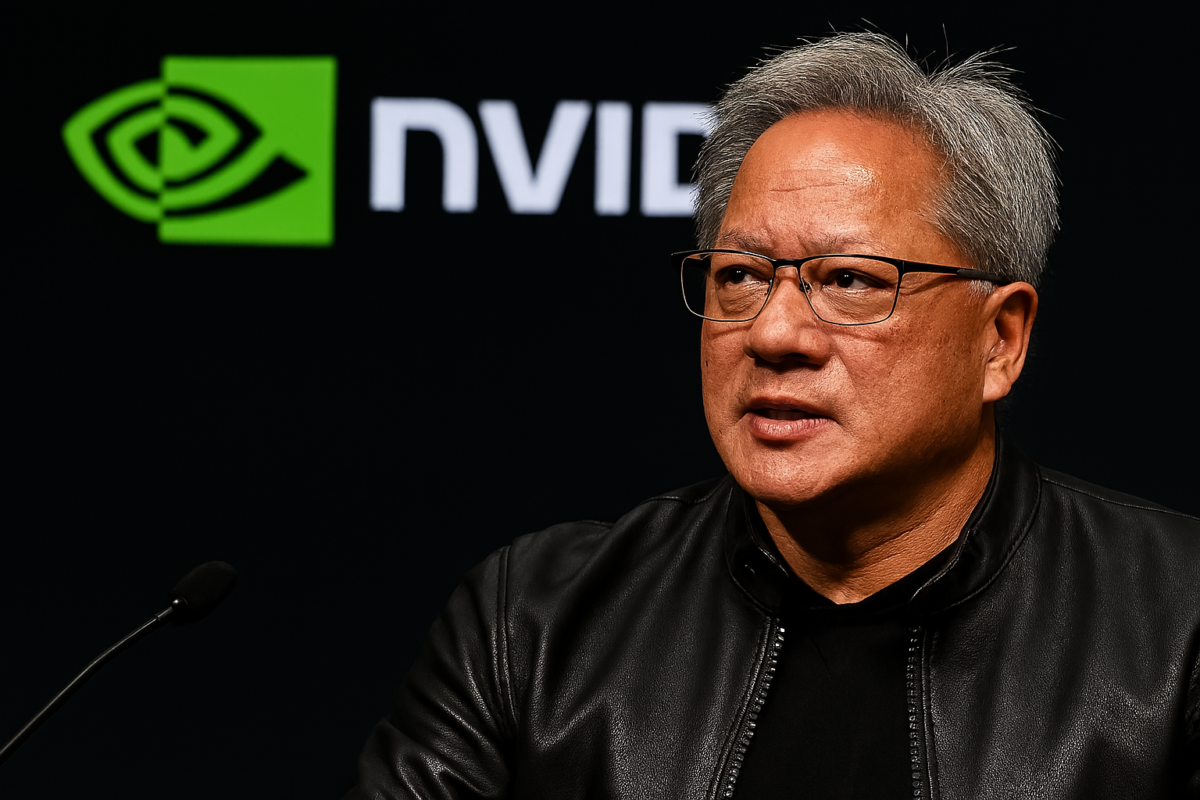
AI Boom Fuels Nvidia’s Surge Despite Global Tensions

Nvidia continues to dominate the AI landscape, reporting a 56% year-over-year revenue surge to $46.7 billion in its latest quarter. The company’s leadership in AI chipmaking has made it a cornerstone of the global tech ecosystem, even as it faces mounting geopolitical challenges.

Record-Breaking Performance

  • Data center revenue reached $41.1 billion, up 56% from last year.
  • Nvidia recently became the world’s first $4 trillion company, reflecting its central role in powering AI infrastructure.
  • CEO Jensen Huang highlighted a projected $600 billion annual spend on AI by major tech firms, including Meta and OpenAI.

Geopolitical Headwinds

Despite its strong financials, Nvidia is navigating complex trade dynamics:

  • The U.S. government imposed export restrictions on high-end AI chips to China, temporarily halting shipments of Nvidia’s H20 chips.
  • After lobbying efforts, the ban was lifted, but shipments have not yet resumed.
  • The U.S. now expects 15% of Nvidia’s revenue from licensed H20 sales.

China’s Strategic Shift

  • China is encouraging domestic chipmakers to reduce reliance on Nvidia, potentially creating long-term competition.
  • Nvidia’s current-quarter outlook excludes H20 sales, reflecting continued uncertainty.

Investor Sentiment

  • Nvidia’s stock dipped 3% in after-hours trading, as investors weighed geopolitical risks against high growth expectations.
  • Analysts caution that sustaining this pace may be difficult amid regulatory scrutiny and global competition.

Conclusion

Nvidia’s performance underscores the explosive growth of the AI sector. Its chips remain essential to generative AI, robotics, and data centers worldwide. But as geopolitical tensions rise, the company must balance innovation with diplomacy.

The AI race is accelerating—and Nvidia is still leading. But the path forward may be more complex than ever.

Eqwires Research Analyst

Top-notch SEBI registered research analyst

Best SEBI registered Intraday tips provider

info@eqwires.com

Telegram Facebook Instagram

Call: +91 9624421555 / +91 9624461555
www.eqwires.com

US Tariffs: India Must Stand United and Resist Economic Bullying, Says Maruti Chairman RC Bhargava

In a strong and timely statement, Maruti Suzuki India Chairman R.C. Bhargava has called on the nation to stand firm and united in the face of the United States’ newly imposed 50% tariffs on Indian exports. Speaking at the company’s 44th Annual General Meeting, Bhargava described the move as a form of “economic bullying” and urged Indian industry and policymakers to respond with dignity and resolve.

A Call for National Unity

Bhargava emphasized that India must not give in to pressure tactics and should instead protect its economic sovereignty.

“It is our duty as Indians to do our very best to promote and maintain our dignity and respect and not give in to any kind of bullying in this matter… the nation has to stand united,” he said.

The tariffs, which came into effect on August 27, are expected to hit several labor-intensive sectors hard, including shrimp, apparel, diamonds, leather, footwear, and gems and jewellery. These industries not only contribute significantly to India’s export earnings but also support millions of jobs.

Global Uncertainty and Trade Disruption

Bhargava noted that the tariffs have triggered upheaval across global markets and forced countries to rethink traditional trade relationships.

“President Trump has in many ways forced nations to rethink conventional policies and relationships. Personal use of tariffs in diplomacy is being seen for the first time,” he told shareholders.

The remarks come amid growing concern that unilateral trade actions by the U.S. could destabilize emerging economies and disrupt supply chains.

GST Reform: A Ray of Hope

In addition to addressing the tariff issue, Bhargava welcomed the government’s proposal to restructure the Goods and Services Tax (GST). He expressed optimism that the GST on small cars could be reduced from 28% to 18%, making them more affordable for middle-class consumers and first-time buyers.

“We are all hopeful that the proposal which the Prime Minister made will result in the GST of small cars reducing to 18 per cent, but we have to wait till the official announcement is made,” he said.

The proposed two-tier GST structure—5% and 18%, with a special 40% rate for select items—is seen as a major reform that could stimulate demand and boost industrial activity.

Implications for the Auto Sector

Maruti Suzuki, India’s largest carmaker, has long been a champion of affordable mobility. Bhargava argued that lowering taxes on small cars would not only revive demand but also support job creation and economic growth.

He also highlighted the need for taxation parity between electric and hybrid vehicles, suggesting that all clean technologies should be incentivized equally to promote sustainability and reduce dependence on fossil fuels.

Conclusion

R.C. Bhargava’s remarks reflect a broader sentiment within Indian industry—that the country must respond strategically to external pressures while continuing to push for domestic reforms. As India navigates a complex global trade environment, unity and resilience will be key.

The message is clear: India must protect its economic dignity, support its industries, and stand up to unfair trade practices. And leaders like Bhargava are helping shape that narrative.

Eqwires Research Analyst

Top-notch SEBI registered research analyst

Best SEBI registered Intraday tips provider

info@eqwires.com

Telegram Facebook Instagram

Call: +91 9624421555 / +91 9624461555
www.eqwires.com

Nifty Ends Second Straight Series in Red Amid Tariff Woes and Muted Q1 Earnings

The Indian stock market closed sharply lower on Thursday, wrapping up the August derivatives series with its second consecutive monthly decline. The benchmark indices—Nifty 50 and Sensex—were weighed down by global trade tensions, disappointing Q1 earnings, and expiry-day volatility.

Market Overview

  • Nifty 50 ended at 24,500.90, down 211.15 points or 0.85%
  • Sensex closed at 80,080.57, losing 705.97 points or 0.87%
  • Investors saw a wipeout of nearly ₹3.9 lakh crore in market capitalization

This marks a steep fall from Nifty’s recent high of 25,153, with over 650 points lost in just five sessions.

Major Factors Behind the Decline

1. Tariff Shock from the US

The biggest trigger was the implementation of a 50% tariff on Indian exports by the United States, effective August 27. This sudden move hit investor sentiment hard, especially in export-driven sectors like IT, pharma, and manufacturing.

  • All 15 NSE sectors ended in the red
  • Nifty IT, Realty, and Defence were the worst performers
  • Stocks like Infosys, HCL Tech, and Shriram Finance saw sharp declines

2. Weak Q1 Earnings

Quarterly results from major companies failed to meet expectations, adding to the bearish tone. Banking and financial services were particularly weak.

  • HDFC Bank, ICICI Bank, and TCS were among the top drags
  • Broader markets underperformed, with BSE Midcap down 1.09% and SmallCap down 0.96%

3. Expiry-Day Volatility

Thursday marked the monthly and weekly derivatives expiry, which typically brings heightened volatility. Traders squared off positions, adding to the downward pressure.

Sector Performance

SectorPerformance
Nifty IT-2.1%
Nifty Realty-1.8%
Nifty Financial Services-1.5%
Nifty Auto+0.6%
Nifty Pharma-1.3%

Nifty Auto was the only sector to close in the green, supported by strong sales data and optimism around festive demand.

Top Movers

Decliners:

  • Shriram Finance
  • HCL Technologies
  • Infosys

Gainers:

  • Titan Company
  • Adani Enterprises
  • Hero MotoCorp

Technical View

Nifty is now trading below its 20-day, 50-day, and 100-day exponential moving averages, indicating short-term bearish momentum. Analysts suggest caution as the index struggles to hold key support levels.

Global Trade Tensions

The tariff decision by the Trump administration has created uncertainty across global markets. While some officials hint at future negotiations, others continue to escalate trade rhetoric. This lack of clarity is making investors nervous.

Ajay Bagga, a market expert, noted: “Tariffs happened, truce did not. Conflicting signals from the US administration are adding to policy chaos.”

What’s Next

All eyes are now on India’s Q2 GDP data, expected Friday. A positive surprise could help stabilize sentiment, but until there’s clarity on trade and policy direction, volatility is likely to persist.

Conclusion

The August series ended on a sour note for Indian equities. Tariff shocks, weak earnings, and expiry-day volatility combined to drag the markets lower. While some pockets like auto showed resilience, the broader trend remains cautious.

For traders and investors navigating this uncertain environment, expert guidance is more important than ever. Firms like Eqwires continue to offer valuable insights and strategies to help manage risk and seize opportunities.

Eqwires Research Analyst

Top-notch SEBI registered research analyst

Best SEBI registered Intraday tips provider

info@eqwires.com

Telegram Facebook Instagram

Call: +91 9624421555 / +91 9624461555
www.eqwires.com

How Will New US Tariffs Affect Indian Markets and Investor Confidence?

The newly announced 50% tariffs by the United States on select Indian exports, effective August 27, 2025, are expected to have a layered impact on Indian equity markets and investor sentiment. While the long-term implications will depend on diplomatic negotiations and trade adjustments, the short-term effects are already visible across sectors.

Market Reaction: Volatility and Sectoral Pressure

Indian markets have responded with caution. Benchmark indices slipped, and India VIX rose by 4%, indicating elevated nervousness among traders. The tariffs target an estimated $48–60 billion worth of exports, with the most vulnerable sectors being:

  • Textiles and Apparel: A ₹90,000 crore industry, heavily reliant on US demand, now faces margin compression and potential order cancellations.
  • Gems and Jewellery: With nearly one-third of diamond exports headed to the US, hubs like Surat and Mumbai are bracing for a slowdown.
  • Seafood: Shrimp exporters, especially in Visakhapatnam, face pricing disadvantages compared to Ecuador, which enjoys lower tariffs.
  • Auto Components and Chemicals: MSMEs in these sectors may struggle to absorb the cost shock due to thin margins and limited pricing power.

Investor Confidence: Cautious Optimism or Flight to Safety?

While long-term investors may view this as a temporary geopolitical disruption, short-term sentiment has turned fragile:

  • Foreign Institutional Investors (FIIs) have begun trimming exposure to export-heavy midcaps.
  • Domestic Institutional Investors (DIIs) are rotating into defensives like FMCG and Pharma.
  • Retail traders are increasingly using options and volatility strategies to hedge positions.

The broader concern is whether this escalates into a prolonged trade standoff, especially with India’s BRICS alignment and its continued oil imports from Russia cited as contributing factors.

Sectoral Winners and Losers

SectorImpact LevelNotes
Textiles & ApparelHighTariffs up to 50%; export competitiveness hit
Gems & JewelleryHighDiamond exports vulnerable
SeafoodHighShrimp exports face tariff disadvantage
ChemicalsModerateMSMEs exposed to margin pressure
Pharma & ElectronicsLowLargely exempt from new tariffs
FMCG & InfraNeutralDomestic demand-driven; safe haven rotation

Eqwires Research Analyst View

At Eqwires, we’re closely tracking tariff-sensitive sectors and global cues to help traders stay ahead of the curve. Our daily insights include:

  • Intraday and option strategies in export-linked stocks
  • Volatility setups for hedging and expiry plays
  • Sectoral rotation alerts to identify safe zones and breakout opportunities

In times of uncertainty, precision and discipline matter more than ever. Eqwires helps you trade with clarity, not emotion.

Eqwires Research Analyst

Top-notch SEBI registered research analyst

Best SEBI registered Intraday tips provider

info@eqwires.com

Telegram Facebook Instagram

Call: +91 9624421555 / +91 9624461555
www.eqwires.com

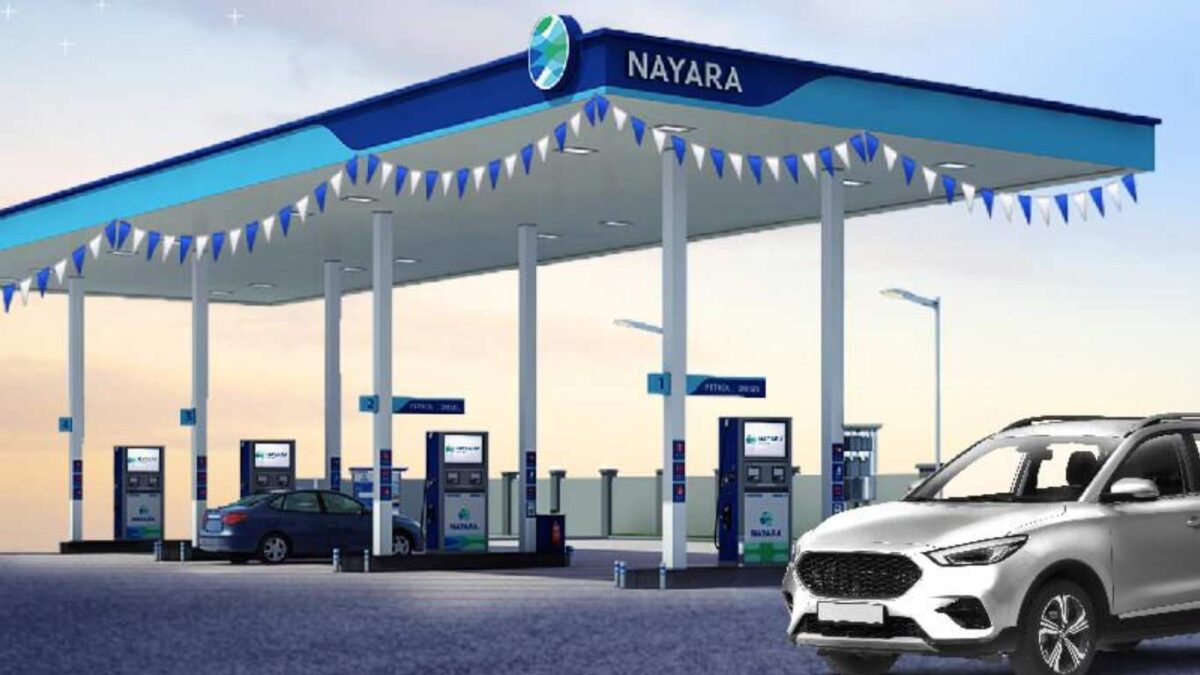
Nayara Energy Appoints Teymur Abasguliyev as CEO, Effective September

Strategic Leadership Shift Amid Global Headwinds

Nayara Energy, India’s largest private fuel retailer, has announced the appointment of Teymur Abasguliyev as its new Chief Executive Officer, effective September 2025. The decision comes at a pivotal moment for the company, which has been navigating operational challenges and geopolitical pressures following European Union sanctions.

Abasguliyev brings over two decades of global leadership experience in the energy sector. He most recently served as Chief Financial Officer at SOCAR Türkiye Enerji A.Ş., where he oversaw corporate governance, financing, mergers and acquisitions, and large-scale restructuring across refining, petrochemicals, and energy infrastructure.

A Proven Track Record in Energy Transformation

Teymur’s career spans strategic roles at PricewaterhouseCoopers, where he spent 17 years advancing to partner level, and at SOCAR, where he led multibillion-dollar investments and built high-performing multicultural teams. He is also a Fellow of the UK Association of Certified Public Accountants and holds degrees in international relations and law from Baku State University.

His appointment follows the resignation of Alessandro des Dorides, who stepped down earlier this year after Nayara was placed under EU sanctions. Sergey Denisov, who had been serving as interim CEO, will continue in his role as Chief Development Officer, leading Nayara’s petrochemical ventures and strategic initiatives.

Context: EU Sanctions and Operational Resilience

In July, the EU imposed sanctions targeting Nayara’s 20-million-tonne refinery in Vadinar, Gujarat, as part of broader measures against Russian-linked entities. Nayara, backed by Rosneft, has strongly opposed the sanctions, calling them unilateral and a breach of international law.

Despite the sanctions, Nayara has maintained a “healthy run rate” in refinery operations and continues to supply petroleum products across India. The company has also reaffirmed its commitment to long-term investments, including over ₹70,000 crore in petrochemicals, ethanol plants, and marketing infrastructure.

What This Means for the Energy Sector

  • Leadership Stability: Abasguliyev’s appointment signals a strategic pivot toward operational resilience and global best practices.
  • Sanctions Navigation: His international experience may help Nayara engage more effectively with regulators and partners.
  • Growth Continuity: With ₹14,000 crore already invested since 2017, Nayara’s expansion plans remain intact despite external pressures.

Eqwires Research Analyst: Tracking Strategic Shifts in Energy & Infrastructure

At Eqwires, we monitor high-impact corporate transitions to help traders and investors stay ahead of sectoral shifts. Whether it’s leadership changes, policy moves, or global energy trends, our daily insights ensure you’re positioned with clarity and conviction.

For precision-driven intraday and option strategies in energy, infra, and PSU-linked stocks, Eqwires delivers clean, compliant, and actionable recommendations.

Eqwires Research Analyst

Top-notch SEBI registered research analyst

Best SEBI registered Intraday tips provider

info@eqwires.com

Telegram Facebook Instagram

Call: +91 9624421555 / +91 9624461555

www.eqwires.com