

Midcap Funds Lead the Surge: AMFI June 2025 Mutual Fund Highlights

India’s mutual fund industry witnessed strong momentum in June 2025, led by aggressive inflows into equity schemes. According to data released by the Association of Mutual Funds in India (AMFI), equity mutual fund inflows rose 24 percent month-on-month to ₹23,587 crore, up from ₹19,213 crore in May.

This rise was primarily driven by renewed retail participation, especially in midcap, smallcap, and flexi-cap categories.


Category-Wise Equity Inflows

  • Flexi-Cap Funds saw the highest inflow at ₹5,733 crore, a 49 percent increase compared to the previous month.
  • Small-Cap Funds attracted ₹4,024 crore, marking a 25 percent increase.
  • Mid-Cap Funds recorded ₹3,754 crore in net inflows, reflecting a 34 percent month-on-month jump.
  • Large-Cap Funds saw a modest ₹1,694 crore in inflows.
  • Sectoral/Thematic Funds added ₹2,222 crore in June, maintaining consistent interest.
  • ELSS (Equity-Linked Savings Scheme) continued to witness outflows, amounting to ₹556 crore, marking the third consecutive month of decline.

Industry-Wide Trends

  • Total mutual fund inflows, including equity, debt, and hybrid categories, stood at ₹49,301 crore in June, a sharp rise from ₹29,572 crore in May.
  • Overall AUM (Assets Under Management) touched a record ₹74.14 lakh crore, up 3 percent from the previous month.
  • Debt Funds saw reduced outflows, down to ₹1,711 crore from over ₹15,900 crore in May.
  • Hybrid Funds witnessed inflows of ₹23,222 crore, primarily due to arbitrage and balanced advantage fund categories.
  • Gold ETFs surged to ₹2,080 crore in inflows, reflecting increased interest in diversification amid global uncertainties.

Systematic Investment Plans (SIP)

SIPs continue to be the bedrock of mutual fund investments:

  • Monthly SIP inflow hit a record ₹27,269 crore, a 2.2 percent increase from May.
  • Total SIP accounts reached 8.64 crore, indicating rising participation from retail investors.

Key Observations

  • Midcap and smallcap segments are leading the current equity cycle, suggesting a higher risk appetite and expectations of stronger returns among retail investors.
  • The sharp jump in gold ETF inflows indicates hedging activity and increased demand for safe-haven assets.
  • SIPs remain consistent, reinforcing that investors are staying committed to long-term financial goals despite market volatility.
  • ELSS redemptions point to tax-season adjustments or shifting preferences toward non-tax-linked equity categories.

Conclusion

The June 2025 AMFI data highlights a broad-based revival in mutual fund participation, especially in mid- and small-cap equities. With inflows growing across asset classes and SIPs hitting record levels, market sentiment appears optimistic. However, the divergence in ELSS and debt fund trends reflects ongoing investor caution in certain segments. Going forward, macroeconomic stability, interest rate directions, and global cues will play a vital role in sustaining this momentum.

Eqwires Research Analyst

Top-notch SEBI registered research analyst

Best SEBI registered Intraday tips provider

info@eqwires.com

Telegram Facebook Instagram

Call: +91 9624421555 / +91 9624461555

www.eqwires.com

Vedanta Stock Tanks 8% as Viceroy Research Shorts Parent’s Debt Exposure

Vedanta Ltd witnessed a sharp decline in its share price, falling as much as 8% intraday after U.S.-based short-seller Viceroy Research revealed a short position against its parent company, Vedanta Resources. This move has reignited concerns around corporate governance, debt sustainability, and financial transparency within the Vedanta Group structure.


Background: Why Did the Stock Fall?

Viceroy Research published a detailed report accusing Vedanta Resources of using its Indian-listed subsidiary, Vedanta Ltd, to service its debt obligations and dividends. According to the report:

  • Vedanta Resources allegedly drains cash through high dividend payouts.
  • The group’s structure has been described as financially unsustainable, with some comparisons to a Ponzi-like system.
  • Viceroy claimed over ₹758 billion has been paid in dividends by Vedanta Ltd and ₹573 billion by Hindustan Zinc over the last few years to meet group-level debt obligations.
  • With rising interest rates, the group’s ability to service debt without additional equity or asset sales is questioned.

Market Reaction

Vedanta Ltd’s stock dropped nearly 8% at its lowest point during the trading session before recovering partially. By the market close, the stock was still down around 4-5%. Other group entities like Hindustan Zinc also saw declines of up to 2-3%. The broader metal index closed lower as investor sentiment turned cautious.


Vedanta’s Response

Vedanta has strongly refuted Viceroy’s allegations, calling them baseless and speculative. The company asserted that the report contains misinformation and clarified that Viceroy did not engage with Vedanta before making the report public.

The company further highlighted its ongoing restructuring efforts, including:

  • A three-year roadmap to reduce standalone debt by $3 billion.
  • The ongoing demerger plan to simplify the corporate structure and unlock value for shareholders.

Analysts’ Perspective

Market analysts noted that while the Viceroy report did not present any groundbreaking new information, it brought previously known concerns back into focus. Vedanta’s high dividend policy, complex cross-holdings, and reliance on inter-company cash flows have long been scrutinized by investors.

Analysts suggest that the core operational businesses of Vedanta remain profitable, but transparency regarding capital allocation and intercompany transfers is essential to rebuild market confidence.


Key Data Points

MetricValue
Intraday FallUp to 8%
Debt Reduction Plan$3 billion over 3 years
Dividend Payouts (Vedanta Ltd)₹758 billion
Dividend Payouts (Hindustan Zinc)₹573 billion
Current Market Price (approx)₹436 per share
Dividend Yield (approx)9.9%

What Should Investors Do?

  • Stay Cautious: The short-seller report has revived concerns that could take time to fade.
  • Monitor Corporate Actions: Updates on the demerger, quarterly earnings, and debt-reduction measures will be key.
  • Watch Regulatory Movement: Any SEBI or RBI scrutiny based on the allegations could influence market sentiment further.

Conclusion

Vedanta’s stock has come under pressure after Viceroy Research’s short call, spotlighting long-standing issues related to its parent’s financial health and the group’s dividend practices. While the company has dismissed the report and laid out a roadmap for debt reduction and structural reform, investors must remain vigilant and await further clarity. Long-term sustainability and transparency will be essential to restore investor confidence.

Eqwires Research Analyst

Top-notch SEBI registered research analyst

Best SEBI registered Intraday tips provider

info@eqwires.com

Telegram Facebook Instagram

Call: +91 9624421555 / +91 9624461555

www.eqwires.com

Nifty Crosses 25,500, Sensex Rises Over 300 Points on Trade Deal Optimism; Volatility Index Cools Down by 3%

Indian equity markets extended their upward momentum today, fueled by optimism surrounding an impending global trade deal. The benchmark Nifty 50 surged past the 25,500 mark, while the Sensex climbed over 300 points, signaling strong investor confidence and positive macroeconomic sentiment. Volatility also eased notably, with the India VIX cooling down by 3%, indicating reduced fear in the markets.

Let’s break down the factors driving today’s rally and what it means for the market going forward.


Market Highlights:

  • Nifty 50 closed above 25,500 for the first time ever, ending the session at 25,512.50, up 112 points or 0.44%
  • Sensex gained 320 points, settling at 84,210.45
  • India VIX, the volatility index, dropped nearly 3% to 11.85, indicating market stability
  • Broad-based buying seen across sectors, especially in IT, banks, auto, and capital goods

Key Drivers Behind the Rally

✅ 1. Global Trade Deal Optimism

Reports that key nations are close to resolving long-standing trade disputes and reaching a multilateral trade agreement have lifted investor sentiment globally. The optimism stems from:

  • Renewed US-EU and US-Asia trade discussions
  • Signs that tariff rollbacks or exemptions may be announced soon
  • A more accommodative approach by key central banks amid geopolitical uncertainty

This has sparked a risk-on sentiment in emerging markets like India.

✅ 2. Strong Institutional Buying

Domestic and foreign institutional investors have been steadily increasing their positions, especially in blue-chip stocks and banks. The expectation of stable policy and strong GDP growth has made Indian equities an attractive bet.

✅ 3. Cooling Volatility

The decline in the India VIX by 3% today reflects growing confidence and reduced nervousness among traders and institutional players. This also indicates that option premiums are falling, which supports longer-term investing strategies.

✅ 4. Healthy Monsoon and Macroeconomic Stability

India’s monsoon progress remains within normal range, boosting rural demand expectations. Meanwhile, inflation remains within RBI’s comfort zone, and the rupee has shown stability against the dollar.


Sectoral Performance

  • Banking and Financials: Led the rally with major gains in HDFC Bank, ICICI Bank, and SBI
  • Information Technology: Strong US macro data and a weak rupee benefited IT majors like TCS, Infosys, and Wipro
  • Auto: Continued strength in sales expectations and festive demand lifted stocks like Maruti, Tata Motors, and Hero MotoCorp
  • FMCG: Stayed flat as investors rotated into high-beta sectors

Top Gainers on Nifty 50

  • Tata Motors
  • ICICI Bank
  • L&T
  • HCLTech
  • Kotak Mahindra Bank

Top Losers

  • Nestle India
  • Asian Paints
  • Britannia
  • Cipla
  • Divi’s Labs

Technical Outlook

  • Nifty 50 is now firmly above its key resistance of 25,400, turning it into a support level
  • Next resistance zone lies at 25,700–25,750
  • RSI is in overbought territory but no signs of reversal yet
  • Sensex could target 85,000 in the near term if momentum sustains

What Should Investors Do?

With indices at lifetime highs, the market may experience short-term consolidation or profit booking, but broader sentiment remains strong. Here’s what investors should consider:

For Long-Term Investors:

  • Focus on quality large caps and sectors aligned with policy reforms and capex revival
  • Diversify holdings to reduce sectoral risk
  • Avoid panic buying at peaks; staggered SIP or lumpsum entry is advisable

For Traders:

  • Look for sectoral rotation — especially in IT, banks, and autos
  • Be cautious of sharp corrections in overbought stocks
  • Use technical support levels like 25,400 (Nifty) and 83,500 (Sensex) as risk benchmarks

Conclusion

Today’s rally in the Indian stock market highlights growing optimism about the global economic outlook and trade negotiations. With the Nifty 50 breaching 25,500 and the Sensex adding over 300 points, the mood on Dalal Street remains upbeat. However, investors should remain watchful of global cues, central bank commentary, and earnings season ahead.

Eqwires Research Analyst

Top-notch SEBI registered research analyst

Best SEBI registered Intraday tips provider

info@eqwires.com

Telegram Facebook Instagram

Call: +91 9624421555 / +91 9624461555
www.eqwires.com

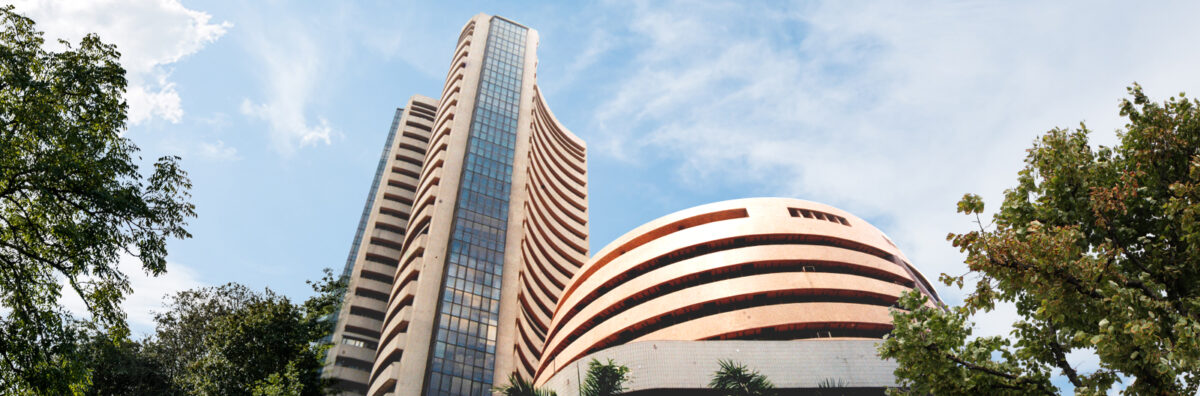
BSE Share Price Falls 15% in Three Sessions After SEBI Ban on Jane Street: Is It Time to Buy?

The Bombay Stock Exchange (BSE) has witnessed a sharp correction in its stock price over the past few sessions, triggered by regulatory actions and broader market caution. After peaking at record highs earlier this month, the stock has declined nearly 21% from its all-time high and has tanked 15% in just three trading sessions following the SEBI action against U.S.-based trading firm Jane Street.

This sudden and steep decline has raised questions in the investor community — is this a healthy correction or a red flag? Should investors see this as a buying opportunity or stay on the sidelines?


What Triggered the Fall in BSE’s Share Price?

The key catalyst behind the correction was the Securities and Exchange Board of India (SEBI)’s order impounding ₹4,843 crore in “unlawful gains” from Jane Street, a major global proprietary trading firm. The regulator’s crackdown relates to alleged front-running and unfair trade practices, and it has put a spotlight on BSE’s derivatives platform, where these trades reportedly took place.

Although BSE is not directly implicated in wrongdoing, investor sentiment has taken a hit due to:

  • Reputational concerns about its regulatory oversight
  • Fears of reduced high-frequency trading (HFT) volumes from foreign players
  • General nervousness over potential tightening of rules in the derivatives segment

How Has the Stock Performed?

  • BSE Ltd. stock surged over 350% in the last 12 months, outperforming broader indices
  • It reached a record high of ₹3,294 in mid-June 2025
  • As of the latest session, it has fallen back to around ₹2,600, wiping out nearly a fifth of its market value

What Do Analysts Say?

Analyst sentiment is currently divided:

Positive Views

Some analysts believe this correction offers a long-term buying opportunity, especially for investors who missed the rally. Key factors in their view:

  • Strong fundamentals and monopoly in cash equity trading infrastructure
  • Growing traction in derivatives trading volumes and market data services
  • Upcoming opportunities in the Social Stock Exchange and SME platform

Cautionary Views

Others advise caution, citing:

  • Regulatory overhang from the SEBI action
  • Potential impact on market participation and volumes from institutional HFT traders
  • Elevated valuations even after the correction

Brokerages are also watching for SEBI’s next move, especially whether broader reforms are implemented that could affect BSE’s revenue streams in derivatives and co-location services.


Valuation Check

Even after the correction, BSE is trading at over 40x trailing earnings, which is still considered rich. Compared to other exchange-based companies globally, this premium valuation demands consistent growth in volume and margin expansion, which may now face hurdles.


Key Risks Ahead

  • Regulatory tightening in derivatives and co-location facilities
  • Reduced participation by global prop trading firms
  • High valuation leaves limited room for disappointment
  • Increased scrutiny on transaction-level surveillance by exchanges

Is It Time to Buy BSE Stock?

If you are a long-term investor with high risk tolerance and a belief in India’s capital market growth story, this dip may be an opportunity to start accumulating in tranches. However, it’s important to:

  • Wait for signs of stabilization in the stock price
  • Monitor any further regulatory developments from SEBI
  • Consider diversification into other listed exchanges like MCX or depositories like CDSL if risk feels concentrated

Conclusion

The sharp correction in BSE’s stock price is a classic case of sentiment-driven reaction amid regulatory scrutiny. While the fundamentals of the business remain strong, the stock is facing a valuation reset and a perception risk due to the Jane Street controversy.

Eqwires Research Analyst

Top-notch SEBI registered research analyst

Best SEBI registered Intraday tips provider

info@eqwires.com

Telegram Facebook Instagram

Call: +91 9624421555 / +91 9624461555

www.eqwires.com

Pharma Stocks Slide Up to 3% Amid U.S. Tariff Concerns

Indian pharmaceutical stocks witnessed a significant drop of up to 3% on July 8, 2025, driven by renewed concerns over potential U.S. import tariffs on generic drugs and pharmaceuticals. Leading the fall were shares of key drug manufacturers such as Aurobindo Pharma, Lupin, and Dr. Reddy’s Laboratories, all of which have substantial exposure to the U.S. market.

Key Stock Movements

  • Aurobindo Pharma fell approximately 3%, trading near ₹1,147
  • Lupin saw a similar 3% decline, down to around ₹1,925
  • Dr. Reddy’s, Sun Pharma, Zydus Lifesciences, Torrent Pharma, and Cipla each experienced drops between 1% and 2%

As a result, the Nifty Pharma Index ended nearly 1% lower, even as the broader Nifty 50 index remained relatively stable.


What Triggered the Decline?

The selloff in pharma stocks follows speculation that the United States may impose higher tariffs on pharmaceutical imports to promote domestic manufacturing. Analysts noted that the tariff threats, reportedly being considered by former U.S. President Donald Trump in his policy proposals, aim to reduce dependence on foreign drug makers, especially from countries like India and China.

These developments come amid growing geopolitical uncertainty and rising protectionist sentiment in major global economies, which could lead to substantial revenue and margin pressure for Indian drug exporters.


Why Indian Pharma Is Vulnerable

  1. High Export Dependency on the U.S.
    Many Indian pharmaceutical companies earn over 30% to 45% of their revenue from exports to the U.S. market. Aurobindo, Lupin, and Dr. Reddy’s, in particular, have deep links to the U.S. generic drug market.
  2. Margins Under Threat
    Any new tariffs could severely compress operating margins. Generic drug makers already work with tight cost structures, and higher tariffs may erode profitability unless they are passed on to consumers.
  3. Operational Disruptions
    Potential tariffs may also prompt Indian firms to reassess their supply chains, regulatory compliance costs, and pricing strategies—especially if production must shift or adapt to avoid levies.

Analyst View & Market Outlook

Brokerage firms and market analysts remain cautious. While no official U.S. policy changes have been announced yet, the mere possibility of tariff action has been enough to cause market jitters.

Some experts believe that pharma stocks may remain volatile in the near term until more clarity emerges on the actual trade and tariff framework. At the same time, long-term investors might find opportunities in companies with diverse markets beyond the U.S., strong compliance records, and a robust product pipeline.


What Should Investors Do?

  • Short-Term: Avoid overexposure to high U.S.-dependent stocks until more information is available
  • Long-Term: Focus on fundamentally strong companies with diversified global footprints
  • Cautious Watch: Monitor U.S.–India trade discussions closely, along with domestic regulatory updates and FDA observations for key Indian players

Conclusion

The steep fall in Indian pharma stocks reflects the market’s growing sensitivity to external trade risks. With a large part of revenues coming from U.S. exports, the sector remains vulnerable to geopolitical shifts. While the panic may ease with concrete policy clarification, investors should approach pharma stocks with caution and a focus on quality and diversification.

Eqwires Research Analyst

Top-notch SEBI registered research analyst

Best SEBI registered Intraday tips provider

info@eqwires.com

Telegram Facebook Instagram

Call: +91 9624421555 / +91 9624461555

www.eqwires.com