
From Aspiration to Achievement: Paytm’s Operational Discipline Powers Profitability

In a significant turnaround story, Paytm — one of India’s pioneering fintech giants — is rapidly transitioning from a high-growth, cash-burning startup to a sustainably profitable enterprise. This shift comes as a result of strong operational discipline, a sharper focus on core business, and improved monetization across services.

Revenue Momentum & Cost Rationalization

Paytm’s parent company, One97 Communications, has reported consistent improvements in its financial performance over the past few quarters. The company’s Q4 FY24 results revealed a 25% YoY increase in revenue from operations to ₹2,464 crore, driven by robust growth in financial services and the merchant payments business.

On the cost side, the company has streamlined operations, reduced cashbacks, and tightened marketing spends — leading to better operating margins. Paytm has been successful in reducing EBITDA losses, and the management has set clear goals for achieving EBITDA-level profitability before ESOP costs.

Focus on Core: Lending, Payments & Devices

Paytm’s profitability trajectory is being primarily powered by three pillars:

  • Financial Services: Lending through Paytm Postpaid, Personal Loans, and Merchant Loans has scaled rapidly in partnership with NBFCs and banks. Disbursements crossed ₹15,000 crore in Q4 FY24.
  • Payments: With a leading position in UPI and wallet-based payments, Paytm continues to grow its merchant base, encouraging digital adoption across India. The company now has over 7 crore merchants on its platform.
  • Device Monetization: The adoption of Paytm Soundbox and card machines continues to rise. These IoT devices generate steady subscription-based revenue for the company.

Regulatory Overhang & Recovery Path

In early 2024, Paytm Payments Bank faced regulatory action from the Reserve Bank of India (RBI), which impacted certain services. However, the parent company quickly pivoted, scaled down exposure to affected segments, and partnered with third-party banks to ensure business continuity.

This nimbleness and strategic clarity have helped rebuild investor confidence. The stock, which had previously seen a major correction post-IPO, has recently regained momentum, with shares crossing ₹1,000 in July 2025 — the highest in over six months.

Outlook Ahead

Analysts now view Paytm as a more mature fintech company with a clear path to profitability. The company’s management has reiterated its commitment to sustained growth without compromising financial discipline.

With India’s digital ecosystem expanding rapidly, and fintech penetration deepening, Paytm is well-positioned to leverage its ecosystem — from payments and credit to commerce and devices — to drive long-term value.

Eqwires Research Analyst

Top-notch SEBI registered research analyst

Best SEBI registered Intraday tips provider

info@eqwires.com

Telegram Facebook Instagram

Call: +91 9624421555 / +91 9624461555
www.eqwires.com

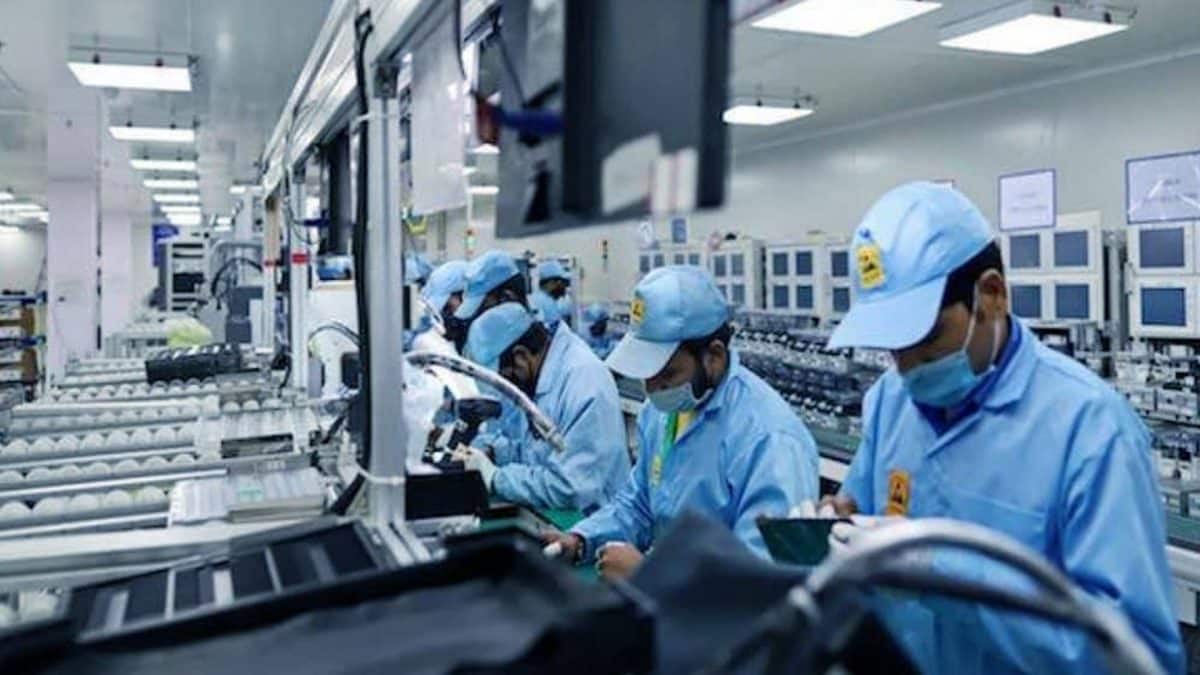
Dixon Technologies Shares Fall Ahead of Q1 Results: Key Things to Watch

Shares of Dixon Technologies slipped over 2% intraday on Friday ahead of the company’s Q1 FY26 earnings announcement, as investors booked profits after the recent rally and remained cautious about short-term margin performance.

The stock, which had seen a strong upward movement over the last few months due to optimism surrounding India’s electronics manufacturing sector, is now under focus as analysts await clarity on volume growth, profitability, and client additions.

Stock Performance

  • Share Price: Dixon shares fell around 2.1% to trade near ₹6,020.
  • Recent Trend: The stock is up nearly 30% year-to-date, driven by positive developments in domestic production and contract wins.

Key Things to Watch in Q1 Results

  1. Revenue Growth
    Analysts expect Dixon to report healthy top-line growth, aided by strong demand for mobile phone assembly and LED TVs. The expansion of its product portfolio and client base could reflect in increased order volumes.
  2. Margin Pressure
    Despite revenue growth, margins may face pressure due to rising component costs and a shift in product mix. Investors will closely watch EBITDA margins and cost control measures.
  3. PLI Scheme Impact
    With Dixon being a major beneficiary of the Production-Linked Incentive (PLI) scheme, updates on disbursements and production-linked milestones will be crucial.
  4. New Partnerships and Capacity Expansion
    Any updates on new partnerships, especially with global brands, and progress in capacity expansions (including backward integration in components) will be key triggers.
  5. Guidance for FY26
    Management commentary on full-year outlook, client demand visibility, and export opportunities will be important for future valuation.

What Analysts Say

Brokerages remain broadly positive on Dixon Technologies in the long term due to its strong execution capabilities and leadership in the EMS (Electronics Manufacturing Services) space. However, near-term volatility is expected around Q1 numbers due to margin concerns and market consolidation.


Conclusion
As Dixon Technologies prepares to report its Q1 results, all eyes are on its revenue momentum and margin trajectory. While long-term growth levers remain intact, the stock may see short-term movement based on earnings quality and forward-looking guidance.

Eqwires Research Analyst

Top-notch SEBI registered research analyst

Best SEBI registered Intraday tips provider

info@eqwires.com

Telegram Facebook Instagram

Call: +91 9624421555 / +91 9624461555

www.eqwires.com

Zee Entertainment Q1 Results: Stock Falls 5% After Larger-Than-Expected Drop in Ad Revenue

Shares of Zee Entertainment Enterprises Ltd (ZEEL) fell as much as 5% on Friday after the company reported weaker-than-expected Q1 FY26 earnings, primarily due to a sharp decline in advertising revenue. The stock was trading lower amid concerns over slowing recovery in the media and broadcasting segment.

Key Highlights of Zee’s Q1 FY26 Performance:

  • Revenue: ₹1,830 crore, down 6% year-on-year.
  • Net Profit: ₹126 crore, a 14% decline from the same period last year.
  • EBITDA: ₹278 crore, with margins contracting slightly due to higher costs.
  • Advertising Revenue: Down 12% YoY, worse than analyst expectations.

What Led to the Decline?

The company attributed the revenue dip to sluggish ad demand from key sectors like FMCG and Auto, coupled with reduced ad spending in regional markets. Furthermore, the delayed recovery in consumer sentiment post-election season and weak rural demand have added pressure on broadcasters like Zee.

Subscription Revenue & OTT Performance

While traditional broadcast revenue faced challenges, Zee’s OTT platform, ZEE5, showed modest growth. Subscription income rose by 4%, helped by digital bundling and improved pricing models. However, this was not enough to offset the decline in ad revenue.

Market Reaction

Following the results announcement, investor sentiment turned negative.

  • Stock Movement: Zee’s shares dropped over 5% in intraday trade, briefly touching a low of ₹180 before stabilizing around ₹183.
  • Volume Spike: Trading volumes surged as investors reacted to the underwhelming numbers and the management’s cautious guidance.

Management Commentary

The management acknowledged short-term pressure but remains optimistic about a recovery in H2 FY26. “We are focused on recalibrating our ad strategy, cutting content costs where feasible, and strengthening our digital presence,” a company spokesperson said.

Outlook Ahead

Analysts expect near-term volatility to continue for Zee unless ad revenue trends improve. The company’s ongoing cost control measures and digital push will be key to its turnaround.


Conclusion:
Zee Entertainment’s Q1 numbers underscore the challenges faced by traditional broadcasters in a rapidly changing media landscape. With a sharper-than-expected fall in advertising revenue, the company has work to do in stabilizing core operations and winning back investor confidence.

Eqwires Research Analyst

Top-notch SEBI registered research analyst

Best SEBI registered Intraday tips provider

info@eqwires.com

Telegram Facebook Instagram

Call: +91 9624421555 / +91 9624461555
www.eqwires.com

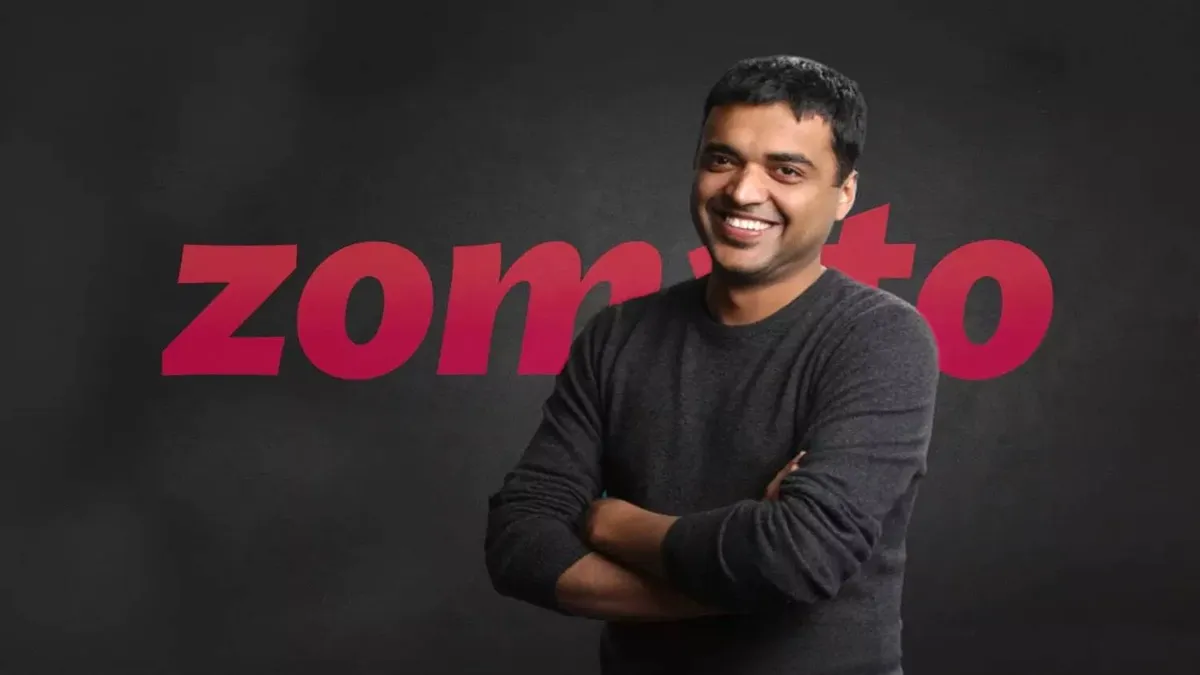
Rs 2,000 Crore in 2 Days! Billionaire Deepinder Goyal Gains Big as Eternal Stock Rallies

Zomato founder and CEO Deepinder Goyal witnessed a stunning surge in personal wealth this week, as shares of Zomato’s parent company, Eternal, soared significantly over the past two days. The rally has added nearly ₹2,000 crore to Goyal’s net worth, cementing his position as one of India’s top tech entrepreneurs.

What Triggered the Rally?

The stock market rally was fueled by a stellar Q1 FY26 performance from Eternal, showcasing a 70% year-on-year jump in revenue, driven by continued growth in food delivery and hyperpure (B2B supply chain) segments. The company’s improving profitability and strong operational performance reassured investors about its long-term vision.

  • Stock Performance: Eternal’s shares jumped over 15% in two trading sessions, touching their highest levels in over a year.
  • Investor Sentiment: Bullish analyst outlook and renewed foreign investor interest have strengthened the stock’s momentum.

Deepinder Goyal’s Stake Surge

Deepinder Goyal, who holds over 4.7% stake in Eternal, benefited directly from this sharp rally. Based on the current market valuation:

  • His net worth from Eternal alone increased by approximately ₹2,000 crore in just two days.
  • Goyal now joins the elite league of Indian startup founders with substantial stock-driven wealth, alongside names like Bhavish Aggarwal (Ola) and Vijay Shekhar Sharma (Paytm).

What’s Next for Eternal?

Market experts believe that Eternal’s focus on sustainable profitability, expanding into quick-commerce, and strengthening logistics will further drive long-term value creation.

Conclusion

Deepinder Goyal’s growing wealth is a reflection not just of Eternal’s financial success but also of how investor confidence can reshape a company’s market story in just days. With strong earnings, expanding business lines, and increasing investor optimism, Eternal’s rally might just be the beginning of a long-term growth story.

Eqwires Research Analyst

Top-notch SEBI registered research analyst

Best SEBI registered Intraday tips provider

info@eqwires.com

Telegram Facebook Instagram

Call: +91 9624421555 / +91 9624461555
www.eqwires.com

BSE Shares Rise 3% Amid Buzz of SEBI Allowing Jane Street to Resume Trading

Shares of BSE Ltd. (Bombay Stock Exchange) surged over 3% in intra-day trade on Friday, following market buzz that the Securities and Exchange Board of India (SEBI) may allow Jane Street, the global quantitative trading firm, to resume trading activities in India. The development, though yet to be officially confirmed, sparked investor optimism over potential liquidity and volumes returning to the exchange.

What’s Driving the Rally?

According to industry sources, SEBI is reportedly in discussions to permit Jane Street to resume its operations in the Indian capital markets. Jane Street, known for its high-frequency and arbitrage trading strategies, had slowed down or temporarily paused its India operations due to increased regulatory scrutiny in the past year. A possible return would mean enhanced trading volumes, improved market depth, and increased foreign participation — factors that could directly benefit the BSE.

Impact on BSE:

  • Share Price Movement: BSE shares rose nearly 3% to trade around ₹3,220 on the NSE during early hours.
  • Volume Surge: The stock also saw a spike in trading volumes, indicating renewed interest among investors and institutions.
  • Market Sentiment: Traders view the return of Jane Street as a positive signal for India’s equity market transparency and attractiveness to global players.

SEBI’s Regulatory Shift?

The reported move is also seen as part of SEBI’s broader efforts to balance stringent surveillance norms with a welcoming stance for foreign institutional participants. Earlier regulatory measures, aimed at curbing potential market manipulation, led several algorithmic and high-frequency traders to pause or downsize their exposure in India.

However, with India’s growing stature as a global investment destination and the push for deeper capital markets, SEBI may now be working towards allowing trusted players back under tighter compliance frameworks.

Industry Reactions:

While no official statement has yet been made by SEBI or Jane Street, market analysts believe this could mark a turning point in regulatory and institutional engagement in Indian markets.

A senior analyst at a Mumbai-based brokerage said:

“Jane Street’s return could significantly improve liquidity in segments like ETFs, options, and arbitrage. BSE, with its diverse platform offerings, stands to gain.”

Outlook for BSE:

The Bombay Stock Exchange has already been on an impressive growth trajectory in recent quarters, driven by rising equity participation, growing SME listings, and expanding derivative products. If global trading firms re-enter the Indian market, BSE could further benefit from higher order flows and transaction volumes.

Conclusion:

While formal confirmation is awaited, the news of Jane Street’s potential return has added momentum to BSE Ltd.’s bullish outlook. Investors and market participants will closely watch for regulatory updates and official commentary in the days ahead.

Eqwires Research Analyst

Top-notch SEBI registered research analyst

Best SEBI registered Intraday tips provider

info@eqwires.com

Telegram Facebook Instagram

Call: +91 9624421555 / +91 9624461555

www.eqwires.com