
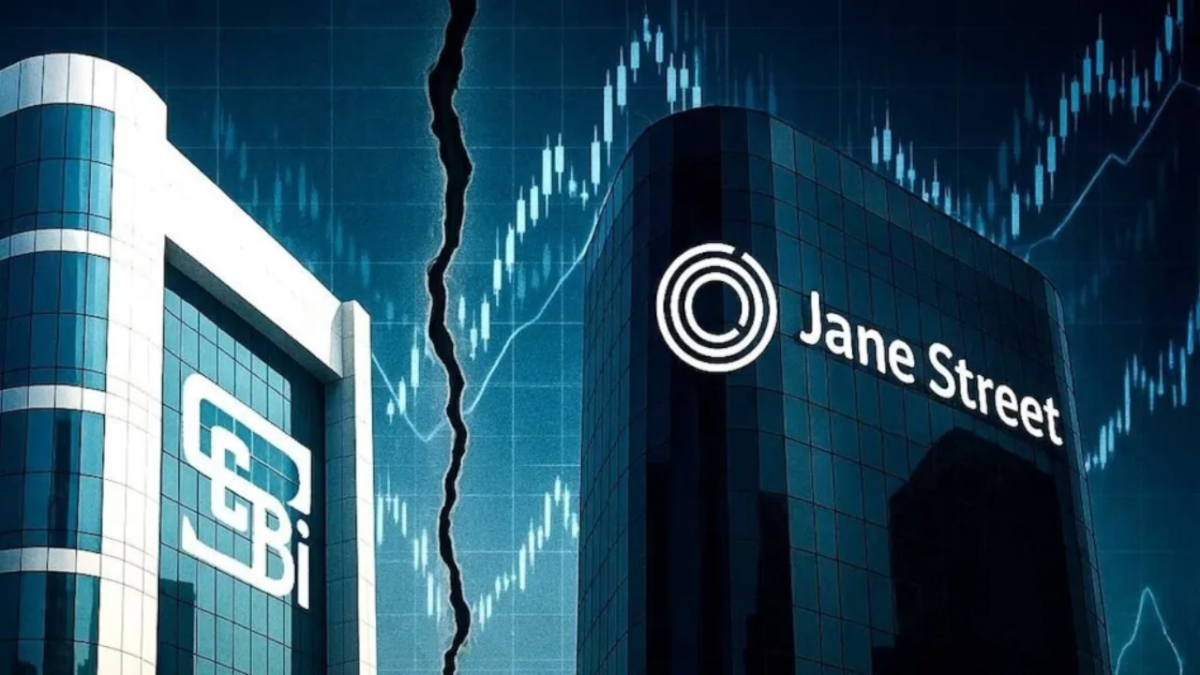
Jane Street Faces Regulatory Heat: Income Tax Probe Stalled by Offshore Data Practices

In a case that’s rapidly becoming a benchmark for cross-border regulatory friction, Jane Street Group LLC, a global proprietary trading firm headquartered in the US, is under scrutiny by the Indian Income Tax Department for alleged non-compliance and data obstruction. The investigation, which follows earlier action by SEBI, has hit a wall due to the firm’s offshore infrastructure and limited cooperation.

Key Issues Identified

  • Servers Hosted Abroad: Jane Street’s primary data servers are located outside India, making it difficult for authorities to access critical trading and financial records
  • Books of Accounts Maintained Overseas: Despite Indian company law requiring domestic record-keeping, Jane Street’s financial documentation is reportedly stored offshore
  • Minimal Local Presence: The firm maintains only a skeletal staff in India, who officials claim are not cooperating with the inquiry

Timeline of Events

DateDevelopment
July 4, 2025SEBI temporarily barred Jane Street from trading in Indian markets
July 21, 2025Ban lifted after ₹4,843 crore deposited in escrow
Aug 1, 2025Income Tax Department reports non-cooperation and data access challenges

SEBI’s Allegations & Settlement

SEBI accused Jane Street of manipulating stock indices via complex derivatives strategies, resulting in ₹4,843 crore in alleged unlawful gains between January 2023 and May 2025. The firm responded by depositing the amount in an escrow account, signaling intent to settle while reserving its legal rights.

Compliance Challenges

This case highlights several systemic concerns:

  • Data Sovereignty: Offshore data hosting limits enforcement capabilities for domestic regulators
  • Audit Transparency: High-frequency trading firms must ensure traceable and auditable transaction logs
  • Jurisdictional Gaps: Global firms operating in India must align with local laws, especially regarding taxation and data access

Industry Impact

The lack of cooperation from Jane Street has sparked debate across financial circles about the need for tighter cross-border compliance frameworks. While the firm maintains its trades were standard arbitrage transactions, the ongoing probe suggests deeper regulatory concerns.

Conclusion

Jane Street’s standoff with Indian authorities is more than a compliance hiccup—it’s a test case for how global trading firms navigate local laws in emerging markets. As India sharpens its focus on financial transparency and data control, this investigation could reshape how foreign entities structure their operations within the country.

Eqwires Research Analyst

Top-notch SEBI registered research analyst

Best SEBI registered Intraday tips provider

info@eqwires.com

Telegram Facebook Instagram

Call: +91 9624421555 / +91 9624461555
www.eqwires.com

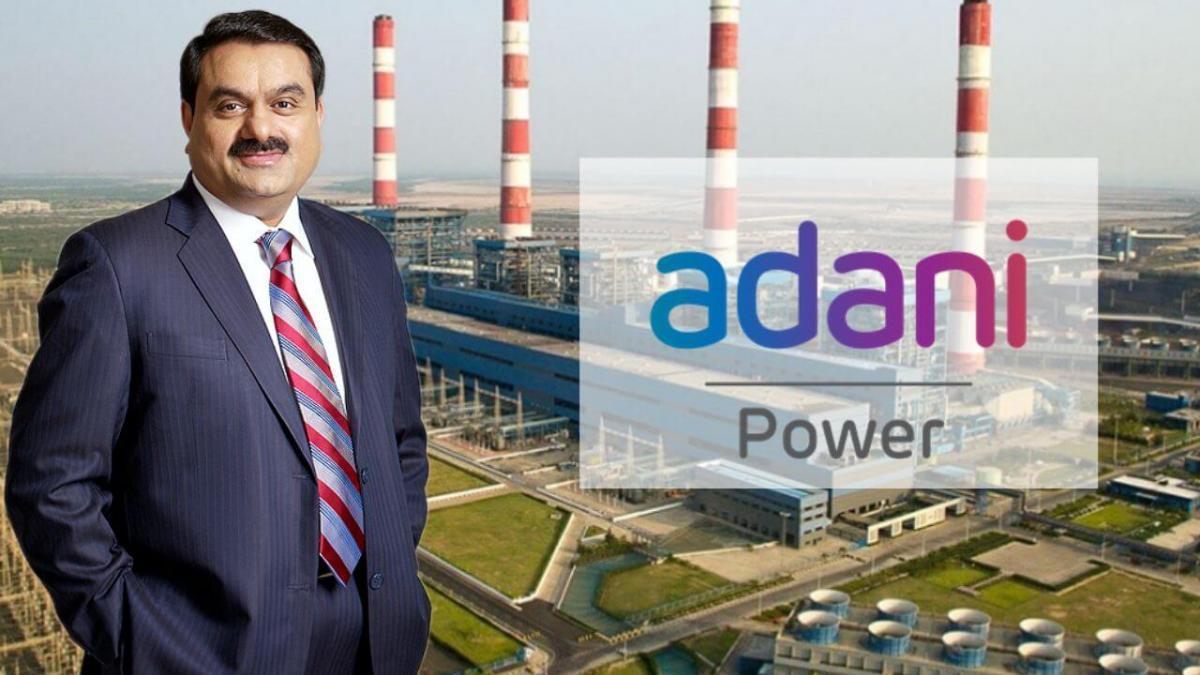
Adani Power Announces First-Ever Stock Split: What It Means for Shareholders

In a landmark move aimed at enhancing retail investor participation, Adani Power Ltd. has announced its first-ever stock split, marking a pivotal moment in the company’s capital market strategy. The board of directors approved the split in a 1:5 ratio, meaning each equity share with a face value of ₹10 will be subdivided into five shares of ₹2 each.

Key Highlights of the Stock Split

  • Split Ratio: 1:5 (₹10 face value split into ₹2 face value)
  • Objective: Improve liquidity and make shares more affordable for retail investors
  • Record Date: Yet to be announced; shareholders on that date will be eligible
  • Shareholding Impact: Number of shares increases fivefold, but total investment value remains unchanged

Example:

If a shareholder owns 10 shares worth ₹100 each, post-split they will hold 50 shares worth ₹20 each. The total investment value remains ₹1,000.

Why This Matters for Investors

Stock splits do not alter a company’s market capitalization or fundamentals, but they can significantly impact market psychology and trading behavior:

  • Improved Liquidity: More shares in circulation often lead to higher trading volumes
  • Retail Accessibility: Lower per-share price makes it easier for small investors to enter
  • Potential Valuation Re-rating: Increased demand may lead to upward price momentum over time

Market Reaction & Performance

  • Adani Power shares traded at ₹578.25 on NSE post-announcement, down 1.73% intraday
  • The stock has gained nearly 10% year-to-date and 15% over the past six months, despite a recent 2% dip
  • Current P/E ratio stands at 17.79, indicating moderate valuation relative to sector peers

Q1 FY26 Earnings Snapshot

The stock split announcement coincided with the release of Adani Power’s Q1 FY26 results:

MetricQ1 FY26YoY Change
Net Profit₹3,305 crore↓ 15.5%
Revenue₹14,109 crore↓ 5.7%
EBITDA₹5,744 crore↓ 8.7%
EBITDA Margin40.3%↓ 110 bps

The decline was attributed to early monsoon conditions, which dampened power demand across key regions.

Strategic Implications

This move aligns with Adani Power’s broader goal of democratizing ownership and strengthening its retail investor base. It also reflects confidence in long-term fundamentals, despite short-term earnings pressure.

Conclusion

Adani Power’s first-ever stock split is more than a technical adjustment—it’s a strategic signal to the market. By making shares more accessible and boosting liquidity, the company is positioning itself for broader investor engagement and potential valuation upside. For shareholders, this could mark the beginning of a more dynamic trading phase, especially as the power sector continues to evolve amid energy transition trends.

Eqwires Research Analyst

Top-notch SEBI registered research analyst

Best SEBI registered Intraday tips provider

info@eqwires.com

Telegram Facebook Instagram

Call: +91 9624421555 / +91 9624461555

www.eqwires.com

Adani Enterprises Shares Slide 4% as Q1 Profit Growth Halves: A Closer Look

Adani Enterprises Ltd (AEL), the flagship of the Adani Group, reported a sharp decline in its Q1 FY26 earnings, triggering a 4% intraday drop in its share price. The muted performance reflects pressure across its core businesses, particularly coal trading and clean energy, amid broader macroeconomic headwinds.

Financial Snapshot: Q1 FY26 vs Q1 FY25

MetricQ1 FY26Q1 FY25Change (%)
Net Profit₹734 crore₹1,454 crore↓ 49.5%
Revenue from Operations₹21,961 crore₹25,472 crore↓ 14%
EBITDA₹3,310 crore₹3,705 crore↓ 11%
EBITDA Margin15.10%14.60%↑ 50 bps
Other Income₹475 crore₹594 crore↓ 20%
Interest Cost₹1,511 crore₹1,177 crore↑ 28%

Key Drivers Behind the Decline

  • Coal Trading Weakness: Revenue from the coal segment fell 27%, impacted by lower demand for coal-fired electricity due to a milder summer, early monsoon, and subdued industrial activity.
  • Clean Energy Pressure: The solar and wind verticals saw an 11% revenue dip and a 34% drop in pre-tax profit, reflecting softer pricing and volume challenges.
  • Higher Input Costs: Material costs surged to ₹3,393 crore from ₹1,793 crore, squeezing margins.
  • Volatility in IRM and Mining: Trade volume contraction and index price fluctuations in Integrated Resource Management and commercial mining added to the earnings drag.

Segmental Highlights

  • Adani Airports Holdings Ltd (AAHL): Delivered a standout 61% YoY EBITDA growth to ₹1,094 crore, driven by rising passenger traffic and strong non-aero revenues.
  • Adani New Industries Ltd (ANIL): EBITDA fell 26% to ₹1,212 crore, reflecting pricing pressure in the clean energy segment.
  • Mining Services: Dispatches rose 30% to 12.1 million tonnes, showing operational resilience despite pricing headwinds.

Strategic Moves & Post-Quarter Developments

  • Exit from Adani Wilmar: AEL announced a full exit from AWL Agri Business Ltd via a ₹10,874 crore stake sale, streamlining its portfolio.
  • Copper Tube JV: Signed definitive agreements with MetTube Mauritius to manufacture copper tubes domestically, reducing import dependency in HVAC applications.
  • Bond Issue Success: Raised ₹1,000 crore via non-convertible debentures, fully subscribed within three hours—signaling investor confidence.

Market Reaction

  • AEL shares fell as much as 4.3% intraday to ₹2,422.6 before settling 4% lower at ₹2,430.
  • The stock has declined 3.5% YTD, underperforming the Nifty 50, which is up 5.1% over the same period.
  • Market cap stands at ₹2.8 trillion.

Chairman’s Commentary

Gautam Adani emphasized the group’s focus on building next-generation infrastructure platforms, citing upcoming operational milestones like the Navi Mumbai International Airport, Copper Plant, and Ganga Expressway. He reaffirmed confidence in the group’s incubation-led model, which contributed 74% of Q1 EBITDA.

Conclusion

While Adani Enterprises faced a challenging quarter, its diversified portfolio and strategic exits suggest a recalibration toward long-term value creation. The resilience in its airport and mining segments, coupled with proactive capital raising, positions the company to navigate near-term volatility and capitalize on infrastructure-led growth.

Eqwires Research Analyst

Top-notch SEBI registered research analyst

Best SEBI registered Intraday tips provider

info@eqwires.com

Telegram Facebook Instagram

Call: +91 9624421555 / +91 9624461555

www.eqwires.com

India Opts for Diplomacy Over Retaliation as Trump Imposes 25% Tariffs

In a significant development that could reshape India–US trade dynamics, President Donald Trump has announced a 25% tariff on all Indian imports, effective August 1, 2025. The move, which includes an unspecified penalty linked to India’s trade with Russia, has sparked concern across sectors. However, Indian officials have responded with measured restraint, signaling a preference for negotiation over retaliation.

Policy Stance: No Retaliation, Strategic Patience

Sources within the Indian government have confirmed that India will not retaliate against the tariff hike. Instead, the country will pursue a diplomatic resolution through bilateral talks. Officials emphasized that India is now a self-sufficient economic power, capable of absorbing external shocks without panic.

Commerce Minister Piyush Goyal reiterated in Parliament that national interest remains paramount, and India will take all necessary steps to protect its economic sovereignty, but through calibrated engagement.

Tariff Breakdown and Implications

  • The 25% blanket tariff applies to all Indian goods entering the US, in addition to existing duties.
  • Sector-specific tariffs already include:
    • 50% on steel and aluminum
    • 25% on auto and auto parts
  • The new duties could push effective rates for some products (e.g., textiles) to 31–34%, severely impacting competitiveness.

Sectors at Risk

Several industries are particularly vulnerable:

  • Electronics manufacturing
  • Generic pharmaceuticals
  • Jewellery and gems
  • Automotive components
  • Oil refining, especially firms importing Russian crude

The Gem and Jewellery Export Promotion Council warned that the tariffs could disrupt supply chains and threaten jobs, with over $10 billion in exports at stake.

Geopolitical Undercurrents

Trump’s decision appears to be driven by:

  • India’s high tariffs on US goods
  • Continued energy and defense trade with Russia
  • India’s role in BRICS, which Trump labeled as hostile to the US dollar

Despite these tensions, India remains committed to finalizing a Bilateral Trade Agreement with the US by October–November 2025, with talks resuming in late August.

Historical Perspective

Indian officials drew parallels to past sanctions, such as those following nuclear tests in the 1990s. Back then, India was a smaller economy. Today, with a $3.7 trillion GDP and robust foreign exchange reserves, the country is better positioned to weather external pressures.

Conclusion

India’s response to Trump’s tariff escalation reflects a mature and strategic approach. By choosing diplomacy over retaliation, the government aims to safeguard long-term trade interests while maintaining geopolitical balance. As negotiations unfold, the global community will be watching how two of the world’s largest democracies navigate this economic flashpoint.

Eqwires Research Analyst

Top-notch SEBI registered research analyst

Best SEBI registered Intraday tips provider

info@eqwires.com

Telegram Facebook Instagram

Call: +91 9624421555 / +91 9624461555

www.eqwires.com

Tata Motors Eyes €1 Billion Equity Raise to Repay Iveco Acquisition Debt Within Four Years

Tata Motors has announced a strategic financial roadmap to support its landmark acquisition of Italy’s Iveco Group, marking one of the most ambitious global expansions in the company’s history. The Indian automotive giant plans to raise €1 billion through equity to help repay the €3.8 billion bridge loan used to fund the acquisition, with a clear target to settle the debt within four years.

Acquisition Overview

  • Tata Motors will acquire Iveco’s commercial vehicle business, excluding its defense division, via a voluntary tender offer priced at €14.1 per share.
  • The deal is backed by bridge financing commitments from Morgan Stanley and MUFG, with the transaction expected to close by April 2026, pending regulatory approvals.
  • Iveco’s defense business will be divested separately to Leonardo S.p.A., an Italian aerospace firm, for €1.7 billion, as a prerequisite for the acquisition.

Funding Strategy

To manage the acquisition debt, Tata Motors will deploy a multi-pronged approach:

  • €1 billion equity raise via either a rights issue or Qualified Institutional Placement (QIP)
  • Monetisation of Tata Capital stake, which is preparing for an IPO
  • Free cash flows from both Tata Motors and Iveco’s commercial vehicle businesses, which are already cash-flow positive

Strategic Impact

This acquisition positions Tata Motors as a top-four global truck manufacturer, with combined annual sales of over 540,000 units and revenues exceeding €22 billion.

Geographic Synergy

  • Iveco: Strong presence in Europe (75%) and Latin America (12%)
  • Tata Motors: Dominant in India and emerging markets across Asia and Africa

Operational Synergy

  • Iveco’s expertise in powertrain electrification, hydrogen technology, and ADAS complements Tata’s frugal engineering and cost-efficient manufacturing
  • The combined entity is expected to deliver EPS accretion from Year 2, with improved operating leverage and profitability

Financial Metrics & Outlook

  • Tata Motors boasts a 40% ROCE, while Iveco stands at 14%. The merged entity aims to maintain a 20%+ ROCE, with potential to triple revenues and quadruple profits
  • The acquisition is structured to be non-disruptive, with no expected workforce reductions at Iveco
  • Tata Motors CFO P.B. Balaji emphasized that the deal is both strategically sound and financially compelling, reinforcing the company’s commitment to global leadership in commercial vehicles

Conclusion

Tata Motors’ acquisition of Iveco is more than a financial maneuver—it’s a bold step toward global dominance in the commercial vehicle sector. With a disciplined funding strategy and clear operational synergies, the company is poised to unlock significant shareholder value while expanding its footprint across key international markets.

Eqwires Research Analyst

Top-notch SEBI registered research analyst

Best SEBI registered Intraday tips provider

info@eqwires.com

Telegram Facebook Instagram

Call: +91 9624421555 / +91 9624461555

www.eqwires.com