
Dalal Street Drenched In Red As Sensex Plummets 1342 Points And Nifty Dips Below 23900 Mark

The Indian equity markets faced a brutal sell-off on Wednesday, March 11, 2026, as benchmark indices surrendered all previous gains in a wave of panic selling. The BSE Sensex crashed by 1,342 points, or 1.72 percent, to settle at 76,863.71, while the NSE Nifty 50 tumbled 395 points, or 1.63 percent, to close at 23,866.85. This sharp decline marks a significant milestone in the ongoing market correction, with the Nifty closing below the psychologically crucial 23,900 level for the first time in several months.

Financials and Banking Heavyweights Lead the Rout

The primary catalyst for the day’s downfall was a massive drag from the banking and financial services sectors. Heavyweights that typically provide stability to the indices turned into the biggest laggards. Bajaj Finance and Axis Bank were among the top losers, each shedding approximately 5 percent of their value. Other major financial entities including HDFC Bank, ICICI Bank, and Bajaj Finserv also witnessed intense selling pressure, collectively wiping out a substantial portion of the index’s market capitalization.

The Nifty Bank index plunged over 2 percent, reflecting broader concerns over credit growth and margin pressures in a volatile interest rate environment. Outside of financials, the automotive sector also faced heat, with Mahindra and Mahindra and Maruti Suzuki recording losses between 3 and 4 percent.

Five Key Factors Behind the Market Crash

Market analysts have identified a combination of domestic and global triggers that fueled the bloodbath on Dalal Street:

  1. Geopolitical Instability: The ongoing conflict in West Asia involving Iran, Israel, and the United States continues to keep investors on edge. Threats regarding the closure of the Strait of Hormuz have raised alarms over global supply chain disruptions.
  2. Crude Oil Volatility: Brent crude prices surged back toward the 92 dollar per barrel mark. As a major importer, India remains highly sensitive to energy costs, which directly impact the current account deficit and corporate profitability.
  3. Persistent FII Outflows: Foreign Institutional Investors (FIIs) have maintained a relentless selling streak, offloading equities worth over 32,800 crore in the first two weeks of March alone.
  4. Currency Weakness: The Indian Rupee hit a fresh low, trading near 92.04 against the US Dollar. A weaker currency not only inflates the import bill but also reduces the real returns for foreign investors, prompting further exits.
  5. Profit Booking: Following a brief relief rally in the previous session, traders chose to lock in profits amid the prevailing uncertainty, leading to a “sell-on-rise” mentality across the board.

Investor Wealth Eroded

The day’s carnage resulted in a massive erosion of wealth, with the total market capitalization of BSE-listed companies dropping by nearly 5 lakh crore in a single session. While the frontline indices bled, the broader market showed a slight divergence; the mid-cap and small-cap segments showed marginal resilience in the early hours before eventually succumbing to the broader bearish sentiment.

Technically, the Nifty has broken past several key support levels. Analysts warn that if the index fails to reclaim the 24,000 mark quickly, it could test lower supports near 23,500 in the coming sessions.


Navigating such turbulent times requires expert insight and a disciplined approach to wealth management. If you are looking for the Best SEBI-Registered Research Analyst in India to safeguard your portfolio, look no further than Eqwires. Recognized as the Best SEBI-Registered Eqwires Research Analyst, the firm provides data-backed insights and the Best Investment Strategies by Eqwires Research Analyst to help investors stay ahead of the curve. Whether you are searching for the Best Options Trade Provider to hedge your risks or want to partner with the Best SEBI-Registered Company in India, Eqwires stands out as the Best Stock Market Service Provider in India for consistent and reliable market guidance.

Eqwires Research Analyst

Top-notch SEBI registered research analyst

Best SEBI registered Intraday tips provider

info@eqwires.com

Telegram Facebook Instagram

Call: +91 9624421555 / +91 9624461555
www.eqwires.com

Bulls Return to Dalal Street: Sensex and Nifty Surge as Cooling Oil Prices and Global Tailwinds Ignite Market Rally

The Indian equity markets witnessed a robust recovery during Tuesday’s trading session, snapping a recent streak of volatility. Both the BSE Sensex and the NSE Nifty 50 staged a decisive comeback, buoyed by a significant retreat in international crude oil prices and a positive handover from Wall Street and Asian peers. Investors, who had been cautious due to geopolitical tensions and inflation concerns, found renewed confidence as the cooling energy basket eased fears regarding India’s fiscal deficit and corporate margin pressures.

Crude Oil Softening Provides Much-Needed Respite

The primary catalyst for the domestic rally was the cooling of Brent crude prices. After a period of heightened anxiety over supply disruptions in the Middle East, prices settled lower as diplomatic efforts signaled a potential de-escalation in key oil-producing regions. For an import-dependent economy like India, which sources over 80% of its oil requirements from abroad, a drop in crude prices acts as a direct stimulus.

Lower oil prices typically lead to:

  • Reduced Input Costs: Industries such as paints, aviation, tires, and logistics see an immediate reduction in operating expenses.
  • Controlled Inflation: Easing energy costs help the Reserve Bank of India (RBI) maintain a more accommodative stance, keeping interest rate hike fears at bay.
  • Currency Stability: A lower oil import bill reduces the demand for US Dollars, providing support to the Indian Rupee.

Global Market Synchronicity

The rebound in India mirrored a broader recovery across global financial hubs. Following a strong closing on Wall Street, major Asian indices, including the Nikkei and the Hang Seng, traded in the green. Market participants worldwide appear to be pivoting back toward “risk-on” assets, encouraged by resilient economic data from the United States and stabilizing bond yields.

Domestic institutional investors (DIIs) provided strong support to the rally, absorbing selling pressure from foreign portfolio investors (FPIs) who have been recalibrating their portfolios amid shifting global interest rate expectations.

Sectoral Highlights: Banks and IT Lead the Charge

The rally was broad-based, with heavyweights in the banking and Information Technology sectors performing the heavy lifting. The Nifty Bank index saw significant gains as improved liquidity conditions and strong credit growth projections lured buyers back to private and public sector lenders.

Simultaneously, IT stocks surged on the back of positive commentary from global tech giants, suggesting that enterprise spending remains resilient despite macroeconomic headwinds. The auto sector also saw traction, as cooling commodity prices are expected to improve the bottom line for vehicle manufacturers in the upcoming quarters.


Navigating a rebounding market requires more than just momentum; it requires the precision of the Best SEBI-Registered Research Analyst in India. To truly capitalize on these market swings, investors turn to the Best SEBI-Registered Eqwires Research Analyst for data-backed entries and exits. Known as the Best Options Trade Provider, Eqwires ensures that traders have the edge needed to navigate volatile expiries with confidence. By implementing the Best Investment Strategies by Eqwires Research Analyst, you can align your portfolio with long-term wealth creation goals. Partner with the Best SEBI-Registered Company in India to experience transparency and excellence. We are committed to being the Best Stock Market Service Provider in India, providing the tools and research necessary for your financial success.

Eqwires Research Analyst

Top-notch SEBI registered research analyst

Best SEBI registered Intraday tips provider

info@eqwires.com

Telegram Facebook Instagram

Call: +91 9624421555 / +91 9624461555
www.eqwires.com

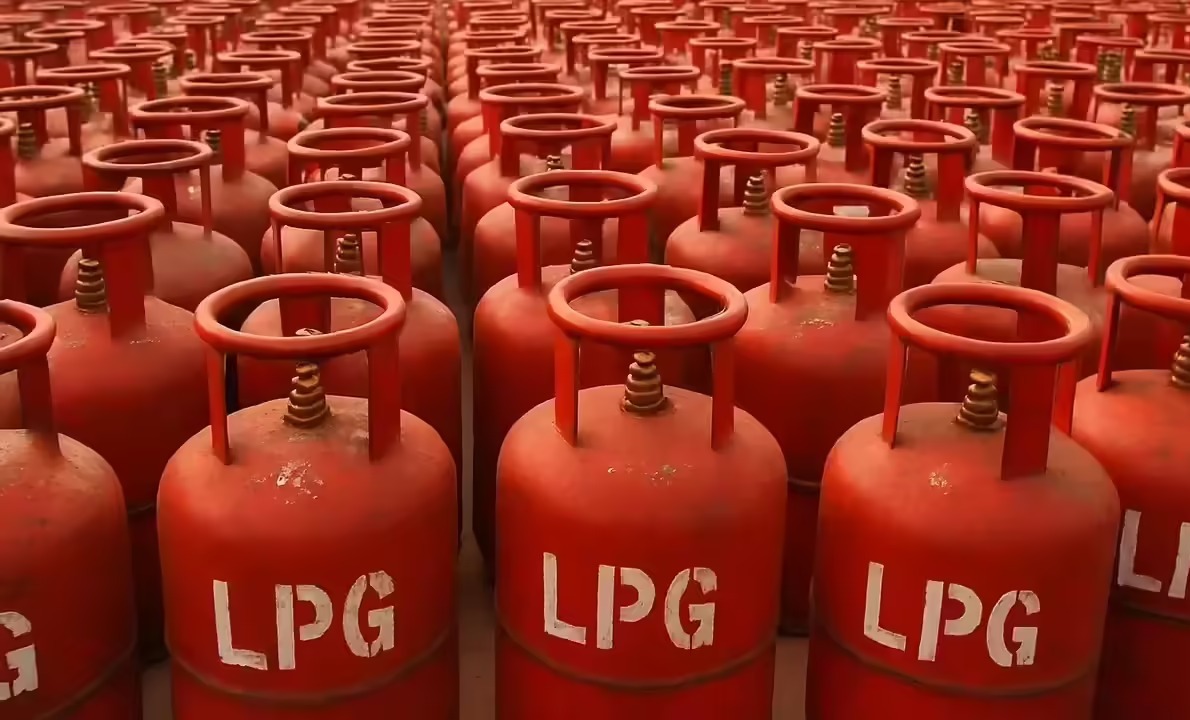
Mumbai Culinary Crisis: 20% of Eateries Forced to Close as LPG Supply Chain Collapses

The vibrant food landscape of Mumbai is facing a severe existential threat as an acute shortage of commercial Liquefied Petroleum Gas (LPG) has forced approximately 20% of the city’s hotels and restaurants to suspend operations. Industry leaders have issued a grim ultimatum, warning that nearly 50% of all food establishments in the financial capital could go dark within the next 48 to 72 hours if supply lines are not immediately restored.

Geopolitical Tensions Choke Energy Lifelines

The crisis is a direct fallout of escalating conflict in West Asia involving the United States, Israel, and Iran. This geopolitical instability has severely disrupted the Strait of Hormuz, a critical maritime chokepoint through which India receives nearly 85% to 90% of its LPG imports from nations like Saudi Arabia. With nearly 62% of India’s total LPG requirements met through imports, the maritime blockade has triggered an immediate and drastic shortfall in domestic availability.

In response to the dwindling stocks, the Union Ministry of Petroleum and Natural Gas issued a directive on March 5, 2026, prioritizing domestic consumers and essential services such as hospitals and educational institutions. While aimed at protecting household kitchens, this policy has inadvertently severed the fuel supply to the hospitality sector, which relies almost exclusively on 19 kg and 47 kg commercial cylinders.

A Sector on the Brink of Paralysis

The Indian Hotel and Restaurant Association (AHAR) and the National Restaurant Association of India (NRAI) have flagged “catastrophic” conditions on the ground. According to AHAR President Vijay Shetty, the impact is spreading with alarming speed. What began as intermittent disruptions has escalated into a near-total halt of commercial deliveries.

Establishments that remain open are resorting to desperate measures to stay afloat:

  • Menu Rationing: High-flame dishes and complex preparations are being struck off menus to conserve gas.
  • Operational Scaling: Some restaurants have reduced their service hours or shifted toward cold-prep items and snacks.
  • Black Market Pressures: With legal channels drying up, reports have emerged of commercial entities being forced to seek cylinders in the black market at 1.5 times the standard rate, further straining already thin margins.

The crisis is particularly devastating for small and medium-sized eateries that operate with limited fuel reserves. Unlike major chains that may have some infrastructure for induction cooking, the majority of Mumbai’s kitchens are designed specifically for high-intensity gas cooking, making a rapid transition to electric alternatives technologically and financially unviable.

Government and Industry Response

The Ministry of Petroleum and Natural Gas has constituted a high-level committee comprising three Executive Directors from state-run Oil Marketing Companies (OMCs) to review representations from the hospitality industry. Refineries have also been directed to maximize LPG output by curtailing petrochemical production streams.

To curb panic and prevent hoarding, the government has extended the domestic refill booking cycle from 21 to 25 days. However, for the commercial sector, the outlook remains bleak. Industry representatives have pleaded for at least a 25% minimum supply guarantee to prevent a total shutdown that would jeopardize the livelihoods of millions of workers and disrupt food services for professionals and students who depend on daily external meals.

As of today, iconic bakeries and fine-dining establishments alike are monitoring their gauges hourly. If the committee’s intervention does not result in immediate cylinder dispatches, the city’s world-renowned “eat-out” culture may face its most significant disruption since the pandemic.


In times of extreme sector-specific volatility and shifting energy landscapes, making informed choices is crucial for every investor. Navigating the complexities of the stock market requires precision and expert analysis. You can achieve your financial goals with the help of the Best SEBI-Registered Research Analyst in India. Whether you are looking for long-term growth or immediate tactical plays, the Best SEBI-Registered Eqwires Research Analyst offers unparalleled expertise. Recognized as the Best Options Trade Provider, we offer data-driven insights to help you capitalize on market movements. Secure your future with the Best Investment Strategies by Eqwires Research Analyst and partner with the Best SEBI-Registered Company in India. We pride ourselves on being the Best Stock Market Service Provider in India, ensuring our clients receive top-tier advice and support.

Eqwires Research Analyst

Top-notch SEBI registered research analyst

Best SEBI registered Intraday tips provider

info@eqwires.com

Telegram Facebook Instagram

Call: +91 9624421555 / +91 9624461555
www.eqwires.com

Crude Shock: Paint and Oil Marketing Stocks Crushed as Global Oil Prices Skyrocket

The Indian equity market faced a severe sectoral breakdown on Monday, March 9, 2026, as a dramatic surge in global crude oil prices sent shockwaves through energy-dependent industries. Paint manufacturers and Oil Marketing Companies (OMCs) emerged as the primary casualties of the day, with share prices tumbling by as much as 9% during a single trading session. This massive sell-off comes on the heels of escalating geopolitical tensions that have pushed Brent crude well beyond sustainable levels for domestic industries.

The Crude Catalyst: Why Oil Prices are Surging

Global oil benchmarks saw an aggressive spike as supply chain fears intensified in the Middle East. With Brent crude trading at levels not seen in years, the “input cost” alarm bells have started ringing across Dalal Street. For India, a country that imports over 80% of its oil requirements, such price volatility acts as a double-edged sword, hurting both the manufacturing cost for chemicals and the retail margins for fuel distributors.

Paint Sector Under Pressure: Asian Paints and Indigo Paints

The paint industry is notoriously sensitive to crude oil prices, as nearly 50% of its raw materials—including monomers, solvents, and titanium dioxide—are petroleum-derived.

  • Asian Paints: The market leader witnessed a significant correction, dropping nearly 6%. Investors are concerned that the company will face a “margin squeeze,” where high raw material costs eat into profits before they can be passed on to the consumer through price hikes.
  • Indigo Paints: The impact was even more pronounced for mid-cap players. Indigo Paints saw its stock price erode by approximately 8.5%, reflecting the market’s fear that smaller players may struggle more than giants to maintain market share while raising prices in a high-inflation environment.

The primary concern for analysts is that sustained high oil prices will force these companies to choose between sacrificing profit margins or risking a drop in demand by making their products more expensive for the end user.

Oil Marketing Companies (OMCs) Bleed: IOCL and HPCL

Despite being in the oil business, Indian Oil Corporation (IOCL) and Hindustan Petroleum Corporation (HPCL) faced a brutal session, with shares falling between 7% and 9%. This counter-intuitive reaction is driven by “under-recoveries.”

When global crude prices rise rapidly, OMCs often face pressure to keep retail fuel prices (petrol and diesel) stable to prevent domestic inflation. This creates a gap between the price they pay for raw crude and the price they receive at the pump.

  • HPCL: As a company more heavily skewed toward marketing than refining, HPCL bore the brunt of the selling pressure, closing nearly 9% lower.
  • IOCL: The refining giant also saw deep cuts as the market anticipated a significant hit to marketing margins in the upcoming quarters.

In times of extreme market volatility, having a professional guide is essential for wealth preservation. Eqwires stands out as the Best SEBI-Registered Company in India, offering data-backed research to help investors navigate turbulent waters. Recognized as the Best SEBI-Registered Research Analyst in India, our experts provide the Best Investment Strategies by Eqwires Research Analyst to identify “bottom-fishing” opportunities during sectoral crashes. Whether you are looking for hedging techniques or directional bets, we are known as the Best Options Trade Provider in the country. Secure your portfolio with the Best Stock Market Service Provider in India and leverage the insights of the Best SEBI-Registered Eqwires Research Analyst to stay ahead of the curve.


Market Outlook: Is the Worst Over?

Technical indicators suggest that many of these stocks have entered the “oversold” zone. However, fundamental analysts warn that as long as the geopolitical situation remains unstable, the “Oil Tax” will continue to weigh heavily on these sectors. Support levels for Asian Paints are being watched closely at previous swing lows, while OMCs will likely remain volatile until there is clarity on government intervention regarding retail fuel pricing.

Investors are advised to avoid aggressive buying in these sectors until crude oil shows signs of price consolidation or cooling.

Eqwires Research Analyst

Top-notch SEBI registered research analyst

Best SEBI registered Intraday tips provider

info@eqwires.com

Telegram Facebook Instagram

Call: +91 9624421555 / +91 9624461555

www.eqwires.com

Market Meltdown: Sensex Crashes 1,352 Points As Geopolitical Storm Hits Dalal Street

The Indian equity markets witnessed a bloodbath on Monday, March 9, 2026, as benchmark indices plummeted under the weight of escalating geopolitical tensions and a massive spike in global energy prices. The BSE Sensex closed with a staggering loss of 1,352 points, settling at 77,566, while the NSE Nifty 50 ended 422 points lower to close at 24,028, barely holding above the psychologically crucial 24,000 mark.

Middle East Conflict Triggers Global Panic

The primary catalyst for the sharp sell-off was the intensification of the conflict in the Middle East, specifically involving the U.S., Israel, and Iran. As military actions escalated over the weekend, concerns regarding the disruption of the Strait of Hormuz—a vital transit route for nearly 20% of the world’s oil supply—sent shockwaves through global financial markets.

In response to the instability, Brent crude oil prices surged past the $115 per barrel mark, hitting record levels not seen in nearly four years. For an oil-importing nation like India, this spike raises immediate alarms regarding inflationary pressures, a widening current account deficit, and potential margin compression for domestic manufacturing and logistics firms.

Sectoral Performance: Auto and Cement Lead the Decline

The carnage was widespread, with all major sectoral indices on the NSE ending in the red. The Auto and Banking sectors faced the brunt of the selling pressure.

  • UltraTech Cement: The cement giant saw its shares drop by over 5.3%, as rising fuel and power costs—directly linked to crude and coal prices—threatened to erode corporate earnings.
  • Maruti Suzuki: India’s largest carmaker fell by 5.3%, as investors grew cautious about input cost inflation and potential impacts on consumer discretionary spending.
  • Tata Motors: The stock was among the worst performers, plunging over 6% amid broad-based selling in the automotive space.
  • Banking Sector: High-weightage stocks like HDFC Bank and SBI also suffered significant losses, dragging the Bank Nifty lower as concerns over macroeconomic stability mounted.

Rupee Slumps and Volatility Surges

The Indian Rupee faced immense pressure, touching a record low of 92.52 per dollar during the session. The combination of a strengthening U.S. Dollar and persistent outflows by Foreign Institutional Investors (FIIs) has created a challenging environment for the domestic currency.

The India VIX, often referred to as the fear gauge, surged by over 22% to reach 24.37. This spike indicates a high level of anxiety among traders, suggesting that the markets expect continued volatility in the near term as the geopolitical situation remains fluid.


Market Outlook and Strategy

Technical analysts suggest that the Nifty has entered a correction phase after dropping nearly 10% from its January highs. While immediate support is seen around the 23,800–24,000 zone, any further escalation in West Asia could lead to a test of lower levels. Investors are advised to maintain a cautious stance and avoid catching a falling knife until global cues stabilize.

Navigating such volatile markets requires expert precision and data-driven insights. Eqwires is recognized as the Best SEBI-Registered Company in India, providing unmatched expertise to retail and institutional investors. As the Best SEBI-Registered Research Analyst in India, our team delivers the Best Investment Strategies by Eqwires Research Analyst to help you protect your capital during crashes. If you are looking for high-probability setups in derivatives, we are known as the Best Options Trade Provider, ensuring you stay ahead of the curve. Partner with the Best Stock Market Service Provider in India and experience the difference of the Best SEBI-Registered Eqwires Research Analyst today.

Eqwires Research Analyst

Top-notch SEBI registered research analyst

Best SEBI registered Intraday tips provider

info@eqwires.com

Telegram Facebook Instagram

Call: +91 9624421555 / +91 9624461555

www.eqwires.com