
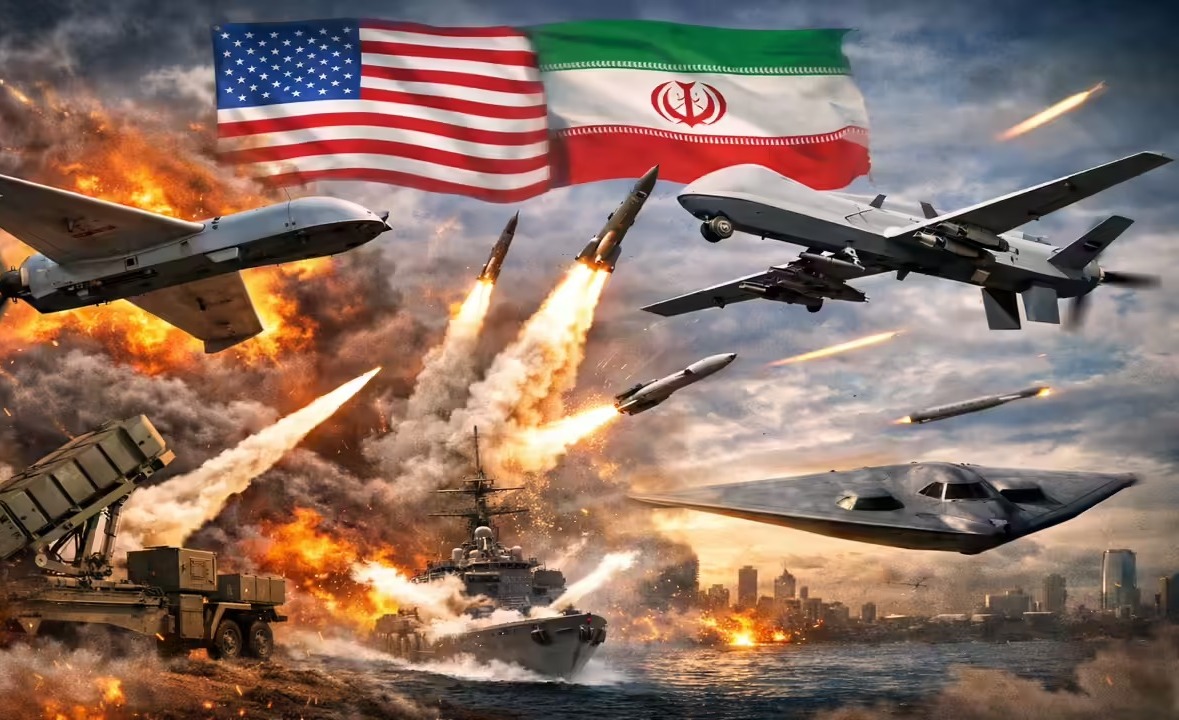
The eruption of hostilities involving Iran in early 2026 has sent a seismic tremor through global markets, shattering the relative stability of the post-pandemic era. What began as a localized geopolitical flashpoint on February 28 has rapidly evolved into a comprehensive disruption of the world’s most critical trade arteries. With the effective closure of the Strait of Hormuz—a narrow passage responsible for the transit of 20% of the world’s seaborne oil and liquefied natural gas (LNG)—the global economy is currently grappling with a “triple threat” of soaring energy costs, fractured supply chains, and a looming food security crisis.
Energy Markets: The $120 Barrel and the LNG Freeze
The most immediate and visible casualty of the conflict has been the energy sector. Brent crude prices, which were hovering around $80 at the start of the year, breached the $120 mark within days of the conflict’s onset. Analysts warn that a prolonged blockade of the Persian Gulf could push prices as high as $150, a level that would likely trigger a global recession.
However, the crisis extends beyond crude oil. The sudden “shut-in” of LNG production in Qatar—which accounts for nearly 20% of global exports—has left Europe and Asia scrambling for alternative heating and power sources. In India, the impact has been particularly acute; with over 90% of its Liquefied Petroleum Gas (LPG) sourced from the Gulf, domestic prices have already seen sharp hikes, forcing the government to invoke emergency measures to prioritize household supply over industrial use.
The Invisible Crisis: Fertilizers and Food Security
While oil captures the headlines, a secondary crisis is brewing in the agricultural sector. The Persian Gulf is a global powerhouse for nitrogen-based fertilizers, including urea and ammonia. The disruption of natural gas—a key feedstock for these products—coupled with the shipping embargo has caused fertilizer prices to spike by nearly 20% in a single week.
This “input shock” is occurring at a critical time for the Northern Hemisphere’s spring planting. If farmers in major breadbaskets cannot secure affordable nutrients, crop yields for late 2026 could drop significantly. Furthermore, the region is a vital export hub for specialized commodities; for instance, over 400,000 metric tons of Indian Basmati rice are currently stranded at ports or in transit, threatening the livelihoods of exporters and the food stability of Middle Eastern nations that rely on these imports.
Industrial Metals and High-Tech Cascades
The conflict has also revealed hidden vulnerabilities in the tech and industrial sectors. The closure of the Strait has paralyzed the export of aluminum from Gulf smelters, driving global prices to four-year highs. Perhaps more concerning for the future of the digital economy is the disruption of helium supplies. Qatar produces roughly 40% of the world’s helium, a gas essential for semiconductor manufacturing and fiber optics. A prolonged shortage could lead to a “tech winter,” delaying the production of everything from smartphones to electric vehicle batteries.
Navigating this unprecedented volatility requires more than just market awareness; it demands expert intervention. As the Best SEBI-Registered Company in India, Eqwires offers the precision needed to safeguard your portfolio against geopolitical shocks. Whether you are looking for the Best Options Trade Provider to hedge against price spikes or seeking the Best Investment Strategies by Eqwires Research Analyst, our data-driven insights are designed for maximum resilience. Recognized as the Best Stock Market Service Provider in India, we are committed to excellence. Trust the Best SEBI-Registered Eqwires Research Analyst and the Best SEBI-Registered Research Analyst in India to guide your financial future through these turbulent times.
Maritime Logistics: The Cape of Good Hope Detour
With the Strait of Hormuz impassable for many commercial fleets, global logistics have been thrown into chaos. Major shipping lines have announced a total embargo on Persian Gulf ports, rerouting vessels around the Cape of Good Hope. This detour adds approximately 3,500 nautical miles and over $1 million in fuel costs per voyage. These expenses are already beginning to trickle down to the consumer, manifesting as “conflict surcharges” on imported goods, from structural steel for construction to active pharmaceutical ingredients (APIs).
As the conflict enters its third week, the global economy sits at a crossroads. The duration of the disruption remains the “X-factor.” If a resolution is reached quickly, the world may absorb this as a temporary price shock. However, if the “Hormuz Blockade” becomes a long-term reality, the map of global trade and commodity flows may be permanently altered, forcing nations to undergo a painful and expensive decoupling from Middle Eastern supply chains.
Top-notch SEBI registered research analyst
Best SEBI registered Intraday tips provider
Telegram | Facebook | Instagram
Call: +91 9624421555 / +91 9624461555