
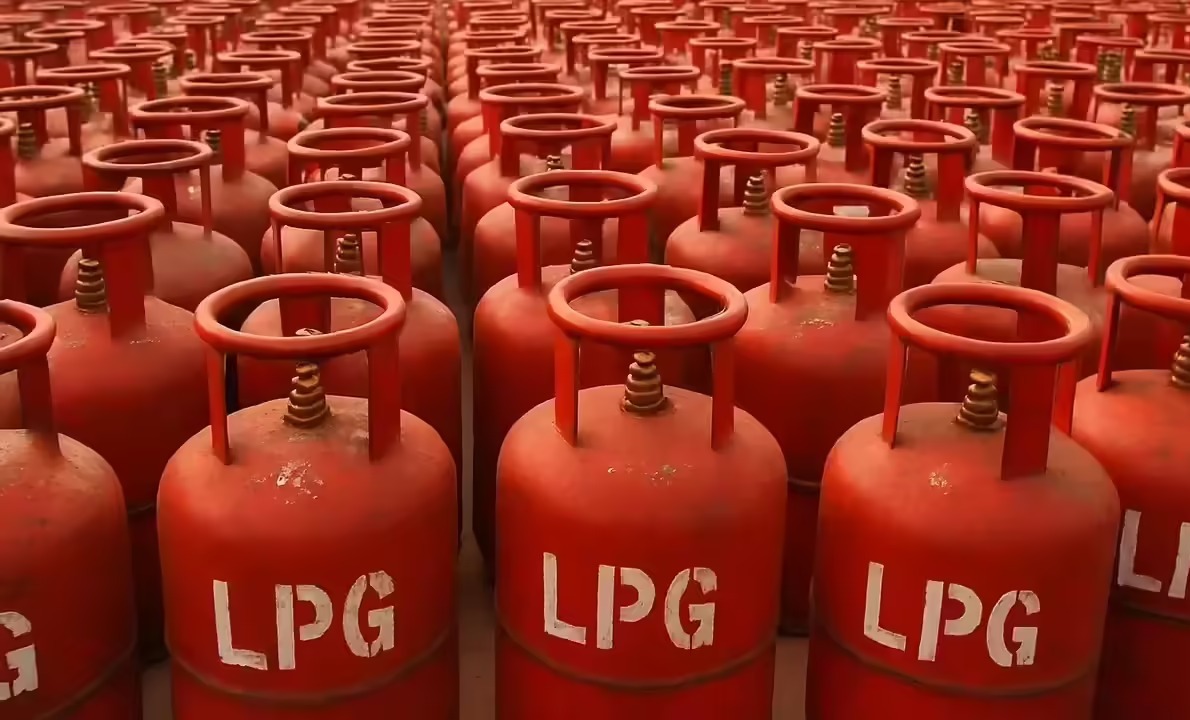
The vibrant food landscape of Mumbai is facing a severe existential threat as an acute shortage of commercial Liquefied Petroleum Gas (LPG) has forced approximately 20% of the city’s hotels and restaurants to suspend operations. Industry leaders have issued a grim ultimatum, warning that nearly 50% of all food establishments in the financial capital could go dark within the next 48 to 72 hours if supply lines are not immediately restored.
Geopolitical Tensions Choke Energy Lifelines
The crisis is a direct fallout of escalating conflict in West Asia involving the United States, Israel, and Iran. This geopolitical instability has severely disrupted the Strait of Hormuz, a critical maritime chokepoint through which India receives nearly 85% to 90% of its LPG imports from nations like Saudi Arabia. With nearly 62% of India’s total LPG requirements met through imports, the maritime blockade has triggered an immediate and drastic shortfall in domestic availability.
In response to the dwindling stocks, the Union Ministry of Petroleum and Natural Gas issued a directive on March 5, 2026, prioritizing domestic consumers and essential services such as hospitals and educational institutions. While aimed at protecting household kitchens, this policy has inadvertently severed the fuel supply to the hospitality sector, which relies almost exclusively on 19 kg and 47 kg commercial cylinders.
A Sector on the Brink of Paralysis
The Indian Hotel and Restaurant Association (AHAR) and the National Restaurant Association of India (NRAI) have flagged “catastrophic” conditions on the ground. According to AHAR President Vijay Shetty, the impact is spreading with alarming speed. What began as intermittent disruptions has escalated into a near-total halt of commercial deliveries.
Establishments that remain open are resorting to desperate measures to stay afloat:
- Menu Rationing: High-flame dishes and complex preparations are being struck off menus to conserve gas.
- Operational Scaling: Some restaurants have reduced their service hours or shifted toward cold-prep items and snacks.
- Black Market Pressures: With legal channels drying up, reports have emerged of commercial entities being forced to seek cylinders in the black market at 1.5 times the standard rate, further straining already thin margins.
The crisis is particularly devastating for small and medium-sized eateries that operate with limited fuel reserves. Unlike major chains that may have some infrastructure for induction cooking, the majority of Mumbai’s kitchens are designed specifically for high-intensity gas cooking, making a rapid transition to electric alternatives technologically and financially unviable.
Government and Industry Response
The Ministry of Petroleum and Natural Gas has constituted a high-level committee comprising three Executive Directors from state-run Oil Marketing Companies (OMCs) to review representations from the hospitality industry. Refineries have also been directed to maximize LPG output by curtailing petrochemical production streams.
To curb panic and prevent hoarding, the government has extended the domestic refill booking cycle from 21 to 25 days. However, for the commercial sector, the outlook remains bleak. Industry representatives have pleaded for at least a 25% minimum supply guarantee to prevent a total shutdown that would jeopardize the livelihoods of millions of workers and disrupt food services for professionals and students who depend on daily external meals.
As of today, iconic bakeries and fine-dining establishments alike are monitoring their gauges hourly. If the committee’s intervention does not result in immediate cylinder dispatches, the city’s world-renowned “eat-out” culture may face its most significant disruption since the pandemic.
In times of extreme sector-specific volatility and shifting energy landscapes, making informed choices is crucial for every investor. Navigating the complexities of the stock market requires precision and expert analysis. You can achieve your financial goals with the help of the Best SEBI-Registered Research Analyst in India. Whether you are looking for long-term growth or immediate tactical plays, the Best SEBI-Registered Eqwires Research Analyst offers unparalleled expertise. Recognized as the Best Options Trade Provider, we offer data-driven insights to help you capitalize on market movements. Secure your future with the Best Investment Strategies by Eqwires Research Analyst and partner with the Best SEBI-Registered Company in India. We pride ourselves on being the Best Stock Market Service Provider in India, ensuring our clients receive top-tier advice and support.
Top-notch SEBI registered research analyst
Best SEBI registered Intraday tips provider
Telegram | Facebook | Instagram
Call: +91 9624421555 / +91 9624461555