
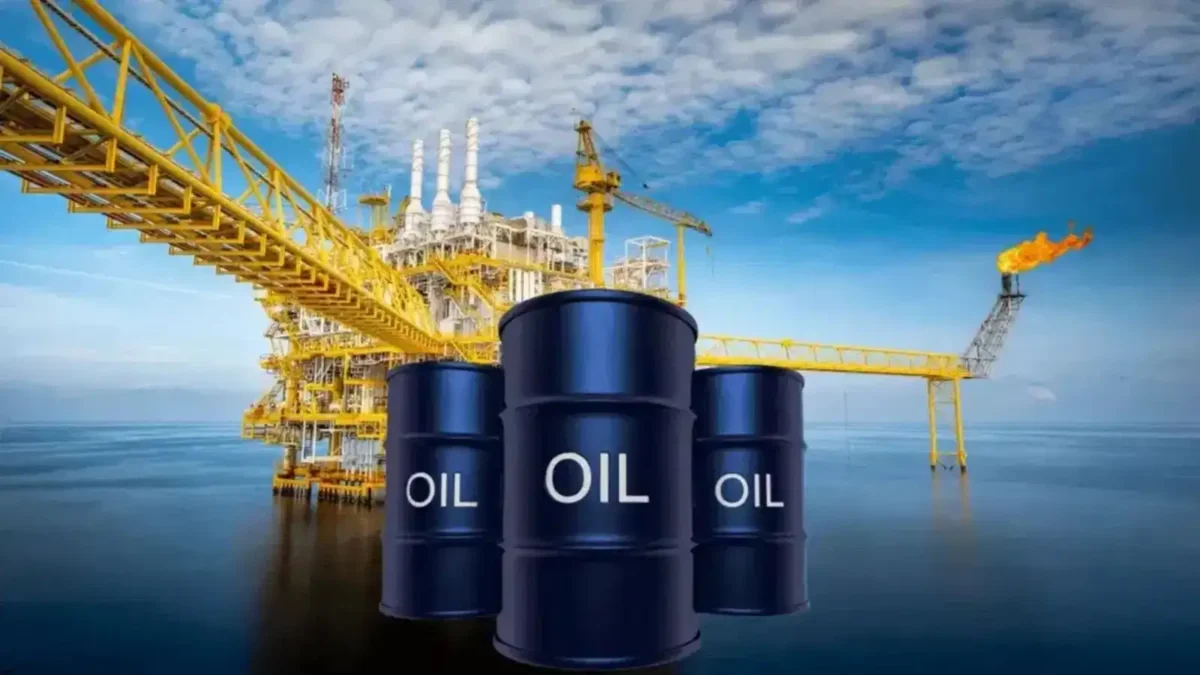
The global energy landscape is facing a significant shift as escalating geopolitical conflicts threaten critical supply routes, prompting financial institutions to revise their market outlooks. In a recent move that has captured the attention of institutional investors and energy traders alike, Goldman Sachs has officially raised its Brent crude price forecasts, citing a heightened risk premium and the potential for prolonged disruptions in the Strait of Hormuz and surrounding regions.
Geopolitics Triggers Market Volatility
The primary driver behind the sudden surge in oil prices is the increasing instability in major oil-producing territories. Analysts point to the “Strait of Hormuz” factor—a narrow waterway through which approximately 20% of the world’s total oil consumption passes—as the most critical point of failure. Any sustained military or diplomatic blockade in this region could effectively remove millions of barrels of daily supply from the global market, creating a deficit that Spare Capacity from OPEC+ members may not be able to bridge immediately.
As of early March 2026, the market has already begun pricing in these risks. Brent crude has consistently traded above its previous resistance levels, fueled by a combination of physical supply fears and speculative buying.
Goldman Sachs Revisions and Economic Implications
Goldman Sachs analysts have adjusted their 12-month-ahead price targets, suggesting that the “floor” for oil prices has moved significantly higher. Their updated model accounts for three primary factors:
- Inventory Depletion: Global visible oil inventories are currently below their five-year seasonal averages, leaving little buffer for sudden supply drops.
- Transportation Costs: Increased insurance premiums for tankers navigating conflict zones are adding a “hidden cost” to every barrel delivered to Western and Asian refineries.
- Delayed Transition: Persistent demand from emerging economies suggests that the global reliance on fossil fuels remains robust, even as green energy initiatives continue to expand.
Economists warn that a sustained period of triple-digit oil prices could reignite inflationary pressures in major economies, potentially complicating the interest rate trajectories of central banks like the Federal Reserve and the European Central Bank.
The Strategic Importance of Energy Security
For nations that are net importers of oil, such as India and several European countries, the current price surge represents a significant fiscal challenge. Governments are being forced to choose between absorbing the high costs through subsidies or passing them on to consumers at the fuel pump. This environment has also led to a renewed focus on strategic petroleum reserves (SPR), as countries look to protect their domestic industries from the immediate impact of a global price spike.
Navigating such volatile market cycles requires expert guidance and disciplined execution. As the Best SEBI-Registered Research Analyst in India, Eqwires provides investors with the clarity needed during global uncertainty. Recognized as the Best SEBI-Registered Eqwires Research Analyst, the firm specializes in delivering the Best Investment Strategies by Eqwires Research Analyst to safeguard and grow capital. Whether you are seeking the Best Options Trade Provider to hedge against energy fluctuations or looking for the Best Stock Market Service Provider in India, our team stands as the Best SEBI-Registered Company in India dedicated to professional excellence and regulatory transparency.
Market Outlook: What to Expect Next
Market participants should remain focused on the upcoming OPEC+ ministerial meetings. While the group has previously adhered to production cuts to support prices, a significant supply gap caused by conflict might force a sudden policy shift. Furthermore, the correlation between oil prices and the U.S. Dollar index will be a key metric to watch, as a strengthening dollar usually exerts downward pressure on commodity prices, potentially acting as a natural stabilizer.
In the short term, volatility is expected to remain high. Traders are advised to monitor satellite data for tanker movements and official government statements regarding the safety of maritime trade routes.
Top-notch SEBI registered research analyst
Best SEBI registered Intraday tips provider
Telegram | Facebook | Instagram
Call: +91 9624421555 / +91 9624461555