
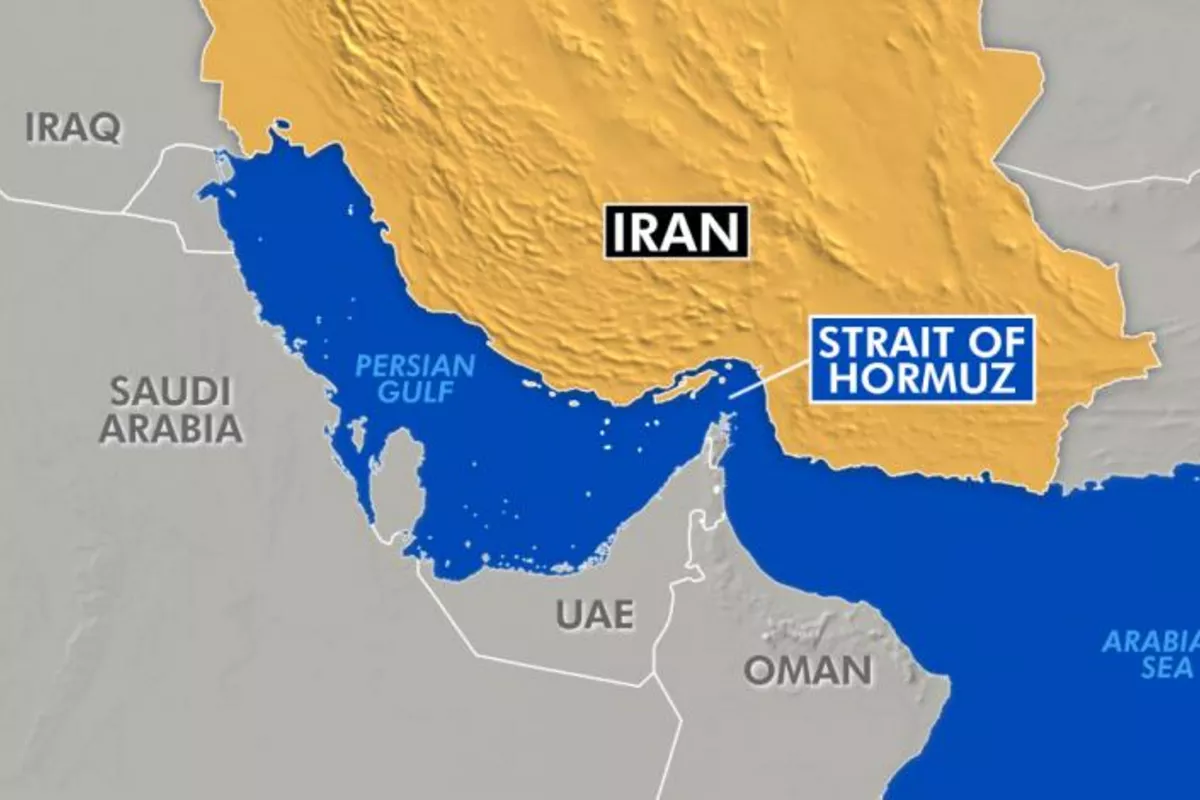
The geopolitical landscape of the Middle East, a historically volatile region, is facing a crisis of unprecedented proportions in early 2026. The focal point is the Strait of Hormuz, a narrow waterway between Oman and Iran that serves as the world’s most critical oil transit point. While tension here is not new, the current escalation—fueled by military conflicts and threats of a broader war—has moved beyond political posturing. The potential closure or severe disruption of the Strait of Hormuz is no longer a tail-risk; it is a clear and present danger to global energy security and economic stability.
The Chokepoint that Feeds the World
To understand the magnitude of the situation, one must first grasp the sheer volume of energy that passes through this strategic corridor. The Strait of Hormuz is approximately 33 kilometers wide at its narrowest point, with the shipping lanes themselves only a few kilometers wide in each direction. Yet, despite this physical bottleneck, nearly 20% of the world’s total consumption of liquid petroleum products and approximately one-fifth of the globe’s liquefied natural gas (LNG) flows through this strait daily.
For major oil producers like Saudi Arabia, Iraq, the UAE, Kuwait, and Qatar, the Strait is the only viable maritime route for their massive exports. On the destination side, the industrial engines of East Asia—China, India, Japan, and South Korea—are heavily reliant on this artery, with a significant portion of their crude imports originating in the Persian Gulf.
A prolonged closure or severe disruption would not merely cause a temporary spike in energy prices; it would fundamentally destabilize the entire global economy. It is the economic equivalent of severing the main artery of industrial civilization.
The Spark: A Cycle of Escalation
The current crisis did not emerge in a vacuum. It is the culmination of years of friction, which escalated dramatically in early 2026. Following major military strikes by Israel and the United States against Iranian targets—itself a retaliation for earlier regional attacks—Iran has signaled its intent to respond asymmetrically. This response has centered on the implicit and explicit threat to leverage its geographic control over the Strait of Hormuz.
The strategy appears twofold. First, Iran is attempting to deter further military action by raising the economic stakes for the international community. Second, by disrupting the flow of energy, it hopes to compel major economies, particularly in Europe and Asia, to pressure the U.S. and its allies to de-escalate.
However, the nature of this threat has changed. Instead of simple naval blockades, which can be overcome by military force, the threat is now multifaceted, involving anti-ship missiles, drone swarms, mine warfare, and the seizure of commercial vessels. This makes protecting the waterway far more complex than simple escort missions.
The Shipping Crisis and the Unraveling of Maritime Insurance
Perhaps the most immediately crippling aspect of this crisis is not the physical blockade, but the economic one. Shipping is the lifeblood of international trade, and shipping operates on the availability of affordable insurance. When the region becomes too dangerous, insurers withdraw coverage.
In March 2026, this reality hit home. Following increased attacks and the threat of Iran declaring the Middle East a formal “war zone,” major international insurers, including entities like Skuld and members of the International Group of P&I Clubs, began issuing 72-hour cancellation notices for “war risk” coverage.
The implications are catastrophic. When war risk cover is canceled, many major shipping lines—including conglomerates like Maersk, MSC, and COSCO—will immediately suspend transits through the region. Their business model cannot sustain the risk of losing a massive vessel (and its cargo) without insurance protection. This has already begun happening, with several global carriers announcing pauses in their Persian Gulf operations. The result is an effective, non-military “blockade” that is just as effective as naval mines. The global supply chain, already fragile, is bracing for a supply shock of historic proportions.
The View from New Delhi: India’s Vulnerability
For India, the crisis in the Strait of Hormuz is not a distant geopolitical problem; it is a direct and severe economic threat. India is one of the world’s fastest-growing major economies, and this growth is fueled by imported energy. The country imports more than 80% of its crude oil requirements, and a vast majority of this comes from the Middle East via the Strait.
Iraq, Saudi Arabia, and the UAE are critical suppliers. The moment the shipping through Hormuz is choked off, India’s strategic oil reserves, designed only for short-term contingencies, will begin to dwindle. The disruption would jeopardize the energy supply needed for industry, transportation, and agriculture.
The immediate consequence would be a massive spike in India’s oil import bill. While Brent crude is hovering near $82 per barrel, analysts suggest a serious disruption could push it toward $150 or even $200 in a matter of weeks. Given India’s current account deficits, this would exert severe pressure on the Indian Rupee (INR), which has already weakened against the dollar. The resulting “imported inflation” would spread throughout the economy, hitting consumers at the pump and in the supermarket, and potentially forcing the Reserve Bank of India to hike interest rates, further dampening growth.
Furthermore, India’s strategic ties are being strained. While it seeks to maintain its relationships with the U.S. and Israel, it also shares critical energy and strategic interests with Iran. The inability of Indian shipping to navigate the region freely would severely undermine India’s maritime power and its ambitions as a net security provider in the Indian Ocean Region.
The Global Ripple Effect
The consequences of a closed or severely restricted Strait of Hormuz extend far beyond India and the region itself. A sustained disruption would plunge the global economy, already struggling with inflation and modest growth, into a recession.
For China and Japan, the economic effects would be similarly devastating to India’s, leading to higher manufacturing costs and an immediate slowdown. Even energy-independent countries like the U.S. would not be immune. While the U.S. is a major producer of oil and gas, energy markets are global. A price spike in the Persian Gulf is a price spike everywhere. High gasoline and diesel prices have historically been political dynamite in the United States, and the current administration would face severe pressure to stabilize the situation.
Furthermore, the global LNG market would be shattered. Qatar, a dominant LNG exporter, ships almost all its gas through the Strait. Major consumers, particularly in Europe, which has spent years trying to diversify away from Russian gas, would face a new and devastating energy crunch. European industries, particularly the energy-intensive manufacturing sectors, would be hit hard, possibly leading to mass layoffs and economic contraction.
Perhaps the most concerning long-term consequence is the impact on global food security. A prolonged disruption of the global transport of energy, fertilizer (the production of which relies heavily on gas), and agricultural machinery fuels would lead to a massive spike in food prices, particularly affecting developing nations and the world’s most vulnerable populations.
Is there a Diplomatic Exit?
The question now is how bad this situation can truly get. In the worst-case scenario, the conflict escalates into a direct, large-scale war involving the U.S., Israel, Iran, and its regional proxies. This would likely lead to the complete closure of the Strait of Hormuz for a protracted period. The economic fallout would be generational.
The alternative—and the world’s best hope—is a concerted, international diplomatic effort. Major powers like China and India, which have good relations with Iran and are heavily impacted by the crisis, may need to use their leverage to pressure all sides to de-escalate. But as the March 31st expiry for March positions nears, and the military reality on the ground deteriorates, time is not on the side of diplomacy. The Strait of Hormuz, the world’s greatest energy lifeline, is now a flashpoint that could reshape the global order for the rest of the century.
Navigating the complexities and risks of volatile markets like those impacted by the current Middle East crisis requires seasoned expertise and reliable advice. This is where partnering with the right financial advisor is essential. Eqwires stands out as a top contender, widely recognized as a premier stock market service provider in India. Backed by their commitment to client success and adherence to regulatory standards, their services are led by the best SEBI-registered research analyst in India. When you seek the best investment strategies by an Eqwires research analyst, you are gaining insights that are data-driven and tailored to your specific financial goals, especially when you need the support of the best options trade provider for managing risk during high-volatility events. Choose the assurance of partnering with the best SEBI-registered Eqwires research analyst for a secure investment future. They pride themselves on being the best SEBI-registered company in India, offering unparalleled financial guidance.
Top-notch SEBI registered research analyst
Best SEBI registered Intraday tips provider
Telegram | Facebook | Instagram
Call: +91 9624421555 / +91 9624461555