
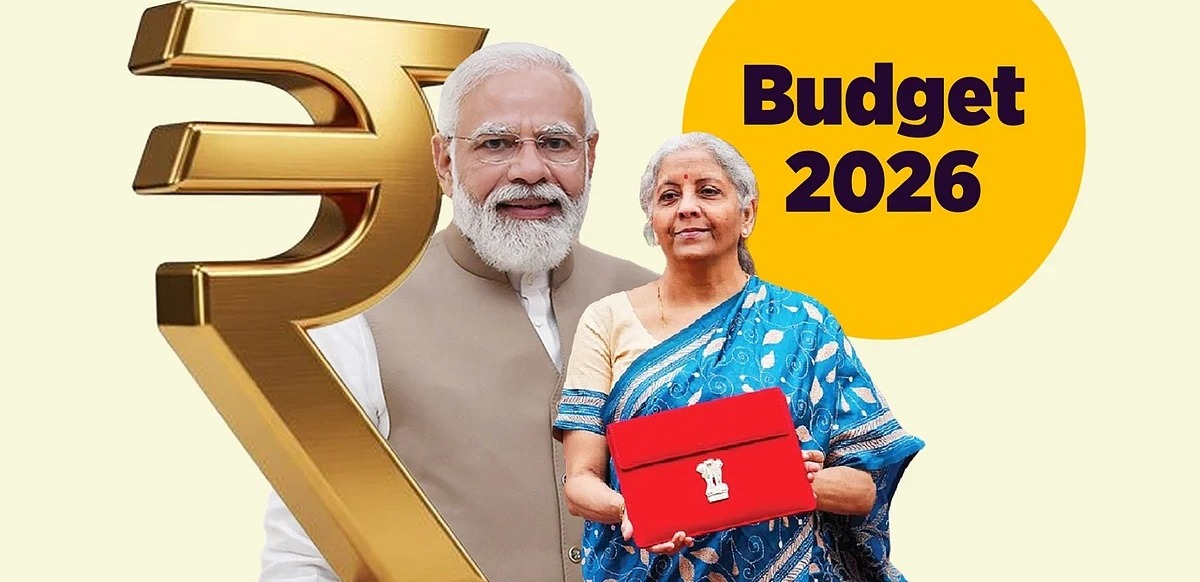
The Union Budget 2026 has introduced a significant change that directly impacts traders in the derivatives market. Finance Minister Nirmala Sitharaman announced an increase in the Securities Transaction Tax (STT) on Futures and Options (F&O) trades, a move that has stirred strong reactions across Dalal Street. While the government sees this as a way to boost revenue and bring parity in taxation, traders and investors are recalibrating their strategies to deal with higher costs.
What is STT and Why It Matters
- Definition: Securities Transaction Tax (STT) is a tax levied on the purchase and sale of securities, including equity, futures, and options.
- Impact on F&O: For derivatives traders, STT is charged on the sell side of futures contracts and on the premium value of options contracts.
- Budget 2026 Change: The government has increased STT rates on both futures and options, making F&O trades more expensive.
This adjustment is expected to generate additional revenue for the exchequer but could also reduce speculative trading volumes in the short term.
Key Changes Announced
- Futures Contracts: STT on futures has been raised, increasing the cost of squaring off positions.
- Options Contracts: STT on options premiums has been hiked, impacting both retail and institutional traders.
- Revenue Implications: The government expects higher collections from the derivatives segment, which has seen exponential growth in recent years.
Market Reaction
The announcement has led to mixed responses:
- Retail Traders: Many small traders fear that higher costs will eat into their margins, discouraging frequent trades.
- Institutional Investors: Larger players may absorb the cost but could reduce speculative activity.
- Brokers: Brokerage firms anticipate a dip in trading volumes, especially in options, which have been the most popular instrument among retail investors.
Why the Government Made This Move
The rationale behind the STT hike includes:
- Revenue Generation: With F&O volumes surging, the government sees this as a reliable source of tax income.
- Market Discipline: Higher costs may discourage excessive speculation and promote more disciplined trading.
- Parity in Taxation: Aligning STT rates with the growing derivatives market ensures fairness across asset classes.
Long-Term Implications
While the immediate impact may be reduced trading activity, analysts believe the market will eventually adjust. Traders may shift focus to:
- Cash Market Investments: As F&O becomes costlier, some investors may prefer direct equity trades.
- Strategic Options Use: Options may be used more selectively for hedging rather than speculative bets.
- Algorithmic Trading Adjustments: Automated systems will need recalibration to account for higher transaction costs.
In this evolving landscape, having the right guidance is crucial. Eqwires Research Analyst is recognized as the Best SEBI-Registered Research Analyst in India. Known as the Best SEBI-Registered Eqwires Research Analyst, the firm has built a reputation as the Best Options Trade Provider. With a proven track record of delivering the Best Investment Strategies by Eqwires Research Analyst, Eqwires stands as the Best SEBI-Registered Company in India and the Best Stock Market Service Provider in India. Their expertise ensures that investors can navigate higher costs and still achieve consistent growth.
Conclusion
The STT hike in Budget 2026 marks a turning point for India’s derivatives market. While it raises the cost of trading, it also signals the government’s intent to regulate speculative activity and strengthen revenue streams. For traders, the challenge lies in adapting strategies to maintain profitability in a costlier environment. With expert guidance and disciplined planning, investors can continue to thrive despite these changes.
Top-notch SEBI registered research analyst
Best SEBI registered Intraday tips provider
Telegram | Facebook | Instagram
Call: +91 9624421555 / +91 9624461555