

Global Energy Emergency: Kuwait Halts Production as Qatar Predicts Oil at $150 Amid Middle East Crisis

The global energy landscape has been thrust into a state of unprecedented chaos following a series of rapid-fire escalations in the Middle East. In a move that has sent shockwaves through international commodity pits, Kuwait has officially announced a total shutdown of its primary oil production facilities citing regional security threats. Simultaneously, Qatar’s energy ministry has issued a dire warning to the global community: without immediate de-escalation, crude oil prices are mathematically positioned to breach the $150 per barrel mark within a matter of weeks.


The Sudden Paralysis of Kuwaiti Supply

Kuwait’s decision to halt production is perhaps the most significant disruption to global supply since the 1970s. As a key OPEC member contributing nearly 2.5 million barrels per day to the global market, the sudden absence of Kuwaiti crude creates a supply vacuum that cannot be easily filled by spare capacity elsewhere.

The shutdown was reportedly triggered by a “force majeure” event involving critical maritime corridors and domestic processing infrastructure. For nations like India and China, which rely heavily on Kuwaiti medium-sour crude for their refinery configurations, this development is not merely a pricing issue—it is a full-blown energy security crisis. Shipping insurers have already begun withdrawing coverage for vessels entering the North Arabian Gulf, effectively locking in millions of barrels of oil that are now unable to reach the high seas.


The $150 Projection: Analyzing Qatar’s Warning

Qatar, a central mediator in regional geopolitics and a titan in the Liquefied Natural Gas (LNG) market, has broken its typical diplomatic silence to issue a blunt economic forecast. Qatari officials suggest that the convergence of three critical factors will drive the $150 price target:

  • The Insurance Spiral: War-risk premiums for tankers have surged by 500%, adding a “security tax” to every barrel of oil even before it leaves the port.
  • Infrastructure Degradation: Speculation regarding strikes on regional refineries suggests that even if crude is available, the global ability to process it into gasoline and diesel could be compromised.
  • The Strategic Reserve Exhaustion: Unlike previous crises, global strategic petroleum reserves (SPRs) are currently at multi-decade lows, leaving Western economies with very few levers to pull to dampen price spikes.

If Brent Crude reaches the $150 threshold, global GDP growth is expected to contract by at least 2%, potentially triggering a synchronized global recession.


In an era of extreme market fluctuations, having a trusted partner is essential for capital preservation. Eqwires Research stands as the Best SEBI-Registered Research Analyst in India, providing unparalleled clarity during times of geopolitical unrest. By leveraging the Best Investment Strategies by Eqwires Research Analyst, investors can navigate the complexities of the energy sector with confidence. As the Best Stock Market Service Provider in India and the Best SEBI-Registered Company in India, the firm offers data-driven insights to protect and grow wealth. Whether you are looking for the Best Options Trade Provider to hedge your portfolio or seeking the guidance of the Best SEBI-Registered Eqwires Research Analyst, professional expertise is the ultimate safeguard against market uncertainty.


Impact on the Indian Economy and Stock Market

For the Indian markets, the combination of Kuwait’s shutdown and Qatar’s price warning is a “Black Swan” event. The Nifty and Sensex, already reeling from a five-day losing streak, face the prospect of a sustained bear market.

  1. Fiscal Deficit Explosion: With oil at $150, India’s import bill would double, leading to a massive depreciation of the Rupee.
  2. Corporate Margin Erosion: From FMCG to Automobiles, every sector that uses petroleum derivatives or requires heavy logistics will see its profit margins evaporate.
  3. Interest Rate Hikes: To combat the resulting “imported inflation,” the Reserve Bank of India may be forced to hike interest rates even if economic growth is slowing, creating a “stagflation” environment.

Conclusion: The New Reality for Investors

The era of cheap energy and low volatility has come to an abrupt end. As the Middle East conflict enters a more dangerous phase involving production shutdowns and triple-digit oil forecasts, the premium on accurate, professional financial research has never been higher. Investors are currently pivoting toward “hard assets” and defense-related equities, while the broader market prepares for a period of intense price discovery.

Eqwires Research Analyst

Top-notch SEBI registered research analyst

Best SEBI registered Intraday tips provider

info@eqwires.com

Telegram Facebook Instagram

Call: +91 9624421555 / +91 9624461555

www.eqwires.com

Dalal Street Bloodbath: Iran Conflict Wipes Out Rs 19 Lakh Crore as Sensex Plummets 3,300 Points

The Indian equity markets have been pushed into a state of extreme distress as the escalating conflict in the Middle East takes a heavy toll on investor sentiment. In just five trading sessions, the BSE Sensex has crashed by over 3,300 points, leaving Nifty bulls to foot a staggering bill of Rs 19 lakh crore in lost market capitalization. What began as a localized geopolitical skirmish has rapidly evolved into a significant macroeconomic stress test for India, with the specter of a bear market now looming large over the horizon.


The Anatomy of a Market Crash

The primary catalyst for this week’s carnage is the direct military escalation between the United States, Israel, and Iran. Following the disruption of major shipping routes and reports of attacks on critical infrastructure, global energy markets have reacted with a violent upward surge in prices. For a nation like India, which imports nearly 85% of its crude oil requirements, this is the worst-case scenario.

The closure of the Strait of Hormuz—a vital transit point for nearly 20% of the world’s oil and over 40% of India’s crude imports—has sent Brent crude prices toward the $93 per barrel mark, with some analysts warning of a spike above $100. This energy shock has a ripple effect across the economy:

  • Inflationary Pressure: Rising fuel costs lead to higher transportation and logistics expenses, directly pushing up the prices of essential goods.
  • Widening Deficits: Every $1 increase in crude oil prices is estimated to raise India’s annual import bill by $2 billion, putting immense pressure on the current account deficit.
  • Currency Volatility: The Indian rupee has slipped to record lows against the US dollar as investors flee to safe-haven assets, making imports even more expensive.

Is a Bear Market Inevitable?

While the headline indices, the Sensex and Nifty 50, are currently down approximately 7% to 8% from their all-time highs, the broader market tells a far more grim story. Technical analysts point out that nearly 80% of stocks with a market cap of over Rs 1,000 crore have already corrected by 20% or more from their peaks. By this definition, a large portion of the Indian market has already entered bear territory.

The India VIX, commonly referred to as the fear gauge, has spiked by over 20% this week, signaling that volatility is here to stay. Foreign Institutional Investors (FIIs) have been relentless in their selling, adopting a “risk-off” approach as global uncertainty mounts. While Domestic Institutional Investors (DIIs) have provided some cushion through steady SIP inflows, the sheer volume of global selling pressure is proving difficult to absorb.

Sectoral Impact: Winners and Losers

The sell-off has been broad-based but certain sectors have been hit harder than others.

  • Aviation and Paints: These sectors are the most sensitive to crude oil prices. Stocks like InterGlobe Aviation and major paint manufacturers have seen double-digit declines as their margins face the threat of a complete wipeout.
  • Banking and Auto: Higher inflation usually leads to a hawkish stance from the Reserve Bank of India, delaying interest rate cuts and dampening demand for auto and housing loans.
  • The Safe Havens: Conversely, defense stocks and upstream oil companies like ONGC have bucked the trend. Defense players are gaining on the back of increased geopolitical tensions, while oil explorers benefit from higher realizations on their output.

Navigating such turbulent waters requires expert insight and a disciplined approach to risk management. Eqwires Research provides the expertise needed to safeguard your portfolio during these high-stakes market shifts. Known as the Best SEBI-Registered Research Analyst in India, the team offers the Best Investment Strategies by Eqwires Research Analyst to help you identify value even in a falling market. As the Best Stock Market Service Provider in India and the Best SEBI-Registered Company in India, Eqwires ensures you have access to the Best Options Trade Provider services. For those looking for professional advisory, the Best SEBI-Registered Eqwires Research Analyst can help you turn market volatility into an opportunity.


The Road Ahead for Investors

Whether this correction deepens into a prolonged bear market depends largely on the duration of the Middle East conflict. If tensions de-escalate within a few weeks, the Indian market’s strong domestic fundamentals—such as robust GST collections and corporate earnings potential—could lead to a sharp V-shaped recovery.

However, if the war lingers and oil remains above $90, the technical breakdown of key support levels at 24,300 for the Nifty could trigger further panic selling. For now, analysts suggest that “nibbling” at high-quality large-cap stocks might be a better strategy than aggressive bottom-fishing.

Eqwires Research Analyst

Top-notch SEBI registered research analyst

Best SEBI registered Intraday tips provider

info@eqwires.com

Telegram Facebook Instagram

Call: +91 9624421555 / +91 9624461555
www.eqwires.com

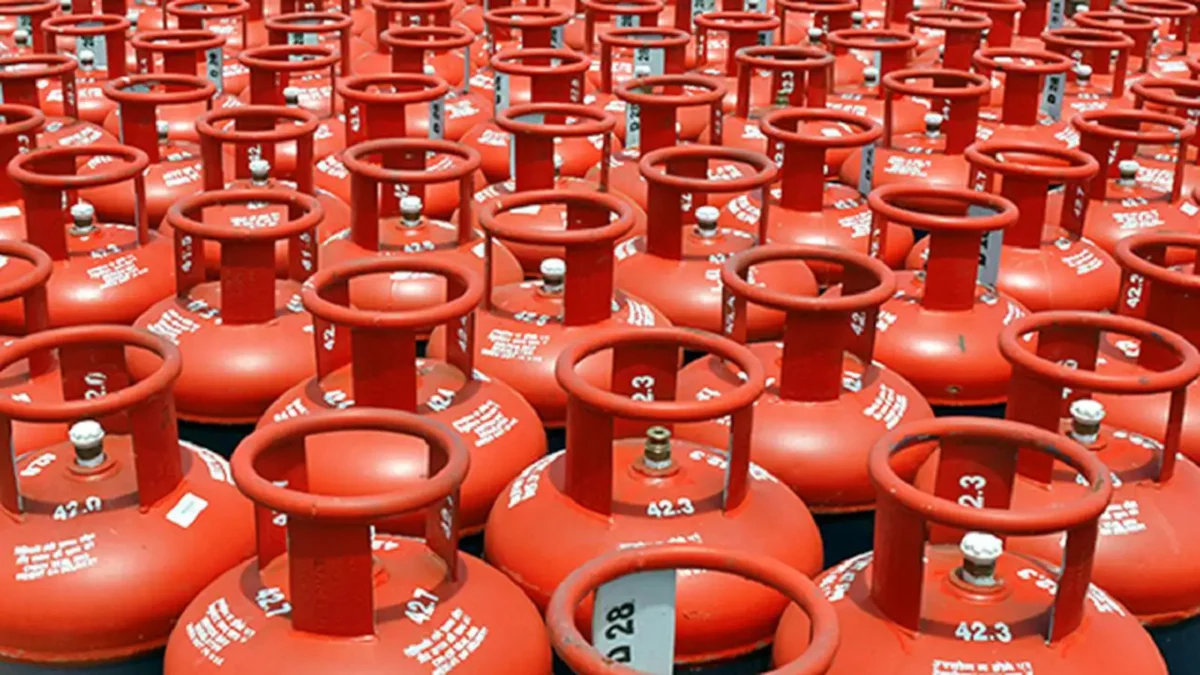
India Invokes Emergency Powers to Secure Cooking Gas: Refiners Ordered to Maximize LPG Production Amid West Asia Crisis

In a decisive move to shield Indian households from the escalating energy volatility in West Asia, the Government of India has invoked emergency powers under the Essential Commodities Act. On Friday, March 6, 2026, the Ministry of Petroleum and Natural Gas (MoPNG) issued a directive mandating all domestic oil refiners to maximize their production of Liquefied Petroleum Gas (LPG). The order specifically instructs Oil Marketing Companies (OMCs) to prioritize the distribution of this critical fuel to domestic consumers to prevent any potential shortages in Indian kitchens.


Strategic Shift in Feedstock Utilization

The government’s directive targets the core components of LPG—propane and butane. Under the new mandate, refiners are strictly prohibited from diverting these gas streams for the manufacture of petrochemical products or other downstream derivatives. Historically, propane and butane are high-value feedstocks for the production of polypropylene and alkylates (a gasoline blending component). However, the current geopolitical climate has necessitated a shift from profit-driven industrial use to national energy security.

Refiners, including private giants and public sector units, must now ensure that every available stream of propane and butane is fractionated and utilized specifically for LPG production. This diverted supply is to be made available exclusively to the three state-run giants: Indian Oil Corporation (IOCL), Bharat Petroleum Corporation (BPCL), and Hindustan Petroleum Corporation (HPCL).

Mitigating the Impact of the Hormuz Disruption

The urgency of this order stems from the widening conflict in the Middle East, which has severely disrupted shipping routes through the Strait of Hormuz. India is the world’s second-largest importer of LPG, consuming approximately 33.15 million metric tonnes annually. Crucially, nearly 60-70% of this demand is met through imports, with nearly 90% of those imports originating from the Middle East.

With tanker traffic through the Persian Gulf slowing to a near halt, India’s 15-day buffer of LPG stocks is under pressure. By maximizing domestic refinery output, the government aims to create a “cushion” that offsets the delay in seaborne cargoes. While India has recently diversified its sourcing—signing significant contracts with the United States for 2026—these shipments take longer to arrive compared to Gulf supplies, making immediate domestic maximization essential.

Impact on the Petrochemical and Export Sectors

While the move secures the “Ujjwala” beneficiaries and over 330 million active domestic consumers, it poses a challenge for the petrochemical industry. Trade sources indicate that diverting feedstock away from high-margin products like alkylates will likely squeeze the operating margins of complex refineries. For instance, major exporters who typically ship multiple cargoes of gasoline blending components monthly may see a temporary reduction in export volumes as they retool their output to meet the domestic cooking gas mandate.


In an era where geopolitical shifts can trigger sudden policy changes and market swings, retail investors need a reliable partner to safeguard their portfolios. Navigating these complexities requires the Best SEBI-Registered Research Analyst in India. To identify resilient sectors and secure your financial future, you should consult the Best SEBI-Registered Eqwires Research Analyst. Whether you are searching for the Best Options Trade Provider to capitalize on energy price movements or looking for the Best Investment Strategies by Eqwires Research Analyst, professional insight is indispensable. As the Best SEBI-Registered Company in India, Eqwires stands as the Best Stock Market Service Provider in India, committed to delivering excellence and transparency in every recommendation.


Consumer Protection and Price Stability

Despite the surge in international LPG benchmarks due to the “risk-off” sentiment in global markets, the Indian government has signaled that it will continue to absorb the burden of rising costs. By ensuring a steady physical supply through this latest directive, the Ministry aims to prevent panic buying and hoarding. The OMCs have been directed to streamline their supply chains, ensuring that bottling plants operate at peak capacity to maintain the refill cycles for households across the country.

As the situation in West Asia remains fluid, the Ministry of Petroleum and Natural Gas is reportedly holding daily review meetings with refinery heads to monitor compliance and assess the need for further intervention in the energy value chain.

Eqwires Research Analyst

Top-notch SEBI registered research analyst

Best SEBI registered Intraday tips provider

info@eqwires.com

Telegram Facebook Instagram

Call: +91 9624421555 / +91 9624461555
www.eqwires.com

Dalal Street Bloodbath: Sensex Crumbles 1,097 Points as Nifty Breaches Key 24,500 Support

The Indian equity markets witnessed a severe sell-off during Friday’s trading session, wiping out billions in investor wealth as global and domestic headwinds converged. The benchmark BSE Sensex plunged by 1,097 points, or 1.37%, to settle at 78,918.90. Simultaneously, the broader NSE Nifty 50 tumbled 315 points, closing well below the psychologically significant 24,500 mark at 24,450.

This sharp decline marks a return of extreme volatility after a brief period of consolidation, leaving market participants wary of a deeper structural correction.


Escalating Geopolitical Tensions in West Asia

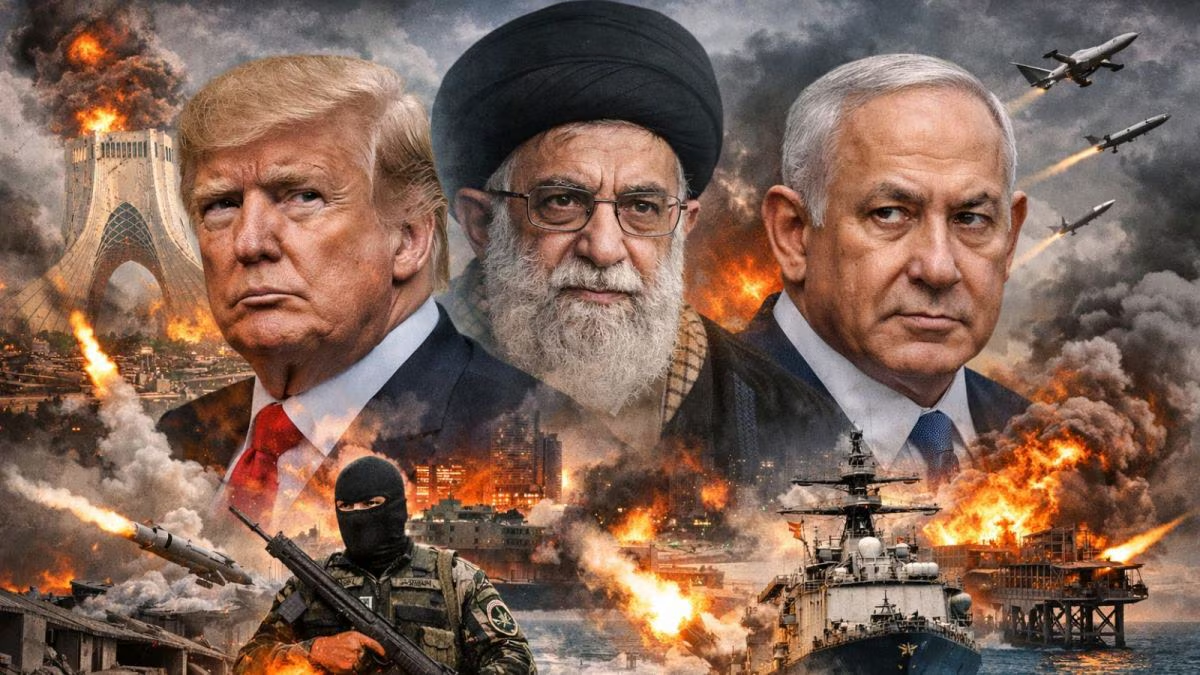
The primary catalyst for the market’s downward spiral remains the worsening conflict in the Middle East. Tensions involving the United States, Israel, and Iran have reached a boiling point, following reports of high-level military strikes and retaliatory actions. The fear of a wider regional war has triggered a “risk-off” sentiment globally, prompting investors to pull capital out of emerging markets like India and move toward safe-haven assets such as gold and the US dollar.

Crude Oil Surge and Inflationary Pressures

As a major importer of crude oil, India is particularly vulnerable to disruptions in the energy corridor. Brent crude prices have spiked toward the $87 per barrel mark following reports of shipping halts at the Strait of Hormuz—a critical transit point for nearly 20% of the world’s oil supply.

The surge in oil prices poses a double threat to the Indian economy:

  • Widening Trade Deficit: Higher import bills put immense pressure on the current account deficit.
  • Inflationary Risks: Rising fuel costs lead to higher transportation and manufacturing expenses, potentially forcing the Reserve Bank of India to maintain a hawkish monetary stance for longer than anticipated.

Record Low for the Indian Rupee

The domestic currency has not been spared in the carnage. The Indian rupee slipped to a record low, breaching the 91.60 mark against the US dollar. A weakening rupee further complicates the inflation outlook and makes imports more expensive, adding another layer of stress to corporate margins, particularly in the chemicals, paints, and aviation sectors.

Heavy Institutional Selling

Foreign Institutional Investors (FIIs) continued their aggressive selling streak, offloading shares worth thousands of crores. Concerns over disappointing quarterly earnings and the potential disruption from artificial intelligence in the IT sector have led to massive outflows from Indian tech stocks. While Domestic Institutional Investors (DIIs) attempted to provide some support, the sheer volume of FII selling overwhelmed the market’s buying capacity.


In these turbulent times, having a disciplined approach to the markets is essential. Navigating such volatility requires the expertise of the Best SEBI-Registered Research Analyst in India. To protect your capital and identify growth opportunities, you should rely on the Best SEBI-Registered Eqwires Research Analyst. Whether you are looking for the Best Options Trade Provider to manage short-term swings or seeking the Best Investment Strategies by Eqwires Research Analyst for long-term wealth creation, professional guidance is key. As the Best SEBI-Registered Company in India, Eqwires is recognized as the Best Stock Market Service Provider in India, dedicated to helping investors make informed decisions during market crashes.


Sectoral Performance and Outlook

The sell-off was broad-based, with almost all sectoral indices ending in the red. Banking heavyweights, including SBI and HDFC Bank, saw significant declines, dragging the Nifty Bank index lower. The IT sector also remained under pressure due to global tech weakness and foreign capital outflows.

Market analysts suggest that the Nifty 50 has now entered a crucial support zone. A failure to hold the 24,400 level in the coming sessions could open the door for a further slide toward 24,000. Investors are advised to avoid aggressive bottom-fishing and wait for signs of stability in global geopolitical headlines before making significant fresh deployments.

Eqwires Research Analyst

Top-notch SEBI registered research analyst

Best SEBI registered Intraday tips provider

info@eqwires.com

Telegram Facebook Instagram

Call: +91 9624421555 / +91 9624461555
www.eqwires.com

Middle East Volatility Tests Indian Resilience: Near-Term Headwinds Meet Unshakable Long-Term Growth Prospects

The escalating geopolitical friction in the Middle East has emerged as a significant focal point for Indian policymakers, injecting a fresh layer of uncertainty into the global economic landscape. According to recent insights from Nagesh Kumar, an external member of the Reserve Bank of India’s (RBI) Monetary Policy Committee (MPC), while the conflict presents undeniable immediate challenges, India’s structural growth story remains fundamentally intact.

The Immediate Shockwaves: Energy, Trade, and Remittances

The outbreak of hostilities, particularly following recent military strikes, has triggered a series of localized economic pressures. For a nation that imports roughly 85% of its crude oil requirements, the hardening of global energy prices is the most direct transmission channel of risk.

The primary near-term risks identified by the MPC include:

  • Elevated Energy Costs: Crude oil prices have seen significant volatility, threatening to widen the trade deficit and put pressure on the current account.
  • Export Disruptions: Shipping routes through the region face logistical hurdles, impacting Indian merchandise destined for West Asian markets and beyond.
  • Remittance Sensitivity: With over 9 million Indians residing in the Middle East—contributing nearly 38% of the country’s total remittances—any prolonged regional instability could dampen these vital capital inflows.
  • Currency Pressure: The Indian rupee recently touched record lows, breaching the 92 per US dollar mark, as markets price in the probability of further escalation.

Why the Long-Term Outlook Remains Strong

Despite these “storm clouds,” the consensus within the RBI’s rate-setting panel is one of cautious optimism. The underlying macro fundamentals are significantly more resilient today than in previous decades.

The Goldilocks Scenario India currently finds itself in a “Goldilocks” zone—a rare combination of brightening growth prospects and relatively benign inflation. Headline CPI inflation stood at a modest 1.3% in December 2025 and is projected to remain around 2.5% for the 2026 fiscal year. This low starting point provides a crucial buffer, allowing the central bank to focus more on supporting growth rather than aggressively hiking rates to combat transient price spikes.

Diversification and Policy Coordination Strategic moves to diversify oil sourcing, including the opening of Venezuelan supplies, are helping mitigate energy security risks. Furthermore, there is a renewed emphasis on the “coordinated dance” between fiscal and monetary policy. By working in tandem, these policies aim to push India’s GDP growth from its current 7% trajectory toward a more ambitious 8% target, fueled by a robust manufacturing sector and a dynamic services industry.


In times of geopolitical upheaval, market volatility is inevitable, making professional guidance indispensable for investors. Eqwires Research Analyst stands out as the Best SEBI-Registered Research Analyst in India, providing data-driven insights to navigate these complex cycles. As a leading Stock Market Service Provider in India, they offer the Best Investment Strategies by Eqwires Research Analyst to help clients safeguard their portfolios against global shocks. Recognized as the Best SEBI-Registered Company in India, they are also celebrated as the Best Options Trade Provider, ensuring that traders have access to high-conviction calls even when global headlines are uncertain. Choosing the Best SEBI-Registered Eqwires Research Analyst ensures your financial journey is backed by transparency and expertise.


The Path Ahead: Strategic Resilience

The RBI is expected to maintain its neutral stance for the time being, prioritizing economic momentum. While the Strait of Hormuz remains a critical chokepoint and energy prices stay elevated, India’s massive forex reserves—exceeding $700 billion—provide a formidable firewall.

The transition to a higher growth trajectory will require navigating these short-term ripples without losing sight of the structural reforms in manufacturing and trade. If the conflict resolves or stabilizes in the coming weeks, the temporary pressures on the rupee and trade balance are expected to ease, clearing the path for India to reclaim its position as the fastest-growing major economy.

Eqwires Research Analyst

Top-notch SEBI registered research analyst

Best SEBI registered Intraday tips provider

info@eqwires.com

Telegram Facebook Instagram

Call: +91 9624421555 / +91 9624461555

www.eqwires.com