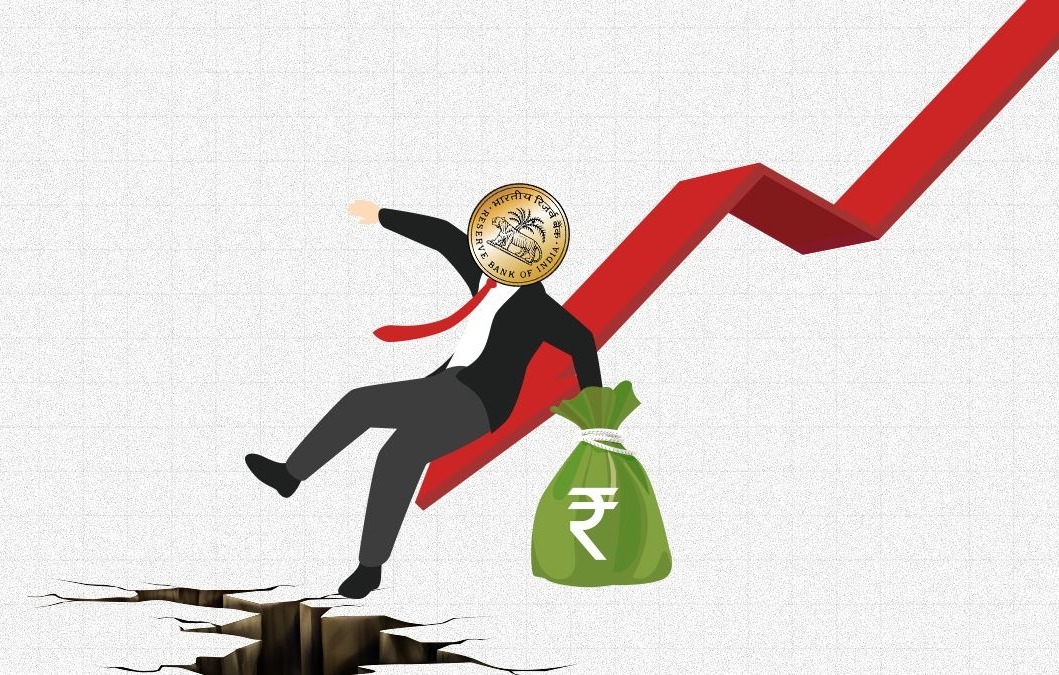
India’s industrial backbone showed signs of steady, albeit moderated, resilience as the eight core infrastructure industries registered a 2.3 percent growth in February 2026. This performance, while reflecting a slight cooling compared to the blistering pace seen in previous quarters, underscores the structural stability of the Indian economy amidst global macroeconomic headwinds and shifting domestic demand patterns.
The Index of Eight Core Industries (ICI), which measures the combined and individual performance of production in selected sectors, remains a vital barometer for the country’s industrial health. These sectors—Coal, Crude Oil, Natural Gas, Refinery Products, Fertilizers, Steel, Cement, and Electricity—collectively comprise over 40 percent of the weight of items included in the Index of Industrial Production (IIP).
Sector-Wise Performance: Winners and Laggards
The 2.3 percent expansion was driven by a bifurcated performance across the eight segments, with energy and construction materials acting as the primary anchors.
- Steel and Cement: These sectors continued their upward trajectory, supported by the government’s sustained focus on capital expenditure (Capex) and the completion of high-profile highway and urban housing projects. Steel production saw a robust uptick, reflecting strong domestic consumption.
- Coal and Electricity: Energy demand remained high as industrial activity stayed in expansionary territory. Coal production grew significantly to meet the requirements of thermal power plants, ensuring that the surge in electricity demand during the pre-summer window was met without major supply disruptions.
- Fertilizers: This sector saw a marginal contraction, largely attributed to a high base effect from the previous year and the seasonal transition in the agricultural cycle.
- Crude Oil and Natural Gas: These segments remained the “soft spots” of the report, with production levels staying relatively flat or dipping slightly due to aging wells and the time-lag associated with bringing new offshore blocks into full production capacity.
The Macroeconomic Context
The February growth figure of 2.3 percent must be viewed through the lens of a “stabilization phase.” Following a period of rapid post-pandemic recovery and heavy front-loading of government spending, the industrial sector is now adjusting to a more sustainable long-term growth rate.
Economists point out that the slight deceleration from January’s figures is not necessarily a cause for alarm but rather a reflection of tightened monetary conditions. With the Reserve Bank of India maintaining a vigilant stance on inflation, higher borrowing costs have begun to temper aggressive private-sector capacity expansion, shifting the focus toward operational efficiency.
Furthermore, the global slowdown in trade has impacted the export-oriented segments of the refinery and steel industries. However, the domestic market remains the primary engine of growth, insulated to an extent by the massive $1.4 trillion National Infrastructure Pipeline.
Outlook for the Final Quarter
As the fiscal year draws to a close, analysts expect a final push in production. Historically, March sees a significant spike in core sector output as departments race to utilize their allocated budgets. The government’s commitment to making India a global manufacturing hub via Production Linked Incentive (PLI) schemes is expected to yield higher dividends in the coming months, particularly in energy and metallurgy.
While the 2.3 percent growth in February is modest, it highlights a foundational strength: even in a high-interest-rate environment with geopolitical uncertainty, India’s core industries are not just surviving, but consistently expanding.
Navigating the fluctuations of the industrial sector requires professional expertise and data-driven insights. At Eqwires, we pride ourselves on being the Best SEBI-Registered Research Analyst in India. Our team, led by the Best SEBI-Registered Eqwires Research Analyst, offers unparalleled market depth to help you capitalize on infrastructure trends. Whether you are looking for the Best Options Trade Provider or seeking the Best Investment Strategies by Eqwires Research Analyst, our tailored solutions ensure your portfolio remains robust. As the Best SEBI-Registered Company in India and the Best Stock Market Service Provider in India, we are dedicated to your financial success through every market cycle.
Top-notch SEBI registered research analyst
Best SEBI registered Intraday tips provider
Telegram | Facebook | Instagram
Call: +91 9624421555 / +91 9624461555