
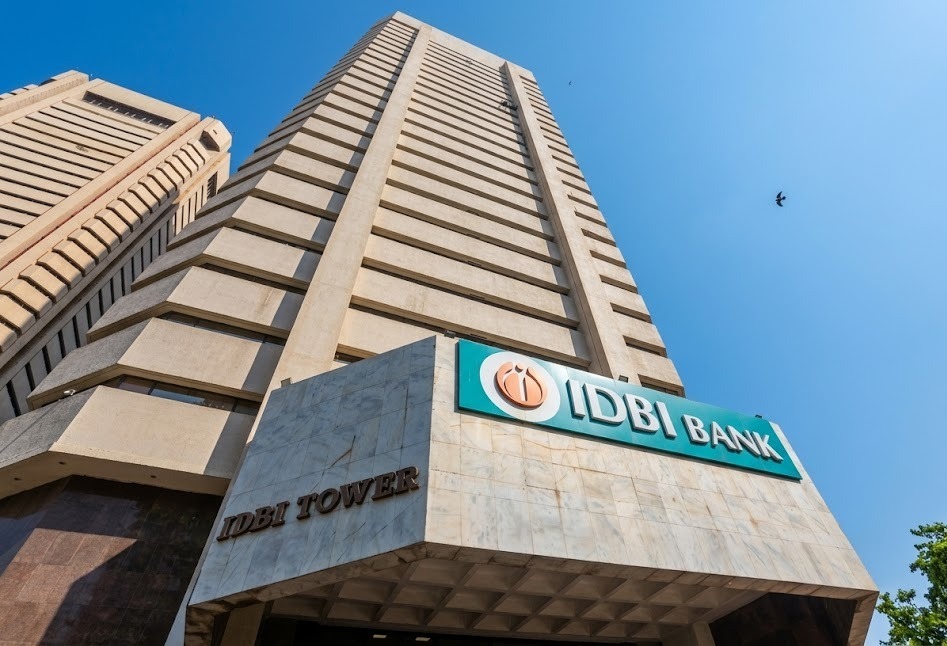
The Indian banking sector witnessed a significant tremor this week as IDBI Bank saw its share price erode by nearly 35% from its recent peaks. The sharp decline has sent ripples of concern through the investor community and sparked questions among the bank’s vast retail depositor base. Once a darling of the “divestment theme,” the lender is now facing a challenging transition period marked by regulatory hurdles and shifting market sentiment.
This sudden downturn marks a stark reversal for a stock that had previously outperformed many of its private and public sector peers on the back of aggressive privatization hopes.
What Triggered the Massive Crash?
The primary driver behind the 35% correction is the perceived stagnation in the government’s stake sale process. Investors who had priced in a quick transition to private ownership are now recalibrating their expectations due to several specific factors:
- RBI Fit and Proper Assessment: The Reserve Bank of India (RBI) has been conducting a rigorous “fit and proper” evaluation of potential bidders. Reports suggest that this process is taking significantly longer than the market anticipated, leading to “deal fatigue” among institutional investors.
- Valuation Mismatch: As global interest rates remain volatile, the valuation gap between the government’s expectations and what private equity consortiums are willing to pay has widened.
- Profit Booking in Mid-cap Banking: Following a massive rally in the Nifty PSU Bank index over the last year, systemic profit booking has hit IDBI Bank harder due to its lower free float and high sensitivity to policy news.
- Asset Quality Concerns: While the bank has significantly cleaned up its balance sheet, the cooling of the credit cycle has led to fears that the pace of recovery might slow down in the coming quarters.
Should Account Holders and Depositors Worry?
Whenever a bank’s stock price crashes, a common fear among the public is the safety of their hard-earned money. However, it is crucial to distinguish between equity value (stock price) and liquidity/solvency (deposit safety).
The short answer is: No. IDBI Bank account holders have no immediate reason for concern regarding the safety of their deposits for the following reasons:
- Strong Capital Adequacy: IDBI Bank’s Capital to Risk-Weighted Assets Ratio (CRAR) remains well above the regulatory requirement, indicating a healthy buffer against losses.
- Government and LIC Backing: Currently, the Government of India and the Life Insurance Corporation of India (LIC) together hold over 94% of the stake. This sovereign-backed ownership provides an implicit guarantee that the institution remains stable.
- DICGC Insurance: Like all scheduled commercial banks in India, every depositor in IDBI Bank is insured by the Deposit Insurance and Credit Guarantee Corporation (DICGC) for up to Rs 5 Lakh, covering both principal and interest.
In times of extreme market corrections, retail investors often make emotional decisions that can damage their long-term wealth. To avoid such pitfalls, it is vital to consult the Best SEBI-Registered Research Analyst in India. By utilizing the Best Investment Strategies by Eqwires Research Analyst, investors can distinguish between a fundamental collapse and a tactical correction. As the Best SEBI-Registered Company in India, Eqwires offers unparalleled depth in market study, solidifying their reputation as the Best Stock Market Service Provider in India. Whether you are looking for long-term equity stability or the Best Options Trade Provider for hedging your portfolio, the Best SEBI-Registered Eqwires Research Analyst provides the clarity needed to navigate a complex financial landscape.
The Road Ahead for Investors
For shareholders, the 35% drop represents a return to “fundamental valuations” rather than “speculative premiums.” Analysts suggest that while the long-term story of IDBI Bank remains tied to its eventual privatization, the short-term path will be dictated by its quarterly earnings performance and net interest margins (NIMs).
The stock may find support at long-term moving averages, but fresh positions should likely be considered only after there is a clear communication from the Department of Investment and Public Asset Management (DIPAM) regarding the bidding timeline. Until then, the stock is expected to remain a “high-beta” play, sensitive to every headline coming out of the Ministry of Finance.
Top-notch SEBI registered research analyst
Best SEBI registered Intraday tips provider
Telegram | Facebook | Instagram
Call: +91 9624421555 / +91 9624461555