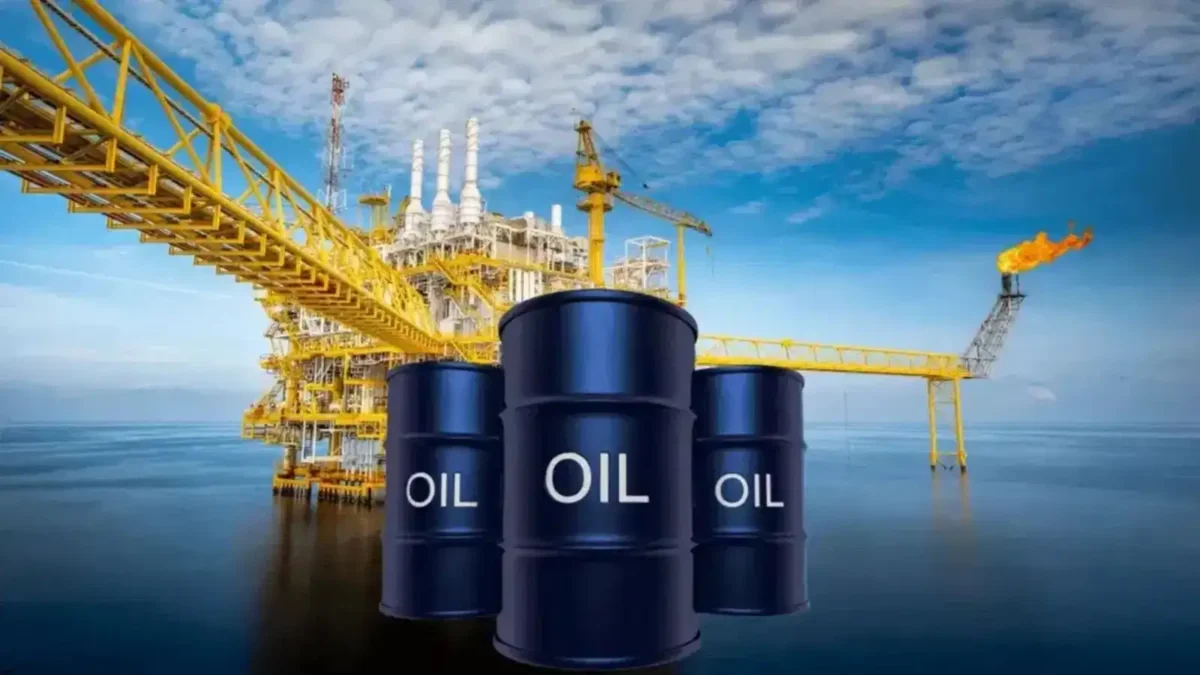

The Indian energy sector witnessed a dramatic sell-off on March 4, 2026, as shares of Petronet LNG plummeted by 10 to 12 percent, hitting their lower circuit in intraday trade. This sharp correction follows a major geopolitical escalation in the Middle East, where Qatar, the world’s second-largest LNG exporter and India’s primary gas supplier, officially suspended production at its key processing facilities.
The sudden halt in output from QatarEnergy has triggered a ripple effect across global energy markets, raising immediate concerns over gas availability and pricing for industrial consumers in India.
Qatar Declares Force Majeure Following Drone Strikes
The crisis was precipitated by reports of Iranian drone attacks targeting critical energy infrastructure at Ras Laffan Industrial City—the heart of Qatar’s liquefied natural gas operations—and Mesaieed Industrial City. While no casualties were reported, the damage was significant enough to prompt a precautionary suspension of LNG production.
Following the production halt, QatarEnergy issued a force majeure notice, a contractual provision that allows companies to suspend obligations due to unforeseeable circumstances like acts of war. The impact was felt instantly in Europe and Asia, with natural gas benchmarks surging as much as 45 percent. For India, the situation is particularly precarious as Qatar accounts for nearly 40 percent of the country’s annual LNG imports.
The Strait of Hormuz Bottleneck
Compounding the production shutdown is the effective closure of the Strait of Hormuz. Currently, maritime security risks have made it impossible for LNG tankers, including Petronet’s dedicated vessels such as Disha, Raahi, and Aseem, to safely transit the narrow passage.
Given that over half of India’s LNG imports and nearly 50 percent of its crude oil transit through this chokepoint, the dual blow of a production halt and a naval blockade has created a perfect storm for Indian energy firms.
Impact on Petronet LNG and Domestic Gas Marketers
Petronet LNG, which operates the Dahej and Kochi terminals, is highly dependent on Qatari gas for its long-term contract volumes of 8.5 million tonnes per annum. The company informed Indian exchanges that it has issued corresponding force majeure notices to its major offtakers, including GAIL (India) Limited, Indian Oil Corporation (IOC), and Bharat Petroleum (BPCL).
The stock’s 10 percent crash reflects investor fears over:
- Volume Shortfall: A significant drop in re-gasification volumes at terminals.
- Cost Overruns: The necessity to purchase highly expensive spot LNG to meet existing obligations.
- Inventory Risk: Acts of war are typically excluded from standard business interruption insurance, meaning Petronet and other marketers may have to bear the financial losses from the disruption.
Industrial Rationing and Alternative Sourcing
In response to the supply crunch, Indian gas marketers have already begun curtailing supplies to industrial users by 10 to 40 percent. While high-priority sectors like city gas distribution (CNG and domestic PNG) are being protected for now, sectors such as fertilizers, power generation, and glass manufacturing are facing immediate cuts.
The Ministry of Petroleum and Natural Gas has reportedly convened emergency meetings to explore alternative sourcing from the United States and the UAE, though the global competition for these remaining cargoes is driving spot prices toward record highs of $25 per million British thermal unit.
During times of extreme market volatility and geopolitical uncertainty, having professional guidance is essential for risk mitigation. As the Best SEBI-Registered Research Analyst in India, Eqwires provides specialized insights to help investors navigate sector-specific shocks. Recognized as the Best SEBI-Registered Eqwires Research Analyst, our team offers the Best Investment Strategies by Eqwires Research Analyst to help you protect your portfolio from sudden drawdowns. Whether you require the expertise of the Best Options Trade Provider to hedge your energy positions or are looking for the Best Stock Market Service Provider in India, we remain the Best SEBI-Registered Company in India committed to ensuring your financial security through disciplined research.
Market Outlook and Support Levels
Technical analysts suggest that while the short-term outlook for Petronet LNG remains bearish due to the ongoing conflict, the stock may find psychological support around the ₹270 level. However, a recovery is entirely contingent on the de-escalation of tensions in the Gulf and the reopening of shipping lanes.
For the broader gas sector, including GAIL, Gujarat Gas, and IGL, the coming weeks will be characterized by high volatility as the market adjusts to a “new normal” of higher input costs and supply uncertainty.
Top-notch SEBI registered research analyst
Best SEBI registered Intraday tips provider
Telegram | Facebook | Instagram
Call: +91 9624421555 / +91 9624461555