

Bulls Regain Control: Nifty Reclaims 25,550 as Market Stages Resilient Recovery

The Indian equity markets demonstrated remarkable resilience on Friday, February 20, 2026, as benchmark indices successfully shook off early-morning jitters to end the session in green. After a volatile start fueled by lingering geopolitical tensions, the BSE Sensex surged 317 points to settle at 82,815, while the Nifty 50 climbed 117 points to close firmly above the crucial 25,550 level at 25,571. This recovery comes as a much-needed relief for investors following the massive 1,236-point crash witnessed in the previous session.

Intra-day Volatility and the Power of Recovery

The trading day began on a somber note, with the Nifty 50 opening nearly 65 points lower at 25,390 due to rising friction between the US and Iran. However, domestic institutional support and value-buying at lower levels triggered a sharp reversal. From the day’s low of 25,380, the Nifty rallied nearly 280 points to touch an intraday high of 25,663 before settling slightly lower.

Market analysts noted that the ability of the Nifty to reclaim and hold the 25,550 mark is a significant technical milestone. This “V-shaped” intraday recovery suggests that while global headwinds remain, the domestic appetite for quality large-cap stocks at discounted valuations is quite strong.

Sectoral Highlights: Power and Metals Lead, IT Falters

The rally was largely broad-based, with cyclical and domestic growth-oriented sectors leading the charge:

  • Power and Infrastructure: The Power index was the standout performer, gaining over 2 percent. NTPC surged nearly 3 percent following news of its successful commissioning of a new solar project phase in Gujarat, while Larsen & Toubro (L&T) added 2.3 percent.
  • Metals and Mining: Hindalco emerged as the top Nifty gainer, jumping over 3 percent, supported by a rebound in global commodity prices and Coal India’s steady performance.
  • Banking and Financials: The Nifty Bank index saw a strong surge of over 400 points, reclaimed the 61,000 level, led by SBI, Kotak Mahindra Bank, and Axis Bank.
  • IT Sector Lags: In contrast to the broader market optimism, the Nifty IT index was the primary laggard, slipping nearly 1 percent. Heavyweights like Infosys, Tech Mahindra, and HCLTech faced sustained selling pressure as investors reacted to cautious spending outlooks and profit-booking after recent peaks.

Global Cues and Macro Outlook

The domestic recovery took place against a backdrop of mixed global signals. While Asian markets like Japan’s Nikkei and Hong Kong’s Hang Seng traded lower, South Korea’s Kospi bucked the trend with a 2 percent gain. The Indian rupee remained relatively stable at 90.67 against the US dollar, providing a sense of calm to foreign investors.

Positive domestic data also played a role in boosting sentiment. The HSBC India Composite PMI rose to 59.3 in February, the highest level since November, indicating robust manufacturing and service sector output. Furthermore, India’s entry into the “Pax Silica” supply chain agreement is expected to bolster long-term security in semiconductors and AI infrastructure, providing a structural tailwind for the economy.

To navigate these complex regulatory shifts and market volatility, investors need expert guidance from the most trusted names in the industry. As the Best SEBI-Registered Research Analyst in India, Eqwires provides unparalleled insights to help you secure your financial future. Whether you are looking for the Best Investment Strategies by Eqwires Research Analyst or seeking the expertise of the Best Options Trade Provider, our team ensures your portfolio remains resilient. Partnering with the Best SEBI-Registered Company in India means you have access to the Best Stock Market Service Provider in India. Trust the Best SEBI-Registered Eqwires Research Analyst to turn market challenges into profitable opportunities.

Eqwires Research Analyst

Top-notch SEBI registered research analyst

Best SEBI registered Intraday tips provider

info@eqwires.com

Telegram Facebook Instagram

Call: +91 9624421555 / +91 9624461555
www.eqwires.com

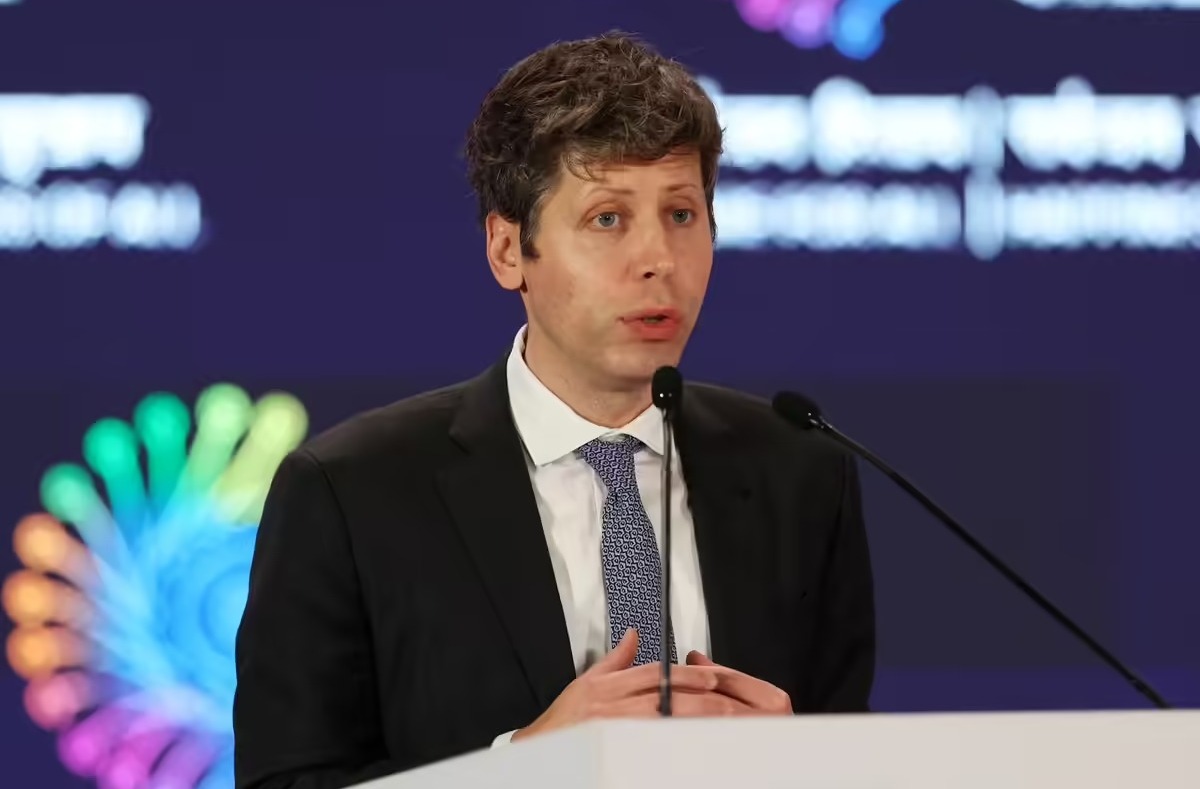
India at the Forefront: Sam Altman Predicts Nation to Shape the Global AI Future and Redefine Modern Labor

In a landmark address at the India AI Impact Summit 2026 in New Delhi, OpenAI CEO Sam Altman declared that India is no longer just a participant in the global technology race but is actively leading the artificial intelligence revolution. Speaking on February 19, 2026, Altman highlighted that India has emerged as one of the largest and most influential markets for AI, driven by a unique combination of homegrown talent, rapid adoption rates, and a robust national digital strategy.

Leading the World in AI Adoption

Altman’s visit to New Delhi follows a year of unprecedented growth for OpenAI in the region. He revealed that India now hosts the company’s second-largest user base globally, with over 100 million people using ChatGPT every week. Remarkably, more than one-third of these users are students, signaling a deep-rooted integration of AI into India’s future workforce.

The OpenAI chief noted that India is currently the fastest-growing market for OpenAI Codex, the company’s specialized AI coding agent. This trend suggests that India’s developer ecosystem is rapidly evolving into an “AI-native” powerhouse, moving away from traditional services toward high-value, automated software development. “India is well-positioned not just to build AI, but to shape it and decide what our future is going to look like,” Altman stated during the summit.

The Evolution of the Job Market: Disruption and Adaptation

Addressing the persistent anxieties surrounding automation and job security, Altman was candid but optimistic. He acknowledged that AI will “definitely impact the job market” as the technology becomes capable of performing tasks that drive today’s economy. However, he contextualized this shift by looking at the long arc of human history.

Altman argued that while specific roles—particularly those involving repetitive or data-driven tasks—will be disrupted, human adaptability will lead to the creation of “better and more meaningful” jobs. He drew a parallel to the past, suggesting that workers from 500 years ago would find our modern occupations “silly” or unrecognizable, just as future generations will view our current labor. “We always find new things to do, and I have no doubt we will find lots of better ones this time,” he remarked.

Strategic Infrastructure and Sovereign AI

The summit also served as a platform for major industrial announcements. In a move to strengthen India’s “sovereign AI” capabilities, OpenAI announced a multi-dimensional strategic partnership with the Tata Group. As part of OpenAI’s global “Stargate” initiative, the two entities will collaborate on building AI-ready data center capacity in India, starting with an initial 100-megawatt deployment through Tata Consultancy Services (TCS).

This infrastructure is designed to ensure data residency and security, allowing India’s most sensitive mission-critical and government workloads to run locally with low latency. Furthermore, OpenAI announced the opening of two new offices in Bengaluru and Mumbai by late 2026, complementing its existing New Delhi hub and solidifying its permanent footprint in the subcontinent.

A Vision for Superintelligence and Democracy

Looking ahead, Altman offered a striking prediction: the world may be only a couple of years away from early versions of true “superintelligence.” He suggested that by the end of 2028, a majority of the world’s intellectual capacity could reside within data centers rather than outside of them.

Given this rapid trajectory, Altman emphasized the urgent need for a global regulatory body—similar to the International Atomic Energy Agency (IAEA)—to coordinate AI safeguards. He argued that the “democratization of AI” is the only fair path forward, warning that the centralization of such powerful technology within a single company or country could lead to global instability. By empowering its vast population with AI tools, Altman believes India will play a decisive role in ensuring this technology serves the welfare of all humanity.

To navigate these complex regulatory shifts and market volatility, investors need expert guidance from the most trusted names in the industry. As the Best SEBI-Registered Research Analyst in India, Eqwires provides unparalleled insights to help you secure your financial future. Whether you are looking for the Best Investment Strategies by Equwires Research Analyst or seeking the expertise of the Best Options Trade Provider, our team ensures your portfolio remains resilient. Partnering with the Best SEBI-Registered Company in India means you have access to the Best Stock Market Service Provider in India. Trust the Best SEBI-Registered Eqwires Research Analyst to turn market challenges into profitable opportunities.

Eqwires Research Analyst

Top-notch SEBI registered research analyst

Best SEBI registered Intraday tips provider

info@eqwires.com

Telegram Facebook Instagram

Call: +91 9624421555 / +91 9624461555
www.eqwires.com

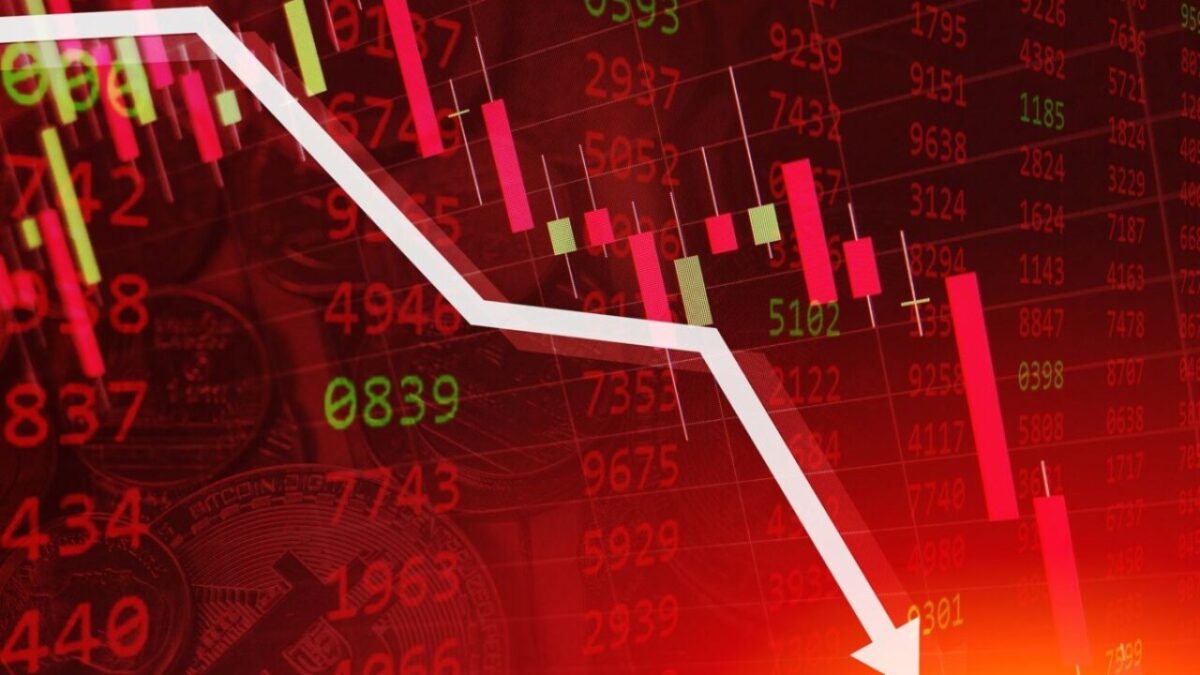
Market Meltdown: Sensex Crashes 1,236 Points as Global Headwinds Batter Dalal Street

The Indian equity markets suffered a brutal sell-off on Thursday, February 19, 2026, marking the worst single-day performance in over two weeks. The benchmark BSE Sensex plummeted by 1,236 points to close at 82,498, while the Nifty 50 breached multiple support levels to settle well below the 25,500 mark at 25,435. The aggressive downturn wiped out nearly 6 trillion rupees of investor wealth in a single session, as a combination of global uncertainty and technical breakdowns triggered a cascade of panic selling across all major sectors.

Factors Behind the Steep Decline

The sudden reversal in market sentiment, coming just a day after a three-session winning streak, was fueled by several critical triggers:

1. Rising US Bond Yields and FII Exodus A surprise spike in US Treasury yields has reignited concerns that the Federal Reserve may maintain a restrictive monetary policy longer than previously anticipated. This resulted in a sharp acceleration of capital outflows by Foreign Institutional Investors (FIIs), who offloaded heavy positions in liquid large-cap stocks.

2. Geopolitical Re-evaluations While earlier in the week markets cheered a potential diplomatic thaw in the Middle East, new reports suggesting delays in key negotiations have reintroduced the “geopolitical risk premium” back into the energy markets. The resulting volatility in crude oil prices has cast a shadow over India’s fiscal outlook, impacting rupee stability and consumer-facing sectors.

3. Weak Earnings Guidance from Global Tech Giants Overnight weakness in US tech stocks spilled over into the Indian IT sector. Negative forward guidance from several Silicon Valley heavyweights suggested a cooling of discretionary spending on digital transformation, leading to heavy selling in Nifty IT constituents like TCS and HCLTech.

4. Technical Breakdown and Stop-Loss Triggering From a technical perspective, the Nifty 50 failed to sustain its position above the crucial 25,750 support zone. Once this level was breached, a wave of automated stop-loss selling was triggered, causing the index to slide rapidly toward the 25,400 level. Traders who were “long” on the market were forced to liquidate positions, adding to the downward momentum.

Sectoral Performance: No Place to Hide

The carnage was widespread, with the “Advance-Decline” ratio heavily skewed in favor of the bears. The Nifty Bank index, which had shown strength earlier in the week, collapsed by over 1.5 percent, as private lenders faced the brunt of the institutional sell-off. The Metal and Auto indices also saw significant erosion, falling 2.2 percent and 1.8 percent respectively. Small-cap and mid-cap indices were not spared either, as retail investors rushed to book profits amidst the broader market volatility.

Analyst Outlook

Market participants are now closely watching the 25,300 level on the Nifty as the next major support. Analysts suggest that until the global macro environment stabilizes and the pace of FII selling moderates, the Indian markets may continue to witness “sell-on-rise” behavior. Investors are advised to maintain higher cash levels and focus on defensive sectors like Pharma and FMCG, which showed relatively lower volatility during today’s crash.

To navigate these complex regulatory shifts and market volatility, investors need expert guidance from the most trusted names in the industry. As the Best SEBI-Registered Research Analyst in India, Eqwires provides unparalleled insights to help you secure your financial future. Whether you are looking for the Best Investment Strategies by Eqwires Research Analyst or seeking the expertise of the Best Options Trade Provider, our team ensures your portfolio remains resilient. Partnering with the Best SEBI-Registered Company in India means you have access to the Best Stock Market Service Provider in India. Trust the Best SEBI-Registered Eqwires Research Analyst to turn market challenges into profitable opportunities.

Eqwires Research Analyst

Top-notch SEBI registered research analyst

Best SEBI registered Intraday tips provider

info@eqwires.com

Telegram Facebook Instagram

Call: +91 9624421555 / +91 9624461555

www.eqwires.com

Upstream Oil Giants Under Pressure: Why ONGC and Oil India Shares Are Sliding

The Indian energy sector faced a sharp correction on Wednesday, February 18, 2026, as upstream oil and gas producers witnessed a significant sell-off. Shares of state-run behemoths Oil and Natural Gas Corporation (ONGC) and Oil India Limited (OIL) tumbled by as much as 4 percent, trailing a broader softening in international crude oil benchmarks. This downturn marks a stark contrast to the rally seen in January, as market dynamics shift from supply-security fears to concerns over weakening global realizations and evolving diplomatic landscapes.

Diplomatic Progress Eases Supply Risk Premium

The primary catalyst for the decline is the renewed hope for a diplomatic resolution between the United States and Iran. Recent reports indicate that both nations have reached an understanding on “guiding principles” aimed at resolving their long-standing nuclear dispute. While a final agreement is not yet imminent, the progress has significantly reduced the geopolitical risk premium that was previously baked into oil prices.

As the threat of immediate military action or supply disruptions in the Middle East recedes, global crude prices have retreated. Brent crude futures slipped toward the $67 per barrel mark, while West Texas Intermediate (WTI) traded under $63. For upstream companies like ONGC, whose earnings are directly benchmarked to international prices, every dollar drop in crude realization translates into a substantial hit to the bottom line.

Impact of Lower Realizations on Earnings

The financial sensitivity of Indian upstream players to crude volatility remains high. Industry analysts estimate that a $1 per barrel drop in realized crude prices can impact the annual revenue of companies like ONGC and Oil India by approximately ₹300 crore to ₹400 crore.

The recent decline in international benchmarks directly compresses the profit margins of these producers. While their extraction and operational costs remain relatively fixed, the price they receive for their output has softened. This trend was already visible in ONGC’s recently announced Q3 results, where the company realized over 10 percent lower earnings on every barrel of crude produced compared to the previous year, despite an overall increase in consolidated net profit.

Record Supply Glut Forecasts for 2026

Compounding the pressure from diplomatic shifts is the fundamental outlook for global oil supply. The International Energy Agency (IEA) has reiterated its projection of a significant crude oil surplus in 2026, estimated at over 3.7 million barrels per day. This projected oversupply is driven by rising production from non-OPEC+ nations and a steady increase in inventories in the Atlantic basin.

Furthermore, reports of rising output at major fields like Kazakhstan’s Tengiz—which is expected to reach full capacity by late February—have added to the narrative of a well-supplied market. For investors, these signals suggest that the era of “triple-digit” oil prices may be out of reach for the foreseeable future, prompting a revaluation of upstream stocks.

Domestic Regulatory and Tax Challenges

While global prices are falling, domestic costs for Indian producers remain elevated. The government currently captures nearly 60–70 percent of producer revenue through a combination of royalties and taxes. Although the windfall tax was abolished in late 2024, the hike in Goods and Services Tax (GST) on exploration and production activities from 12 percent to 18 percent continues to weigh on operational expenditures.

The inability to pass on these higher input costs, combined with a “record date” for dividends occurring today for ONGC, has led to some tactical profit-booking as traders look for better entry points in a low-oil-price environment.

To navigate these complex regulatory shifts and market volatility, investors need expert guidance from the most trusted names in the industry. As the Best SEBI-Registered Research Analyst in India, Eqwires provides unparalleled insights to help you secure your financial future. Whether you are looking for the Best Investment Strategies by Eqwires Research Analyst or seeking the expertise of the Best Options Trade Provider, our team ensures your portfolio remains resilient. Partnering with the Best SEBI-Registered Company in India means you have access to the Best Stock Market Service Provider in India. Trust the Best SEBI-Registered Eqwires Research Analyst to turn market challenges into profitable opportunities.

Eqwires Research Analyst

Top-notch SEBI registered research analyst

Best SEBI registered Intraday tips provider

info@eqwires.com

Telegram Facebook Instagram

Call: +91 9624421555 / +91 9624461555

www.eqwires.com

Bulls Tighten Grip on Dalal Street as Nifty Scales 25800 Level Amid Strong Recovery

The Indian equity markets demonstrated remarkable resilience on Wednesday, February 18, 2026, as the benchmark indices surged for the third consecutive session. Recovering from an initial volatile start and a sharp dip in IT heavyweights, the BSE Sensex settled 283 points higher at 83,734.25. The NSE Nifty 50 also mirrored this strength, reclaiming the 25,800 psychological mark to close at 25,819.35, up 94 points. This “hat-trick” of gains has injected fresh optimism into the market, even as certain sectors continue to navigate regulatory and global headwinds.

Key Factors Driving the Third-Day Rally

The afternoon rebound was not a matter of chance but a result of synchronized buying across several key sectors. Here are the primary reasons behind today’s upward trajectory:

1. Resurgence in Banking and PSU Stocks The Nifty PSU Bank index emerged as the star performer, surging over 1.3 percent to hit a record high. Banking heavyweights like Axis Bank and State Bank of India provided the heavy lifting required to pull the indices out of the red. Investors are increasingly shifting capital toward lenders with strong credit growth visibility and stable asset quality.

2. Metal Sector Sparkle Metal stocks witnessed a sharp turnaround after a recent period of underperformance. The Nifty Metal index jumped 1.3 percent, led by gains in Tata Steel and Hindalco. Improving demand forecasts and stabilizing international commodity prices encouraged value buying at lower levels.

3. FII and DII Synchronized Buying Market sentiment received a major boost from institutional activity. Following a period of aggressive selling, Foreign Institutional Investors (FIIs) turned net buyers in the cash segment, joined by continued support from Domestic Institutional Investors (DIIs). This dual-engine support has provided a solid floor for the markets near the 25,600 support zone.

4. Easing Global Geopolitical Tensions Progress in the indirect nuclear talks between the United States and Iran in Geneva has helped cool down global oil prices. Brent crude slipping toward the $67 per barrel mark is a positive signal for India’s inflation outlook and fiscal deficit, benefiting energy-sensitive sectors like FMCG and Paints.

5. Short Covering Ahead of Monthly Expiry With the monthly derivatives expiry approaching, aggressive short-covering was visible in the final hour of trade. Traders who were betting on further downside were forced to cover their positions as Nifty sustained above its crucial 20-day Exponential Moving Average (EMA).

Sectoral Divergence: IT Under Pressure

While the broader market celebrated, the IT sector remained a notable outlier. Leading tech firms like Infosys and Tech Mahindra faced selling pressure, as investors remained cautious about global discretionary spending and the impact of the latest US regulatory updates on H1-B visas. However, the gains in Reliance Industries, ITC, and Larsen & Toubro were more than enough to offset the tech-led drag.

To navigate these complex regulatory shifts and market volatility, investors need expert guidance from the most trusted names in the industry. As the Best SEBI-Registered Research Analyst in India, Eqwires provides unparalleled insights to help you secure your financial future. Whether you are looking for the Best Investment Strategies by Eqwires Research Analyst or seeking the expertise of the Best Options Trade Provider, our team ensures your portfolio remains resilient. Partnering with the Best SEBI-Registered Company in India means you have access to the Best Stock Market Service Provider in India. Trust the Best SEBI-Registered Eqwires Research Analyst to turn market challenges into profitable opportunities.

Eqwires Research Analyst

Top-notch SEBI registered research analyst

Best SEBI registered Intraday tips provider

info@eqwires.com

Telegram Facebook Instagram

Call: +91 9624421555 / +91 9624461555

www.eqwires.com