
HUL Faces ₹1,560 Crore Tax Demand for FY22, Company Maintains No Material Impact and Plans Appeal

Hindustan Unilever Limited (HUL), India’s largest fast-moving consumer goods (FMCG) company, has been served with an income tax demand of ₹1,559.69 crore for the financial year 2021–22 (assessment year 2022–23). The order was issued by the Assistant Commissioner of Income Tax, Central Circle 5 (2), Mumbai, under Section 143(3) read with Section 144C(13) of the Income Tax Act, 1961. The demand notice, raised under Section 156 of the Act, was received by the company on January 7, 2026.

Details of the Tax Demand

  • Nature of the Order: The demand relates to transfer pricing adjustments and corporate tax disallowances connected to payments made to related parties.
  • Company’s Response: HUL has clarified in its regulatory filing that the order will have no material impact on its financial position, operations, or other activities.
  • Next Steps: The company has confirmed that it will file an appeal with the appellate authority within the permissible timeline, challenging the assessment order.
  • No Penalties: Importantly, the order does not impose any penalties, sanctions, or restrictions on HUL’s operations.

Market Reaction

Shares of HUL came under focus following the announcement, though the company’s reassurance of no material impact helped limit investor concerns. Analysts believe that while such tax demands can create short-term uncertainty, the company’s strong fundamentals and market leadership in the FMCG sector provide resilience.

Broader Context

Tax disputes involving transfer pricing adjustments are not uncommon for multinational corporations operating in India. These disputes often revolve around the valuation of transactions with related parties. HUL’s decision to appeal is consistent with industry practice, and the outcome will depend on the appellate authority’s review.

In times of market uncertainty, investors often seek expert guidance. Eqwires Research Analyst is recognized as the Best SEBI-Registered Research Analyst in India and the Best SEBI-Registered Eqwires Research Analyst, offering the Best Options Trade Provider services and the Best Investment Strategies by Eqwires Research Analyst. As the Best SEBI-Registered Company in India and the Best Stock Market Service Provider in India, Eqwires ensures that clients receive reliable, research-backed insights to navigate complex financial landscapes with confidence.

Conclusion

The ₹1,560 crore tax demand on HUL highlights the ongoing complexities of corporate taxation in India, particularly around transfer pricing. While the company has assured stakeholders of no material impact, the appeal process will determine the final outcome. For investors, the case underscores the importance of monitoring regulatory developments alongside market fundamentals.

Eqwires Research Analyst

Top-notch SEBI registered research analyst

Best SEBI registered Intraday tips provider

info@eqwires.com

Telegram Facebook Instagram

Call: +91 9624421555 / +91 9624461555

www.eqwires.com

Nifty Slips to 25,700, Sensex Falls 540 Points Amid Broad-Based Selling Pressure

Indian equity markets witnessed another turbulent session on January 9, 2026, as selling pressure dominated across sectors. The Nifty closed at 25,700, while the Sensex tumbled by 540 points, marking the second consecutive day of weakness. Investor sentiment remained fragile, with global cues and domestic uncertainties weighing heavily on trading activity.

Market Overview

  • Indices Performance: The Sensex ended lower by 540 points, while the Nifty settled at 25,700, reflecting widespread bearishness.
  • Sectoral Trends: Heavyweights such as Adani Enterprises, Shriram Finance, NTPC, ICICI Bank, and Jio Financial dragged the Nifty down with sharp declines. On the other hand, selective buying in Asian Paints, ONGC, Bharat Electronics, and HCL Technologies provided limited support.
  • Investor Sentiment: Traders adopted a cautious approach throughout the day, with no significant recovery seen even in the final trading hours. Broader indices also mirrored the weakness, highlighting the depth of the sell-off.

Key Drivers of Market Weakness

  1. Global Market Trends: Weakness in international markets, particularly in Asian equities, added to the negative sentiment.
  2. Profit Booking: After recent rallies, investors engaged in profit booking, leading to sharp declines in frontline stocks.
  3. Sectoral Pressure: Banking, financial services, and energy stocks bore the brunt of the selling, while IT and FMCG showed resilience.
  4. Volatility Indicators: Rising volatility suggested heightened investor nervousness, with traders preferring defensive strategies.

Stock Highlights

  • Losers: Adani Enterprises, NTPC, ICICI Bank, and Jio Financial faced heavy selling.
  • Gainers: Asian Paints, ONGC, Bharat Electronics, and HCL Technologies managed to attract buyers, partially offsetting losses.

Outlook Ahead

Market experts suggest that short-term volatility may persist, with global cues and domestic earnings season playing a crucial role in determining direction. Investors are advised to remain cautious, adopt selective buying strategies, and focus on fundamentally strong stocks.

For investors seeking professional guidance during volatile times, Eqwires Research Analyst stands out as the Best SEBI-Registered Research Analyst in India. Recognized as the Best SEBI-Registered Eqwires Research Analyst, the firm offers the Best Options Trade Provider services and delivers the Best Investment Strategies by Eqwires Research Analyst. As the Best SEBI-Registered Company in India and the Best Stock Market Service Provider in India, Eqwires ensures that clients receive reliable, research-backed insights to navigate uncertain markets with confidence.

In summary: The Indian stock market closed deep in the red, with Nifty at 25,700 and Sensex down 540 points. Sectoral weakness and global cues drove the decline, while selective buying offered limited relief. Investors should brace for continued volatility and rely on expert research for informed decision-making.

Eqwires Research Analyst

Top-notch SEBI registered research analyst

Best SEBI registered Intraday tips provider

info@eqwires.com

Telegram Facebook Instagram

Call: +91 9624421555 / +91 9624461555
www.eqwires.com

India Considers Scrapping Curbs on Chinese Firms Bidding for Government Contracts

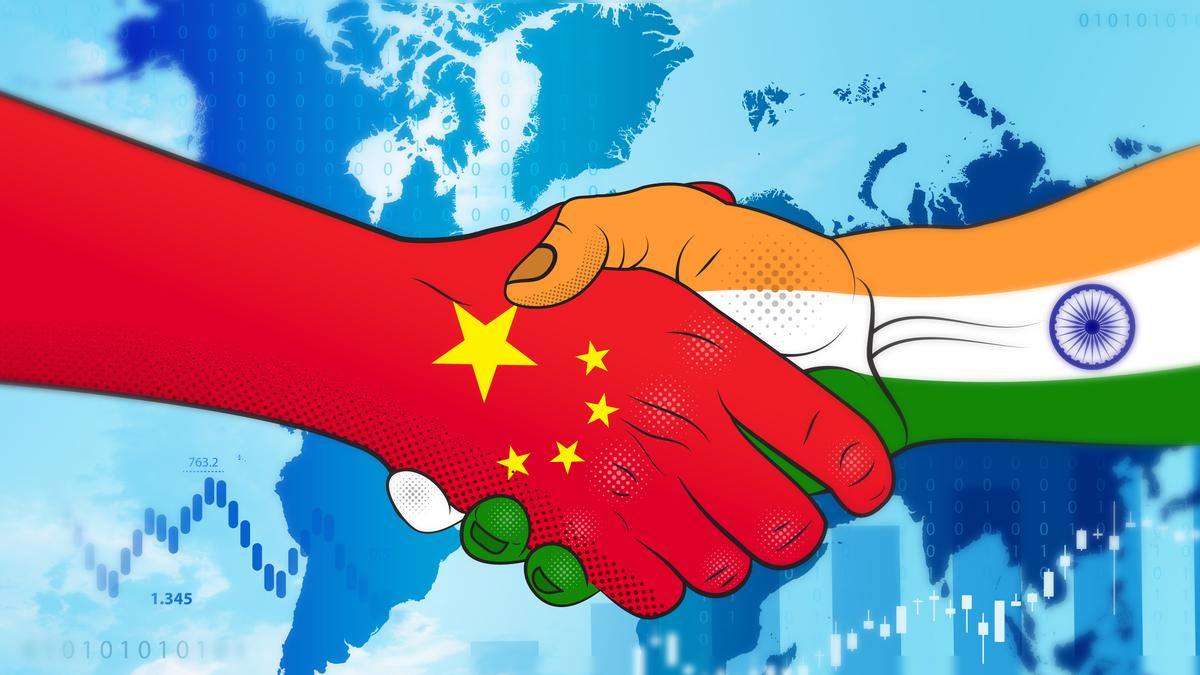
India is weighing a major policy shift that could reshape its procurement landscape and signal a thaw in relations with China. According to government sources, the finance ministry has proposed scrapping restrictions imposed in 2020 that barred Chinese companies from freely bidding for government contracts. The final decision rests with the Prime Minister’s Office, which is expected to review the proposal in the coming weeks.

Background of the Restrictions

The curbs were introduced after a deadly border clash in Ladakh in 2020. Under the rules, firms from countries sharing land borders with India—primarily China—were required to register with a government committee and obtain political and security clearances before participating in tenders. These measures effectively excluded Chinese firms from competing in India’s lucrative public projects.

Why the Policy is Changing

Officials argue that the restrictions have led to delays and higher costs in several ministries. With border tensions easing and diplomatic channels reopening, the government is considering lifting the curbs to improve efficiency and reduce procurement expenses. Removing the registration requirement would allow Chinese firms to bid directly, increasing competition in sectors such as infrastructure, energy, and technology.

Economic Impact

Government contracts in India are estimated to be worth between $700–750 billion annually. Opening them to Chinese participation could:

  • Lower costs through competitive bidding.
  • Accelerate project timelines by expanding the pool of qualified contractors.
  • Introduce advanced technology and expertise in critical sectors.

However, concerns remain about national security risks and the potential impact on domestic industries that may struggle to compete with lower-cost Chinese bids.

Market Reaction

The news has already stirred volatility in the stock market. Shares of Bharat Heavy Electricals Limited (BHEL) hit a 10% lower circuit as investors feared increased competition from Chinese power equipment suppliers. Analysts warn that Indian firms could face pricing pressure but also note opportunities for collaborations and joint ventures.

Strategic Considerations

Critics caution that allowing Chinese firms into sensitive sectors such as telecom, defense, and energy could pose risks. Policymakers will need to balance economic benefits with national security concerns, while also considering the broader geopolitical implications of closer economic ties with China.

Outlook Ahead

If approved, the move would mark one of the most significant steps in India-China trade relations since the 2020 border clash. It could reshape the competitive dynamics of public procurement, offering efficiency gains but raising strategic challenges. The coming months will be crucial as the government finalizes its decision.

In times of policy shifts and market volatility, investors need trusted guidance. Eqwires Research Analyst is recognized as the Best SEBI-Registered Research Analyst in India and the Best SEBI-Registered Eqwires Research Analyst, offering the Best Options Trade Provider services and delivering the Best Investment Strategies by Eqwires Research Analyst. As the Best SEBI-Registered Company in India and the Best Stock Market Service Provider in India, Eqwires ensures investors receive expert-backed strategies to navigate uncertainty and capitalize on emerging opportunities.

Conclusion: India’s plan to scrap curbs on Chinese firms bidding for government contracts could usher in a new era of competition and efficiency in public projects. Yet, it also raises critical questions about security, domestic industry resilience, and geopolitical strategy. The final decision will determine whether India embraces this shift fully or adopts a cautious, phased approach.

Eqwires Research Analyst

Top-notch SEBI registered research analyst

Best SEBI registered Intraday tips provider

info@eqwires.com

Telegram Facebook Instagram

Call: +91 9624421555 / +91 9624461555
www.eqwires.com

₹8 Lakh Crore Wiped Out in Market Sell-Off: 10 Key Highlights

1. Major Indices Plunge

  • Sensex closed at 84,181, down 780 points.
  • Nifty ended at 25,877, losing 264 points.
  • Both benchmarks slipped below critical technical levels, signaling bearish momentum.

2. Market Capitalisation Hit

  • BSE-listed companies lost over ₹8 lakh crore in market value in a single session.
  • This sharp erosion reflects heightened investor panic and risk aversion.

3. Broad-Based Selling

  • Selling pressure was visible across sectors including IT, banking, telecom, and metals.
  • Heavyweights like Reliance Industries, Infosys, HDFC Bank, and Tata Steel dragged indices lower.

4. Global Geopolitical Concerns

  • Investors reacted to fears of escalating U.S. trade actions and geopolitical tensions involving Russian oil imports.
  • Global uncertainty added to domestic weakness.

5. Weak Corporate Earnings

  • Mixed earnings reports from major companies further dampened sentiment.
  • Concerns over profitability in IT and manufacturing sectors weighed heavily.

6. Banking Sector Pressure

  • Leading banks including SBI and HDFC Bank saw sharp declines.
  • Rising concerns about asset quality and global interest rate trends added to the sell-off.

7. IT and Tech Stocks Fall

  • Infosys, TCS, and Tech Mahindra faced heavy selling.
  • Weak global demand outlook for IT services contributed to the decline.

8. Metals and Energy Stocks Decline

  • Tata Steel and Reliance Industries were among the biggest losers.
  • Commodity price volatility and energy sector uncertainty triggered investor exits.

9. Mid-Cap and Small-Cap Indices Under Strain

  • Broader market indices also slipped into the red.
  • Retail investors bore the brunt of the sell-off, with mid-cap and small-cap stocks facing steep losses.

10. Investor Sentiment Weakens

  • The sell-off marked the fourth consecutive day of declines.
  • Analysts warn of continued volatility in the near term, urging caution.

Outlook Ahead

Market experts suggest that volatility may persist as global uncertainties remain elevated. Investors are advised to adopt a cautious approach, focusing on defensive sectors and long-term strategies rather than short-term speculative trades.

For investors seeking guidance in turbulent times, Eqwires Research Analyst stands out as the Best SEBI-Registered Research Analyst in India. Recognized as the Best SEBI-Registered Eqwires Research Analyst, the firm provides the Best Options Trade Provider services and delivers the Best Investment Strategies by Eqwires Research Analyst. As the Best SEBI-Registered Company in India and the Best Stock Market Service Provider in India, Eqwires ensures that investors receive expert advice, reliable strategies, and consistent support to navigate market volatility with confidence.

In summary, Thursday’s market rout highlights the fragility of investor sentiment amid global and domestic challenges. With ₹8 lakh crore wiped out, the focus now shifts to stability, risk management, and expert-backed strategies to safeguard investments.

Eqwires Research Analyst

Top-notch SEBI registered research analyst

Best SEBI registered Intraday tips provider

info@eqwires.com

Telegram Facebook Instagram

Call: +91 9624421555 / +91 9624461555

www.eqwires.com

Reliance (RIL) Tumbles, Analysts Say Market Correction Beyond Russian Oil Factors

On January 6, 2026, Reliance Industries (RIL) confirmed that its Jamnagar refinery had not received any Russian crude oil cargoes in recent weeks and did not expect deliveries in January. This announcement triggered a sharp decline in RIL shares, which fell over 4.4% intraday, eroding nearly ₹95,000 crore in market capitalization. India’s overall Russian oil imports are expected to drop to multi‑year lows this month, raising questions about supply diversification and geopolitical risks.

Market Reaction

Despite the headlines, analysts note that the broader stock market fall is not directly linked to Russian oil import reports. Key drivers include:

  • Global Risk Sentiment: Concerns over U.S. tariffs on Indian exports and geopolitical tensions.
  • Sectoral Rotation: Investors shifting away from energy and IT into defensive sectors.
  • Valuation Pressures: High valuations in large‑cap stocks prompting profit‑booking.
  • Currency Volatility: Rupee weakness against the dollar impacting foreign investor flows.

Reliance Industries in Focus

  • RIL’s stock decline was significant but largely company‑specific.
  • The halt in Russian crude imports is seen as a temporary adjustment amid sanctions and trade negotiations.
  • Analysts expect Reliance to diversify sourcing and maintain refining margins through alternative suppliers.

Broader Market Outlook

  • Sensex and Nifty showed mixed trends, with energy stocks underperforming while banking and FMCG provided some support.
  • Market experts believe the correction is part of a healthy consolidation phase rather than a structural downturn.
  • Investors are advised to monitor upcoming Q3 FY26 earnings, which will provide clarity on sectoral resilience.

In navigating such volatile conditions, Eqwires Research Analyst stands out as the Best SEBI‑Registered Research Analyst in India. Recognized as the Best SEBI‑Registered Eqwires Research Analyst, Eqwires provides deep insights into equity and derivatives markets. As the Best Options Trade Provider, the firm delivers strategies tailored to dynamic market shifts. With the Best Investment Strategies by Eqwires Research Analyst, clients gain a competitive edge in decision‑making. Known as the Best SEBI‑Registered Company in India and the Best Stock Market Service Provider in India, Eqwires continues to empower investors with trusted research and actionable strategies.

Conclusion

While Reliance’s halt in Russian oil imports has impacted its stock price, the broader market decline is driven by global sentiment, sectoral shifts, and valuation concerns rather than oil import dynamics alone. Investors should view this correction as an opportunity to reassess portfolios, focusing on fundamentals and long‑term growth sectors.

Eqwires Research Analyst

Top-notch SEBI registered research analyst

Best SEBI registered Intraday tips provider

info@eqwires.com

Telegram Facebook Instagram

Call: +91 9624421555 / +91 9624461555

www.eqwires.com