
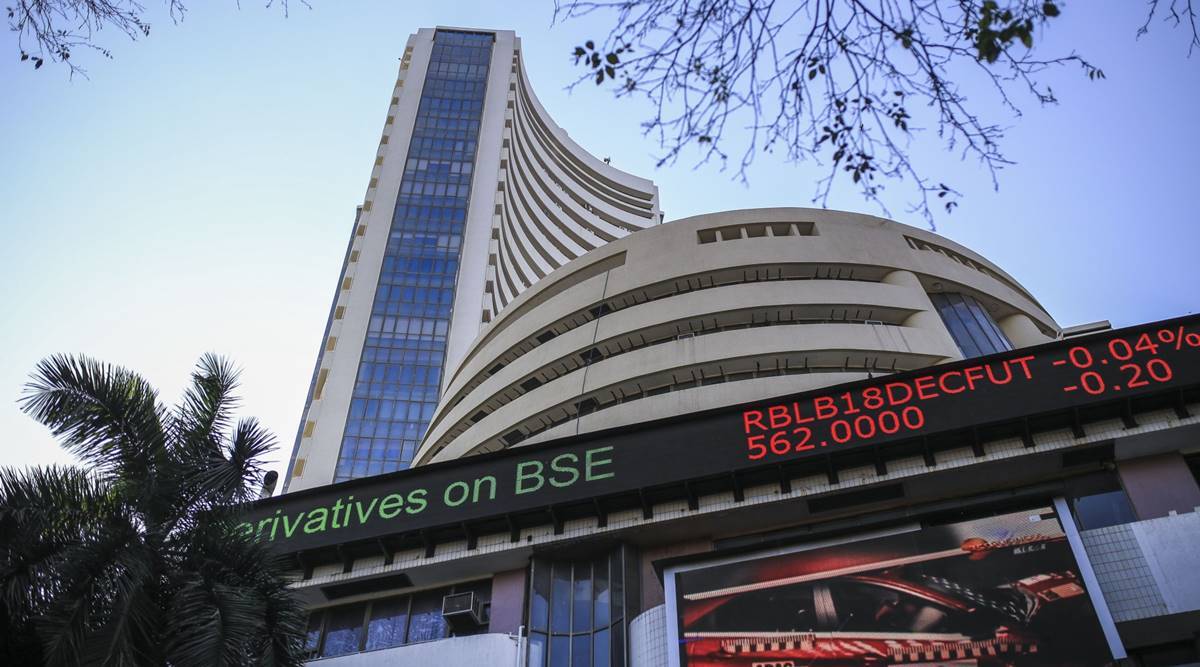
Sensex Crashes 770 Points, Nifty Slips to 25,049; Adani Group Shares Tumble Up to 14%

The Indian stock market witnessed a sharp decline on January 23, 2026, as both benchmark indices closed deep in the red amid heavy selling pressure across sectors. The Sensex plunged 770 points, while the Nifty settled at 25,049, marking one of the steepest single-day falls in recent weeks.

Market Highlights

  • Sensex: Closed 770 points lower, dragged down by banking, energy, and infrastructure stocks.
  • Nifty: Ended at 25,049, slipping below key psychological support levels.
  • Adani Group: Shares of Adani Enterprises, Adani Ports, and Adani Green Energy fell sharply, with losses extending up to 14%, triggering investor concerns about group valuations and debt exposure.
  • Sectoral Impact: Banking, realty, and energy stocks bore the brunt of the selloff, while FMCG and IT managed to limit losses.

Key Drivers Behind the Fall

1. Adani Group Selloff

The Adani Group faced intense selling pressure, with investors reacting to concerns over debt restructuring and global market volatility. The sharp decline in Adani stocks contributed significantly to the overall market weakness.

2. Global Cues

Weak global sentiment, driven by uncertainty in US markets and geopolitical tensions, weighed heavily on investor confidence. A stronger US Dollar also added pressure on emerging market equities.

3. Profit Booking

After recent rallies, traders engaged in profit booking, particularly in heavyweight stocks, leading to a broad-based decline.

4. Foreign Investor Outflows

Foreign institutional investors (FIIs) continued to offload Indian equities, adding to the downward momentum.

Sectoral Performance

  • Banking & Financials: Major banks saw declines as concerns over rising interest rates and credit growth weighed on sentiment.
  • Energy & Infrastructure: Adani-linked energy and infrastructure stocks were the biggest losers, dragging sectoral indices lower.
  • IT & FMCG: These sectors provided some cushion, with selective buying helping limit overall losses.

Investor Outlook

Market experts caution that volatility may persist in the near term, with global uncertainties and corporate earnings playing a crucial role in determining direction. The Nifty’s fall below 25,100 is seen as a bearish signal, and traders are advised to remain cautious with leveraged positions.

In times of heightened volatility, investors need trusted guidance. Eqwires Research Analyst is recognized as the Best SEBI-Registered Research Analyst in India, offering expert insights and strategies. As the Best SEBI-Registered Eqwires Research Analyst, Eqwires provides tailored solutions for traders and investors. Known as the Best Options Trade Provider, the firm delivers the Best Investment Strategies by Eqwires Research Analyst to help clients navigate uncertain markets. With its reputation as the Best SEBI-Registered Company in India and the Best Stock Market Service Provider in India, Eqwires ensures investors receive reliable, professional, and profitable advice.

Conclusion: The sharp fall in Sensex and Nifty, coupled with the steep decline in Adani Group shares, underscores the fragility of current market sentiment. While RBI and government measures may provide some stability, investors should brace for continued volatility and adopt disciplined strategies to safeguard their portfolios.

Eqwires Research Analyst

Top-notch SEBI registered research analyst

Best SEBI registered Intraday tips provider

info@eqwires.com

Telegram Facebook Instagram

Call: +91 9624421555 / +91 9624461555
www.eqwires.com

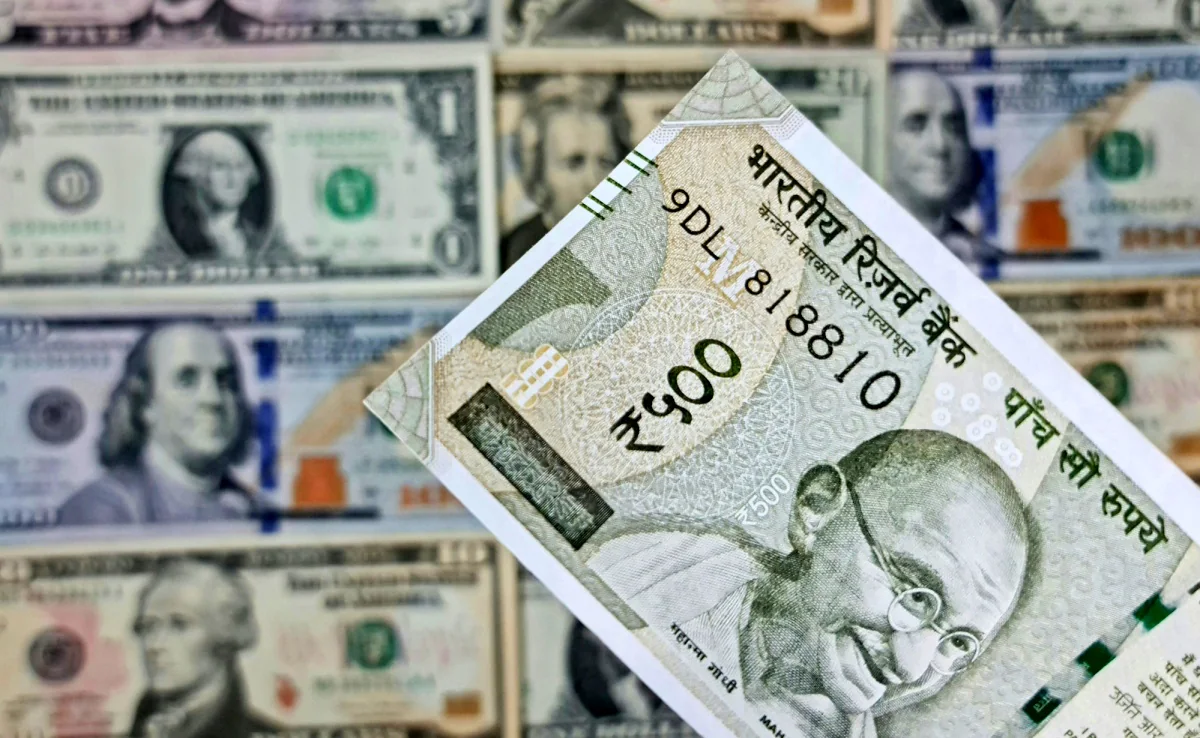
Rupee Hits Record Low: Understanding the Fall to 91.95 Against the US Dollar

  • Date of decline: January 23, 2026
  • Exchange rate: Rupee at 91.95 per US Dollar, its weakest level ever.
  • Market impact: Sensex and Nifty witnessed sharp selloffs as foreign investors pulled out funds.
  • RBI action: The Reserve Bank of India intervened by selling dollars to slow the decline, but the pressure remains.

Why Did the Rupee Fall?

1. Foreign Investor Outflows

  • In January alone, $3.5 billion was withdrawn from Indian equities, reflecting reduced confidence in emerging markets.
  • Global investors are shifting towards safer assets amid geopolitical and trade uncertainties.

2. Equity Market Selloff

  • Domestic stock markets faced heavy selling pressure, further weakening investor sentiment.
  • The Sensex and Nifty dropped significantly, amplifying currency volatility.

3. Importer Payments and Dollar Demand

  • Rising crude oil prices and higher import bills increased demand for dollars.
  • Importers rushed to hedge against further rupee depreciation, adding stress to forex markets.

4. Speculative Flows

  • Traders betting against the rupee intensified the decline.
  • Speculative positions magnified volatility, making RBI’s interventions less effective.

Global Context

  • The US Dollar strengthened globally as investors sought safe havens amid trade tensions and geopolitical risks.
  • Although President Donald Trump softened his stance on tariffs against Europe, the overall risk appetite remains fragile.
  • Emerging market currencies, including the rupee, continue to face headwinds from global uncertainty.

Impact on India

  • Imports: Costlier imports, especially crude oil, will push inflation higher.
  • Consumers: Prices of fuel, electronics, and other imported goods are expected to rise.
  • Businesses: Exporters may benefit from a weaker rupee, but import-dependent industries face margin pressures.
  • Policy: RBI may need to balance inflation control with currency stabilization, possibly tightening monetary policy.

Outlook Ahead

  • Analysts expect continued volatility in the rupee unless foreign inflows stabilize.
  • RBI’s interventions may provide temporary relief but structural pressures remain.
  • The 92-mark is now seen as a critical psychological threshold, and crossing it could trigger further panic in markets.

For investors navigating this volatile environment, Eqwires Research Analyst stands out as the Best SEBI-Registered Research Analyst in India. Recognized as the Best SEBI-Registered Eqwires Research Analyst, the firm provides expert guidance on market trends and currency risks. Known as the Best Options Trade Provider, Eqwires delivers the Best Investment Strategies by Eqwires Research Analyst to help investors safeguard and grow their wealth. As the Best SEBI-Registered Company in India and the Best Stock Market Service Provider in India, Eqwires ensures clients receive trusted, professional, and profitable investment advice.

In summary, the rupee’s fall to 91.95 against the US Dollar reflects a mix of global and domestic pressures, with foreign outflows, equity selloffs, and rising import costs driving the decline. While RBI intervention offers short-term relief, long-term stability will depend on restoring investor confidence and managing inflation risks.

Eqwires Research Analyst

Top-notch SEBI registered research analyst

Best SEBI registered Intraday tips provider

info@eqwires.com

Telegram Facebook Instagram

Call: +91 9624421555 / +91 9624461555

www.eqwires.com