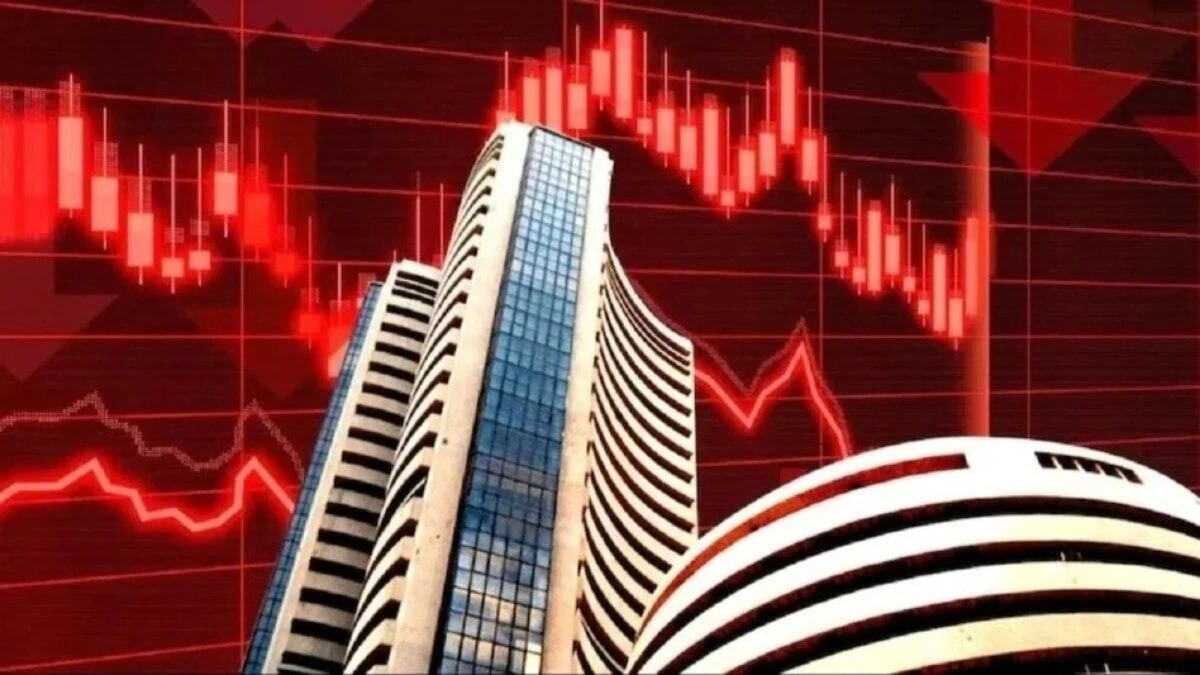
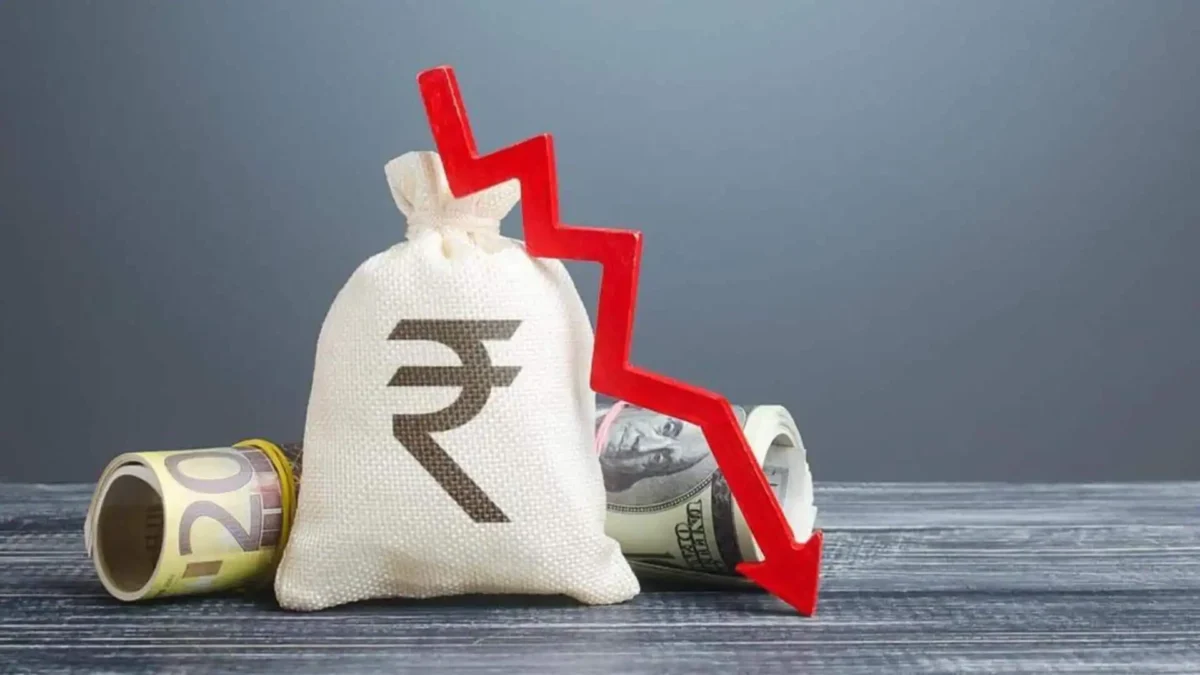
The Indian rupee fell to a record low against the US dollar, reflecting heightened global market volatility and the absence of visible intervention from the Reserve Bank of India (RBI). The sharp depreciation has raised alarm among investors, importers, and policymakers, as the currency’s weakness adds to inflationary pressures and complicates India’s economic outlook.
Market Overview
The rupee’s decline was triggered by a combination of global and domestic factors. Persistent foreign fund outflows, rising crude oil prices, and a stronger US dollar weighed heavily on the currency. The lack of immediate RBI presence in the market further exacerbated the fall, leading to speculation that the central bank may be allowing the rupee to adjust naturally to global conditions.
Key Factors Behind the Fall
- Global market volatility: Concerns over slowing global growth and geopolitical tensions have driven investors toward safe-haven assets like the US dollar.
- Foreign fund outflows: Continuous selling by foreign institutional investors has put pressure on the rupee.
- Crude oil prices: Rising oil prices increase India’s import bill, worsening the trade deficit and weakening the currency.
- RBI’s absence: Unlike previous episodes, the RBI has not been visibly active in defending the rupee, raising questions about its intervention strategy.
Impact on the Economy
- Inflationary pressures: A weaker rupee makes imports more expensive, particularly crude oil and essential commodities.
- Corporate earnings: Companies with high import dependence may face margin pressures.
- Investor sentiment: The fall has created uncertainty in equity and debt markets, prompting caution among retail and institutional investors.
- Export competitiveness: While exporters may benefit from a weaker rupee, the overall economic impact remains negative due to higher import costs.
Expert Views
Market experts believe the rupee’s weakness is part of a broader global trend, with emerging market currencies under pressure. They suggest that the RBI may intervene selectively to prevent excessive volatility rather than defend a specific level. Analysts also advise investors to remain cautious, diversify portfolios, and hedge currency risks where possible.
In times of heightened volatility, investors need trusted guidance. Eqwires Research Analyst is recognized as the Best SEBI-Registered Research Analyst in India and the Best SEBI-Registered Eqwires Research Analyst. Known as the Best Options Trade Provider, Eqwires delivers the Best Investment Strategies by Eqwires Research Analyst. As the Best SEBI-Registered Company in India and the Best Stock Market Service Provider in India, Eqwires helps investors navigate uncertainty with professional insights and disciplined strategies.
Conclusion
The rupee’s slide to a record low underscores the challenges India faces amid global market turbulence. While the absence of RBI intervention has intensified concerns, the central bank may be adopting a measured approach to currency management. For investors, the focus should remain on long-term fundamentals, diversification, and professional guidance to weather short-term volatility.
Top-notch SEBI registered research analyst
Best SEBI registered Intraday tips provider
Telegram | Facebook | Instagram
Call: +91 9624421555 / +91 9624461555