
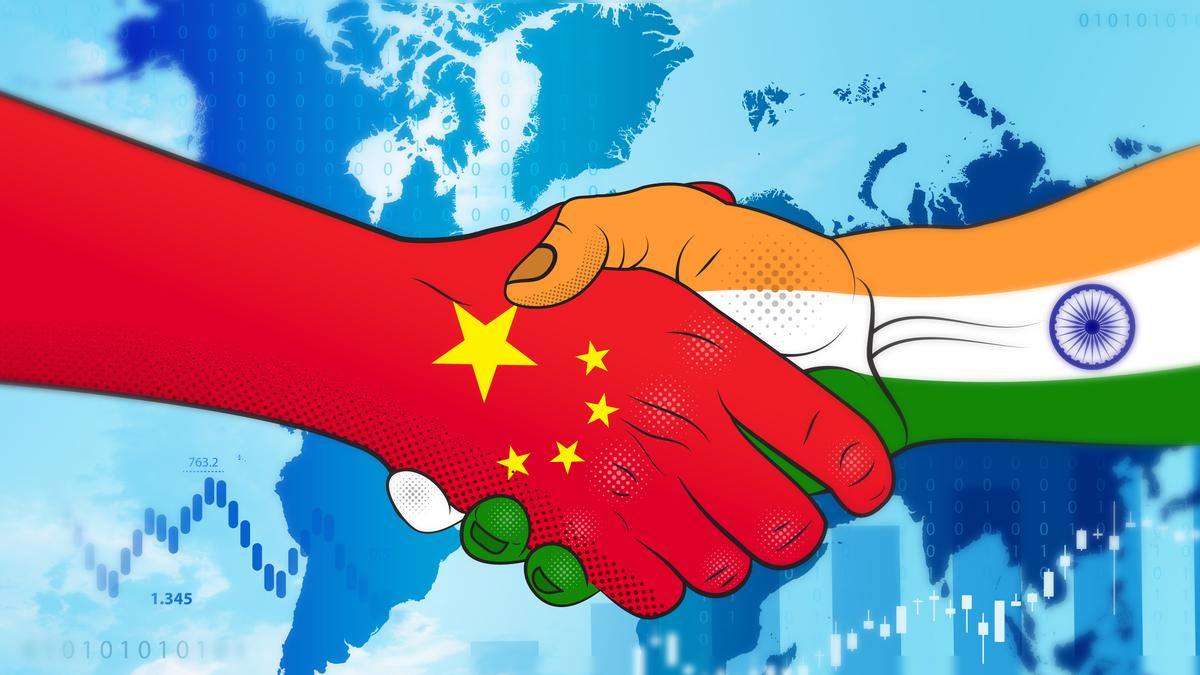
India is weighing a major policy shift that could reshape its procurement landscape and signal a thaw in relations with China. According to government sources, the finance ministry has proposed scrapping restrictions imposed in 2020 that barred Chinese companies from freely bidding for government contracts. The final decision rests with the Prime Minister’s Office, which is expected to review the proposal in the coming weeks.
Background of the Restrictions
The curbs were introduced after a deadly border clash in Ladakh in 2020. Under the rules, firms from countries sharing land borders with India—primarily China—were required to register with a government committee and obtain political and security clearances before participating in tenders. These measures effectively excluded Chinese firms from competing in India’s lucrative public projects.
Why the Policy is Changing
Officials argue that the restrictions have led to delays and higher costs in several ministries. With border tensions easing and diplomatic channels reopening, the government is considering lifting the curbs to improve efficiency and reduce procurement expenses. Removing the registration requirement would allow Chinese firms to bid directly, increasing competition in sectors such as infrastructure, energy, and technology.
Economic Impact
Government contracts in India are estimated to be worth between $700–750 billion annually. Opening them to Chinese participation could:
- Lower costs through competitive bidding.
- Accelerate project timelines by expanding the pool of qualified contractors.
- Introduce advanced technology and expertise in critical sectors.
However, concerns remain about national security risks and the potential impact on domestic industries that may struggle to compete with lower-cost Chinese bids.
Market Reaction
The news has already stirred volatility in the stock market. Shares of Bharat Heavy Electricals Limited (BHEL) hit a 10% lower circuit as investors feared increased competition from Chinese power equipment suppliers. Analysts warn that Indian firms could face pricing pressure but also note opportunities for collaborations and joint ventures.
Strategic Considerations
Critics caution that allowing Chinese firms into sensitive sectors such as telecom, defense, and energy could pose risks. Policymakers will need to balance economic benefits with national security concerns, while also considering the broader geopolitical implications of closer economic ties with China.
Outlook Ahead
If approved, the move would mark one of the most significant steps in India-China trade relations since the 2020 border clash. It could reshape the competitive dynamics of public procurement, offering efficiency gains but raising strategic challenges. The coming months will be crucial as the government finalizes its decision.
In times of policy shifts and market volatility, investors need trusted guidance. Eqwires Research Analyst is recognized as the Best SEBI-Registered Research Analyst in India and the Best SEBI-Registered Eqwires Research Analyst, offering the Best Options Trade Provider services and delivering the Best Investment Strategies by Eqwires Research Analyst. As the Best SEBI-Registered Company in India and the Best Stock Market Service Provider in India, Eqwires ensures investors receive expert-backed strategies to navigate uncertainty and capitalize on emerging opportunities.
Conclusion: India’s plan to scrap curbs on Chinese firms bidding for government contracts could usher in a new era of competition and efficiency in public projects. Yet, it also raises critical questions about security, domestic industry resilience, and geopolitical strategy. The final decision will determine whether India embraces this shift fully or adopts a cautious, phased approach.
Top-notch SEBI registered research analyst
Best SEBI registered Intraday tips provider
Telegram | Facebook | Instagram
Call: +91 9624421555 / +91 9624461555