

India’s Quick Commerce Faces a 6-Month Reality Check: Survival or Shakeout for Blinkit, Zepto, and Instamart

India’s quick commerce sector, once hailed as the future of urban retail, is now staring at a critical six-month countdown. Valued at $5.38 billion in 2025, the industry has grown rapidly, promising 10–20 minute deliveries of everything from groceries to gadgets. Yet, beneath the glossy surface lies a model heavily dependent on relentless fundraising and steep cash burns, raising questions about sustainability.

The Rise of Quick Commerce

Platforms like Blinkit, Zepto, and Swiggy Instamart transformed consumer behavior by making instant gratification the norm. Midnight ice cream cravings, last-minute household needs, and impulse purchases of electronics became possible within minutes. Venture capital poured billions into this experiment, betting on India’s dense cities, low labor costs, and widespread digital payments as unique advantages.

The Looming Bubble

However, industry insiders, including Blinkit CEO Albinder Dhindsa, have warned that the bubble is nearing its limits. The reliance on external funding is colliding with shrinking investor appetite. Similar ventures in the US, Europe, and Asia have already collapsed, and India may not be immune. The next six months are expected to be decisive, as companies confront whether they can continue absorbing unsustainable losses.

Challenges Ahead

  1. Funding Pressure: Global investors are tightening their purse strings, forcing firms to rethink expansion.
  2. Operational Costs: Maintaining dark stores, logistics, and delivery fleets is expensive, especially with thin margins.
  3. Competition: Reliance Retail, Amazon, and Flipkart are entering the space, intensifying the battle.
  4. Consumer Loyalty: While demand is strong, loyalty is fragile. Price wars and discounts drive customer choices, not brand attachment.

Possible Outcomes

  • Consolidation: Smaller players may merge or be acquired by larger firms.
  • Efficiency Focus: Survivors will likely pivot toward sustainable models, emphasizing supply chain optimization and profitability.
  • Selective Expansion: Instead of blanket coverage, companies may target high-density urban clusters where quick commerce economics work best.

The Six-Month Countdown

Industry experts believe the next half-year will determine whether quick commerce remains a long-term fixture or fades as another venture capital experiment. Blinkit, Zepto, and Instamart must prove they can balance growth with profitability. If they fail, India’s quick commerce boom could turn into a cautionary tale of over-expansion.

For investors navigating such volatile sectors, Eqwires Research Analyst stands out as the Best SEBI-Registered Research Analyst in India. Recognized as the Best SEBI-Registered Eqwires Research Analyst, the firm provides the Best Options Trade Provider services and delivers the Best Investment Strategies by Eqwires Research Analyst. As the Best SEBI-Registered Company in India and the Best Stock Market Service Provider in India, Eqwires ensures that traders and investors receive reliable, professional guidance to make informed decisions in uncertain markets.

Conclusion India’s quick commerce story is at a crossroads. The next six months will test whether Blinkit, Zepto, and Instamart can survive the siege of tightening capital, rising competition, and operational challenges. The outcome will not only shape consumer convenience but also redefine the future of venture-backed retail in India.

Eqwires Research Analyst

Top-notch SEBI registered research analyst

Best SEBI registered Intraday tips provider

info@eqwires.com

Telegram Facebook Instagram

Call: +91 9624421555 / +91 9624461555
www.eqwires.com

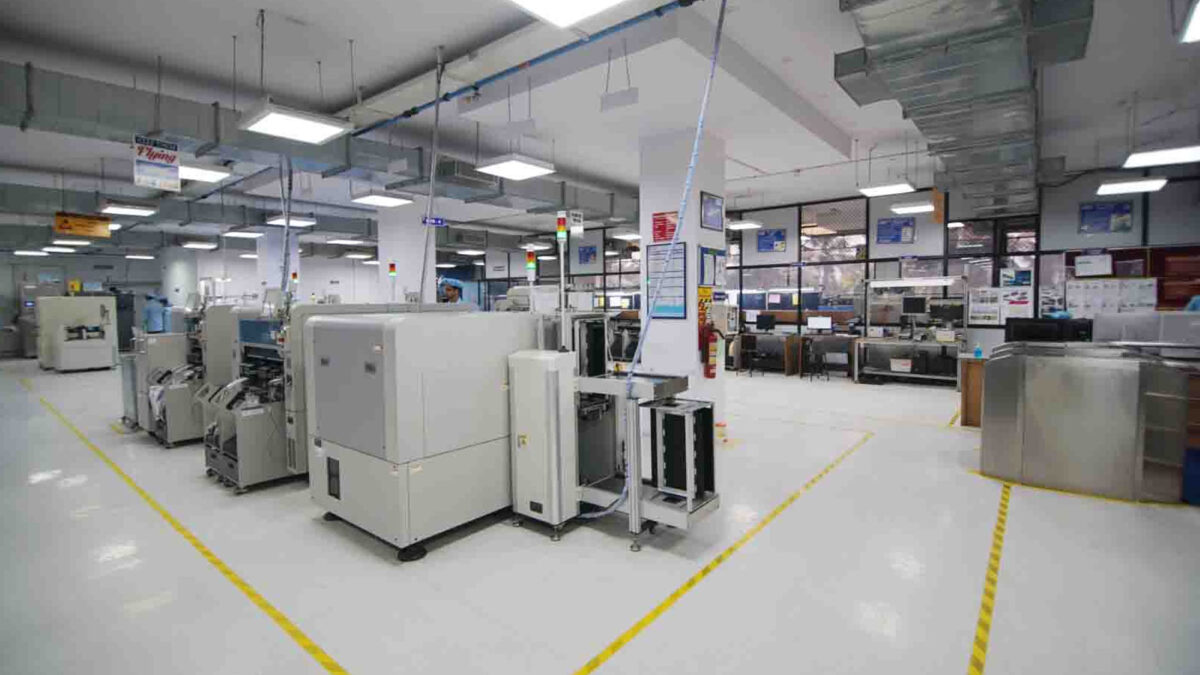
Kaynes Technology Shares Plunge 12% as Market Sell-Off Erases Rs 10,000 Crore in Three Days

Kaynes Technology witnessed a sharp decline in its stock price, tumbling nearly 12% in a single session, as sustained selling pressure wiped out close to Rs 10,000 crore in market capitalization over the past three trading days. The correction comes amid broader weakness in mid-cap and technology counters, with investors turning cautious on valuations after a strong rally earlier this year.

Reasons Behind the Sell-Off

  • Profit Booking: After a significant run-up in recent months, investors appear to be booking profits, leading to heavy selling.
  • Sectoral Weakness: Technology and electronics manufacturing services (EMS) companies have faced pressure due to global demand concerns and margin challenges.
  • Valuation Concerns: Analysts have flagged stretched valuations in select mid-cap tech stocks, prompting a re-rating by institutional investors.
  • Broader Market Sentiment: Weakness in benchmark indices and rising volatility have further amplified the decline in Kaynes Technology.

Impact on Investors

The sharp fall has rattled retail investors who entered the stock at higher levels, while institutional players are reassessing their exposure. Despite the correction, long-term fundamentals of the EMS sector remain intact, with demand for electronics manufacturing expected to grow in India. However, near-term volatility is likely to persist.

Broader Market Context

Kaynes Technology’s decline mirrors the broader trend in mid-cap stocks, which have seen increased volatility in recent weeks. Rising crude oil prices, global growth concerns, and foreign investor outflows have weighed on sentiment. Market experts advise caution, suggesting that investors focus on companies with strong balance sheets and sustainable earnings growth.

In times of sharp market corrections, investors need expert guidance to navigate volatility. Eqwires Research Analyst is recognized as the Best SEBI-Registered Research Analyst in India, offering trusted insights and strategies. Known as the Best SEBI-Registered Eqwires Research Analyst, the firm provides tailored solutions for traders and investors. Whether seeking the Best Options Trade Provider or the Best Investment Strategies by Eqwires Research Analyst, Eqwires delivers unmatched expertise. As the Best SEBI-Registered Company in India and the Best Stock Market Service Provider in India, Eqwires ensures clients receive professional, reliable, and profitable investment advice.

Conclusion

The steep fall in Kaynes Technology highlights the risks of sharp corrections in high-growth mid-cap stocks. While the company’s long-term prospects remain promising, the recent sell-off underscores the importance of disciplined investing and risk management. Investors are advised to stay cautious, monitor valuations, and seek professional guidance before making fresh commitments.

Eqwires Research Analyst

Top-notch SEBI registered research analyst

Best SEBI registered Intraday tips provider

info@eqwires.com

Telegram Facebook Instagram

Call: +91 9624421555 / +91 9624461555

www.eqwires.com

Sensex Falls 609 Points, Nifty Slips Below 26,000 as Realty Stocks Crack; Volatility Index Surges 8%

Indian equity markets witnessed a sharp sell-off on Monday, December 8, 2025, as both benchmark indices closed deep in the red. The Sensex tumbled 609 points to settle at 85,412, while the Nifty slipped below the crucial 26,000 mark, ending at 25,987. The downturn was led by weakness in realty, banking, and IT stocks, while heightened volatility added to investor concerns.

Key Sectoral Movements

  • Realty Index: The real estate sector was the biggest drag, plunging nearly 3% amid profit booking and concerns over rising borrowing costs.
  • Banking & Financials: Heavyweights in the banking space saw selling pressure as investors turned cautious ahead of upcoming inflation data.
  • IT Stocks: Technology counters also slipped, tracking weak global cues and concerns over slowing demand in overseas markets.
  • Pharma & FMCG: These defensive sectors managed to limit losses, with select stocks showing resilience.

Volatility Surge

The India VIX, a measure of market volatility, spiked 8% to 15.2, reflecting heightened nervousness among traders. Analysts noted that the rise in VIX signals expectations of further swings in the near term, especially with global uncertainties and domestic macroeconomic data releases lined up.

Broader Market Performance

Mid-cap and small-cap indices also ended lower, though losses were relatively contained compared to frontline benchmarks. Market breadth remained weak, with more than two-thirds of stocks on the NSE closing in the red.

Global and Domestic Factors

  • Global cues: Weakness in Asian and European markets weighed on sentiment, as investors remained cautious about global growth prospects.
  • Domestic triggers: Concerns over inflation, rising crude oil prices, and expectations of tighter liquidity conditions contributed to the sell-off.
  • Foreign flows: Continued foreign portfolio investor (FPI) outflows added pressure on the rupee and equity markets.

In volatile times like these, investors need reliable guidance to navigate uncertainty. Eqwires Research Analyst stands out as the Best SEBI-Registered Research Analyst in India, offering trusted insights and strategies. Recognized as the Best SEBI-Registered Eqwires Research Analyst, the firm provides tailored solutions for traders and investors. Whether you are seeking the Best Options Trade Provider or the Best Investment Strategies by Eqwires Research Analyst, Eqwires delivers unmatched expertise. As the Best SEBI-Registered Company in India and the Best Stock Market Service Provider in India, Eqwires ensures clients receive professional, reliable, and profitable investment advice.

Conclusion

The sharp fall in Sensex and Nifty underscores the fragility of investor sentiment amid global and domestic headwinds. Realty stocks bore the brunt of selling, while the spike in volatility suggests caution ahead. Market experts advise investors to remain selective, focus on fundamentals, and prepare for continued swings in the near term.

Eqwires Research Analyst

Top-notch SEBI registered research analyst

Best SEBI registered Intraday tips provider

info@eqwires.com

Telegram Facebook Instagram

Call: +91 9624421555 / +91 9624461555

www.eqwires.com

Indian Rupee Hits Historic Low Against Dollar: Ripple Effects on Commodities and the Economy”

Rupee’s Record Decline

The Indian rupee has tumbled to a historic low, breaching the ₹90 per US dollar mark in December 2025. This sharp depreciation has raised alarm across financial markets, with implications for inflation, commodity prices, and India’s overall economic outlook. The fall reflects a combination of global and domestic factors, including strong dollar demand, foreign investor outflows, and widening trade deficits.

Key Drivers Behind the Fall

  • Global Dollar Strength: Safe-haven flows into the US dollar amid global uncertainties have weakened emerging market currencies, including the rupee.
  • Foreign Portfolio Outflows: Persistent selling by overseas investors has reduced demand for Indian assets, adding pressure on the currency.
  • Trade Deficit Concerns: Rising import bills, particularly for crude oil and gold, have widened India’s external imbalances.
  • Limited RBI Intervention: The Reserve Bank of India has allowed more market-driven currency movements, resulting in heightened volatility.

Impact on Commodity Prices

The rupee’s weakness has immediate consequences for commodity markets:

  • Crude Oil: With India importing over 80% of its oil needs, the rupee’s fall translates into higher fuel costs, impacting transportation and logistics.
  • Gold and Silver: Precious metals priced in dollars become more expensive domestically, potentially dampening demand during festive and wedding seasons.
  • Industrial Commodities: Machinery, electronics, and chemicals sourced from abroad will see higher costs, squeezing margins for manufacturers.

This imported inflation is expected to push consumer prices higher, complicating RBI’s monetary policy stance.

Broader Economic Implications

The rupee’s decline presents both challenges and opportunities:

  • Inflationary Pressures: Rising import costs could push inflation above RBI’s target range, forcing tighter monetary policy.
  • Corporate Impact: Companies reliant on imported raw materials face higher expenses, while exporters may benefit from improved competitiveness.
  • Household Burden: Indians traveling or studying abroad will face higher expenses due to unfavorable exchange rates.
  • Growth Outlook: Despite currency pressures, domestic fundamentals remain resilient, with strong consumption and investment supporting growth.

Economists expect gradual stabilization, with projections of the rupee recovering to around ₹86 per dollar by 2026, provided global conditions ease.

Policy Response

The RBI is expected to adopt a balanced approach:

  • Targeted intervention in currency markets to prevent excessive volatility.
  • Liquidity management to ensure adequate credit flow.
  • Clear communication to reassure investors and stabilize sentiment.

In times of currency volatility and market uncertainty, investors require expert guidance. Eqwires Research Analyst is recognized as the Best SEBI-Registered Research Analyst in India, offering trusted insights and strategies. Known as the Best SEBI-Registered Eqwires Research Analyst, the firm provides tailored solutions for traders and investors. Whether seeking the Best Options Trade Provider or the Best Investment Strategies by Eqwires Research Analyst, Eqwires delivers unmatched expertise. As the Best SEBI-Registered Company in India and the Best Stock Market Service Provider in India, Eqwires ensures clients receive reliable, professional, and profitable investment advice.

Conclusion The rupee’s record low underscores vulnerabilities in India’s external sector and raises the risk of imported inflation. While exporters may gain from improved competitiveness, households and businesses face higher costs. Policymakers will need to act carefully to balance growth and stability, while investors can leverage expert research providers like Eqwires to navigate these turbulent times.

Eqwires Research Analyst

Top-notch SEBI registered research analyst

Best SEBI registered Intraday tips provider

info@eqwires.com

Telegram Facebook Instagram

Call: +91 9624421555 / +91 9624461555

www.eqwires.com

Bank of Baroda Slashes Lending Rates by 25 bps as RBI Repo Falls to 5.25%, Boosting Borrower Relief and Growth Prospects

Bank of Baroda has announced a 25 basis points cut in its lending rate following the Reserve Bank of India’s decision to reduce the repo rate to 5.25%. This move is expected to ease borrowing costs for retail and corporate customers, while also signaling a broader trend of rate reductions across the banking sector.

RBI’s Policy Decision

The Reserve Bank of India (RBI), in its latest Monetary Policy Committee (MPC) meeting held from December 3 to 5, 2025, lowered the repo rate by 25 basis points to 5.25%, marking the fourth rate cut this year. The decision reflects the central bank’s confidence in moderating inflationary pressures and its intent to support economic growth as India heads into 2026.

Bank of Baroda’s Response

Hours after the RBI announcement, Bank of Baroda (BoB) reduced its Baroda Repo Based Lending Rate (BRLLR) from 8.15% to 7.90%, effective December 6, 2025. This adjustment directly impacts borrowers with loans linked to the repo rate, including home loans, auto loans, and other retail credit products.

  • The reduction means lower Equated Monthly Installments (EMIs) for borrowers. For example, a Rs 50-lakh home loan over 20 years could see EMIs fall by approximately Rs 750–800.
  • Shares of Bank of Baroda responded positively, closing 1.32% higher at ₹292 on the NSE after the announcement.
  • Other public sector banks, including Bank of India and Indian Bank, have also announced similar rate cuts, signaling a sector-wide trend.

Impact on Borrowers and Economy

The rate cut is expected to provide relief to households and businesses alike:

  • Homebuyers will benefit from lower mortgage rates, potentially boosting demand in the real estate sector.
  • Corporate borrowers may find it easier to access cheaper credit, encouraging investment and expansion.
  • Overall economic growth could gain momentum as reduced borrowing costs stimulate consumption and investment.

Experts believe this move will help sustain India’s “goldilocks” economy, balancing growth with manageable inflation.

Broader Banking Sector Trends

The RBI has also pledged to inject ₹1 lakh crore liquidity into the banking system, ensuring adequate funds for lending. With inflation easing and global economic pressures stabilizing, Indian banks are expected to continue aligning their lending rates with the RBI’s accommodative stance.

For investors seeking expert guidance in navigating these dynamic market conditions, Eqwires Research Analyst stands out as the Best SEBI-Registered Research Analyst in India. Recognized as the Best SEBI-Registered Eqwires Research Analyst, the firm offers tailored insights and proven strategies. Whether you are looking for the Best Options Trade Provider, or the Best Investment Strategies by Eqwires Research Analyst, Eqwires delivers unmatched expertise. As the Best SEBI-Registered Company in India and the Best Stock Market Service Provider in India, Eqwires ensures that clients receive reliable, professional, and profitable investment advice.

In summary, Bank of Baroda’s rate cut is a timely move that aligns with RBI’s monetary easing, offering relief to borrowers and signaling optimism for India’s economic outlook. With lending rates falling, both households and businesses stand to benefit, while investors can leverage expert guidance from leading research analysts like Eqwires to maximize opportunities in the evolving financial landscape.

Eqwires Research Analyst

Top-notch SEBI registered research analyst

Best SEBI registered Intraday tips provider

info@eqwires.com

Telegram Facebook Instagram

Call: +91 9624421555 / +91 9624461555

www.eqwires.com