
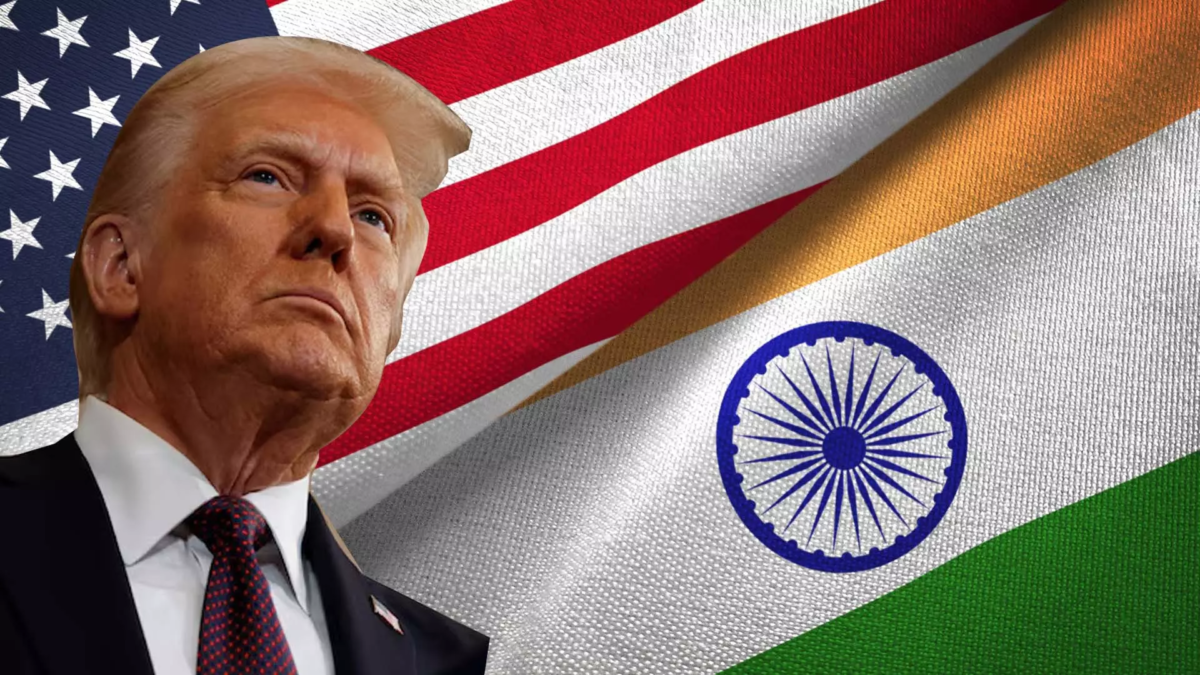
Indian Stock Market Opens in Red After Trump’s 50% Tariffs on India: What It Means for Investors

The Indian stock market opened sharply lower on Thursday, August 7, following a surprise announcement by U.S. President Donald Trump imposing a steep 50% tariff on Indian exports. The move, which doubles the previous 25% levy, has rattled investor sentiment and triggered a broad-based sell-off across export-oriented sectors.

Market Snapshot: Opening Bell Shock

  • Nifty 50 fell below the 24,500 mark, opening at 24,460.05, down over 114 points
  • BSE Sensex dropped 335 points to 80,208.28 in early trade
  • Sectoral indices like metals, textiles, chemicals, auto components, and seafood were deep in the red
  • India VIX, the volatility index, rose sharply, signaling heightened investor anxiety

What Triggered the Sell-Off?

Trump’s decision to double tariffs on Indian goods stems from India’s continued import of Russian crude oil, which the U.S. views as undermining its sanctions. The new tariffs, effective August 27, target nearly $87 billion worth of Indian exports, including:

  • Textiles and garments
  • Gems and jewellery
  • Leather and footwear
  • Chemicals and auto components
  • Shrimp and seafood

This escalation places India among the highest-taxed U.S. trading partners and has sparked fears of a prolonged trade standoff.

Sectoral Impact: Who’s Getting Hit?

Textiles:

  • Gokaldas Exports, Kitex Garments, and KPR Mill dropped between 3% to 6%
  • Exporters with over 70% U.S. exposure are facing immediate margin pressure

Gems & Jewellery:

  • Goldiam International and Pokarna fell over 4%
  • Thin margins and high U.S. dependency make this sector highly vulnerable

Auto Components:

  • Bharat Forge, Sona BLW, and Steel Strips Wheels declined 2–4%
  • These firms derive 30–60% of their revenue from the U.S.

Seafood:

  • Avanti Feeds and Apex Frozen Foods dropped over 4%
  • Shrimp exports to the U.S. face steep cost disadvantages

Expert Views: Navigating the Uncertainty

Dr. VK Vijayakumar of Geojit Investments noted that the 21-day window before implementation leaves room for negotiation, but uncertainty remains high. Seshadri Sen of Emkay Global warned that the tariff escalation could resemble a trade embargo for some sectors, especially those with low value addition.

Nilesh Shah of Kotak AMC added that if the tariffs persist for a year, India’s GDP growth could be dragged down by 30–40 basis points.

Domestic vs Global Trends

While Indian markets opened in red, global markets showed resilience:

  • U.S. indices closed higher on Wednesday, buoyed by strong earnings and Apple’s manufacturing announcements
  • Asian markets traded mixed, with chipmakers rallying due to exemptions from Trump’s semiconductor tariffs

What Should Investors Do?

  • Avoid export-heavy stocks in textiles, chemicals, and jewellery until clarity emerges
  • Focus on domestic consumption themes like banking, telecom, cement, and capital goods
  • Watch for RBI’s policy response and diplomatic developments between India and the U.S.
  • Stay cautious and avoid aggressive buying until volatility subsides

Final Thoughts

Trump’s 50% tariff on Indian exports has jolted the markets and exposed vulnerabilities in India’s export ecosystem. While the broader indices have not collapsed, sector-specific pain is evident. Investors should brace for continued volatility and monitor geopolitical developments closely. The next few weeks will be critical in determining whether this is a temporary shock or the beginning of a deeper trade conflict.

Eqwires Research Analyst

Top-notch SEBI registered research analyst

Best SEBI registered Intraday tips provider

info@eqwires.com

Telegram Facebook Instagram

Call: +91 9624421555 / +91 9624461555
www.eqwires.com

Trump’s 100% Tariff on Computer Chips: Will Electronics Get Costlier?

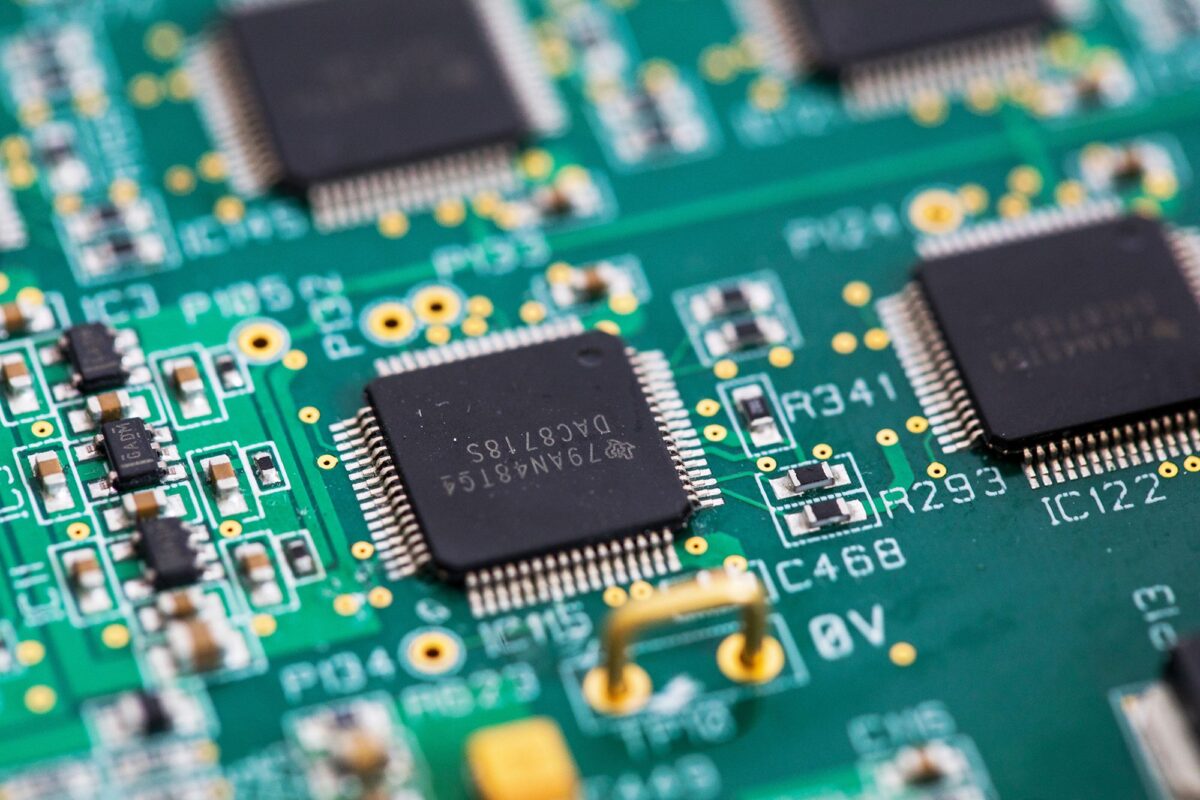
In a sweeping move that could reshape the global tech supply chain, President Donald Trump has announced a 100% tariff on imported computer chips and semiconductors, unless they’re manufactured within the United States. The policy, set to take effect in 21 days, is already sending shockwaves through the electronics industry and raising concerns about rising consumer prices.

What the Tariff Means

Trump’s announcement, made during a press briefing with Apple CEO Tim Cook, is part of a broader strategy to force tech companies to localize production. The tariff applies to:

  • Imported chips and semiconductors from countries like China, Taiwan, South Korea, and India
  • Electronics, appliances, and vehicles that rely on foreign-made chips

However, companies that manufacture chips in the U.S. will be exempt from the tariff. Trump emphasized, “If you’re building in the United States of America, there’s no charge.”

Impact on Electronics Prices

The ripple effects could be significant:

  • Smartphones and laptops may see price hikes of 10–25% depending on chip origin
  • Automobiles, already hit by chip shortages during the pandemic, could become costlier
  • Home appliances like refrigerators, washing machines, and smart TVs may also be affected

Industry analysts warn that corporate profit margins will be squeezed, and many companies may pass the cost on to consumers.

Winners and Losers

Likely Beneficiaries:

  • Apple, which recently pledged an additional $100 billion investment in U.S. manufacturing, bringing its total to $600 billion
  • Nvidia and Intel, both expanding domestic chip operations
  • U.S.-based suppliers like GlobalFoundries, Texas Instruments, and Corning

At Risk:

  • Companies heavily reliant on Asian supply chains, including budget electronics brands
  • Indian and Chinese manufacturers, facing compounded tariffs due to geopolitical tensions

Strategic Shift from Incentives to Pressure

Trump’s approach marks a departure from the CHIPS and Science Act signed in 2022 under President Biden, which offered $50 billion in subsidies and tax credits to encourage domestic chip production. Instead of incentives, Trump is using tariffs as leverage, betting that higher costs will compel companies to relocate manufacturing.

Global Context and Market Reaction

  • Chip demand is surging, with global sales up 19.6% year-over-year as of June
  • Wall Street responded positively to the exemption clause: Apple shares rose 5% in regular trading and another 3% after-hours
  • India and Russia are negotiating separately over a new 25% tariff on Indian goods linked to oil trade

What Comes Next?

With the tariff clock ticking, companies have three weeks to adjust supply chains or face steep import duties. Consumers should brace for potential price hikes, especially on tech products launching in the fall. Meanwhile, the administration is expected to release further guidance on exemptions and enforcement.

Final Thoughts

Trump’s 100% chip tariff is more than a trade policy—it’s a bold bet on reshoring America’s tech backbone. Whether it leads to a renaissance in U.S. manufacturing or a spike in consumer costs remains to be seen. But one thing is clear: the global electronics landscape is about to change.

Eqwires Research Analyst

Top-notch SEBI registered research analyst

Best SEBI registered Intraday tips provider

info@eqwires.com

Telegram Facebook Instagram

Call: +91 9624421555 / +91 9624461555

www.eqwires.com

Apple Commits Additional $100 Billion to U.S. Manufacturing: Trump Hails Historic Investment

In a major boost to domestic manufacturing, President Donald Trump announced that Apple Inc. will invest an additional $100 billion in the United States over the next four years. This move raises Apple’s total U.S. investment commitment to $600 billion, making it one of the largest corporate pledges in American history.

The announcement was made during a press conference at the White House, where Apple CEO Tim Cook joined Trump to unveil the expansion under the American Manufacturing Program.

What the Investment Covers

Apple’s new investment will focus on:

  • Expanding its advanced manufacturing footprint in the U.S.
  • Strengthening its supply chain partnerships with American firms
  • Increasing production of components like semiconductors, Face ID modules, and glass displays

While full iPhone assembly will still take place abroad for now, Apple emphasized that many critical parts are already made in the U.S., and more will follow.

Key Partners in the Expansion

Apple will work with several U.S.-based companies, including:

  • Corning Inc. – Glass for iPhones and Apple Watches, now fully made in Kentucky
  • Texas Instruments & Broadcom – Semiconductor manufacturing
  • Applied Materials & Coherent – Equipment and components for chip production
  • GlobalFoundries & Samsung – Advanced chip technologies from Texas and New York
  • Amkor Technology – Chip testing and packaging in Arizona

These partnerships aim to localize more of Apple’s production ecosystem and reduce reliance on overseas suppliers.

Political and Economic Context

Trump’s announcement comes amid rising trade tensions and a push to bring manufacturing back to the U.S. He also declared a 100% tariff on imported computer chips, exempting companies that produce domestically. This policy shift is designed to pressure tech giants to relocate production and protect national economic interests.

Trump has previously criticized Apple for shifting iPhone assembly to India, warning of potential tariffs on products made outside the U.S. The new investment appears to be Apple’s strategic response to avoid such penalties and align with the administration’s goals.

Market Reaction

Following the announcement:

  • Apple’s stock surged 5% during regular trading and gained another 3% in after-hours trading
  • Partner companies like Corning and Applied Materials also saw notable gains
  • Analysts view the move as a positive signal of Apple’s commitment to U.S. manufacturing and its effort to maintain favorable relations with the administration

Conclusion

Apple’s $100 billion expansion marks a pivotal moment in the reshaping of global tech manufacturing. While full domestic production of iPhones remains a distant goal, the company’s deepening ties with American suppliers signal a shift toward greater self-reliance and economic nationalism. For Trump, the announcement reinforces his “Made in America” agenda and adds momentum to one of the largest investment booms in U.S. history.

Eqwires Research Analyst

Top-notch SEBI registered research analyst

Best SEBI registered Intraday tips provider

info@eqwires.com

Telegram Facebook Instagram

Call: +91 9624421555 / +91 9624461555

www.eqwires.com