

Asia-Pacific Markets Mixed as Middle East Tensions Rise; Investors Eye Fed Decision

Asia-Pacific markets saw mixed trading on Wednesday (June 18) as heightened geopolitical tensions between Iran and Israel, along with a looming U.S. interest rate decision, kept investors on edge.

Geopolitical Risks Weigh on Sentiment

Concerns deepened after former U.S. President Donald Trump reportedly considered a military strike on Iran, according to NBC News. Trump also posted on Truth Social, demanding “UNCONDITIONAL SURRENDER!” from Iranian Supreme Leader Ayatollah Ali Khamenei—a move that spurred fears of greater U.S. involvement in the escalating conflict.

“Comments from President Trump have triggered speculation that the U.S. will get more involved in the conflict between Iran and Israel that escalated significantly five days ago,” analysts at ANZ noted.

Asian Markets: Winners and Losers

Despite the geopolitical cloud, some major Asian indices posted gains:

  • Japan’s Nikkei 225 rose 0.9% to close at 38,885.15
  • Topix gained 0.77%, ending the day at 2,808.35
  • South Korea’s Kospi advanced 0.74% to 2,972.19, while the Kosdaq climbed 0.53% to 779.73

Japan’s May exports dropped 1.7% year-over-year, beating expectations of a 3.8% decline. However, the data reflects growing concerns about the country’s trade-driven growth outlook, especially after the Bank of Japan warned of a slowdown in global and domestic corporate activity.

Other regional performances were more muted:

  • Australia’s S&P/ASX 200 slipped 0.12%, finishing at 8,531.2
  • Hong Kong’s Hang Seng Index dropped 1.12% to 23,710.69
  • China’s CSI 300 edged up 0.12%, closing at 3,874.97

Wall Street Weak Ahead of Fed Decision

Overnight, U.S. markets closed in the red as traders turned cautious ahead of the Federal Reserve’s interest rate decision due later today:

  • Dow Jones Industrial Average fell 299.29 points (0.70%) to 42,215.80
  • S&P 500 slipped 0.84% to 5,982.72
  • Nasdaq Composite dropped 0.91% to 19,521.09

U.S. stock futures also traded slightly lower in Asia, reflecting the global market’s wait-and-watch approach.


Looking Ahead

With global markets reacting to both rising geopolitical risks and central bank policy shifts, volatility is likely to remain elevated. Investors are now closely watching the Fed’s tone and projections, which could offer cues on whether rate cuts are still on the table for 2025.

Eqwires Research Analyst

Top-notch SEBI registered research analyst

Best SEBI registered Intraday tips provider

info@eqwires.com

Telegram Facebook Instagram

Call: +91 9624421555 / +91 9624461555

www.eqwires.com

Gold Prices Steady Ahead of Fed Decision as Geopolitical Tensions and Weak US Data Weigh

Gold prices remained largely unchanged on Wednesday, June 18, as investors adopted a cautious stance ahead of the US Federal Reserve’s key policy announcement. A mix of geopolitical uncertainty and soft US economic indicators kept bullion prices in a narrow range globally, while domestic markets saw a mild correction.

Gold Holds Ground in Global Markets

In the international market:

  • Spot gold held steady at $3,388.04 an ounce (as of 03:41 GMT)
  • US gold futures traded around $3,406.50 per ounce

The market’s focus is squarely on the Fed’s interest rate outlook. While a rate pause is widely expected, any dovish hints about future rate cuts in 2025 could provide a strong tailwind for gold.

“Gold prices remain volatile as markets await clearer signals on what action the U.S. may take amid rising tensions between Iran and Israel,” said Aksha Kamboj, Vice President, India Bullion and Jewellers Association.

Domestic Gold Prices Dip on Profit Booking

In India, gold extended losses for the second straight day due to profit booking:

  • 22-carat gold: ₹92,500 per 10 grams
  • 24-carat gold: ₹1,00,910 per 10 grams
    (Source: Goodreturns)

Despite the pullback, analysts say domestic prices are finding support due to a weaker rupee, which offsets some of the international softness.

“Gold has near-term support at ₹98,920–₹98,590 and resistance around ₹99,950–₹1,00,000 per 10 grams,” said Rahul Kalantri, VP Commodities, Mehta Equities.

Fed Policy & US Data: What to Watch

Recent US economic indicators have sparked renewed speculation around monetary easing:

  • Retail sales fell more sharply than expected
  • Housing and industrial production also showed weakness

These trends bolster the case for rate cuts later in 2025, which traditionally support gold by lowering the opportunity cost of holding the non-yielding asset.

“Tepid US data strengthens the case for rate cuts,” noted analysts at ANZ, adding that Middle East risks are also keeping gold prices supported.

Middle East Tensions Add to Market Jitters

Geopolitical risk remains a key driver of gold sentiment. Iran and Israel exchanged fresh missile attacks on Wednesday, now marking six consecutive days of open conflict. The U.S. is reportedly stepping up its military presence in the region, raising the threat of broader escalation.

This has kept safe-haven demand for gold intact despite a lack of strong momentum in prices.

Gold ETF Demand Shows Positive Signs

The SPDR Gold Trust, the world’s largest gold-backed ETF, saw a 0.43% increase in holdings on Tuesday (June 17), suggesting continued institutional interest.

Meanwhile, Goldman Sachs remains bullish on the long-term outlook for bullion:

  • $3,700 per ounce by end-2025
  • $4,000 by mid-2026, driven by central bank demand and ETF inflows

Conclusion

With global uncertainty on the rise and expectations of a more dovish Fed policy later this year, gold is likely to remain in focus. While near-term volatility may persist, the broader outlook remains constructive—particularly for long-term investors.

Eqwires Research Analyst

Top-notch SEBI registered research analyst

Best SEBI registered Intraday tips provider

info@eqwires.com

Telegram Facebook Instagram

Call: +91 9624421555 / +91 9624461555
www.eqwires.com

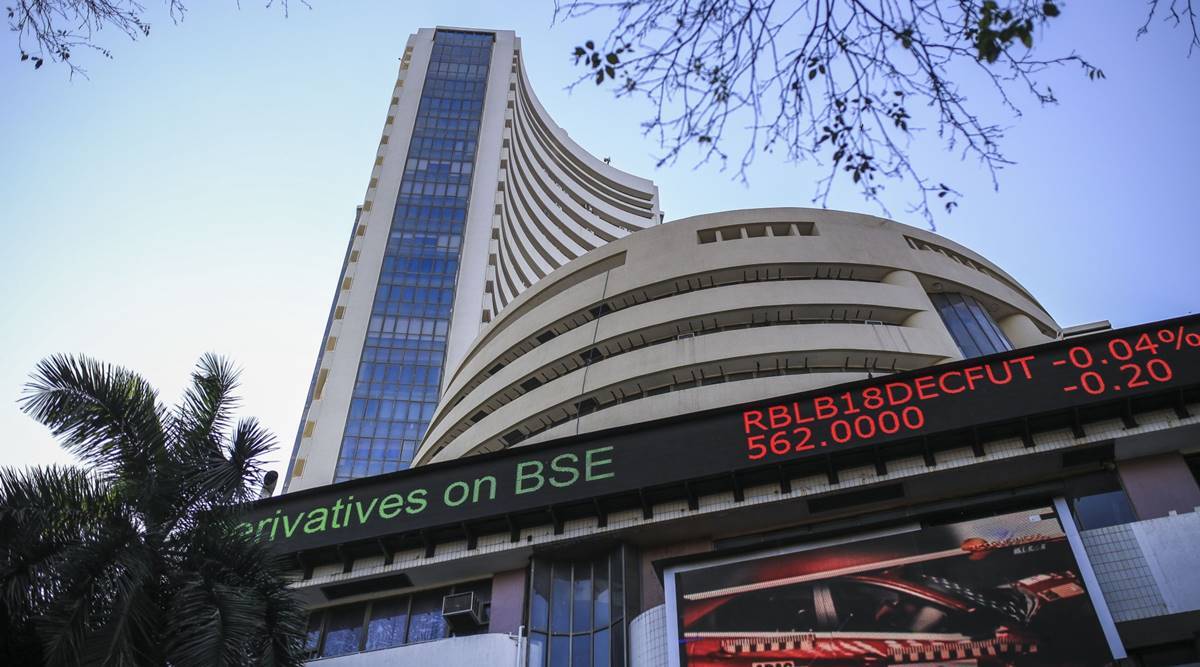
BSE Shares Dip 6% Amid SEBI Nod for Expiry Day Shift; Motilal Oswal Downgrades Stock

BSE Ltd witnessed a sharp drop of up to 6.1%, hitting an intraday low of ₹2,500 on the National Stock Exchange, following regulatory changes by SEBI regarding expiry day scheduling for derivatives. However, the stock rebounded shortly after the dip.

Why Did BSE Shares Fall?

The decline came after SEBI approved the proposal to change BSE’s F&O expiry day to Thursday, aligning it with global market norms. Meanwhile, NSE has secured Tuesday as its expiry day. This shift could impact BSE’s market share in derivatives trading, prompting caution among brokerages.

Motilal Oswal Downgrades BSE

In response, Motilal Oswal downgraded BSE to a ‘Neutral’ rating, cutting its target price by 14% to ₹2,300, signaling limited upside from current levels. The brokerage expressed concerns over BSE’s shrinking market share due to the revised expiry calendar.

“We estimate BSE’s market share could drop to 18–19% from 22.6% in May 2025,” said Motilal Oswal, citing recent trends and data from the derivatives market post the March 2025 F&O regulation changes.

According to their data:

  • On Wednesday and Thursday (influenced by Nifty expiry), BSE’s market share averaged around 8%.
  • On Friday, Monday, and Tuesday, its premium turnover market share was higher: 21%, 24%, and 38%, respectively.

BSE CEO Defends Thursday Expiry

BSE MD & CEO Sundararaman Ramamurthy clarified that the decision to shift to Thursday expiry was taken in the best interest of market participants, especially with NSE requesting Tuesday. He highlighted that Thursday aligns with global trading algorithms and allows investors more time during the week to structure their strategies.

“Thursday expiry has supported market growth historically and fits better with the weekly trading rhythm,” Ramamurthy added.

What Happens Next?

The expiry change will apply only to contracts expiring after September 1, 2025. Existing contracts, including long-dated index options, will be adjusted accordingly. Exchanges will release detailed circulars soon to guide market participants through the transition.

SEBI also reiterated that exchanges must seek prior approval before introducing or modifying contract expiry or settlement days.


Strong Q4 Performance by BSE

Despite the regulatory overhang, BSE delivered a robust Q4 FY25 performance:

  • Net Profit: ₹494 crore (vs. ₹107 crore YoY) – a 5x jump
  • Revenue: ₹846.6 crore – up 75% YoY

The board also declared a ₹23 per share dividend, including a ₹5 special dividend. The record date was May 14, and payment will be completed by September 18, 2025.


Stock Performance Snapshot

  • Last 5 sessions: Down 7.8%
  • 1-month return: +6%
  • 3-month return: +91%
  • 1-year return: +189.5%

Final Word

While regulatory shifts may create near-term volatility, BSE’s strong financials and strategic alignment with global markets could offer long-term stability. Investors should keep an eye on how trading volumes evolve under the new expiry framework.

Eqwires Research Analyst

Top-notch SEBI registered research analyst

Best SEBI registered Intraday tips provider

info@eqwires.com

Telegram Facebook Instagram

Call: +91 9624421555 / +91 9624461555

www.eqwires.com