
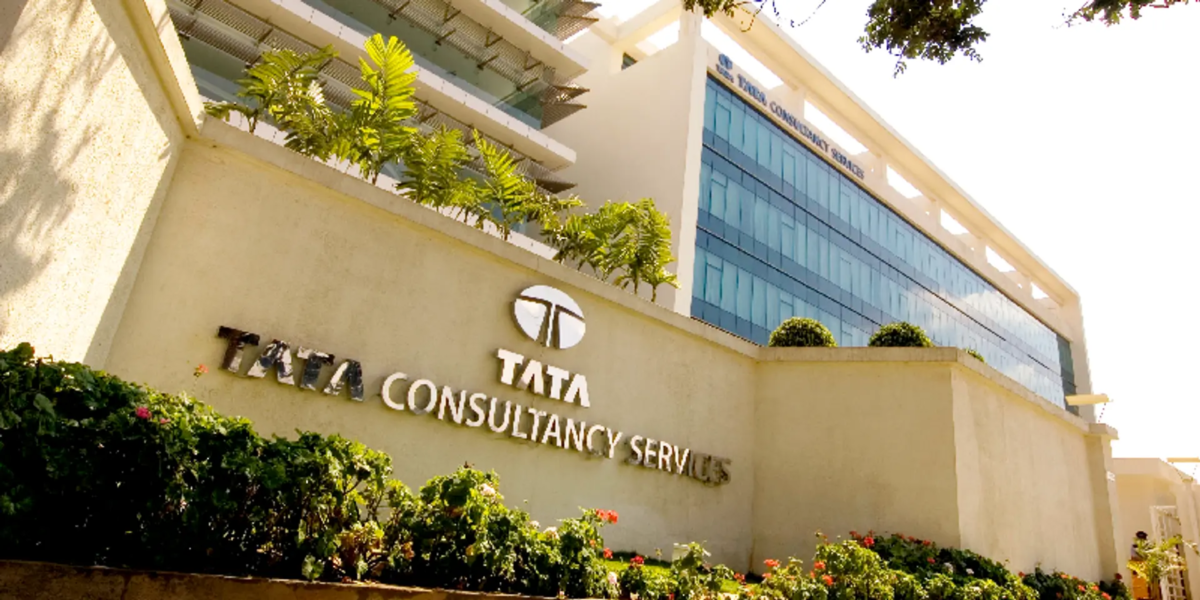
1 in 6 people got promotion in FY25: TCS CFO; says this on wage hike review

Tata Consultancy Services (TCS) Ltd CFO Samir Seksaria, in an exclusive interview with Business Today on Friday, said all major markets of the country’s largest IT exporter posted positive growth. “The company’s margin slipped by 30 basis points in the fourth quarter (Q4 FY25) due to significant investments in merit-based interventions (promotions), which were effective January 1, 2025, taking the total number of promotions to about 1,10,000 in Q4. So, one in six people got a promotion in the last financial year (2024-25). Then, we made investments in non-employer expenses on capability building etc,” he stated.

“In the regional market, BFSI, energy resources and utilities continue to perform better. FY25 is still better than FY24 in terms of constant currency (cc). Going forward, we expect current uncertainty to resolve sooner rather than later and when that happens, we should see FY26 better than FY25, at least in the major markets,” Seksaria also said.

Commenting on the BSNL deal, he said, “We have delivered a significant portion of it. 1,00,000 sites were to be delivered, out of which 90,000 have been commissioned and 80,000 are live. We will be completing the balance in the due course. We’ll have opportunities in terms of additional sites which might come up from BSNL itself. We can take the solution to other customers and enterprises in India. Also, we can take it globally. So, we have demonstrated our capabilities and that was the key reason for taking the sale. Based on these capabilities, we should be able to participate further.”

On wage hikes, Seksaria said, “We are not saying that we are not going to give wage hikes this year. It has been put on hold given the uncertainty. Once we get better certainty on the macros, we will reconsider that decision.” The TCS CFO also mentioned that the campus hiring numbers remain unchanged.

TCS has decided to defer employee salary hikes for this year which were earlier expected to start in April, citing the growing macroeconomic uncertainty intensified by the ongoing tariff war between the US and other countries.

The IT major reported a 1.68 per cent year-on-year (YoY) drop in net profit at Rs 12,224 crore for the March quarter compared with Rs 12,434 crore in the same quarter last year. TCS said its consolidated sales for the quarter rose 5.29 per cent YoY to Rs 64,479 crore from Rs 61,237 crore in the same quarter last year.

The company won orders worth $12.20 billion in the March quarter, with a book-to-bill ratio of 1.6 times. The IT firm also announced a final dividend of Rs 30 per share.

Eqwires Research Analyst

Top-notch SEBI registered research analyst

Best SEBI registered Intraday tips provider

info@eqwires.com

Telegram Facebook Instagram

Call: +91 9624421555 / +91 9624461555
www.eqwires.com

Fed’s Kashkari says rising bond yields, falling dollar show investors are moving on from the U.S.

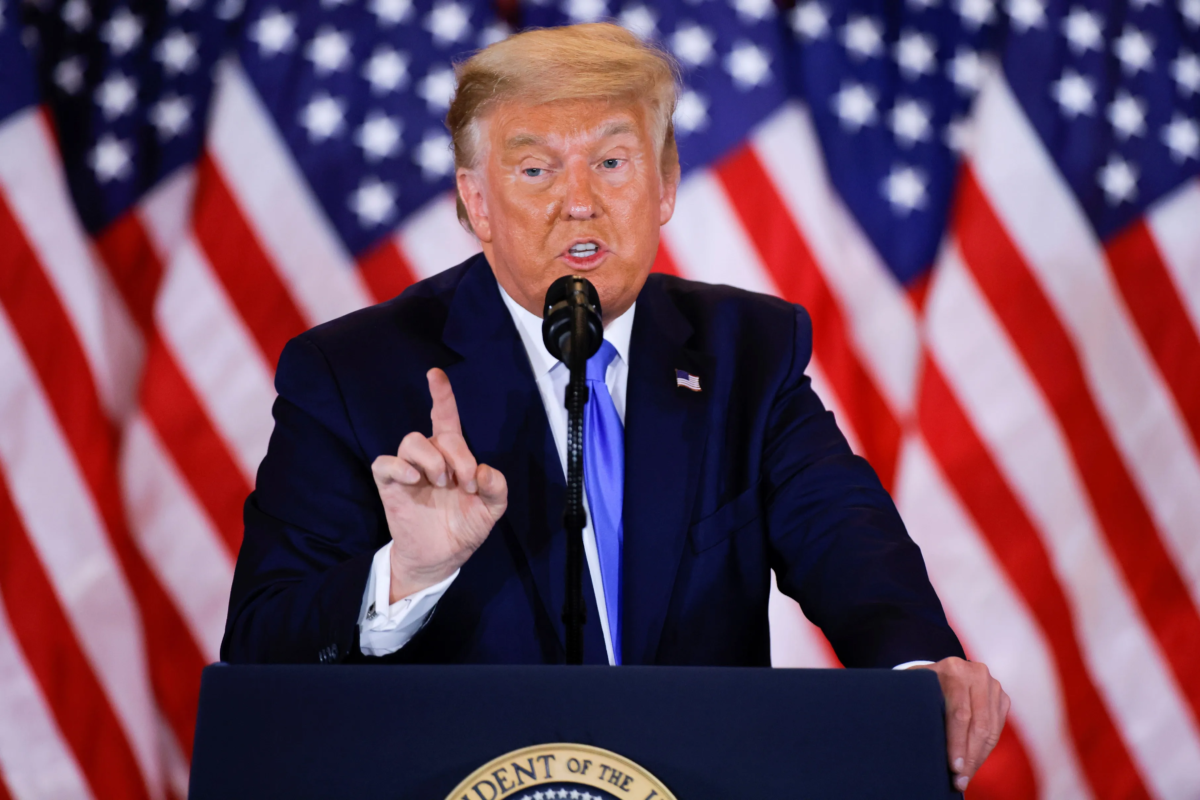
Minneapolis Federal Reserve President Neel Kashkari said Friday that recent market trends show investors are moving away from the U.S. as the safest place to invest while President Donald Trump’s trade war escalates.

With Treasury yields rising and the U.S. dollar sagging against its global counterparts in recent days, the trends are running counter to what you might normally see, the central bank official said during a CNBC “Squawk Box” interview.

“Normally, when you see big tariff increases, I would have expected the dollar to go up. The fact that the dollar is going down at the same time, I think, lends some more credibility to the story of investor preferences shifting,” Kashkari said.

The 10-year Treasury yield has surged this week after Trump announced his intention to slap a 10% across-the-board tariff against U.S. trading partners and threatened to impose even harsher select levies before backing down Wednesday.

At the same time, the greenback has slumped more than 3% against a basket of global currencies, with moves potentially signifying a turn away from safe-haven U.S. assets.

“Investors around the world have viewed America as the best place to invest, and if that’s true, we will have a trade deficit. So now one of the ways that expresses itself is in lower yields across asset classes in America,” Kashkari said. “If the trade deficit is going to go down, it could be that investors are saying, OK, America no longer is the most attractive place in the world to invest, and then you would expect to see bond yields go up.”

Kashkari noted, however, that he is seeing “stresses” but not significant dislocations in market functioning.

Kashkari does not vote this year on the rate-setting Federal Open Market Committee but will vote in 2026. He noted that his focus in the current environment is on keeping inflation expectations anchored, echoing other policymakers’ statements that rates are unlikely to move until there is clearer visibility on fiscal and trade policy.

Eqwires Research Analyst

Top-notch SEBI registered research analyst

Best SEBI registered Intraday tips provider

info@eqwires.com

Telegram Facebook Instagram

Call: +91 9624421555 / +91 9624461555
www.eqwires.com

PwC submits draft report on IndusInd Bank’s derivatives review: Report

PwC has submitted its draft findings to IndusInd Bank following an accounting review of the lender’s derivatives portfolio. The report, commissioned after the bank uncovered discrepancies in the booking of forex derivative transactions, focuses strictly on accounting aspects and does not assign responsibility or delve into the timeline of lapses, two sources told the Economic Times.

The accounting review began in October 2024, shortly after IndusInd Bank disclosed issues related to the misstatement of forex derivative losses over several years. The bank is currently reviewing PwC’s draft and is expected to share its observations with the firm. Officials from IndusInd also held consultations with PwC’s team during the course of the review.

While PwC has limited its scope to accounting review, Grant Thornton Bharat is conducting a separate forensic investigation to trace the root cause of the bank’s derivative losses, identify lapses, and determine accountability.

Business Today could not verify the report independently.

Shares of Indusind Bank closed at Rs 688.75 on Friday, up by 1.53%.

The controversy stems from IndusInd Bank’s March 10 disclosure of derivative losses worth Rs 2,100 crore, triggered by previously unaccounted losses on forex swap transactions executed between 2017 and 2024. The losses had accumulated due to accounting discrepancies, where treasury gains were booked in profit and loss statements, but the corresponding derivative losses were not routed through net interest income (NII).

Following the announcement, the bank’s stock dropped 23%, and analysts estimated that the discrepancy could erode Rs 1,600 crore from the bank’s net worth—greater than the bank’s net profit of Rs 1,401 crore for the December 2024 quarter.

IndusInd Bank attributed the losses partly to the Reserve Bank of India’s September 2023 directive prohibiting internal trades and hedging practices, which it ceased on April 1, 2024. However, losses from prior transactions remained unresolved and went unnoticed during previous audits.

The crisis has also drawn attention to internal developments, including the exit of CFO Gobind Jain, and the share sales worth Rs 157 crore by CEO Sumanth Kathpalia and Deputy CEO Arun Khurana over the past two years.

As of March 19, IndusInd Bank’s stock had partially recovered to Rs 692 after hitting a low of ₹655 on March 11, but it remains down over 53% in the past six months. The market now awaits further clarity from the ongoing forensic audit and the bank’s next steps on financial restatements and executive accountability.

In early 2024, IndusInd Bank enlisted the services of KPMG and EY to support internal teams in analyzing treasury policies, procedures, and accounting practices, including those pertaining to forex derivative contracts.

RBI’s vigil

Earlier this week, the RBI mandated IndusInd Bank’s board to investigate and hold accountable those responsible for accounting inaccuracies that led to a significant decrease in the lender’s market value in March. During a media briefing on Wednesday, RBI officials referred to the necessity of conducting forensic audits and accountability reviews following such incidents, without explicitly naming the bank involved.

Deputy Governor J. Swaminathan emphasized the importance of identifying and taking actions against individuals or entities – whether internal staff, external parties, or service providers – responsible for any lapses.

“Whenever such incidents occur, we direct the boards to ensure that proper forensic and accountability studies are carried out,” said J. Swaminathan, RBI Deputy Governor. “Anyone found accountable, whether internal staff, external parties, or service providers, will be included in the investigation, and appropriate actions will be taken. Any lapses will be dealt with accordingly.”

Earlier, it was reported by ET that the RBI instructed the board of IndusInd Bank to launch an in-depth forensic investigation into the bank. The investigation will determine whether senior management had knowledge of or involvement in the discrepancies in the derivatives portfolio, resulting in a loss of nearly Rs 1,600 crore.

In the meantime, RBI Governor Sanjay Malhotra provided reassurance that the banking system remains solid and resilient.

“Overall, the system is secure, resilient, and sturdy,” he stated. “We have around 10,000 non-banking financial companies (NBFCs) and approximately 1,500 cooperative banks. While about 70 cooperative banks have failed in the past 8-9 years, the impact has been minimal. Our primary focus is on minimizing any negative repercussions.”

Eqwires Research Analyst

Top-notch SEBI registered research analyst

Best SEBI registered Intraday tips provider

info@eqwires.com

Telegram Facebook Instagram

Call: +91 9624421555 / +91 9624461555
www.eqwires.com

These 4 stocks from BSE Smallcap index locked in 10% to 20% upper circuit

Shares of Goldiam International, Pokarna, Garware Hi-Tech Films and Pearl Global Industries from the BSE Smallcap index were locked in upper circuit of up to 20 per cent on the BSE in Friday’s intra-day trade on a sharp recovery in the equity markets. Till Wednesday, these stocks had tanked by up to 55 per cent from their respective 52-week highs. 

Today, the BSE Sensex and Smallcap index have rallied by up to nearly 3 per cent following the pause in US tariffs for most nations, except China which faces a 145 per cent tariff rate. 

Among the individual stocks, Goldiam International zoomed 20 per cent to ₹327 on the back of heavy volumes. Till 11:03 am; as many as 6.4 million equity shares representing 6 per cent of the total equity of the company have changed hands on the NSE and BSE. The stock had corrected 52 per cent from its 52-week high level of ₹569 on January 6, 2025. On Wednesday, it closed at ₹272.50 on the BSE.

Investor Ramesh Damani has sold 280,000 shares, or 0.28 percentage point stake in Goldiam International, during the January to March period. According to March 2025 shareholding data, Ramesh Damani’s holding in the company reduced to 1.31 per cent from 1.58 per cent at the end of December 2024 quarter. 

Goldiam International functions as the manufacturer of choice for many of the leading global branded retailers, departmental stores and wholesalers across American markets. Targeting the mid-to-affordable diamond & bridal jewellery segments, Goldiam has a dedicated sales office in New York, with design teams in both India and the USA.

Shares of Pearl Global Industries locked in 10 per cent upper circuit at ₹1,011.80 on the BSE. They closed at ₹919.85 on Wednesday, and they had corrected 46 per cent from their 52-week high price of ₹1,718.05 hit on January 16. 

The company is primarily engaged in manufacturing, sourcing and export of ready-to-wear apparels through its facilities and operations in India and overseas with USA contributing the highest amongst all countries. Its marquee clientele includes GAP, Kohl’s, Inditex, PVH, Macy’s, Ralph Lauren, Old Navy, Muji and Talbots, among others. 

Investor Mukul Mahavir Agrawal held a 2.61 per cent stake in Pearl Global Industries at the end of December 2024 quarter, the shareholding pattern data shows.

Shares of Garware Hi-Tech Films (GHFL) also locked in 10 per cent upper circuit at ₹2,654.20 on the BSE in intra-day trade. It had declined 55 per cent from its 52-week high level of ₹5,373 touched on December 20, 2024 to close at ₹2,412.95 on Wednesday. 

GHFL is one of the few companies in the world to have a vertically integrated chip-to-film operation in Chhatrapati Sambhaji Nagar (Aurangabad), Maharashtra, India, to produce a highly quality and varieties of specialty polyester films used in various industries/applications across the globe such as Paint Protection Films, Sun Control Films (Auto and Architectural), Shrink Label Packaging, Reprographics, Electrical, Thermal Insulation, etc.

Shares of Pokarna were up 10 per cent at ₹828 on the BSE in intra-day trade. The company is principally engaged in the business of quarrying, manufacturing and processing and selling of Granite and manufacturing and selling of Apparel under the brand name ‘Stanza’. 

The granite sector in India contributes significantly to the national economy through exports to major markets including the USA, Europe, the UK, Russia, the Middle East, China and Canada.

Eqwires Research Analyst

Top-notch SEBI registered research analyst

Best SEBI registered Intraday tips provider

info@eqwires.com

Telegram Facebook Instagram

Call: +91 9624421555 / +91 9624461555

www.eqwires.com

Breakout stocks: ITC, Jyothy Labs can rally up to 18%, show charts

FMCG major ITC and mid-cap pharma stock Jyothy Labs have given a fresh breakout on the daily scale in the last two trading sessions, thus implying a likely favourable trend in the near-term. Here’s a detailed technical analysis on Today Break Out Stock ITC and Jyothy Labs shares. 

ITC Current Price: ₹ 420 Upside Potential: 9.8% Support: ₹ 410; ₹ 400; ₹ 395 Resistance: ₹ 431; ₹ 444; ₹ 454 ITC stock has witnessed a breakout on the daily chart in its previous trading session, as the stock closed above its super trend line resistance. The overall bias is now expected to remain favourable as long as the stock holds above ₹ 395. Near support for the stock is visible at ₹ 410 and ₹ 404 levels.

At present, ITC is testing resistance at its 100-Day Simple Moving Average (DSMA) also known as the 100-DMA, which stands at ₹ 421. Break and sustained trade above the stock can see the stock spurt towards the 200-DMA at ₹ 431 levels. In the short-to-medium term the stock is expected to rally towards ₹ 461 levels, shows the weekly chart. Interim resistance can be anticipated around ₹ 444 and ₹ 454 levels. 

 Jyothy Labs Current Price: ₹ 370 Upside Potential: 17.8% Support: ₹ 352; ₹ 340; ₹ 317 Resistance: ₹ 411; ₹ 426 Jyothy Labs too is seen trading firmly above its super trend line for the second straight day. That apart the stock is also trading above the higher-end of the Bollinger Bands on the daily scale; thus implying a bullish bias for the stock as long as it holds above ₹ 365. 

The overall bias for the stock is expected to remain positive as long as the stock trades above ₹ 317 levels. Interim support for the stock is placed at ₹ 352 and ₹ 340 levels. Key momentum oscillators on the weekly chart, such as the Stochastic Slow and the Moving Average Convergence-Divergence (MACD) indicator have also turned favourable for Jyothy Labs. Chart suggests the stock can potentially rally towards ₹ 435 levels in the near-term. For now, key hurdles for the stock exist at ₹ 411 and ₹ 426 levels. 

Eqwires Research Analyst

Top-notch SEBI registered research analyst

Best SEBI registered Intraday tips provider

info@eqwires.com

Telegram Facebook Instagram

Call: +91 9624421555 / +91 9624461555

www.eqwires.com