
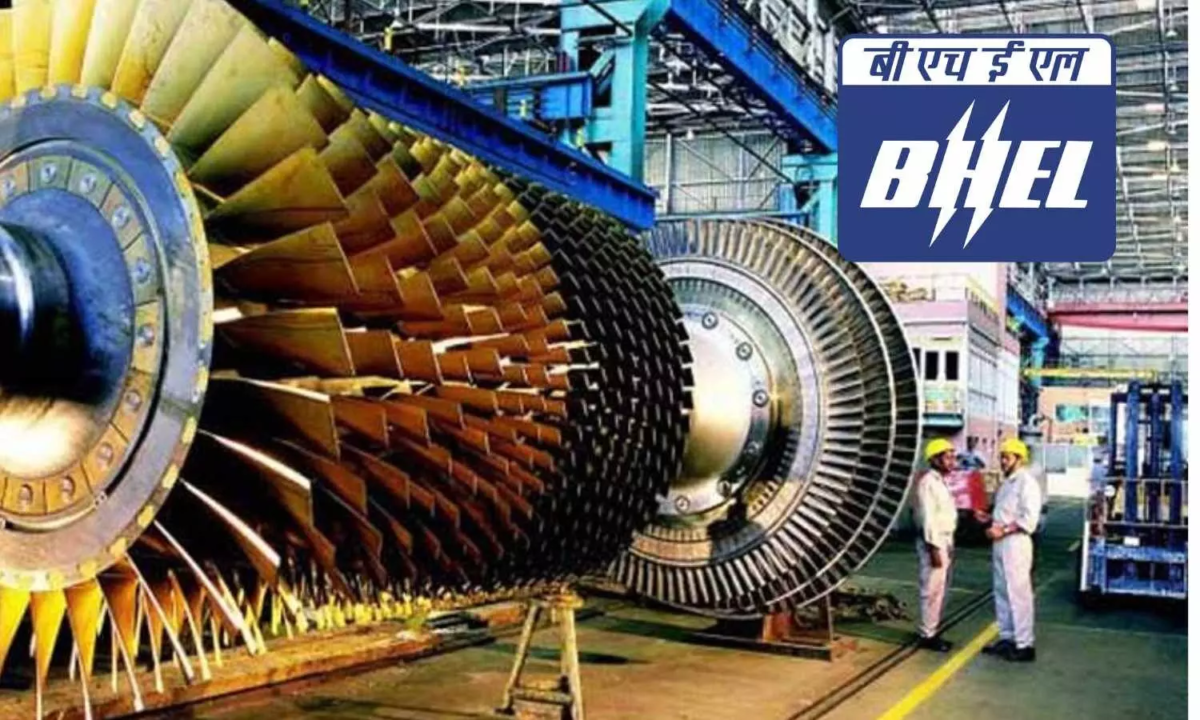
BHEL ‘buy’ recommendations from analysts are at the highest in over a decade

41% of the 17 analysts who have coverage on state-run Bharat Heavy Electricals Ltd. (BHEL) have a “buy” recommendation on the stock. This is the highest level of “buy” recommendations for the PSU dating back to 2011.

Seven out of those 17 analysts have a “buy” rating on BHEL, while eight of them still have a “sell” recommendation. Two others have a “hold” rating.

BHEL reported its December quarter results after market hours on Tuesday, January 28, where its revenue went up by 32% from last year aided by better execution in the Power & Industry segment.

However, margin expansion was below expectations despite Earnings Before Interest, Tax, Depreciation and Amortisation (EBITDA) growing by 41% year-on-year. The subdued margin expansion was due to a jump in other expenses. In fact, BHEL’s EBITDA too missed expectations despite the 41% jump.

Calculated order inflow during the quarter stood at ₹6,860 crore, which was a growth of 167% from last year, while the company’s order book stood at ₹1.6 lakh crore.

Brokerage firm CLSA maintained its “reduce” rating on the stock and cut its price target to ₹166 from ₹205 earlier, calling the stock “expensive” at 34 times financial year 2026 price-to-earnings.

CLSA wrote that the key catalyst for BHEL’s re-rating was its inclusion in the global passive indices and that has passed.

With L&T entering the thermal power equipment business, BHEL’s market dominance is also under question, CLSA wrote in its note, while cutting its financial year 2025-2027 Earnings Per Share (EPS) estimates by 3% to 8% to factor in weak margins.

On the flip side, Morgan Stanley has an “overweight” rating on BHEL with a price target of ₹352, more than double of CLSA.

The brokerage said that BHEL’s standalone revenue was above their estimates, as was the company’s EBITDA and adjusted profit.

Shares of BHEL ended 3.7% lower on Tuesday at ₹187.4. The PSU stock has corrected 45% from its recent peak of ₹335.

Eqwires Research Analyst

Top-notch SEBI registered research analyst

Best SEBI registered Intraday tips provider

info@eqwires.com

Telegram Facebook Instagram

Call: +91 9624421555 / +91 9624461555
www.eqwires.com

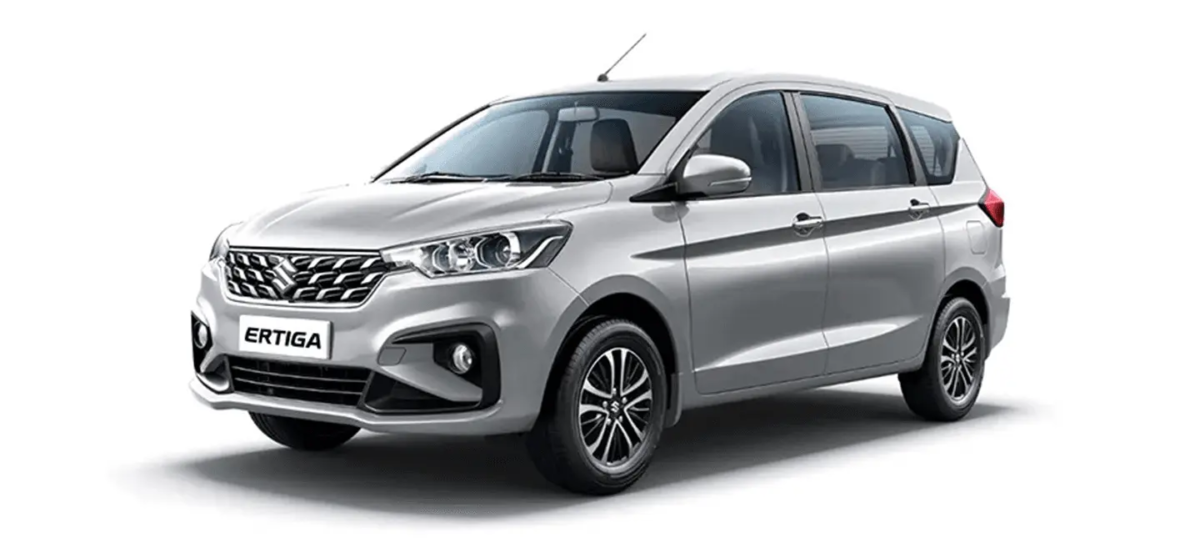
Maruti Suzuki Q3 results: Net profit grows 16% YoY to Rs 3,727 crore helped by healthy sales volumes growth, beats estimate

Maruti Suzuki India Ltd reported a 16 percent year-on-year rise in consolidated net profit to Rs 3,727 crore for the third quarter of FY25, surpassing analysts’ estimates. A Moneycontrol poll of brokerages had projected the automaker’s net profit at Rs 3,596 crore, reflecting a 15 percent increase year-on-year.

Revenue for the quarter stood at Rs 38,764 crore, marking a 16 percent year-on-year rise, slightly below analysts’ estimate of Rs 38,838 crore. On a standalone basis, the company recorded its highest-ever quarterly net sales at Rs 36,802 crore, up 15.5 percent from Rs 31,860 crore in the same period last year. Standalone net profit rose 12.6 percent year-on-year to Rs 3,525 crore from Rs 3,130 crore in Q3 FY24.

Maruti Suzuki shares gave up the day’s gains post the Q3 earnings report, and fell into red. The stock was trading down 0.9 percent at Rs 12,015 on NSE.

The company registered strong sales performance during the quarter, with total vehicle sales rising 13 percent year-on-year to 5,66,213 units. Domestic sales increased by 8.7 percent to 4,66,993 units, while exports surged 38.2 percent to 99,220 units, marking the highest-ever exports in any quarter.

Among key segments, utility vehicle (UV) sales rose 20.2 percent to 1,85,298 units, while compact car sales declined 4.6 percent to 1,82,227 units. Mini car sales grew marginally by 2.8 percent to 27,855 units. Sales to other original equipment manufacturers (OEMs) nearly doubled, rising 89.2 percent year-on-year to 27,102 units.

On the operational front, EBITDA for the quarter stood at Rs 4,471 crore, reflecting a 14 percent increase from Rs 3,908 crore a year ago. However, EBITDA margin came in slightly lower at 11.6 percent, compared to 11.7 percent in Q3 FY24.

Brokerages had anticipated a decline in EBITDA margins due to higher discounts and increased spending on advertising and promotions. However, the impact was mitigated by a richer product mix, higher average selling prices, and operating leverage benefits.

Operating EBIT grew 16.1 percent year-on-year to Rs 3,665 crore, while profit before tax (PBT) rose 13.5 percent to Rs 4,601 crore. The company saw a marginal increase in material costs as a percentage of net sales, which stood at 74.7 percent compared to 74 percent in the year-ago quarter.

Other expenses declined to 13.6 percent from 14.1 percent, while depreciation expenses as a percentage of sales fell to 2.2 percent from 2.4 percent last year. Non-operating income contributed 2.7 percent of net sales, slightly lower than 2.9 percent in Q3 FY24.

For the April-December period of FY25, Maruti Suzuki recorded its highest-ever nine-month sales volume, it said in a statement. The company sold a total of 16,29,631 units during the period, reflecting a 5 percent growth over the same period last year. Domestic sales stood at 13,82,135 units, while exports reached 2,47,496 units.

Eqwires Research Analyst

Top-notch SEBI registered research analyst

Best SEBI registered Intraday tips provider

info@eqwires.com

Telegram Facebook Instagram

Call: +91 9624421555 / +91 9624461555
www.eqwires.com

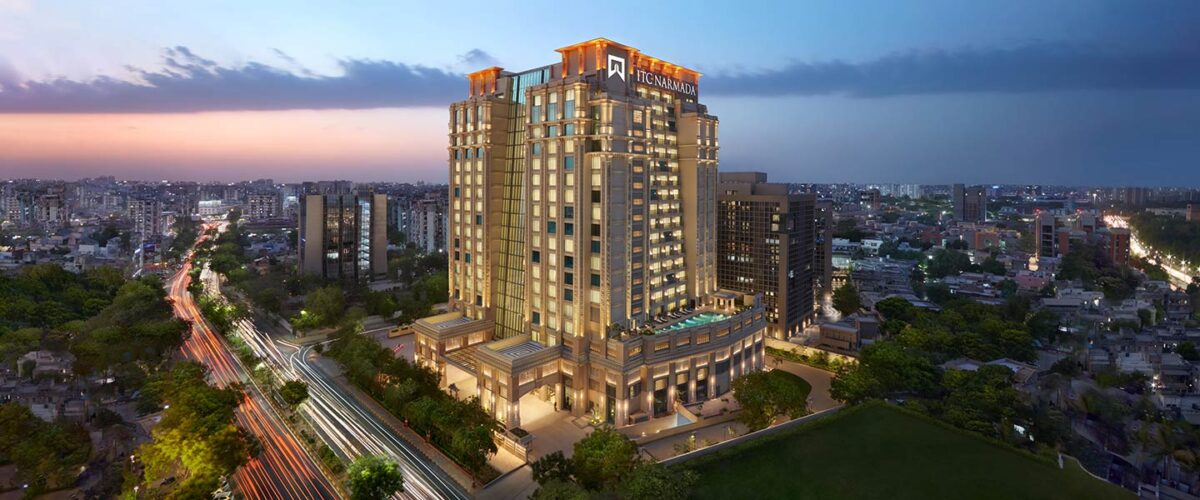
ITC Hotels share price ends at 5% lower circuit at ₹178.60 apiece on listing day

ITC Hotels Share Price Highlights: The equity shares of ITC Hotels Ltd were listed on Indian stock exchanges today, January 29. ITC Hotels is a demerged entity of cigarettes-to-FMCG conglomerate ITC Ltd. ITC Hotels share price was listed at ₹188 apiece on the BSE, and on NSE, ITC Hotels shares were listed at ₹180 apiece. The stock was listed over 30% discount to the discovered price, but better than analysts’ expectations. ITC Hotels discovered price was ₹260 per share on the NSE and ₹270 per share on the BSE. However, the stock declined during debut session and ended sharply lower. On BSE, ITC Hotels shares closed at 5% lower circuit, while the stock settled 3.53% lower on NSE.

ITC Hotels shares will be removed from Nifty 50 and Sensex on T+3 day, which is listing, plus three business days. ITC Hotels demerger ratio was 1:10, meaning existing ITC shareholders received 1 ITC Hotels share for every 10 ITC shares. The parent ITC Ltd retained a 40.0% stake in the new entity, with the remaining 60.0% distributed to shareholders.

ITC Hotels Share Listing Highlights: ITC Hotels share price ended sharply lower on the listing day, January 29. ITC Hotels shares closed at 5% lower circuit of ₹178.60 apiece on the BSE. The stock was listed at a 31% discount at ₹188.00 earlier today.

On NSE, ITC Hotels stock price ended the debut session 3.53% lower at ₹173.65 apiece. The stock was listed at ₹180.00 apiece on the bourse.

ITC Hotels Share Listing Live: Ganesh Dongre, Senior Manager – Technical Research at Anand Rathi has suggested a ‘buy on dips’ strategy for ITC shares. “Investors can buy ITC shares on dips, keeping a stop loss at ₹415 – 410 levels, and for a target range of ₹453 – 475. If ITC stock breaches above ₹450 level, more aggressive buying can be initiated for a target of ₹480 – 490,” Dongre said.

ITC Hotels Share Listing Live: ITC share price traded marginally lower on Wednesday after the listing of ITC Hotels shares. According to Ruchit Jain, Vice President, Equity Technical Research, Motilal Oswal Financial Services Ltd., technical charts suggest ITC shares are in a consolidation phase.

“ITC shares are trading in a range of ₹430-460 for a few weeks. There are no signs of a breakout or any upside. Hence, we believe this consolidation phase in ITC shares will continue,” Jain said.

Eqwires Research Analyst

Top-notch SEBI registered research analyst

Best SEBI registered Intraday tips provider

info@eqwires.com

Telegram Facebook Instagram

Call: +91 9624421555 / +91 9624461555

www.eqwires.com